Public Steam disclosure research25,376 disclosures tracked
Where do games disclose AI use?
Search developers’ Steam disclosures, compare classified AI use across
games, and follow recorded changes.
This index adds cross-game classifications and statistics to
statements published on individual store pages.
Groups reflect automatic analysis of public disclosures; mature records are excluded. These counts do not measure AI use across all of Steam.
Missing or unclear statements cannot establish whether a game uses AI.
Generative AI was used only for localization. As a solo developer, I used AI tools to translate the game's text into other languages, which would not have been possible for me otherwise. All artwork, audio, and gameplay content were created without generative AI.
This game’s store page text has been translated into multiple languages with the assistance of AI translation tools. We review and adjust translations manually.
Generative AI tools were used during development to assist with some art assets, written content and localization, as well as store and marketing materials. This includes character portraits, cat and scene illustrations, selected textures and UI illustrations, store capsule artwork and promotional illustrations. These materials are generated, selected and integrated as fixed assets before release. The game does not use generative AI during play or generate dialogue, images or audio in real time.
Generative AI tools were used during development to create some of the game’s 2D artwork, 3D assets, and music, as well as Steam store artwork. These are pre-generated assets. The game does not generate AI content or connect to external AI services during gameplay.
Some 2D artwork in the game, such as backgrounds, decoration items and illustrations, was made with the help of generative AI image tools and then edited and adjusted by the developer. Some in-game text translations were also produced with AI assistance. All sound and music are created by the game’s own code. No content is generated by AI while you play.
AI tools were used during development to assist with writing and translating French and English text, creating branding artwork (including the logo, icon and splash screen), and producing some music. Promotional artwork and the voice-over in our gameplay overview videos also use AI-generated content. These assets were prepared in advance and integrated by the developers. The game does not generate AI content during gameplay.
Generative AI tools were used to assist with code refactoring and with writing and translating text for the game and its store page. No content is generated using generative AI during gameplay.
Some character avatars, application icons, store and library artwork, and fixed character voice lines were created with generative AI. The launch version uses local gameplay AI and prerecorded voice clips; it does not generate content during play or connect to external AI services.
Boop Bay was made by its developer with the help of an AI assistant (Anthropic's Claude). The art (the vector drawings of the places and animals) was drawn by the AI as code and SVG under the developer's direction; no image-generation models were used. The on-screen text in languages other than English was translated with AI. Store page text was drafted with AI and edited by the developer. The animal and instrument sounds are public-domain (CC0) recordings made by people; the other sounds are synthesized by the game.
The background music tracks were created with the help of generative AI, and the translated in-game text for some languages was produced with AI assistance. The game does not use AI while you play.
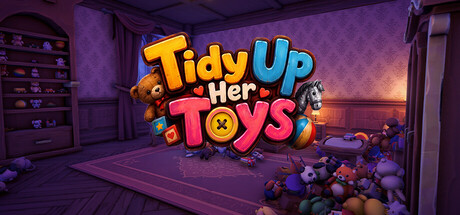
AI-assisted tools were used during the development of Tidy Up Her Toys as part of the creative and production workflow.
AI was utilized to assist with certain aspects of programming and development, music creation, and the production of selected graphical and visual elements. These tools were used to support the development process, experimentation, iteration, and creative production.
The overall game design, direction, implementation, integration, editing, and final creative decisions were handled by the developer. AI-generated and AI-assisted content was reviewed, adapted, and integrated into the game as part of the development process.
The built-in starter question packs were drafted with AI assistance, then fact-checked and edited by the developer. Store page and interface text were also drafted with AI help and reviewed. No content is generated by AI while you play.
This game uses AI as a writing assistant during development. The story, characters, world, game systems, and overall creative direction are original work by the developer, drawn from personal experience and extensive planning. AI was used to help draft, translate, edit, and refine dialogue based on the developer's outlines, ideas, and direction, with the developer reviewing, revising, and making final creative decisions on all text that appears in the game. AI was not used to generate any art, music, or audio assets.
Generative AI assisted with some story illustrations and narrative text, as well as store artwork and icons. These materials were reviewed, edited and arranged during development. All content is pre-generated; the game does not connect to AI services or generate content during gameplay.
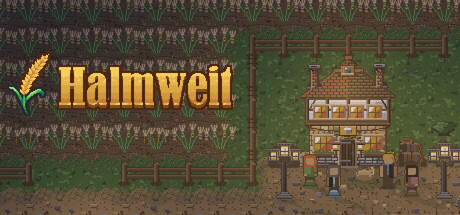
Halmweit is a one-person project, and I've had a little help from some tools along the way. AI helped with writing and translating the texts and with programming. What goes into the game is my decision. The music was written by hand by a composer. While you play, the game doesn't generate anything with AI.
AI tools were used to support the development of this game. Some of the audio was created with generative AI. All content was reviewed and selected by the developer.
The developer used generative AI to help write and translate (Japanese to English) the in-game and store page text. All text was reviewed and edited by the developer. No graphics, sound or music in the game are AI-generated, and no content is generated by AI while playing.
All game artwork is designed by hand and refined by our art team. AI-assisted tools in Adobe Photoshop, including generative completion, were used to support adjustments to approximately 5% of the game’s artwork. All AI-assisted elements were reviewed and adjusted by the art team to ensure consistency with the game’s artistic direction.
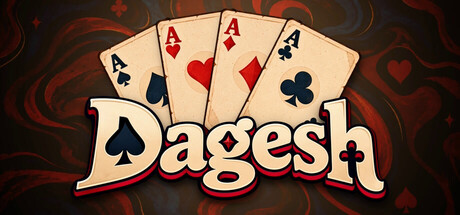
All card artwork, graphics and game design were created by the developer. AI tools were used to translate the in-game text and the store page into Spanish, French, German, Portuguese (Brazil). The trailer, GIFs and store capsules were edited with AI assistance, using only the developer's own artwork and real gameplay footage. The game does not generate any content with AI while it is running. Singleplayer opponents are traditional rule-based bots, not generative AI.
Text for the game and store page was localized with AI assistance. The game's menu and store page feature title artwork created with the help of AI tools.
Some visual assets in this game, including certain 3D models, textures, UI elements, icons, and character portraits, as well as background music and some sound effects, were created in advance with the help of generative AI tools. The developer reviewed and integrated the AI-generated assets. Some music and UI, victory, and defeat sound effects were generated with Google Gemini; other sound effects use third-party recordings or procedural synthesis. The game does not use generative AI at runtime, generate content while you play, or connect to AI services.
Generative AI was used during development to assist with the creation and refinement of selected visual assets and promotional artwork. All AI-assisted content was reviewed and edited by the development team before being included in the game or store materials. The game does not use generative AI to create content during gameplay.
Made by one developer with a little help from AI! Some artwork and text started life in generative AI tools, then got edited and polished by hand. Nothing is generated while you play.
Elya uses generative AI for optional real-time character conversations and synthesized speech. AI-assisted tools were also used to prepare portions of the store localization and selected marketing artwork. The game includes bundled local models, and users may optionally connect compatible third-party AI services or configure their own providers. Live-generated content is based on user input and character settings.
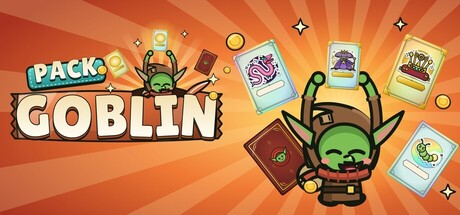
I used AI tools to turn my sketches into clean vector (SVG) art: the goblin, the cards, the decorations, the logo and the store images.
The text of this store page was written with AI help, from my own notes and my own story, and edited by me.
The game does not create any AI content while you play: everything you see was made before release.
various visual assets and materials for Too Many Orbs! were created with the assistance of generative AI tools.
All AI-generated content was reviewed, refined, and integrated by the developer to ensure consistency with the game's artistic direction and quality standards.
The game is made by a single developer, with help from two friends. I used generative AI for some of the artwork (backgrounds, portraits, icons, book covers, record sleeves, skies) and for some of the music, selecting, editing and integrating every asset by hand. 3D models were bought from their creators, taken from free libraries or made in Blender, and sound effects come from free sound libraries: all authors are credited in the game.
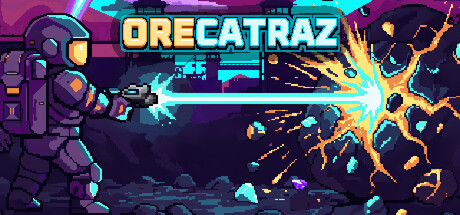
The songs currently featured in the ORECATRAZ demo and playtest were created using AI. During the playtest phase, we aim to connect with musicians who enjoy the game and share our creative vision. Our goal is to replace these AI-generated songs with original music composed specifically for Orecatraz.
During development, generative AI was used to create some graphical assets and assist with translation from Japanese into other languages. This includes content used in the game, on the store page, and in promotional materials. The gaem does not use generative AI to generate content during gameplay.
AI tools helped create some artwork, textures, visual effects, sound effects, ambience, instrumental music, translations, and store text. These are pre-generated, fixed assets. No AI content is generated and no third-party AI service is contacted during gameplay.
Pre-generated AI tools were used during development to assist with the creation and refinement of selected visual assets, localization text, and marketing materials. All AI-assisted content was reviewed, edited, and integrated by the developer before inclusion in the game or store materials. The game does not generate AI content in real time during gameplay.
Some content in this game and its store materials was created with the help of generative AI:
- Sound effects and background music were generated with Stable Audio (Stability AI) and edited by the developer.
- The trailer narration was generated with ElevenLabs.
- The store capsule artwork was created with Google's image-generation AI (Nano Banana) and finished by hand.
Cat vocalizations (meows, purrs, hisses) are real recordings, not AI-generated. The game does not generate any content with AI during gameplay.
Frogs Can Jump uses generative AI only as a writing aid during development.
The game's text content (interface text) localization into the 14 supported interface languages were produced with
the assistance of large language models, directed and reviewed by the
developer. Parts of this store page were drafted the same way.
No AI-generated images, audio or video are used: all artwork, animation
and sound in the game are produced by hand-written procedural code. The
game does not generate any content with AI while you play, and it never
connects to an external AI service.
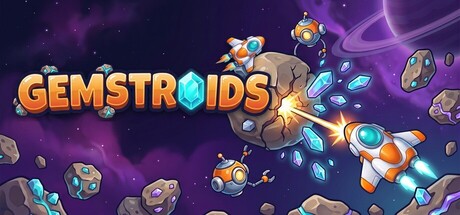
Gemstroids is a solo project, designed and directed by the developer. Art, music, sound effects, the in-game and store page texts and all translations were made with AI tools, then selected, edited and brought into one style by the developer.
Generative AI was used only for localization. As a solo developer, I used AI tools to translate the game's text into other languages, which would not have been possible for me otherwise. All artwork, audio, and gameplay content were created without generative AI.
This game’s store page text has been translated into multiple languages with the assistance of AI translation tools. We review and adjust translations manually.
Generative AI tools were used during development to assist with some art assets, written content and localization, as well as store and marketing materials. This includes character portraits, cat and scene illustrations, selected textures and UI illustrations, store capsule artwork and promotional illustrations. These materials are generated, selected and integrated as fixed assets before release. The game does not use generative AI during play or generate dialogue, images or audio in real time.
Generative AI tools were used during development to create some of the game’s 2D artwork, 3D assets, and music, as well as Steam store artwork. These are pre-generated assets. The game does not generate AI content or connect to external AI services during gameplay.
Some 2D artwork in the game, such as backgrounds, decoration items and illustrations, was made with the help of generative AI image tools and then edited and adjusted by the developer. Some in-game text translations were also produced with AI assistance. All sound and music are created by the game’s own code. No content is generated by AI while you play.
AI tools were used during development to assist with writing and translating French and English text, creating branding artwork (including the logo, icon and splash screen), and producing some music. Promotional artwork and the voice-over in our gameplay overview videos also use AI-generated content. These assets were prepared in advance and integrated by the developers. The game does not generate AI content during gameplay.
Generative AI tools were used to assist with code refactoring and with writing and translating text for the game and its store page. No content is generated using generative AI during gameplay.
Some character avatars, application icons, store and library artwork, and fixed character voice lines were created with generative AI. The launch version uses local gameplay AI and prerecorded voice clips; it does not generate content during play or connect to external AI services.
Boop Bay was made by its developer with the help of an AI assistant (Anthropic's Claude). The art (the vector drawings of the places and animals) was drawn by the AI as code and SVG under the developer's direction; no image-generation models were used. The on-screen text in languages other than English was translated with AI. Store page text was drafted with AI and edited by the developer. The animal and instrument sounds are public-domain (CC0) recordings made by people; the other sounds are synthesized by the game.
The background music tracks were created with the help of generative AI, and the translated in-game text for some languages was produced with AI assistance. The game does not use AI while you play.
AI-assisted tools were used during the development of Tidy Up Her Toys as part of the creative and production workflow.
AI was utilized to assist with certain aspects of programming and development, music creation, and the production of selected graphical and visual elements. These tools were used to support the development process, experimentation, iteration, and creative production.
The overall game design, direction, implementation, integration, editing, and final creative decisions were handled by the developer. AI-generated and AI-assisted content was reviewed, adapted, and integrated into the game as part of the development process.
The built-in starter question packs were drafted with AI assistance, then fact-checked and edited by the developer. Store page and interface text were also drafted with AI help and reviewed. No content is generated by AI while you play.
This game uses AI as a writing assistant during development. The story, characters, world, game systems, and overall creative direction are original work by the developer, drawn from personal experience and extensive planning. AI was used to help draft, translate, edit, and refine dialogue based on the developer's outlines, ideas, and direction, with the developer reviewing, revising, and making final creative decisions on all text that appears in the game. AI was not used to generate any art, music, or audio assets.
Generative AI assisted with some story illustrations and narrative text, as well as store artwork and icons. These materials were reviewed, edited and arranged during development. All content is pre-generated; the game does not connect to AI services or generate content during gameplay.
Halmweit is a one-person project, and I've had a little help from some tools along the way. AI helped with writing and translating the texts and with programming. What goes into the game is my decision. The music was written by hand by a composer. While you play, the game doesn't generate anything with AI.
AI tools were used to support the development of this game. Some of the audio was created with generative AI. All content was reviewed and selected by the developer.
The developer used generative AI to help write and translate (Japanese to English) the in-game and store page text. All text was reviewed and edited by the developer. No graphics, sound or music in the game are AI-generated, and no content is generated by AI while playing.
All game artwork is designed by hand and refined by our art team. AI-assisted tools in Adobe Photoshop, including generative completion, were used to support adjustments to approximately 5% of the game’s artwork. All AI-assisted elements were reviewed and adjusted by the art team to ensure consistency with the game’s artistic direction.
All card artwork, graphics and game design were created by the developer. AI tools were used to translate the in-game text and the store page into Spanish, French, German, Portuguese (Brazil). The trailer, GIFs and store capsules were edited with AI assistance, using only the developer's own artwork and real gameplay footage. The game does not generate any content with AI while it is running. Singleplayer opponents are traditional rule-based bots, not generative AI.
Text for the game and store page was localized with AI assistance. The game's menu and store page feature title artwork created with the help of AI tools.
Some visual assets in this game, including certain 3D models, textures, UI elements, icons, and character portraits, as well as background music and some sound effects, were created in advance with the help of generative AI tools. The developer reviewed and integrated the AI-generated assets. Some music and UI, victory, and defeat sound effects were generated with Google Gemini; other sound effects use third-party recordings or procedural synthesis. The game does not use generative AI at runtime, generate content while you play, or connect to AI services.
Generative AI was used during development to assist with the creation and refinement of selected visual assets and promotional artwork. All AI-assisted content was reviewed and edited by the development team before being included in the game or store materials. The game does not use generative AI to create content during gameplay.
Made by one developer with a little help from AI! Some artwork and text started life in generative AI tools, then got edited and polished by hand. Nothing is generated while you play.
Elya uses generative AI for optional real-time character conversations and synthesized speech. AI-assisted tools were also used to prepare portions of the store localization and selected marketing artwork. The game includes bundled local models, and users may optionally connect compatible third-party AI services or configure their own providers. Live-generated content is based on user input and character settings.
I used AI tools to turn my sketches into clean vector (SVG) art: the goblin, the cards, the decorations, the logo and the store images.
The text of this store page was written with AI help, from my own notes and my own story, and edited by me.
The game does not create any AI content while you play: everything you see was made before release.
various visual assets and materials for Too Many Orbs! were created with the assistance of generative AI tools.
All AI-generated content was reviewed, refined, and integrated by the developer to ensure consistency with the game's artistic direction and quality standards.
The game is made by a single developer, with help from two friends. I used generative AI for some of the artwork (backgrounds, portraits, icons, book covers, record sleeves, skies) and for some of the music, selecting, editing and integrating every asset by hand. 3D models were bought from their creators, taken from free libraries or made in Blender, and sound effects come from free sound libraries: all authors are credited in the game.
The songs currently featured in the ORECATRAZ demo and playtest were created using AI. During the playtest phase, we aim to connect with musicians who enjoy the game and share our creative vision. Our goal is to replace these AI-generated songs with original music composed specifically for Orecatraz.
During development, generative AI was used to create some graphical assets and assist with translation from Japanese into other languages. This includes content used in the game, on the store page, and in promotional materials. The gaem does not use generative AI to generate content during gameplay.
AI tools helped create some artwork, textures, visual effects, sound effects, ambience, instrumental music, translations, and store text. These are pre-generated, fixed assets. No AI content is generated and no third-party AI service is contacted during gameplay.
Pre-generated AI tools were used during development to assist with the creation and refinement of selected visual assets, localization text, and marketing materials. All AI-assisted content was reviewed, edited, and integrated by the developer before inclusion in the game or store materials. The game does not generate AI content in real time during gameplay.
Some content in this game and its store materials was created with the help of generative AI:
- Sound effects and background music were generated with Stable Audio (Stability AI) and edited by the developer.
- The trailer narration was generated with ElevenLabs.
- The store capsule artwork was created with Google's image-generation AI (Nano Banana) and finished by hand.
Cat vocalizations (meows, purrs, hisses) are real recordings, not AI-generated. The game does not generate any content with AI during gameplay.
Frogs Can Jump uses generative AI only as a writing aid during development.
The game's text content (interface text) localization into the 14 supported interface languages were produced with
the assistance of large language models, directed and reviewed by the
developer. Parts of this store page were drafted the same way.
No AI-generated images, audio or video are used: all artwork, animation
and sound in the game are produced by hand-written procedural code. The
game does not generate any content with AI while you play, and it never
connects to an external AI service.
Gemstroids is a solo project, designed and directed by the developer. Art, music, sound effects, the in-game and store page texts and all translations were made with AI tools, then selected, edited and brought into one style by the developer.