Public Steam disclosure research25,508 disclosures tracked
Where do games disclose AI use?
Search developers’ Steam disclosures, compare classified AI use across
games, and follow recorded changes.
This index adds cross-game classifications and statistics to
statements published on individual store pages.
Groups reflect automatic analysis of public disclosures; mature records are excluded. These counts do not measure AI use across all of Steam.
Missing or unclear statements cannot establish whether a game uses AI.
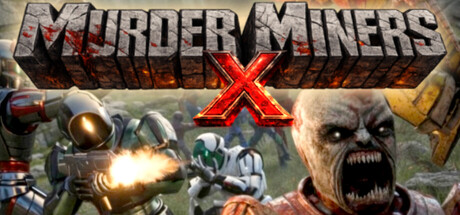
AI tools were used in the creation of this game’s box art.
The Miners and Zombies shown are in-game renders, with AI-assisted post-processing applied to enhance lighting and detail.
The background environment and title text were generated using AI tools.
This AI disclosure was written with the assistance of AI tools.
No generative AI has been used for in-game assets at this time.
For the development of The Bus, AI was used occasionally and to a limited extent as a supportive tool, for example for passenger voices or textures. All content was ultimately reviewed, revised, and integrated into the game by our team.
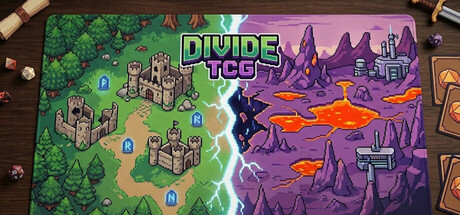
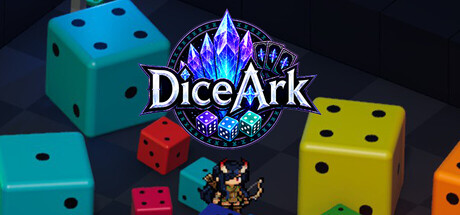
2D Visual Assets: All in-game card illustrations—including the retro pixel art items, weapons, and relics and any images, as well as the main "Divide TCG" promotional logo art, were pre-generated using AI image generation tools.
Code and UI Assistance: AI text models were used as a collaborative programming assistant to help write, structure, and troubleshoot the game's HTML and CSS user interface, including the card binder layouts, responsive grids, and visual effects.
Marketing Copy: AI text models were utilized to help draft and refine portions of the text and descriptions found on this Steam store page.
Some visual assets, music, voice-related assets, code assistance, and promotional materials for this game were created with the assistance of generative AI tools, then reviewed, edited, and integrated by the developer before release.
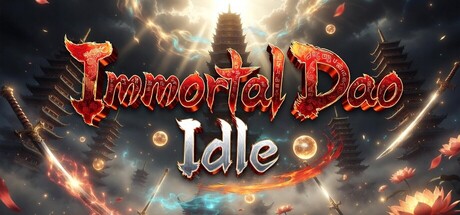
I love Xianxia/Wuxia light novels and I've looked everywhere for a good cultivation idler. When I couldn't find out, I decided to make one, but since I'm not a coder/videographer/digital animator etc I used AI for the artwork creation and used my background in IT to get AI to create the backend code.
Some temporary art and sound assets were created with the assistance of AI. These are placeholder assets used to help prototype the game and will be replaced with original content in future updates.
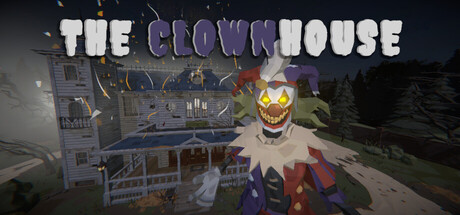
Some scripts, documentation, and marketing texts in The Clownhouse were created with the assistance of AI-based tools. All AI-generated content has been reviewed, edited, and approved by the development team to ensure quality and consistency with the game's vision.
No AI-generated art, sound, music, or voice acting is used in this game. All visual assets, audio, and core creative content were made by humans.
Artificial Intelligence tools (LLMs) were used strictly and exclusively to assist in the translation of interface texts and menus into multiple languages, allowing the game to be accessible to more people. Everything else in the game: art, 3D models, textures, sounds, music, game design, and programming, was 100% created by humans, with absolutely no AI generation.
I use AI tools to assist with code generation, brainstorming, and text proofreading during development. Additionally, generative AI is used to create some of the texture assets used in the game.
VoxelNova uses generative AI tools during development to assist with certain placeholder assets and early-stage content creation. All in-game content is reviewed, edited, and integrated manually to ensure quality and consistency.
Promotional artwork and screenshots on the store page were created with AI image generation tools. The game itself is handcrafted and does not use AI-generated content.
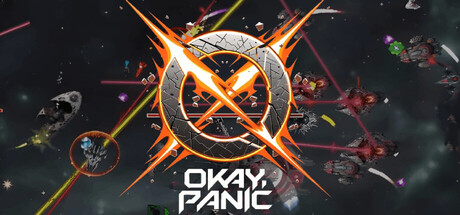
Unfortunately I'm very bad at drawing, so I used Gen AI to create graphical resources for pilots, Mephisto heads, crew images, ships sprites and background images.
Some of the game's art, audio, video and code logic were developed with the assistance of AI tools. All AI-assisted content has been manually reviewed and modified by the developer to ensure quality and creative integrity.
This game uses generative AI in parts of the development process. Claude was used for programming assistance, ChatGPT Images for creating and refining some visual assets, and Suno for producing some music.
All AI-assisted content was reviewed, selected, and modified as necessary by the developer before being included in the game.
The game does not generate content or code with AI during gameplay and does not connect to external AI services.
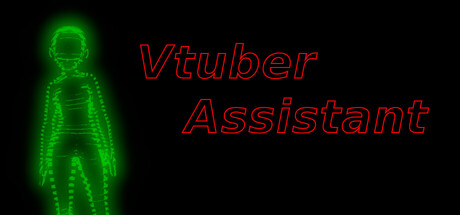
Vtuber Assistant uses generative AI to create live text responses and voice output as a customizable co-host companion. It reacts to your voice/text input, screen audio/visuals, and Twitch chat with fun, contextual commentary.
All core functionality runs through a secure built-in proxy by default (Grok + ElevenLabs integration) — no external API keys or setup required to use the app. Free limited daily uses are included.
Optional premium features (unlimited generations, premium voices) are handled via Steam microtransactions (AI Credits packs). Local fallback models (bundled SmolLM2 + Piper TTS) provide offline functionality when needed.
Twitch chat integration is read-only — the AI consumes incoming messages and produces in-app responses only.
All outputs are moderated by a built-in Safety Guard to help prevent inappropriate content.
This game uses AI-generated visual content in both the store page and in-game assets. Specifically: store page artwork (header, capsule images, and screenshots backgrounds), in-game character sprites, enemy sprites, background art, visual effects, item icons, and sprite-based animations were created with the assistance of AI image generation tools. All AI-generated content was reviewed, selected, edited, and refined by the development team to fit the game's art style. No AI-generated content is produced during gameplay — all assets are pre-rendered and curated before distribution.
Generative AI was used in a limited and supportive way during development. AI tools were utilized to help draft and refine parts of the store page description, and to assist in editing or enhancing some visual assets for presentation and marketing purposes.
AI coding assistants were used during development to help write and debug game code. All game content — visuals, audio, color palettes, recipes, and gameplay mechanics — is procedurally generated by the game's own algorithms, not by generative AI.
AI tools were used during the early concept phase of some character designs.
All AI-generated elements were manually refined, edited, and integrated by the developer to fit the game’s artistic style and vision.
No gameplay systems, mechanics, code, or narrative content were generated by AI.
Some icons and UI elements in this game were generated using AI tools. Most other game assets were either purchased from the Asset Store or created by us.
AI was used to generate content that ships with the game:
- NPC portrait artwork (AI-generated illustrations)
- Localization / translation assistance
- Marketing copy and store page text
Generative AI Disclosure:
In the development of PredaDeck, we have utilized generative AI tools to enhance the gaming experience and ensure high-quality content:
Visual Assets: Some sprites and environmental art elements were generated or refined using AI to maintain a vibrant and diverse ecosystem.
Scripts & Narrative: AI tools assisted in drafting certain gameplay scripts and refining in-game dialogue to ensure consistency and creative depth.
Localization & Text: AI was used to assist in translating game text into multiple languages and polishing descriptions to ensure clarity for players worldwide.
All AI-generated content has been manually reviewed, edited, and integrated by our team to ensure it meets our creative standards and copyright requirements.
Generative AI was used during development for early ideation (e.g., concept exploration and/or placeholder text). Any content shipped in the game is reviewed, curated, and edited by the developer.
Store page capsule images and promotional art created with AI assistance
The store graphic and some portions of the code scaffolding were supported by pregenerative and iterative processes. All content was reviewed and adapted to ensure originality and quality.
A single 3D model in the game was initially generated using an AI-assisted tool during early development. This asset was extensively modified, refined, and finalized manually using 3D software by the developer.
No AI is used during gameplay, and the game does not generate any content in real-time.
AI tools were used in the creation of this game’s box art.
The Miners and Zombies shown are in-game renders, with AI-assisted post-processing applied to enhance lighting and detail.
The background environment and title text were generated using AI tools.
This AI disclosure was written with the assistance of AI tools.
No generative AI has been used for in-game assets at this time.
For the development of The Bus, AI was used occasionally and to a limited extent as a supportive tool, for example for passenger voices or textures. All content was ultimately reviewed, revised, and integrated into the game by our team.
2D Visual Assets: All in-game card illustrations—including the retro pixel art items, weapons, and relics and any images, as well as the main "Divide TCG" promotional logo art, were pre-generated using AI image generation tools.
Code and UI Assistance: AI text models were used as a collaborative programming assistant to help write, structure, and troubleshoot the game's HTML and CSS user interface, including the card binder layouts, responsive grids, and visual effects.
Marketing Copy: AI text models were utilized to help draft and refine portions of the text and descriptions found on this Steam store page.
Some visual assets, music, voice-related assets, code assistance, and promotional materials for this game were created with the assistance of generative AI tools, then reviewed, edited, and integrated by the developer before release.
I love Xianxia/Wuxia light novels and I've looked everywhere for a good cultivation idler. When I couldn't find out, I decided to make one, but since I'm not a coder/videographer/digital animator etc I used AI for the artwork creation and used my background in IT to get AI to create the backend code.
Some temporary art and sound assets were created with the assistance of AI. These are placeholder assets used to help prototype the game and will be replaced with original content in future updates.
Some scripts, documentation, and marketing texts in The Clownhouse were created with the assistance of AI-based tools. All AI-generated content has been reviewed, edited, and approved by the development team to ensure quality and consistency with the game's vision.
No AI-generated art, sound, music, or voice acting is used in this game. All visual assets, audio, and core creative content were made by humans.
Artificial Intelligence tools (LLMs) were used strictly and exclusively to assist in the translation of interface texts and menus into multiple languages, allowing the game to be accessible to more people. Everything else in the game: art, 3D models, textures, sounds, music, game design, and programming, was 100% created by humans, with absolutely no AI generation.
I use AI tools to assist with code generation, brainstorming, and text proofreading during development. Additionally, generative AI is used to create some of the texture assets used in the game.
VoxelNova uses generative AI tools during development to assist with certain placeholder assets and early-stage content creation. All in-game content is reviewed, edited, and integrated manually to ensure quality and consistency.
Promotional artwork and screenshots on the store page were created with AI image generation tools. The game itself is handcrafted and does not use AI-generated content.
Unfortunately I'm very bad at drawing, so I used Gen AI to create graphical resources for pilots, Mephisto heads, crew images, ships sprites and background images.
Some of the game's art, audio, video and code logic were developed with the assistance of AI tools. All AI-assisted content has been manually reviewed and modified by the developer to ensure quality and creative integrity.
This game uses generative AI in parts of the development process. Claude was used for programming assistance, ChatGPT Images for creating and refining some visual assets, and Suno for producing some music.
All AI-assisted content was reviewed, selected, and modified as necessary by the developer before being included in the game.
The game does not generate content or code with AI during gameplay and does not connect to external AI services.
Vtuber Assistant uses generative AI to create live text responses and voice output as a customizable co-host companion. It reacts to your voice/text input, screen audio/visuals, and Twitch chat with fun, contextual commentary.
All core functionality runs through a secure built-in proxy by default (Grok + ElevenLabs integration) — no external API keys or setup required to use the app. Free limited daily uses are included.
Optional premium features (unlimited generations, premium voices) are handled via Steam microtransactions (AI Credits packs). Local fallback models (bundled SmolLM2 + Piper TTS) provide offline functionality when needed.
Twitch chat integration is read-only — the AI consumes incoming messages and produces in-app responses only.
All outputs are moderated by a built-in Safety Guard to help prevent inappropriate content.
This game uses AI-generated visual content in both the store page and in-game assets. Specifically: store page artwork (header, capsule images, and screenshots backgrounds), in-game character sprites, enemy sprites, background art, visual effects, item icons, and sprite-based animations were created with the assistance of AI image generation tools. All AI-generated content was reviewed, selected, edited, and refined by the development team to fit the game's art style. No AI-generated content is produced during gameplay — all assets are pre-rendered and curated before distribution.
Generative AI was used in a limited and supportive way during development. AI tools were utilized to help draft and refine parts of the store page description, and to assist in editing or enhancing some visual assets for presentation and marketing purposes.
AI coding assistants were used during development to help write and debug game code. All game content — visuals, audio, color palettes, recipes, and gameplay mechanics — is procedurally generated by the game's own algorithms, not by generative AI.
AI tools were used during the early concept phase of some character designs.
All AI-generated elements were manually refined, edited, and integrated by the developer to fit the game’s artistic style and vision.
No gameplay systems, mechanics, code, or narrative content were generated by AI.
Some icons and UI elements in this game were generated using AI tools. Most other game assets were either purchased from the Asset Store or created by us.
AI was used to generate content that ships with the game:
- NPC portrait artwork (AI-generated illustrations)
- Localization / translation assistance
- Marketing copy and store page text
Generative AI Disclosure:
In the development of PredaDeck, we have utilized generative AI tools to enhance the gaming experience and ensure high-quality content:
Visual Assets: Some sprites and environmental art elements were generated or refined using AI to maintain a vibrant and diverse ecosystem.
Scripts & Narrative: AI tools assisted in drafting certain gameplay scripts and refining in-game dialogue to ensure consistency and creative depth.
Localization & Text: AI was used to assist in translating game text into multiple languages and polishing descriptions to ensure clarity for players worldwide.
All AI-generated content has been manually reviewed, edited, and integrated by our team to ensure it meets our creative standards and copyright requirements.
Generative AI was used during development for early ideation (e.g., concept exploration and/or placeholder text). Any content shipped in the game is reviewed, curated, and edited by the developer.
Store page capsule images and promotional art created with AI assistance
The store graphic and some portions of the code scaffolding were supported by pregenerative and iterative processes. All content was reviewed and adapted to ensure originality and quality.
A single 3D model in the game was initially generated using an AI-assisted tool during early development. This asset was extensively modified, refined, and finalized manually using 3D software by the developer.
No AI is used during gameplay, and the game does not generate any content in real-time.