Public Steam disclosure research26,742 disclosures tracked
Where do games disclose AI use?
Search developers’ Steam disclosures, compare classified AI use across
games, and follow recorded changes.
This index adds cross-game classifications and statistics to
statements published on individual store pages.
Groups reflect automatic analysis of public disclosures; mature records are excluded. These counts do not measure AI use across all of Steam.
Missing or unclear statements cannot establish whether a game uses AI.
Some visual assets used in the game and on this Steam page were created with the assistance of AI-generated imagery. These elements have been significantly modified and manually edited to align with the game's overall art direction and art style.
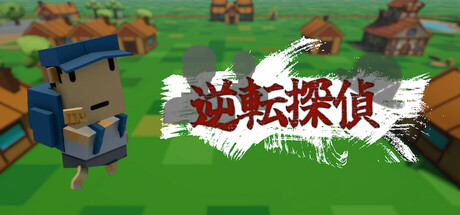
In this game, conversations with NPCs are powered by generative AI.
You can freely ask questions to villagers, and their responses are dynamically generated by AI on the spot.
Each character’s personality and background knowledge of the mystery are taken into account, allowing for natural dialogue and unique testimonies.
All AI-generated responses are carefully restricted to stay consistent with the game’s world and narrative, ensuring the mystery remains coherent and immersive.
Talking to AI characters is a key part of solving the case — gather clues, uncover keywords, and enjoy the thrill of free-form deduction as you get closer to the truth.
Some visual assets (such as the logo and a few textures), as well as the store page summary, were created using generative AI tools. No generative AI is used in real-time gameplay.
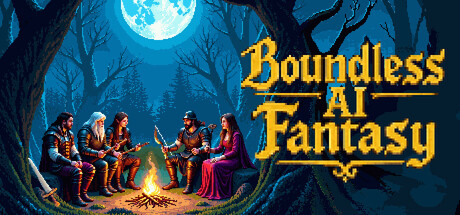
The game leverages AI to produce in-game text on the fly (character inner monologues, dialogue, and scene descriptions) while also powering gameplay decision-making.
In order to create better backgrounds and focus on the core parts of the game, we used AI to help create some of the backgrounds and props in the game. After the AI generates these images, our artists still need to make detailed modifications to them to ensure that the style of the backgrounds and props matches the environment, worldview, UI, and characters drawn by our talented artists.
This game includes limited content generated using artificial intelligence.
Only certain image assets (such as logos and interface elements) and some text translations were created with AI tools.
The entire game design, structure, and all 3D models were fully created by human.
No AI-generated content includes real people or synthetic voices. All AI-generated elements have been reviewed and integrated in an ethical and transparent manner.
Embedded LLM for generating lore friendly Daily Journal based on event happening in the Outpost.
Might contains placeholder assets created during prototype to be replaced later during development.
AI-assisted tools were used to upscale and enhance some in-game textures, to help add visual detail to the original artwork. All final assets were artist-reviewed and then integrated by the development team
The game's music, art, and shader assets are supported by generative artificial intelligence.
Pee Wee the Polka Dotted Pig and his jingle are copyright of PineyWoods Corner, LLC. Music and imagery is used with permission.
Certain marketing and store materials were partially assisted by generative AI tools to support the solo development process. All in-game visuals and assets were created manually by artists, reflecting genuine human artistry and design.
Some of the game's visual assets—such as expedition events and rewards—were assisted by AI during creation and carefully refined by human to deliver a rich and engaging adventure experience for players.
All map visuals were initially created using AI tools for concept generation. These were then heavily edited and stylized manually to match the game's final silhouette-based design. No real-time AI is used during gameplay.
Some of the game's and store's visual content was initially created using AI, with significant rework and editing by myself. This content is intended to be replaced in future versions once there's a budget for a professional illustrator.
This game uses generative AI to create Japanese voiceovers and some logo designs. All AI-generated content was reviewed and approved by the developer to ensure it fits the game’s tone and quality standards.