Public Steam disclosure research25,508 disclosures tracked
Where do games disclose AI use?
Search developers’ Steam disclosures, compare classified AI use across
games, and follow recorded changes.
This index adds cross-game classifications and statistics to
statements published on individual store pages.
Groups reflect automatic analysis of public disclosures; mature records are excluded. These counts do not measure AI use across all of Steam.
Missing or unclear statements cannot establish whether a game uses AI.
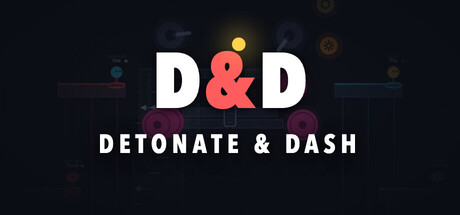
Some marketing materials for this game were made with generative AI: the trailer's narration uses an AI text-to-speech voice, and parts of this store page were drafted with AI assistance.
Nothing inside the game is AI-generated. The soundtrack is human-composed music licensed for commercial use, all artwork and logos are drawn programmatically by the game's own code, and every screenshot is captured from real gameplay. The game generates no AI content while you play.
This whole game exists because I wondered whether, with these tools, I could actually make one.
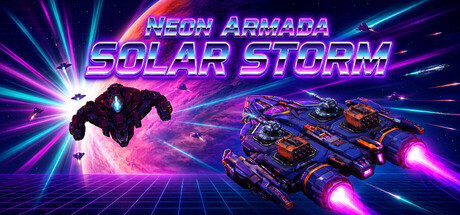
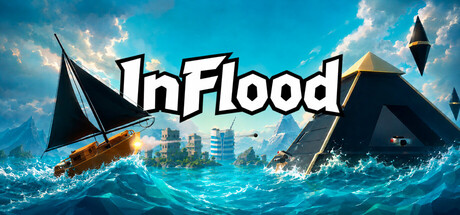
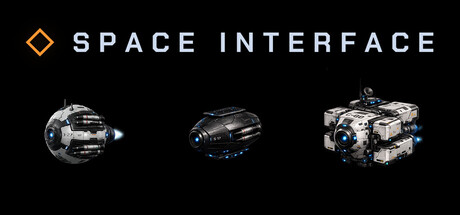
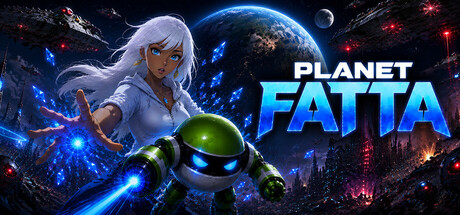
Generative AI tools were used to create assets that ship with the game. The 3D ship and enemy models were generated with Meshy AI from my own 2D concept art, and AI tools assisted with in-game text, audio, and parts of the store page and marketing materials.
The design, code and balance are mine — the wave generation, the ship and weapon tuning, the modification link-set system, the campaign structure. Seventeen worlds' worth of hand-tuned numbers.
I'm a solo developer with a full-time job and three kids. The answer to the question turned out to be yes, and this is it.
Some 3D assets in this game were created with the help of AI generation tools, then edited, retextured and integrated by hand. Parts of the written text, including store page copy and in-game text translations, were drafted with AI assistance and reviewed by the developer. No content is generated live while you play, and no AI-generated voice acting is used. Everything is created and checked before release.
This game uses generative AI in the creation of some graphics, text, and English localization. All AI-generated content has been reviewed and edited by the developer before being used.
No generative AI content is created during gameplay.
Some of the art and audio assets in this game were created with the assistance of generative AI tools. Specifically, certain 3D models, UI icons, and background music tracks were generated using AI and then reviewed, edited, and integrated by the developer. No AI-generated content is created live during gameplay.
Generative AI tools were used as an editorial and localization assistant for some written content in the game and on the Steam store page. All such text is reviewed, revised, and approved by the development team. The game does not use generative AI at runtime.
This game uses generative artificial intelligence in part to improve development efficiency.
It is primarily utilized to assist with programming implementation and development tasks, as well as for generating BGM melodies and assisting in the creation of in-game messages.
However, all final decisions regarding game specifications and quality control are made by the developer, and only AI-generated content that has been reviewed and adjusted by human hands is used.
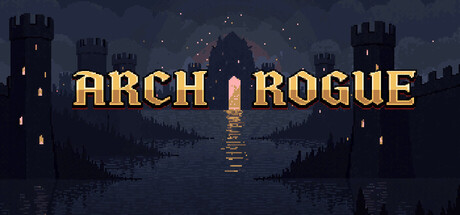
Arch Rogue was developed with extensive use of generative AI. Most of the game's code was written with AI assistance. The pixel-art sprites, tiles, animations, and store artwork were created with AI image-generation tools and then curated and integrated by the developer. Dialogue, quest text, and lore were AI-generated from developer-designed prompts and story structure. All AI content is created during development, not at runtime — the game does not generate any content with AI at runtime.
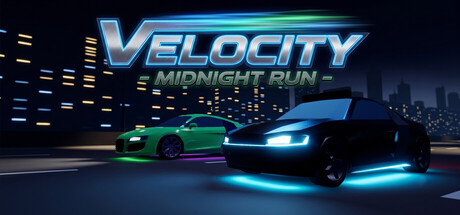
Generative AI was used to assist in creating certain promotional artwork and the game's logo/title. These assets were manually edited, composited, and refined by the developer. All gameplay, code, vehicles, environments, UI, level design, and core game content were created manually by the developer.
I used Grok CLI for coding and all sprite generation. I use AI to debug.
There are AI generated videos in the tutorial sections.
AI was used to implement sound and music as well as menu assets and backgrounds.
No AI LLM is in the game. There is no real time AI asset generation or LLM streaming.
Generative tools were used during development to assist in creating selected pre-generated visual assets.All AI-assisted content was reviewed, edited, and integrated by the developer.
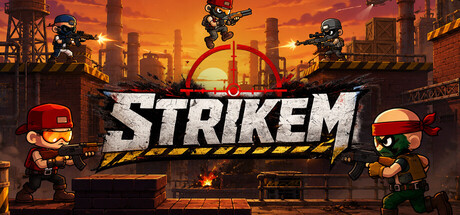
STRIKEM uses generative AI for some illustrated background art only. All gameplay sprites — characters, enemies, and tilesets — were hand-created without AI. All assets are pre-generated; nothing is AI-generated at runtime.
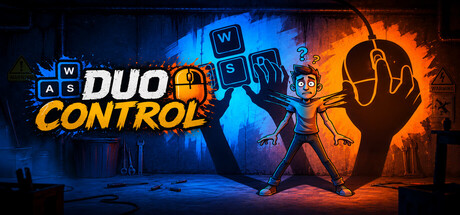
Some visual assets and promotional artwork used in DuoControl were created or assisted using generative AI and were further refined by our development team. No generative AI is used during gameplay, and players cannot generate AI content within the game.
During the development of this game, we utilized generative AI tools to assist in the following areas:
Code Development: Portions of game logic and system code were generated with AI assistance. All AI-generated code has been manually reviewed, adjusted, and integrated into the final product to ensure stability and performance.
Multilingual Text Translation (English): The English localization—including UI, dialogues, and prompts—was initially drafted using AI translation. These drafts were then proofread and polished by professional translators to ensure natural language flow and cultural appropriateness.
All AI-generated content has undergone rigorous human review and testing to meet our quality standards and deliver a great player experience. If you have any questions, please feel free to contact the developers.
Generative AI was utilized to compose the background music for this game. I instructed the AI to use string instruments, explained the overall mood of the game, and requested royalty-free music
AI tools were used to create certain loading screen images, background music and music for the game trailer. All of these Assets were reviewed and modified as necessary to ensure they comply with copyright and content guidelines.
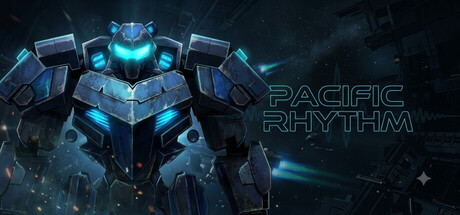
Some of the 2D artwork in this game — the enemy kaiju, the player mech, the title logo, and the result screen background — was created using generative AI image tools, then selected, edited, and integrated by the developers. Music and sound effects are not AI-generated; they are human-composed tracks and recorded sounds. All AI-generated content is pre-rendered and shipped as fixed assets. The game does not generate any content with AI at runtime.
Parts of this game's assets were produced with the help of generative AI tools, then reviewed and edited by the developer before being included.
This applies to:
- Character and background artwork, UI art, and store/marketing images
- Portions of the dialogue text
- Translation into English, Simplified Chinese, Traditional Chinese, Korean, and Spanish
The game does not generate any content while you play, and it never connects to an external AI service. Everything you see and hear ships with the build.
As an indie dev, I leveraged AI to create this game. Some voices are AI-generated. Concept art was generated for inspiration and then built from scratch.
The drone images on the website and Steam game page, (not used in the actual game), were generated by AI. The Symbology of the in-game tactical display was generated by AI under close human supervision and iteration. The music in this game was not generated by AI.
The cinematic artworks were created using AI and are based on my own concept sketches. They were used to reinforce the emotional atmosphere and my vision of the game world, while the game itself is designed entirely in hand-drawn pixel art.
AI was used for programming
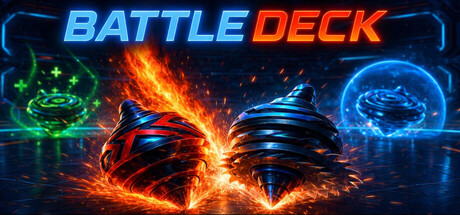
BattleDeck uses AI tools in the following areas:
Artwork, audio and as a development assistant during coding. All AI generated content has been reviewed and refined by the developer.
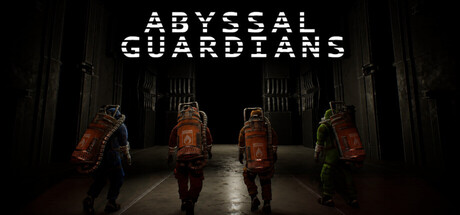
All voice content in Abyssal Guardians is recorded using actor's real voices but some content might be modified with AI to achieve certain styles that match our game.
I am a solo developer with a very limited budget. The announcer voice lines are AI generated. I plan on replacing it completely with a human voice actor when I have the budget to do so.
Generative AI tools were used during the development of this game in the following ways:
- Art creation: AI was used to assist in generating and refining visual art assets.
- Mathematical computations: AI was used to perform complex mathematical calculations and to derive equations used in the game's systems.
All AI-generated content was reviewed and integrated by the development team.
I used generative AI tools to help create some of the game's art — including certain UI elements (buttons and icons), backgrounds, story illustrations, and marketing images — which I then edited and finished by hand in Photoshop.
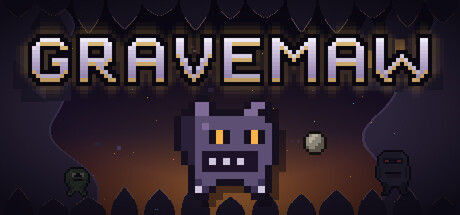
Gravemaw's music was generated with Suno AI and its sound effects with
Stable Audio Open, then edited by hand — trimmed, loop-pointed and mixed —
before being placed in the game. Some store and marketing artwork was also
produced with AI assistance.
Every generated asset was reviewed by the developer before shipping. Nothing
is generated while you play: the game runs fully offline and all content is
baked into the build.
Generative AI tools were used during development to assist with some promotional artwork and written content. All AI-assisted material was reviewed and edited by the developer before inclusion. Apple Catcher does not use generative AI at runtime, and no content is generated during gameplay.
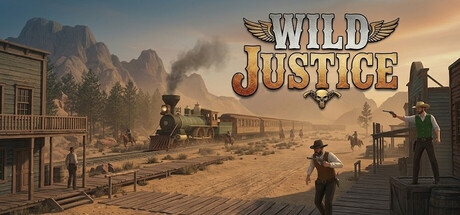
Generative AI tools were used during development to assist in creating pre-rendered 2D artwork and graphical assets (including cowboy character portraits and background visuals), as well as generating select background music tracks for the game.
During the development process, I use procedural and AI-based tools to assist with content creation. In all such cases, the final product reflects my own creativity and vision as a solo developer. Examples include utilizing AI tools to help generate and refine certain textures and 3D models in the game.
This game uses AI-generated tools as part of its development, including AI-assisted voice lines and background music. All AI-generated content was reviewed and curated by the developer.
Generative AI tools (ChatGPT Image Generation / DALL-E) were used during development to generate concepts and visual marketing assets, including some store page banners and promotional artwork. All core gameplay pixel-art, character animations, sound design, and code were created manually by the developer.
Some marketing materials for this game were made with generative AI: the trailer's narration uses an AI text-to-speech voice, and parts of this store page were drafted with AI assistance.
Nothing inside the game is AI-generated. The soundtrack is human-composed music licensed for commercial use, all artwork and logos are drawn programmatically by the game's own code, and every screenshot is captured from real gameplay. The game generates no AI content while you play.
This whole game exists because I wondered whether, with these tools, I could actually make one.
Generative AI tools were used to create assets that ship with the game. The 3D ship and enemy models were generated with Meshy AI from my own 2D concept art, and AI tools assisted with in-game text, audio, and parts of the store page and marketing materials.
The design, code and balance are mine — the wave generation, the ship and weapon tuning, the modification link-set system, the campaign structure. Seventeen worlds' worth of hand-tuned numbers.
I'm a solo developer with a full-time job and three kids. The answer to the question turned out to be yes, and this is it.
Some 3D assets in this game were created with the help of AI generation tools, then edited, retextured and integrated by hand. Parts of the written text, including store page copy and in-game text translations, were drafted with AI assistance and reviewed by the developer. No content is generated live while you play, and no AI-generated voice acting is used. Everything is created and checked before release.
This game uses generative AI in the creation of some graphics, text, and English localization. All AI-generated content has been reviewed and edited by the developer before being used.
No generative AI content is created during gameplay.
Some of the art and audio assets in this game were created with the assistance of generative AI tools. Specifically, certain 3D models, UI icons, and background music tracks were generated using AI and then reviewed, edited, and integrated by the developer. No AI-generated content is created live during gameplay.
Generative AI tools were used as an editorial and localization assistant for some written content in the game and on the Steam store page. All such text is reviewed, revised, and approved by the development team. The game does not use generative AI at runtime.
This game uses generative artificial intelligence in part to improve development efficiency.
It is primarily utilized to assist with programming implementation and development tasks, as well as for generating BGM melodies and assisting in the creation of in-game messages.
However, all final decisions regarding game specifications and quality control are made by the developer, and only AI-generated content that has been reviewed and adjusted by human hands is used.
Arch Rogue was developed with extensive use of generative AI. Most of the game's code was written with AI assistance. The pixel-art sprites, tiles, animations, and store artwork were created with AI image-generation tools and then curated and integrated by the developer. Dialogue, quest text, and lore were AI-generated from developer-designed prompts and story structure. All AI content is created during development, not at runtime — the game does not generate any content with AI at runtime.
Generative AI was used to assist in creating certain promotional artwork and the game's logo/title. These assets were manually edited, composited, and refined by the developer. All gameplay, code, vehicles, environments, UI, level design, and core game content were created manually by the developer.
I used Grok CLI for coding and all sprite generation. I use AI to debug.
There are AI generated videos in the tutorial sections.
AI was used to implement sound and music as well as menu assets and backgrounds.
No AI LLM is in the game. There is no real time AI asset generation or LLM streaming.
Generative tools were used during development to assist in creating selected pre-generated visual assets.All AI-assisted content was reviewed, edited, and integrated by the developer.
STRIKEM uses generative AI for some illustrated background art only. All gameplay sprites — characters, enemies, and tilesets — were hand-created without AI. All assets are pre-generated; nothing is AI-generated at runtime.
Some visual assets and promotional artwork used in DuoControl were created or assisted using generative AI and were further refined by our development team. No generative AI is used during gameplay, and players cannot generate AI content within the game.
During the development of this game, we utilized generative AI tools to assist in the following areas:
Code Development: Portions of game logic and system code were generated with AI assistance. All AI-generated code has been manually reviewed, adjusted, and integrated into the final product to ensure stability and performance.
Multilingual Text Translation (English): The English localization—including UI, dialogues, and prompts—was initially drafted using AI translation. These drafts were then proofread and polished by professional translators to ensure natural language flow and cultural appropriateness.
All AI-generated content has undergone rigorous human review and testing to meet our quality standards and deliver a great player experience. If you have any questions, please feel free to contact the developers.
Generative AI was utilized to compose the background music for this game. I instructed the AI to use string instruments, explained the overall mood of the game, and requested royalty-free music
AI tools were used to create certain loading screen images, background music and music for the game trailer. All of these Assets were reviewed and modified as necessary to ensure they comply with copyright and content guidelines.
Some of the 2D artwork in this game — the enemy kaiju, the player mech, the title logo, and the result screen background — was created using generative AI image tools, then selected, edited, and integrated by the developers. Music and sound effects are not AI-generated; they are human-composed tracks and recorded sounds. All AI-generated content is pre-rendered and shipped as fixed assets. The game does not generate any content with AI at runtime.
Parts of this game's assets were produced with the help of generative AI tools, then reviewed and edited by the developer before being included.
This applies to:
- Character and background artwork, UI art, and store/marketing images
- Portions of the dialogue text
- Translation into English, Simplified Chinese, Traditional Chinese, Korean, and Spanish
The game does not generate any content while you play, and it never connects to an external AI service. Everything you see and hear ships with the build.
As an indie dev, I leveraged AI to create this game. Some voices are AI-generated. Concept art was generated for inspiration and then built from scratch.
The drone images on the website and Steam game page, (not used in the actual game), were generated by AI. The Symbology of the in-game tactical display was generated by AI under close human supervision and iteration. The music in this game was not generated by AI.
The cinematic artworks were created using AI and are based on my own concept sketches. They were used to reinforce the emotional atmosphere and my vision of the game world, while the game itself is designed entirely in hand-drawn pixel art.
AI was used for programming
BattleDeck uses AI tools in the following areas:
Artwork, audio and as a development assistant during coding. All AI generated content has been reviewed and refined by the developer.
All voice content in Abyssal Guardians is recorded using actor's real voices but some content might be modified with AI to achieve certain styles that match our game.
I am a solo developer with a very limited budget. The announcer voice lines are AI generated. I plan on replacing it completely with a human voice actor when I have the budget to do so.
Generative AI tools were used during the development of this game in the following ways:
- Art creation: AI was used to assist in generating and refining visual art assets.
- Mathematical computations: AI was used to perform complex mathematical calculations and to derive equations used in the game's systems.
All AI-generated content was reviewed and integrated by the development team.
I used generative AI tools to help create some of the game's art — including certain UI elements (buttons and icons), backgrounds, story illustrations, and marketing images — which I then edited and finished by hand in Photoshop.
Gravemaw's music was generated with Suno AI and its sound effects with
Stable Audio Open, then edited by hand — trimmed, loop-pointed and mixed —
before being placed in the game. Some store and marketing artwork was also
produced with AI assistance.
Every generated asset was reviewed by the developer before shipping. Nothing
is generated while you play: the game runs fully offline and all content is
baked into the build.
Generative AI tools were used during development to assist with some promotional artwork and written content. All AI-assisted material was reviewed and edited by the developer before inclusion. Apple Catcher does not use generative AI at runtime, and no content is generated during gameplay.
Generative AI tools were used during development to assist in creating pre-rendered 2D artwork and graphical assets (including cowboy character portraits and background visuals), as well as generating select background music tracks for the game.
During the development process, I use procedural and AI-based tools to assist with content creation. In all such cases, the final product reflects my own creativity and vision as a solo developer. Examples include utilizing AI tools to help generate and refine certain textures and 3D models in the game.
This game uses AI-generated tools as part of its development, including AI-assisted voice lines and background music. All AI-generated content was reviewed and curated by the developer.
Generative AI tools (ChatGPT Image Generation / DALL-E) were used during development to generate concepts and visual marketing assets, including some store page banners and promotional artwork. All core gameplay pixel-art, character animations, sound design, and code were created manually by the developer.