Public Steam disclosure research25,508 disclosures tracked
Where do games disclose AI use?
Search developers’ Steam disclosures, compare classified AI use across
games, and follow recorded changes.
This index adds cross-game classifications and statistics to
statements published on individual store pages.
Groups reflect automatic analysis of public disclosures; mature records are excluded. These counts do not measure AI use across all of Steam.
Missing or unclear statements cannot establish whether a game uses AI.
This game utilizes generative artificial intelligence tools to assist in the creation of its art assets and partial UI design. All AI-generated content has been manually reviewed, adjusted, and optimized to ensure it aligns with the game's overall artistic style and quality standards, and does not infringe upon any third-party intellectual property rights.
Some artwork and visual assets in this game were created with the assistance of generative AI tools. All audio, including voice recordings, was recorded by humans.
Art assets: Some graphical elements and images were created with the assistance of AI image generation tools, then reviewed and refined by human developers.
All final in-game content has been curated to ensure visual consistency and quality
Description of AI Use:
In this project, Generative AI was used to create promotional artwork, various in-game art assets, and music tracks. Additionally, AI was employed as a coding assistant to help develop and optimize the game's source code. All final outputs have been curated and modified by our development team to meet our creative standards.
Some content in this game was created with the assistance of generative AI tools during development, including certain visual assets, store artwork, capsule art, and text. All AI-assisted content was reviewed, edited, and integrated by the developer to ensure it fits the game’s design and overall player experience.
Some art assets are sourced from the CC0 asset libraries provided by Kenney. Music and sound effects used in the game are sourced from Phat Phrog Studio and ZapSplat.
I used standard agentic tools for things like translation and making simple icons. Some images/effects were created with Stable Diffusion XL Base 1.0 (sd_xl_base_1.0.safetensors). The background music I iterated on with a local ACE-Step setup.
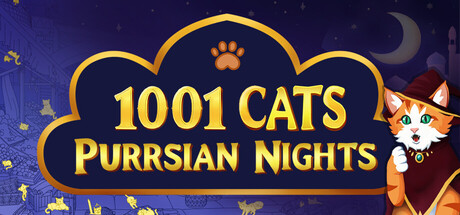
Visual Content: Generative AI was used to create the base visual concepts and illustrations for the puzzles. These images were then manually edited and refined to ensure they fit the historical context and game style.
Programming: AI tools were used to assist in code optimization and the implementation of localization systems.
Marketing: AI assisted in creating graphic assets for the Steam Store page (e.g., store banners).
All AI-assisted content has been carefully reviewed and manually post-processed to ensure quality and compliance with copyright standards.
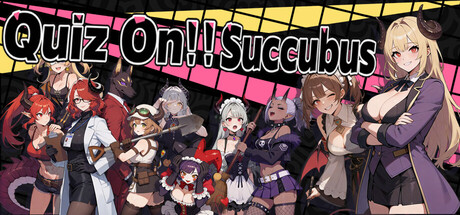
This game uses artificial intelligence to analyze the player's drawings and generate guesses about what the drawing represents. The AI provides descriptive feedback and attempts to identify the object based on the sketch created by the player.
This game utilizes generative AI tools to assist and enhance various aspects of our creative process. Specifically, AI technologies were employed to help design and refine visual artwork, generate dynamic variations of select musical tracks, assist in the editing of specific in-game assets, and support our localization efforts across multiple languages
The images for the steam store were created using concept images, some of which were ai-generated.
And the text for the steam store page was translated using google translate. Except for english, dutch/nederlands, and german/deutsch.
Some of the art assets were made using gen AI and retouched by a human artist.
Some of the translations were made using gen AI and reviewed by a human native speaker.
Generative AI was used during development to help create some game artwork, store page text, translations, capsule images, and marketing materials. All final materials were reviewed, edited, and approved by the developer. No AI-generated content is created during gameplay, and the game does not connect to external AI services while running.
The vast majority of the art and audio assets was manually crafted, planned and designed. Some textures, particle systems and shaders have been generated with the assistance of artificial intelligence.
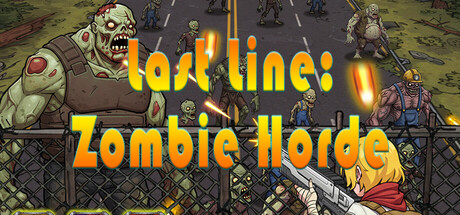
"The game uses AI to control zombie behavior, including movement, attack patterns, and spawning. All AI calculations happen before and during gameplay to create dynamic challenge for players."
Artificial Intelligence tools were utilized during the foundational (base) creation stage for the game's visual assets. All generated outputs were then manually refined, re-processed, and enhanced by our artists through hours of dedicated Photoshop-Photopea work to ensure they align perfectly with the game's unique and original art style. We have utilized AI merely as a 'brush' guided by an artist’s touch; therefore, the resulting visuals should be evaluated as successful illustrations driven by human craftsmanship rather than simple AI-generated products.
Pre-Generated: Source code generated with AI coding assistance (Claude Code by Anthropic), directed and reviewed by the developer. A portion of visual assets generated with AI image tools, edited and integrated by the developer.
Live-Generated: None.
This game uses AI to generate design drafts and sketches for some characters and scenes. All final in-game assets have been manually adjusted, revised, and finalized by the development team. Additionally, some in-game music and voice lines are AI-synthesized, all of which have undergone full manual editing and post-processing by our audio team.
None of the assets seen or heard in the game have been generated by AI, but AI generated images and music have been used when ideating the finished content created by humans.
AI has been used to help in the coding process and localisation, but everything has been always checked (if not created) by at least one human. Localisations usually have been created by one person and checked by another to assure quality of translations.
Agraria is a solo-developed project, and we're upfront that we used Ai as part of our workflow. AI tools were used as part of the production process for some art assets, music, and code assistance, with human design, creation, direction, editing, integration, and final implementation throughout. If that’s a deal-breaker for you, we totally understand!
Some visual assets and UI elements were originally created by a human designer and later refined with the assistance of AI tools to improve clarity and polish.
In addition, some background music was created with the assistance of AI tools and then edited and integrated by the developer.
All final assets were reviewed, modified, and implemented by the development team.
AI is only used to create art assets, backgrounds, and visual materials during the development of the game. It is not used for any in-game mechanics, NPC behaviors, or real-time interactions with players.
Some visual assets (such as promotional images and artwork) were created or enhanced using AI tools. All in-game content and functionality are implemented by the developer.
Some visual assets were generated with the assistance of AI tools, and OpenClaw has been integrated as the underlying logic framework for the NPC companion system.
This game utilizes generative artificial intelligence tools to assist in the creation of its art assets and partial UI design. All AI-generated content has been manually reviewed, adjusted, and optimized to ensure it aligns with the game's overall artistic style and quality standards, and does not infringe upon any third-party intellectual property rights.
Some artwork and visual assets in this game were created with the assistance of generative AI tools. All audio, including voice recordings, was recorded by humans.
Art assets: Some graphical elements and images were created with the assistance of AI image generation tools, then reviewed and refined by human developers.
All final in-game content has been curated to ensure visual consistency and quality
Description of AI Use:
In this project, Generative AI was used to create promotional artwork, various in-game art assets, and music tracks. Additionally, AI was employed as a coding assistant to help develop and optimize the game's source code. All final outputs have been curated and modified by our development team to meet our creative standards.
Some content in this game was created with the assistance of generative AI tools during development, including certain visual assets, store artwork, capsule art, and text. All AI-assisted content was reviewed, edited, and integrated by the developer to ensure it fits the game’s design and overall player experience.
Some art assets are sourced from the CC0 asset libraries provided by Kenney. Music and sound effects used in the game are sourced from Phat Phrog Studio and ZapSplat.
I used standard agentic tools for things like translation and making simple icons. Some images/effects were created with Stable Diffusion XL Base 1.0 (sd_xl_base_1.0.safetensors). The background music I iterated on with a local ACE-Step setup.
Visual Content: Generative AI was used to create the base visual concepts and illustrations for the puzzles. These images were then manually edited and refined to ensure they fit the historical context and game style.
Programming: AI tools were used to assist in code optimization and the implementation of localization systems.
Marketing: AI assisted in creating graphic assets for the Steam Store page (e.g., store banners).
All AI-assisted content has been carefully reviewed and manually post-processed to ensure quality and compliance with copyright standards.
This game uses artificial intelligence to analyze the player's drawings and generate guesses about what the drawing represents. The AI provides descriptive feedback and attempts to identify the object based on the sketch created by the player.
This game utilizes generative AI tools to assist and enhance various aspects of our creative process. Specifically, AI technologies were employed to help design and refine visual artwork, generate dynamic variations of select musical tracks, assist in the editing of specific in-game assets, and support our localization efforts across multiple languages
The images for the steam store were created using concept images, some of which were ai-generated.
And the text for the steam store page was translated using google translate. Except for english, dutch/nederlands, and german/deutsch.
Some of the art assets were made using gen AI and retouched by a human artist.
Some of the translations were made using gen AI and reviewed by a human native speaker.
Generative AI was used during development to help create some game artwork, store page text, translations, capsule images, and marketing materials. All final materials were reviewed, edited, and approved by the developer. No AI-generated content is created during gameplay, and the game does not connect to external AI services while running.
The vast majority of the art and audio assets was manually crafted, planned and designed. Some textures, particle systems and shaders have been generated with the assistance of artificial intelligence.
"The game uses AI to control zombie behavior, including movement, attack patterns, and spawning. All AI calculations happen before and during gameplay to create dynamic challenge for players."
Artificial Intelligence tools were utilized during the foundational (base) creation stage for the game's visual assets. All generated outputs were then manually refined, re-processed, and enhanced by our artists through hours of dedicated Photoshop-Photopea work to ensure they align perfectly with the game's unique and original art style. We have utilized AI merely as a 'brush' guided by an artist’s touch; therefore, the resulting visuals should be evaluated as successful illustrations driven by human craftsmanship rather than simple AI-generated products.
Pre-Generated: Source code generated with AI coding assistance (Claude Code by Anthropic), directed and reviewed by the developer. A portion of visual assets generated with AI image tools, edited and integrated by the developer.
Live-Generated: None.
This game uses AI to generate design drafts and sketches for some characters and scenes. All final in-game assets have been manually adjusted, revised, and finalized by the development team. Additionally, some in-game music and voice lines are AI-synthesized, all of which have undergone full manual editing and post-processing by our audio team.
None of the assets seen or heard in the game have been generated by AI, but AI generated images and music have been used when ideating the finished content created by humans.
AI has been used to help in the coding process and localisation, but everything has been always checked (if not created) by at least one human. Localisations usually have been created by one person and checked by another to assure quality of translations.
Agraria is a solo-developed project, and we're upfront that we used Ai as part of our workflow. AI tools were used as part of the production process for some art assets, music, and code assistance, with human design, creation, direction, editing, integration, and final implementation throughout. If that’s a deal-breaker for you, we totally understand!
Some visual assets and UI elements were originally created by a human designer and later refined with the assistance of AI tools to improve clarity and polish.
In addition, some background music was created with the assistance of AI tools and then edited and integrated by the developer.
All final assets were reviewed, modified, and implemented by the development team.
AI is only used to create art assets, backgrounds, and visual materials during the development of the game. It is not used for any in-game mechanics, NPC behaviors, or real-time interactions with players.
Some visual assets (such as promotional images and artwork) were created or enhanced using AI tools. All in-game content and functionality are implemented by the developer.
Some visual assets were generated with the assistance of AI tools, and OpenClaw has been integrated as the underlying logic framework for the NPC companion system.