Public Steam disclosure research25,508 disclosures tracked
Where do games disclose AI use?
Search developers’ Steam disclosures, compare classified AI use across
games, and follow recorded changes.
This index adds cross-game classifications and statistics to
statements published on individual store pages.
Groups reflect automatic analysis of public disclosures; mature records are excluded. These counts do not measure AI use across all of Steam.
Missing or unclear statements cannot establish whether a game uses AI.
We use generative AI tools to assist with some game audio assets, such as dinosaur sounds and other sound effects, as well as some store page, marketing, and promotional artwork. These assets are reviewed, selected, edited, and integrated by the developer before use. Generative AI is not currently used to create live gameplay content during play.
Some visual and marketing materials for this game were created with the assistance of AI tools. All AI-generated content was reviewed, edited, and integrated by the developer.
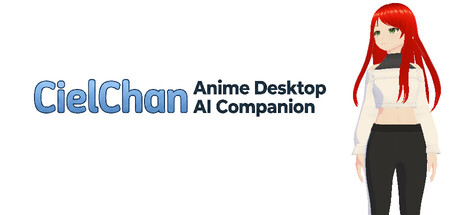
CielChan uses generative AI to create real-time conversation responses and voice synthesis. By default, a local AI model generates text responses, and bundled TTS engines convert those responses to speech directly on your device.
All core functionality is fully available offline, and no internet connection is required to use the application.
Optional cloud-based AI and voice features are available for advanced users. When enabled, these features may send text or audio data to selected third-party providers using user-provided API keys.
The AI model, voice synthesis, and core systems are included in the download, allowing CielChan to function independently offline.
This game uses AI-generated content for background music (BGM) and narration audio only.
All visuals, gameplay mechanics, and written content were created by the development team without the use of generative AI tools.
"This game utilizes generative AI to create temporary placeholders for art assets, which will be replaced by final, custom artwork as development progresses.
This game uses generative AI tools in parts of development:
Music Design
Some background music and sound effects were generated using AI tools, then refined by human composers.
Visual Assets
Certain textures were AI-generated and refined by artists.
Programming Support
AI assisted with debugging and refining portions of the code. All output was reviewed and tested by developers.
No generative AI is used during gameplay, and the game does not generate new AI content at runtime.
Some temporary UI icons and placeholder assets used during development were generated with AI tools. These are non-final assets and will be replaced or refined before the final release. The game does not use any real-time or player-facing generative AI systems.
During the development process, we may use procedural- and AI-based tools to assist with content creation. In all such cases, the final product reflects the creativity and expression of our own development team.
AI tools were used to assist in the creation of some music tracks and visual assets. All AI-generated content was reviewed and refined by the developer.
Generative AI was used to assist with some promotional visuals, such as logo and store page imagery. Tide Fall also includes commercially licensed marketplace assets. All gameplay systems and game development are created and implemented by me
Claude code = Lots of code. Within the game client/server sure, but particularly within our game creation pipeline. It has enabled our artists/unity devs to create their own scripts/tools with blender/unity to streamline our content creation process.
Also, CC used for creating python scripts used for MIDI music composition.
Flux Dev image gen = spell icons.
It did not write this message though :)
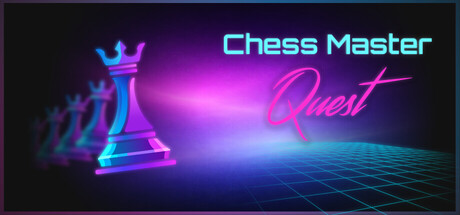
Chess Master Quest was developed by a solo developer with assistance from generative AI tools during development.
• Code: AI coding assistants (GitHub Copilot, Claude) were used to help write and refine parts of the game code. All code was reviewed and tested by the developer.
• Text: AI was used to help draft and edit some in-game text, including puzzle annotations and educational commentary. All text was reviewed and edited by the developer.
No AI-generated visual art or music is used in the game. Chess piece graphics are open-source vector assets. Store capsule images and artwork were created by a professional artist. The chess engine (Stockfish) is traditional software, not generative AI. No content is generated by AI at runtime during gameplay.
Some promotional and visual assets, such as logos or marketing materials, were created with the assistance of generative AI tools. All gameplay systems, mechanics, and core game content were developed manually.
Wallpaper Animator uses generative AI. Your prompt creates a still image, which you can then animate into a looping video. Both run on third-party AI services.
Game descriptions, text translations, and some images (excluding textures) are made with the assistance of artificial intelligence, while all other in-game resources are handmade
We are a small studio with only six people actively involved in development. For teams like ours, generative AI is a supportive tool that helps us realize a creative vision that would otherwise be completely out of reach within our budget.
Here is exactly how we utilized generative AI in our game:
• We used generative AI during the prototyping and concept art phases. Every AI-generated image was manually modified, iterated upon, and finalized by our artist.
• The sea shanties in the game feature AI-generated vocals and music, but the lyrics are original and written by our team.
• Certain voice-over (VO) lines were generated using AI.
This game was developed by a solo developer with the assistance of generative AI tools during production.
AI tools such as ChatGPT were used as a development aid for Unreal Engine guidance, technical explanations, spell-checking, and drafting some in-game text and UI messaging. ChatGPT was also used to generate some placeholder images and audio assets during early development.
Some 3D models and textures were created using AI-assisted tools such as Tripo3D.ai. These assets may be refined, replaced, or improved over time as the project evolves and budget allows.
All gameplay systems, mechanics, design decisions, Blueprint scripting, and overall game implementation were created and assembled by the developer. No AI system autonomously generated gameplay code or core systems.
Additional assets were purchased through the Unreal Engine Fab Marketplace where noted.
AI tools were used strictly as production assistants to support solo development.
Generative AI (LLMs and Image Generation AI) was used in the following development processes:
Translation & Text: AI was used to assist in writing store descriptions and translating in-game text into multiple languages (English, Chinese, etc.).
Graphics: Steam store assets (Capsule images) and Achievement icons were generated using AI.
Some trivia questions were generated with the assistance of AI tools. However, all questions and answers have been manually reviewed, edited, and fact-checked by me before being included.
English (recommended wording)
We used generative AI in a limited way during the development of this app and its store presence.
Store / community assets (store page presentation): We used generative AI tools to create or edit some promotional graphics used on the store page (e.g., capsule images, key art, banners). All final assets were reviewed and edited by the developer before publishing.
Audio (background music): Some in-game background music (BGM) was created with the assistance of generative-AI-based tools. The final audio was reviewed and edited (and where applicable mixed/mastered) by the developer before being included in the game.
Gameplay / features: The game does not include features that generate content for players in real time (e.g., AI chat or player-prompted content generation). The use of AI is limited to asset creation support during development.
Burner Empire uses generative AI in the following ways:
During Development
Some visual assets in the game were created with the assistance of AI image generation tools. These assets were reviewed, curated, and integrated by the development team as part of the game's overall visual design.
In Gameplay
Burner Empire features an AI-driven bot fleet that populates the game world with computer-controlled players. These bots use a combination of scripted decision logic and AI-driven behavior modeling to simulate realistic player activity — cooking drugs, deploying dealers, traveling between districts, and engaging in PvP. The bot fleet exists to ensure the game world feels active and competitive regardless of the current number of human players online.
The bot fleet is not generative AI in the traditional sense — it does not produce text, images, or creative content. It is a behavioral simulation system designed to make the multiplayer environment feel alive during off-peak hours and at launch while the player community grows.
What AI Does Not Do
No generative AI is used to create real-time dialogue, procedurally generate game content during play, or make decisions that affect monetization or player accounts.
Generative AI was used only to create the artwork displayed on the main menu screen. All other content including gameplay assets, UI, audio, and code was produced without generative AI
We use generative AI tools to assist with some game audio assets, such as dinosaur sounds and other sound effects, as well as some store page, marketing, and promotional artwork. These assets are reviewed, selected, edited, and integrated by the developer before use. Generative AI is not currently used to create live gameplay content during play.
Some visual and marketing materials for this game were created with the assistance of AI tools. All AI-generated content was reviewed, edited, and integrated by the developer.
CielChan uses generative AI to create real-time conversation responses and voice synthesis. By default, a local AI model generates text responses, and bundled TTS engines convert those responses to speech directly on your device.
All core functionality is fully available offline, and no internet connection is required to use the application.
Optional cloud-based AI and voice features are available for advanced users. When enabled, these features may send text or audio data to selected third-party providers using user-provided API keys.
The AI model, voice synthesis, and core systems are included in the download, allowing CielChan to function independently offline.
This game uses AI-generated content for background music (BGM) and narration audio only.
All visuals, gameplay mechanics, and written content were created by the development team without the use of generative AI tools.
"This game utilizes generative AI to create temporary placeholders for art assets, which will be replaced by final, custom artwork as development progresses.
This game uses generative AI tools in parts of development:
Music Design
Some background music and sound effects were generated using AI tools, then refined by human composers.
Visual Assets
Certain textures were AI-generated and refined by artists.
Programming Support
AI assisted with debugging and refining portions of the code. All output was reviewed and tested by developers.
No generative AI is used during gameplay, and the game does not generate new AI content at runtime.
Some temporary UI icons and placeholder assets used during development were generated with AI tools. These are non-final assets and will be replaced or refined before the final release. The game does not use any real-time or player-facing generative AI systems.
During the development process, we may use procedural- and AI-based tools to assist with content creation. In all such cases, the final product reflects the creativity and expression of our own development team.
AI tools were used to assist in the creation of some music tracks and visual assets. All AI-generated content was reviewed and refined by the developer.
Generative AI was used to assist with some promotional visuals, such as logo and store page imagery. Tide Fall also includes commercially licensed marketplace assets. All gameplay systems and game development are created and implemented by me
Claude code = Lots of code. Within the game client/server sure, but particularly within our game creation pipeline. It has enabled our artists/unity devs to create their own scripts/tools with blender/unity to streamline our content creation process.
Also, CC used for creating python scripts used for MIDI music composition.
Flux Dev image gen = spell icons.
It did not write this message though :)
Chess Master Quest was developed by a solo developer with assistance from generative AI tools during development.
• Code: AI coding assistants (GitHub Copilot, Claude) were used to help write and refine parts of the game code. All code was reviewed and tested by the developer.
• Text: AI was used to help draft and edit some in-game text, including puzzle annotations and educational commentary. All text was reviewed and edited by the developer.
No AI-generated visual art or music is used in the game. Chess piece graphics are open-source vector assets. Store capsule images and artwork were created by a professional artist. The chess engine (Stockfish) is traditional software, not generative AI. No content is generated by AI at runtime during gameplay.
Some promotional and visual assets, such as logos or marketing materials, were created with the assistance of generative AI tools. All gameplay systems, mechanics, and core game content were developed manually.
Wallpaper Animator uses generative AI. Your prompt creates a still image, which you can then animate into a looping video. Both run on third-party AI services.
Game descriptions, text translations, and some images (excluding textures) are made with the assistance of artificial intelligence, while all other in-game resources are handmade
We are a small studio with only six people actively involved in development. For teams like ours, generative AI is a supportive tool that helps us realize a creative vision that would otherwise be completely out of reach within our budget.
Here is exactly how we utilized generative AI in our game:
• We used generative AI during the prototyping and concept art phases. Every AI-generated image was manually modified, iterated upon, and finalized by our artist.
• The sea shanties in the game feature AI-generated vocals and music, but the lyrics are original and written by our team.
• Certain voice-over (VO) lines were generated using AI.
This game was developed by a solo developer with the assistance of generative AI tools during production.
AI tools such as ChatGPT were used as a development aid for Unreal Engine guidance, technical explanations, spell-checking, and drafting some in-game text and UI messaging. ChatGPT was also used to generate some placeholder images and audio assets during early development.
Some 3D models and textures were created using AI-assisted tools such as Tripo3D.ai. These assets may be refined, replaced, or improved over time as the project evolves and budget allows.
All gameplay systems, mechanics, design decisions, Blueprint scripting, and overall game implementation were created and assembled by the developer. No AI system autonomously generated gameplay code or core systems.
Additional assets were purchased through the Unreal Engine Fab Marketplace where noted.
AI tools were used strictly as production assistants to support solo development.
Generative AI (LLMs and Image Generation AI) was used in the following development processes:
Translation & Text: AI was used to assist in writing store descriptions and translating in-game text into multiple languages (English, Chinese, etc.).
Graphics: Steam store assets (Capsule images) and Achievement icons were generated using AI.
Some trivia questions were generated with the assistance of AI tools. However, all questions and answers have been manually reviewed, edited, and fact-checked by me before being included.
English (recommended wording)
We used generative AI in a limited way during the development of this app and its store presence.
Store / community assets (store page presentation): We used generative AI tools to create or edit some promotional graphics used on the store page (e.g., capsule images, key art, banners). All final assets were reviewed and edited by the developer before publishing.
Audio (background music): Some in-game background music (BGM) was created with the assistance of generative-AI-based tools. The final audio was reviewed and edited (and where applicable mixed/mastered) by the developer before being included in the game.
Gameplay / features: The game does not include features that generate content for players in real time (e.g., AI chat or player-prompted content generation). The use of AI is limited to asset creation support during development.
Burner Empire uses generative AI in the following ways:
During Development
Some visual assets in the game were created with the assistance of AI image generation tools. These assets were reviewed, curated, and integrated by the development team as part of the game's overall visual design.
In Gameplay
Burner Empire features an AI-driven bot fleet that populates the game world with computer-controlled players. These bots use a combination of scripted decision logic and AI-driven behavior modeling to simulate realistic player activity — cooking drugs, deploying dealers, traveling between districts, and engaging in PvP. The bot fleet exists to ensure the game world feels active and competitive regardless of the current number of human players online.
The bot fleet is not generative AI in the traditional sense — it does not produce text, images, or creative content. It is a behavioral simulation system designed to make the multiplayer environment feel alive during off-peak hours and at launch while the player community grows.
What AI Does Not Do
No generative AI is used to create real-time dialogue, procedurally generate game content during play, or make decisions that affect monetization or player accounts.
Generative AI was used only to create the artwork displayed on the main menu screen. All other content including gameplay assets, UI, audio, and code was produced without generative AI