Public Steam disclosure research25,394 disclosures tracked
Where do games disclose AI use?
Search developers’ Steam disclosures, compare classified AI use across
games, and follow recorded changes.
This index adds cross-game classifications and statistics to
statements published on individual store pages.
Groups reflect automatic analysis of public disclosures; mature records are excluded. These counts do not measure AI use across all of Steam.
Missing or unclear statements cannot establish whether a game uses AI.
To focus more effort on refining the script and optimize costs, AI tools have been used to assist in creating background images within the game. These background images are produced through a combination of AI generation and manual refinement, with flaws corrected and style consistency ensured.
Except for the background images, all core content of the game (including character illustrations, music, and the script) is original work created manually, with no AI involved.
> The player’s two robotic companions, the assistant Helena and the radio host, use AI voice synthesis.
> Some visual assets, such as menu art, environmental textures, and achievement icons, were created with the help of AI image generation.
Some of the visuals were generated with the help of Sora AI and then edited by me in Photoshop. Everything else — the music, the text, the story, and the characters — was made by a human. The AI was only used to help with the graphics."
In the process of writing the code, building the game world, as well as creating graphics and publishing the game, hints (as a consultation) from artificial intelligence were used.
Generative AI was used to create text descriptions, translations into different languages, as well as the logo and graphic elements.
Some secondary visual assets in this game were created with the assistance of AI tools. This includes certain in-game illustrations and marketing materials.
This game used generative AI as an assistive tool during development to expand the scope of content production and improve workflow efficiency. The specific areas of use are as follows:
Art: AI was used to create most of the background images that establish the game’s historical atmosphere, to enhance the quality of the main character concept art, to create extra character images, and to produce UI icons. All AI-generated visual assets were retouched and edited by artists to match the game’s direction and visual tone.
Text and Localization: AI was used to draft large volumes of newspaper articles, public reactions, and text used in minigames. AI was also used to assist with proofreading, context checking, and drafting or reviewing some localized text.
All AI-generated or AI-assisted results were reviewed, edited, and adjusted directly by the development team before being used in the game.
Some UI elements in this game (e.g., board visuals, evidence images, etc.) were created using AI tools.
These elements are used solely as visual aids in gameplay, and no AI-generated content was used for the game's main story or text.
This game uses AI to enable real-time conversations and interactions with a desktop companion. It features speech recognition powered by Kyutai ASR, language understanding and generation using Meta’s LLaMA model, and expressive voice responses through Sesame CSM’s text-to-speech system. All AI runs locally on your device, with no internet connection required.
We used generative AI tools to assist in the creation of static artwork such as character portraits, backgrounds, and promotional screenshots. No AI is used in gameplay or live content generation.
This game is primarily hand-drawn and artist-created. A very small number of development assets were lightly assisted with AI tools, but no live AI generation occurs during gameplay. The vast majority of in-game assets, environments, characters, and cinematics are traditionally created by the developer.
Signal Lost uses generative artificial intelligence for pre-generated voiceover lines only.
- The voiceovers are created using ElevenLabs, an AI-based text-to-speech service.
- All AI-generated audio is produced before release, reviewed, and edited by the developer to ensure quality, accuracy, and appropriateness.
- No content is generated live or dynamically during gameplay.
- All other game assets — including art, animations, level design, and code — are created by the developer or sourced from licensed, non-AI stock resources. This ensures full transparency about the use of AI while maintaining complete creative control over the game experience.
The AI-generated content is used only to support narrative delivery, maintain consistent tone, and enhance immersion while respecting copyright and ethical guidelines.
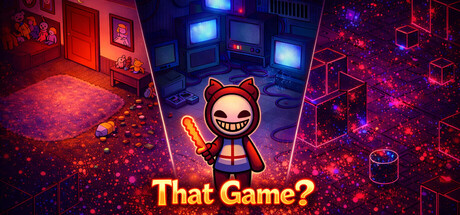
Yes. That Game? uses generative AI (for example ElevenLabs) to create some of the
voice-over lines used in the game. All AI-generated audio is pre-recorded during
development, not generated live while the game is running, and every line is
reviewed and approved by the developer. The game does not allow users to create
their own AI-generated content.
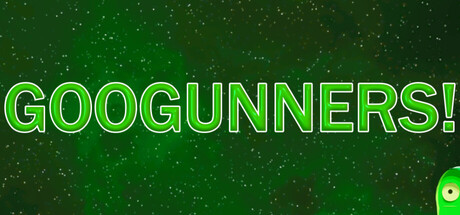
Googunners uses upgrade card art that is generated by Midjourney, and then authored in post.
Outiside of the updgrade cards art, everything else is human created.
The game's development was assisted by AI in specific areas: for upscaling some background textures and for generating visual reference material not used in the final version.
I used AI as a creative assistant during the development of this game — to generate ideas, speed up workflows, and support visual and textual content creation.
Examples include:
– Generating concept art for locations, equipment and magical symbols
– Creating stylized icons and background illustrations in an anime-fantasy style
– Drafting and refining text content (including English descriptions)
– Structuring design ideas
All in-game assets used in the build (models, animations, UI, gameplay systems) were assembled manually using UE5 and legally sourced content.
AI supported the creative process, but did not replace core development work.
Generative AI was utilized during development to create Steam capsule designs, in-game UI assets, and the trailer music. All assets produced using AI are fully owned and licensed for commercial use by us.
Parts of the game's code and design were created with the assistance of generative AI tools (ChatGPT) during development. No AI-generated content is created in real time during gameplay.
Some visual assets, including banners and promotional materials, were created with the assistance of artificial intelligence. All dialogue is generated in real time by artificial intelligence, making each interaction unique and dynamic.
Some in-game illustrations were initially created using AI-generated images to speed up the creative process. These visuals are now progressively being replaced with original artwork by our artists to better match the game’s style. Eventually, all AI-generated images will be removed from the game.
Some of the art is currently generated by AI as I am a solo developer with no experience. All artwork and models will be replaced with authentic ones in the future but for the early development and my lack of skill this was the best option.
Our game features AI-powered character interactions using advanced language models. Players can engage in dynamic, natural conversations with in-game characters, making each experience unique and immersive."
We use AI in early conceptual design, to figure out an appropriate background art. We then go through several iterations manually with artist modifications, to produce a good, highly polished background that gels well with our characters, story and intended art style.
Our characters are hand drawn by humans.
Our objects are hand drawn by humans.
All user interface (UI) elements are hand drawn by humans.
All animations are hand drawn and meticulously rigged (also by humans) using bone animation.
Art: AI assisted with initial sketch concepts; final artwork is entirely hand-crafted.
Localization: AI translation used for initial processing; all text is human-reviewed and optimized.
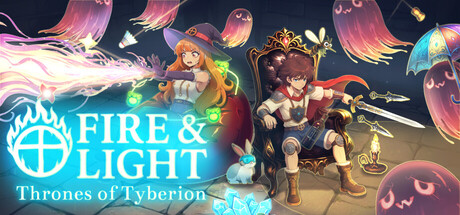
AI makes a lot of things easier for drawing, 3D, animation, code, music... but I don't use AI to avoid having to work, nor in place of my imagination: I create the lore, the character designs, the enemies and bosses, the powers and their combined effects, I write the dialogues myself and even the song lyrics.
In short, I don't use AI to create, but to produce with the means I have (I document all of this in the YouTube devlog.) And the more Tyberion takes shape, the more I replace AI assets with handmade assets.
To focus more effort on refining the script and optimize costs, AI tools have been used to assist in creating background images within the game. These background images are produced through a combination of AI generation and manual refinement, with flaws corrected and style consistency ensured.
Except for the background images, all core content of the game (including character illustrations, music, and the script) is original work created manually, with no AI involved.
> The player’s two robotic companions, the assistant Helena and the radio host, use AI voice synthesis.
> Some visual assets, such as menu art, environmental textures, and achievement icons, were created with the help of AI image generation.
Some of the visuals were generated with the help of Sora AI and then edited by me in Photoshop. Everything else — the music, the text, the story, and the characters — was made by a human. The AI was only used to help with the graphics."
In the process of writing the code, building the game world, as well as creating graphics and publishing the game, hints (as a consultation) from artificial intelligence were used.
Generative AI was used to create text descriptions, translations into different languages, as well as the logo and graphic elements.
Some secondary visual assets in this game were created with the assistance of AI tools. This includes certain in-game illustrations and marketing materials.
This game used generative AI as an assistive tool during development to expand the scope of content production and improve workflow efficiency. The specific areas of use are as follows:
Art: AI was used to create most of the background images that establish the game’s historical atmosphere, to enhance the quality of the main character concept art, to create extra character images, and to produce UI icons. All AI-generated visual assets were retouched and edited by artists to match the game’s direction and visual tone.
Text and Localization: AI was used to draft large volumes of newspaper articles, public reactions, and text used in minigames. AI was also used to assist with proofreading, context checking, and drafting or reviewing some localized text.
All AI-generated or AI-assisted results were reviewed, edited, and adjusted directly by the development team before being used in the game.
Some UI elements in this game (e.g., board visuals, evidence images, etc.) were created using AI tools.
These elements are used solely as visual aids in gameplay, and no AI-generated content was used for the game's main story or text.
This game uses AI to enable real-time conversations and interactions with a desktop companion. It features speech recognition powered by Kyutai ASR, language understanding and generation using Meta’s LLaMA model, and expressive voice responses through Sesame CSM’s text-to-speech system. All AI runs locally on your device, with no internet connection required.
We used generative AI tools to assist in the creation of static artwork such as character portraits, backgrounds, and promotional screenshots. No AI is used in gameplay or live content generation.
This game is primarily hand-drawn and artist-created. A very small number of development assets were lightly assisted with AI tools, but no live AI generation occurs during gameplay. The vast majority of in-game assets, environments, characters, and cinematics are traditionally created by the developer.
Signal Lost uses generative artificial intelligence for pre-generated voiceover lines only.
- The voiceovers are created using ElevenLabs, an AI-based text-to-speech service.
- All AI-generated audio is produced before release, reviewed, and edited by the developer to ensure quality, accuracy, and appropriateness.
- No content is generated live or dynamically during gameplay.
- All other game assets — including art, animations, level design, and code — are created by the developer or sourced from licensed, non-AI stock resources. This ensures full transparency about the use of AI while maintaining complete creative control over the game experience.
The AI-generated content is used only to support narrative delivery, maintain consistent tone, and enhance immersion while respecting copyright and ethical guidelines.
Yes. That Game? uses generative AI (for example ElevenLabs) to create some of the
voice-over lines used in the game. All AI-generated audio is pre-recorded during
development, not generated live while the game is running, and every line is
reviewed and approved by the developer. The game does not allow users to create
their own AI-generated content.
Googunners uses upgrade card art that is generated by Midjourney, and then authored in post.
Outiside of the updgrade cards art, everything else is human created.
The game's development was assisted by AI in specific areas: for upscaling some background textures and for generating visual reference material not used in the final version.
I used AI as a creative assistant during the development of this game — to generate ideas, speed up workflows, and support visual and textual content creation.
Examples include:
– Generating concept art for locations, equipment and magical symbols
– Creating stylized icons and background illustrations in an anime-fantasy style
– Drafting and refining text content (including English descriptions)
– Structuring design ideas
All in-game assets used in the build (models, animations, UI, gameplay systems) were assembled manually using UE5 and legally sourced content.
AI supported the creative process, but did not replace core development work.
Generative AI was utilized during development to create Steam capsule designs, in-game UI assets, and the trailer music. All assets produced using AI are fully owned and licensed for commercial use by us.
Parts of the game's code and design were created with the assistance of generative AI tools (ChatGPT) during development. No AI-generated content is created in real time during gameplay.
Some visual assets, including banners and promotional materials, were created with the assistance of artificial intelligence. All dialogue is generated in real time by artificial intelligence, making each interaction unique and dynamic.
Some in-game illustrations were initially created using AI-generated images to speed up the creative process. These visuals are now progressively being replaced with original artwork by our artists to better match the game’s style. Eventually, all AI-generated images will be removed from the game.
Some of the art is currently generated by AI as I am a solo developer with no experience. All artwork and models will be replaced with authentic ones in the future but for the early development and my lack of skill this was the best option.
Our game features AI-powered character interactions using advanced language models. Players can engage in dynamic, natural conversations with in-game characters, making each experience unique and immersive."
We use AI in early conceptual design, to figure out an appropriate background art. We then go through several iterations manually with artist modifications, to produce a good, highly polished background that gels well with our characters, story and intended art style.
Our characters are hand drawn by humans.
Our objects are hand drawn by humans.
All user interface (UI) elements are hand drawn by humans.
All animations are hand drawn and meticulously rigged (also by humans) using bone animation.
Art: AI assisted with initial sketch concepts; final artwork is entirely hand-crafted.
Localization: AI translation used for initial processing; all text is human-reviewed and optimized.
AI makes a lot of things easier for drawing, 3D, animation, code, music... but I don't use AI to avoid having to work, nor in place of my imagination: I create the lore, the character designs, the enemies and bosses, the powers and their combined effects, I write the dialogues myself and even the song lyrics.
In short, I don't use AI to create, but to produce with the means I have (I document all of this in the YouTube devlog.) And the more Tyberion takes shape, the more I replace AI assets with handmade assets.