Public Steam disclosure research25,508 disclosures tracked
Where do games disclose AI use?
Search developers’ Steam disclosures, compare classified AI use across
games, and follow recorded changes.
This index adds cross-game classifications and statistics to
statements published on individual store pages.
Groups reflect automatic analysis of public disclosures; mature records are excluded. These counts do not measure AI use across all of Steam.
Missing or unclear statements cannot establish whether a game uses AI.
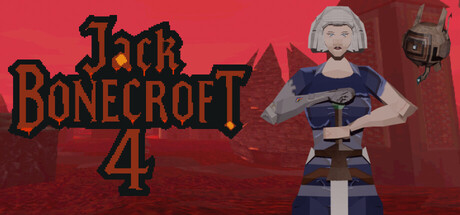
Partially. Galactic Tenebris Company believes in being transparent with the people who play our games. Here is an honest account of where AI tools contributed to this production:
— Some icons and UI elements, including weapon icons
— Organizing and structuring the scenario, narrative documents, and dialogue across the game's four regions
— Translation from Mr. M.'s private family dialect into English.
All 3D models were handcrafted by the developer. No textures were AI-generated. The music and sound effects were composed and not generated by AI tools.
Our position as a company is simple — we use AI only where we have no other means or resources available. Where human craft was possible, human craft was used.
Every creative decision — the story, the world, the characters, the quests, the writing — was made by the developer. The scenario and dialogues were authored by the developer and organised with AI assistance. The foundation of this game is firsthand experience. That part was not written by any tool.
— Mr. M., Owner of Galactic Tenebris Company
Generative AI tools were used to assist with creating promotional artwork. Character artwork used in promotional images is based on the game's actual 3D character models and visual designs. All gameplay screenshots shown on the store page are captured from the actual in-game build and are not AI-generated or composited. The game does not use live generative AI during gameplay, and no gameplay content is generated dynamically by AI while the player is playing.
This game was developed with assistance from generative AI tools. AI was used as a development aid for coding support, gameplay design iteration, text drafting, translations, store descriptions and creative concepting.
All AI-assisted content was reviewed, edited, selected, integrated and tested by the developer. The game does not use generative AI to create new images, audio, text or gameplay content in real time during normal gameplay.
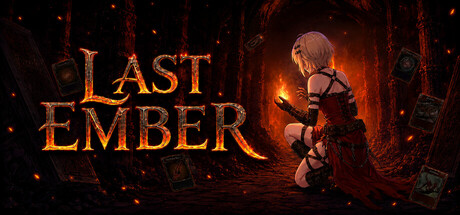
We're a small indie team, and we used generative AI to help make some of the art in Last Ember — card illustrations, backgrounds, character portraits, and a few short animations. We also used it on a handful of sound effects. Everything you see and hear in the game was picked, edited, and signed off by us. The game itself doesn't run any AI while you play — what ships is what you get.
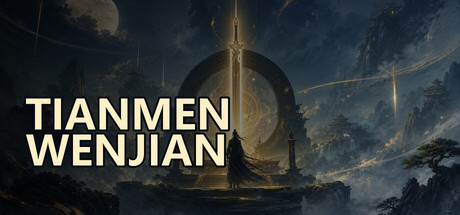
Tianmen Wenjian uses generative AI tools as part of its pre-generated production pipeline. Some final visual assets used in the game presentation, Steam store page, library assets, community assets, icons, and marketing images were created or refined with AI-assisted image generation, then reviewed, edited, cropped, and integrated by the developer.
The game does not use live generative AI during gameplay. Player input is not sent to an AI service, and the game does not generate new AI-created text, images, audio, or other player-facing content at runtime.
This game uses generative AI during parts of development.
Generative AI was used to assist in creating character portraits, event illustrations, some walking graphics, background images, voice, icons, and parts of scripting.
All generated assets and code were reviewed, edited, and adjusted by the developer before implementation.
This game does not include live AI-generated content during gameplay.
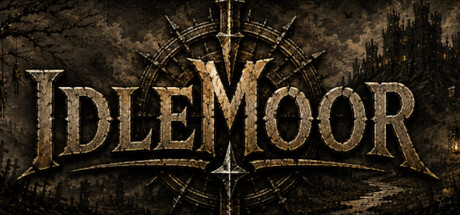
Hey, I'm Isaac, the developer of Idlemoor. The actual game itself does not use any A.I. generated art. The logo images on the store are A.I. generated. This lets me focus on making the actual game, as I am not an artist. A.I. art will not appear in the game itself when you are playing.
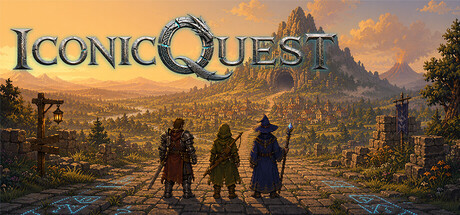
Some music tracks in IconicQuest are generated using AI based on the developer's creative direction and prompts, then curated and edited for in-game use. Some sound effects are generated using AI.
Promotional artwork on the Steam store page (capsule images) was generated with AI image tools as a creative starting point, then edited, composited with hand-crafted typography, and color-corrected by the developer in post-production.
All in-game artwork, character sprites, tiles, environments, UI
elements, and animations, is created entirely by the developer in Aseprite or sourced from art professionals. No AI is used for in-game pixel art.
All in-game text content (quest dialogue, item names, NPC scripts, lore, and tutorials) is written by the developer and AI.
No live AI generation occurs during gameplay. All AI-assisted content is finalized and shipped as static assets.
This game uses generative AI for the following elements during development:
Visual assets (character, tile, and effect images, title screen artwork, and Steam store assets): Nano Banana Pro (Google Gemini 3 Pro Image) and Qwen Image Edit
Map structure and in-game text in general (proper nouns, messages, etc.): Anthropic Claude
All generated assets are reviewed by the developer before use, with care taken to avoid intentional reproduction or imitation of third-party copyrighted works.
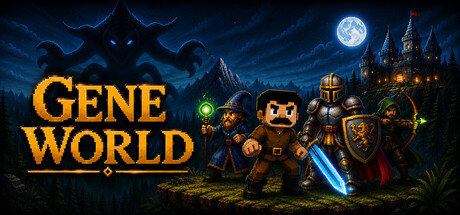
GeneWorld uses generative AI for dynamic NPC interactions and adaptive dialogue systems. NPC responses, quest interactions, trading behavior, and temporary buffs may be generated in real time based on player conversations. All AI-generated content is moderated and restricted from generating inappropriate or harmful content.
This game includes pre-generated AI-assisted assets created during development, including selected background music and some visual art assets. All AI-assisted content was reviewed, curated, and edited by the developer before inclusion in the game. The game does not use live generative AI during gameplay.
Some images in the game are generated by ai. I am aiming to replace these images with hand-drawn images once the game makes enough money to afford artist drawings. Contact me if you volunteer.
This game includes some content created with the assistance of generative AI tools, including limited portions of code and certain visual assets.
All AI‑assisted content has been strictly reviewed, edited, and integrated by the developer to ensure quality, consistency and used only as supportive resources.
Some visual, audio, and creative assets used during development were created or assisted with generative AI tools. All content was reviewed, edited, and integrated into the final game experience by the developer.
Generative AI tools were used as supportive assistance in the creation of certain promotional materials, concept art, temporary text, and marketing content during development.
All final in-game content is manually reviewed, edited, and integrated by the development team.
This game contains pre-generated content created with the assistance of generative AI tools during development.
Some icons were assisted by ChatGPT, some music was assisted by Suno, and some voice content was assisted by IndexTTS.
The game does not use generative AI during gameplay and does not generate text, images, music, voice, or other content in real time based on player input.
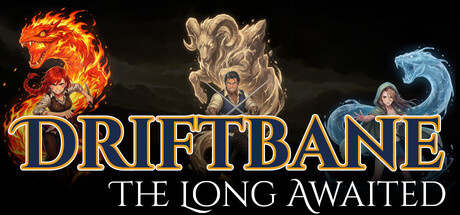
Driftbane: The Long Awaited uses generative AI tools during development for some character art, 3D character base meshes, music tracks, and as a coding assistant. The developer refines, integrates, and curates AI outputs by hand. All creative direction, narrative, design decisions, and gameplay are authored by the developer. No AI content runs at runtime in the game.
Graphics & Art: Original asset concepts, sketches, and draft designs were created by the developer and subsequently rendered or refined using generative AI tools. While the underlying concepts and designs are original creations, generative AI may occasionally produce visual similarities to existing artistic styles or works.
Voice Acting: Character voices and audio narration were generated using ElevenLabs voice synthesis technology and are used in accordance with the applicable licensing and usage terms.
World of Qreatures features a cutting-edge 'Qreature Lab' where players can scan real-world QR codes or breed existing creatures to discover entirely new species.
The game utilizes a custom generative AI pipeline to create these unique assets at runtime, including 3D meshes, textures, procedural audio cries, and combat statistics. Additionally, some wild monsters found in the handcrafted world are pre-generated using this same pipeline and carefully curated by the developer to ensure high-quality gameplay and visual consistency. Every Qreature generated is a unique biological signature within the game's ecosystem.
Partially. Galactic Tenebris Company believes in being transparent with the people who play our games. Here is an honest account of where AI tools contributed to this production:
— Some icons and UI elements, including weapon icons
— Organizing and structuring the scenario, narrative documents, and dialogue across the game's four regions
— Translation from Mr. M.'s private family dialect into English.
All 3D models were handcrafted by the developer. No textures were AI-generated. The music and sound effects were composed and not generated by AI tools.
Our position as a company is simple — we use AI only where we have no other means or resources available. Where human craft was possible, human craft was used.
Every creative decision — the story, the world, the characters, the quests, the writing — was made by the developer. The scenario and dialogues were authored by the developer and organised with AI assistance. The foundation of this game is firsthand experience. That part was not written by any tool.
— Mr. M., Owner of Galactic Tenebris Company
Generative AI tools were used to assist with creating promotional artwork. Character artwork used in promotional images is based on the game's actual 3D character models and visual designs. All gameplay screenshots shown on the store page are captured from the actual in-game build and are not AI-generated or composited. The game does not use live generative AI during gameplay, and no gameplay content is generated dynamically by AI while the player is playing.
This game was developed with assistance from generative AI tools. AI was used as a development aid for coding support, gameplay design iteration, text drafting, translations, store descriptions and creative concepting.
All AI-assisted content was reviewed, edited, selected, integrated and tested by the developer. The game does not use generative AI to create new images, audio, text or gameplay content in real time during normal gameplay.
We're a small indie team, and we used generative AI to help make some of the art in Last Ember — card illustrations, backgrounds, character portraits, and a few short animations. We also used it on a handful of sound effects. Everything you see and hear in the game was picked, edited, and signed off by us. The game itself doesn't run any AI while you play — what ships is what you get.
Tianmen Wenjian uses generative AI tools as part of its pre-generated production pipeline. Some final visual assets used in the game presentation, Steam store page, library assets, community assets, icons, and marketing images were created or refined with AI-assisted image generation, then reviewed, edited, cropped, and integrated by the developer.
The game does not use live generative AI during gameplay. Player input is not sent to an AI service, and the game does not generate new AI-created text, images, audio, or other player-facing content at runtime.
This game uses generative AI during parts of development.
Generative AI was used to assist in creating character portraits, event illustrations, some walking graphics, background images, voice, icons, and parts of scripting.
All generated assets and code were reviewed, edited, and adjusted by the developer before implementation.
This game does not include live AI-generated content during gameplay.
Hey, I'm Isaac, the developer of Idlemoor. The actual game itself does not use any A.I. generated art. The logo images on the store are A.I. generated. This lets me focus on making the actual game, as I am not an artist. A.I. art will not appear in the game itself when you are playing.
Some music tracks in IconicQuest are generated using AI based on the developer's creative direction and prompts, then curated and edited for in-game use. Some sound effects are generated using AI.
Promotional artwork on the Steam store page (capsule images) was generated with AI image tools as a creative starting point, then edited, composited with hand-crafted typography, and color-corrected by the developer in post-production.
All in-game artwork, character sprites, tiles, environments, UI
elements, and animations, is created entirely by the developer in Aseprite or sourced from art professionals. No AI is used for in-game pixel art.
All in-game text content (quest dialogue, item names, NPC scripts, lore, and tutorials) is written by the developer and AI.
No live AI generation occurs during gameplay. All AI-assisted content is finalized and shipped as static assets.
This game uses generative AI for the following elements during development:
Visual assets (character, tile, and effect images, title screen artwork, and Steam store assets): Nano Banana Pro (Google Gemini 3 Pro Image) and Qwen Image Edit
Map structure and in-game text in general (proper nouns, messages, etc.): Anthropic Claude
All generated assets are reviewed by the developer before use, with care taken to avoid intentional reproduction or imitation of third-party copyrighted works.
GeneWorld uses generative AI for dynamic NPC interactions and adaptive dialogue systems. NPC responses, quest interactions, trading behavior, and temporary buffs may be generated in real time based on player conversations. All AI-generated content is moderated and restricted from generating inappropriate or harmful content.
This game includes pre-generated AI-assisted assets created during development, including selected background music and some visual art assets. All AI-assisted content was reviewed, curated, and edited by the developer before inclusion in the game. The game does not use live generative AI during gameplay.
Some images in the game are generated by ai. I am aiming to replace these images with hand-drawn images once the game makes enough money to afford artist drawings. Contact me if you volunteer.
This game includes some content created with the assistance of generative AI tools, including limited portions of code and certain visual assets.
All AI‑assisted content has been strictly reviewed, edited, and integrated by the developer to ensure quality, consistency and used only as supportive resources.
Some visual, audio, and creative assets used during development were created or assisted with generative AI tools. All content was reviewed, edited, and integrated into the final game experience by the developer.
Generative AI tools were used as supportive assistance in the creation of certain promotional materials, concept art, temporary text, and marketing content during development.
All final in-game content is manually reviewed, edited, and integrated by the development team.
This game contains pre-generated content created with the assistance of generative AI tools during development.
Some icons were assisted by ChatGPT, some music was assisted by Suno, and some voice content was assisted by IndexTTS.
The game does not use generative AI during gameplay and does not generate text, images, music, voice, or other content in real time based on player input.
Driftbane: The Long Awaited uses generative AI tools during development for some character art, 3D character base meshes, music tracks, and as a coding assistant. The developer refines, integrates, and curates AI outputs by hand. All creative direction, narrative, design decisions, and gameplay are authored by the developer. No AI content runs at runtime in the game.
Graphics & Art: Original asset concepts, sketches, and draft designs were created by the developer and subsequently rendered or refined using generative AI tools. While the underlying concepts and designs are original creations, generative AI may occasionally produce visual similarities to existing artistic styles or works.
Voice Acting: Character voices and audio narration were generated using ElevenLabs voice synthesis technology and are used in accordance with the applicable licensing and usage terms.
World of Qreatures features a cutting-edge 'Qreature Lab' where players can scan real-world QR codes or breed existing creatures to discover entirely new species.
The game utilizes a custom generative AI pipeline to create these unique assets at runtime, including 3D meshes, textures, procedural audio cries, and combat statistics. Additionally, some wild monsters found in the handcrafted world are pre-generated using this same pipeline and carefully curated by the developer to ensure high-quality gameplay and visual consistency. Every Qreature generated is a unique biological signature within the game's ecosystem.