Public Steam disclosure research25,508 disclosures tracked
Where do games disclose AI use?
Search developers’ Steam disclosures, compare classified AI use across
games, and follow recorded changes.
This index adds cross-game classifications and statistics to
statements published on individual store pages.
Groups reflect automatic analysis of public disclosures; mature records are excluded. These counts do not measure AI use across all of Steam.
Missing or unclear statements cannot establish whether a game uses AI.
This game utilizes Artificial Intelligence to generate dynamic text-based conversations with virtual desktop mascots, allowing them to react primarily to user input. The application supports for now local offline AI (via Ollama) A comprehensive local safety filter is implemented to prevent the generation of harmful or illegal content.
This game uses AI-generated content for team logos. AI tools were also used to assist with coding and debugging, but no live AI generation occurs during gameplay.
We used AI to generate a dictionary and words database in-order to create a robust rule-based engine for light-weight chat simulation. We've also used AI as a second level review to discover memory leaks/exploits.
The game may utilize artificial intelligence technologies to generate or assist in generating certain visual materials or other multimedia assets for marketing and promotional purposes.
You can place this directly in the Steam form.
This game does not use generative AI during gameplay. No in-game content is created, altered, or influenced by AI while the player is playing.
AI was used only during development to assist with the creation of store page images and marketing materials.
Some of the promotional and storefront images were created with AI tools and then refined by hand. All of the in-game assets were designed by a 3D artist.
The only use of AI in this game is for generating character voice lines. No gameplay elements, visuals, or other content are AI-generated. The AI voices may be replaced with human voice actors in future updates.
Some promotional images on the Steam store page were created with the assistance of generative AI tools during early visual concept work and were subsequently manually refined.
The game itself does not use generative artificial intelligence.
We use AI tools to generate initial character concepts and static base sprites. These generated images serve as a foundation and are subsequently manually edited, processed, rigged, and animated by hand using 2D animation software to create the final assets seen in the game.
Generative AI was used in the prototyping stage to develop card art concept alternatives and communicate with human artists on our intentions for each finished piece. These images have all been replaced with human-created artwork.
AI is not used to live-generate content or code during gameplay.
This game uses AI tools during development to assist with programming support and to generate some visual and textual assets. No live or in-game AI content is generated during gameplay. All AI-assisted content is manually reviewed and integrated to ensure it meets the game’s design and quality standards.
Some static artwork used on the store page and marketing materials was created with AI-assisted tools. These images were manually edited, reviewed, and finalized by the developer.
We use a third-party tool to generate the officer and news cast videos. The scripts and dialogue are 100% written by human writers. The AI tool is used solely to animate the visual character and lip-sync to the script.
In RoleMIAster, a local AI acts as your personal Game Master. It creates worlds, characters, quests, and items in real time, interprets your actions, and narrates the consequences dynamically, offering a unique and ever-changing role-playing experience.
Some promotional images for Pigmen’s Challenge, including store page artwork and certain non-gameplay visual materials, were created with the assistance of AI tools.
AI is not used during gameplay. The game does not use AI to generate gameplay, logic, systems, dialogue, characters, levels, or any interactive player-facing content in real time.
All AI-assisted materials were reviewed and edited by the developer before being used.
I design all core algorithms myself, and AI is used only to help write code snippets and to produce some pre-rendered promotional assets such as images. All outputs are reviewed and manually integrated into the project. AI is not used to generate any in-game content or real-time code during gameplay.
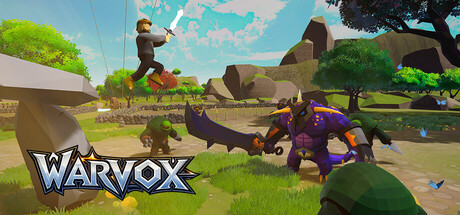
Warvox uses AI-generated artwork only for promotional images on the Steam store page.
The game itself does not use generative AI for gameplay, visuals, characters, environments, quests, dialogue, audio, or story content. All in-game assets, systems, and content are created and authored by the development team.
Any AI referenced within gameplay refers solely to traditional, non-generative game AI systems such as enemy behavior, combat logic, pathfinding, and decision-making. These systems do not generate new content and do not modify player-facing assets.
No generative AI alters player content, visuals, progression, or narrative during gameplay.
As a solo developer, I use Generative AI in limited, clearly defined ways during the development of Anomaly Island.
This includes:
Assisting in the creation of certain UI elements
Helping with coding learning and a small number of the sound effects
Generating quick previews of marketing materials via in-game screenshots lightly animated into short clips for promotional use
All AI-assisted marketing assets are explicitly labeled and further edited or composited using traditional tools, such as Adobe After Effects.
All unlabeled images, screenshots, and videos shown on this Steam page or in official trailers are directly captured from real in-engine gameplay with no generative AI manipulation.
No environments, models, animations, gameplay systems, level design, or narrative content are AI-generated.
Generative artificial intelligence tools were used in a limited capacity during development to assist with asset creation and efficiency. In-game content and materials were manually reviewed, refined, and finalized by the developer.
I use AI to generate the store covers and then refine them in Photoshop, but the game screenshots are real and were taken by me during the gameplay, just like the trailer.
Generative AI tools were used during the development process for preparing store page text and creating certain visual assets. All generated text and images have been manually reviewed and edited by the developer.
This game utilizes Artificial Intelligence to generate dynamic text-based conversations with virtual desktop mascots, allowing them to react primarily to user input. The application supports for now local offline AI (via Ollama) A comprehensive local safety filter is implemented to prevent the generation of harmful or illegal content.
This game uses AI-generated content for team logos. AI tools were also used to assist with coding and debugging, but no live AI generation occurs during gameplay.
We used AI to generate a dictionary and words database in-order to create a robust rule-based engine for light-weight chat simulation. We've also used AI as a second level review to discover memory leaks/exploits.
The game may utilize artificial intelligence technologies to generate or assist in generating certain visual materials or other multimedia assets for marketing and promotional purposes.
You can place this directly in the Steam form.
This game does not use generative AI during gameplay. No in-game content is created, altered, or influenced by AI while the player is playing.
AI was used only during development to assist with the creation of store page images and marketing materials.
Some of the promotional and storefront images were created with AI tools and then refined by hand. All of the in-game assets were designed by a 3D artist.
The only use of AI in this game is for generating character voice lines. No gameplay elements, visuals, or other content are AI-generated. The AI voices may be replaced with human voice actors in future updates.
Some promotional images on the Steam store page were created with the assistance of generative AI tools during early visual concept work and were subsequently manually refined.
The game itself does not use generative artificial intelligence.
We use AI tools to generate initial character concepts and static base sprites. These generated images serve as a foundation and are subsequently manually edited, processed, rigged, and animated by hand using 2D animation software to create the final assets seen in the game.
Generative AI was used in the prototyping stage to develop card art concept alternatives and communicate with human artists on our intentions for each finished piece. These images have all been replaced with human-created artwork.
AI is not used to live-generate content or code during gameplay.
This game uses AI tools during development to assist with programming support and to generate some visual and textual assets. No live or in-game AI content is generated during gameplay. All AI-assisted content is manually reviewed and integrated to ensure it meets the game’s design and quality standards.
Some static artwork used on the store page and marketing materials was created with AI-assisted tools. These images were manually edited, reviewed, and finalized by the developer.
We use a third-party tool to generate the officer and news cast videos. The scripts and dialogue are 100% written by human writers. The AI tool is used solely to animate the visual character and lip-sync to the script.
In RoleMIAster, a local AI acts as your personal Game Master. It creates worlds, characters, quests, and items in real time, interprets your actions, and narrates the consequences dynamically, offering a unique and ever-changing role-playing experience.
Some promotional images for Pigmen’s Challenge, including store page artwork and certain non-gameplay visual materials, were created with the assistance of AI tools.
AI is not used during gameplay. The game does not use AI to generate gameplay, logic, systems, dialogue, characters, levels, or any interactive player-facing content in real time.
All AI-assisted materials were reviewed and edited by the developer before being used.
I design all core algorithms myself, and AI is used only to help write code snippets and to produce some pre-rendered promotional assets such as images. All outputs are reviewed and manually integrated into the project. AI is not used to generate any in-game content or real-time code during gameplay.
Warvox uses AI-generated artwork only for promotional images on the Steam store page.
The game itself does not use generative AI for gameplay, visuals, characters, environments, quests, dialogue, audio, or story content. All in-game assets, systems, and content are created and authored by the development team.
Any AI referenced within gameplay refers solely to traditional, non-generative game AI systems such as enemy behavior, combat logic, pathfinding, and decision-making. These systems do not generate new content and do not modify player-facing assets.
No generative AI alters player content, visuals, progression, or narrative during gameplay.
As a solo developer, I use Generative AI in limited, clearly defined ways during the development of Anomaly Island.
This includes:
Assisting in the creation of certain UI elements
Helping with coding learning and a small number of the sound effects
Generating quick previews of marketing materials via in-game screenshots lightly animated into short clips for promotional use
All AI-assisted marketing assets are explicitly labeled and further edited or composited using traditional tools, such as Adobe After Effects.
All unlabeled images, screenshots, and videos shown on this Steam page or in official trailers are directly captured from real in-engine gameplay with no generative AI manipulation.
No environments, models, animations, gameplay systems, level design, or narrative content are AI-generated.
Generative artificial intelligence tools were used in a limited capacity during development to assist with asset creation and efficiency. In-game content and materials were manually reviewed, refined, and finalized by the developer.
I use AI to generate the store covers and then refine them in Photoshop, but the game screenshots are real and were taken by me during the gameplay, just like the trailer.
Generative AI tools were used during the development process for preparing store page text and creating certain visual assets. All generated text and images have been manually reviewed and edited by the developer.