








Disclosure
AI was used for some in-game localization, and translation.
- Creator
- kotcool
- Reviews
- -
- Added
- Aug 16, 2026
Public Steam disclosure research 25,514 disclosures tracked
Search developers’ Steam disclosures, compare classified AI use across games, and follow recorded changes. This index adds cross-game classifications and statistics to statements published on individual store pages.
Code help, debugging and other development work.
Capsule art, trailers and promotional material.
Pre-made art, audio, writing and other game assets.
Interactive or runtime AI features disclosed by the developer.
Groups reflect automatic analysis of public disclosures; mature records are excluded. These counts do not measure AI use across all of Steam. Missing or unclear statements cannot establish whether a game uses AI.
AI was used for some in-game localization, and translation.
Some in-game artwork (slot machine cabinet art, icons, and store page marketing images) was created with generative AI tools, then reviewed, selected, and post-processed by the developer. The game does not generate any content in real time.
Generative AI was used during development to assist in the creation of certain pre-generated game content, including some in-game visual art assets, the game’s title logo, and promotional materials for the Steam store page. All final content was reviewed, curated, edited, and implemented by the developer. No generative AI is used at runtime, and the game does not generate live AI content for players.
The shipped game contains no AI-generated art, audio or written content, and uses no AI at runtime — it runs entirely offline. Some AI tools (like ChatGPT and Claud code) were used during the development of the game for research purposes and reviewing. All game source code is human-written, human-reviewed and occasionally reviewed/tested by AI tools.
Generative AI was used during development to create and refine some pre-generated visual assets, including cat character and animation sprites, backgrounds, decorative items, achievement icons, and selected store and marketing artwork. Every generated asset was reviewed, edited, and integrated by the developer before inclusion. The game does not generate AI content at runtime and does not connect to external AI services during play.
Generative AI tools were used during development to assist with debugging code, audio production, and the creation of some item and UI illustrations. AI-generated or AI-assisted content was reviewed and edited by the development team before being included in the final game.
Generative AI was used for deep game simulation to assist with designing difficulty curves and testing in game mathmatical calculations. It was also used for designing alternative UI Models for cosmetic changes. Game Design, layout, original creations, music, sound, story, plots, etc. were Designed entirely by the Creator.
This game was developed with substantial help from generative AI: the pixel art (in-game art, capsules and icons), the code, much of the text, and the translations were produced with AI assistance and then reviewed, refined, and directed by the developer.
Generative AI tools were used during development for limited coding assistance and as a starting point for some 3D assets. All AI-assisted content was reviewed, modified, and integrated by the developer. No generative AI is used during gameplay.
AI was used for translations and some of the in-game and store artwork.
AI was used for UI and some translations. No AI was used for creative content, progression balanceament nor any game-design related.
The posters on the walls of the in-game course were generated with AI.
Generative AI was used to assist with 2D art ideation and localization.
Game logo was generated using Google Gemini.
We have some placeholder art currently while our Artist finishes their renders. Expect to see updated content closer to launch.
Certain textures were generated with AI. We are working to remove these textures, and expect to have them entirely removed shortly.
Kaperfahrt uses AI generated assets in two places. Both are placeholders and are being replaced with commissioned work. The portrait illustrations on the wanted posters of the 23 Blacklist pirates were made with an AI image generator. They were bought as finished assets. The soundtrack, the ambient audio and the spoken lines of the Blacklist pirates were made with Suno under a paid commercial licence.
Some images / game code / i18n text
This game used generative AI during the development process to assist with the creation and modeling visual assets, including characters designs and environmental textures like buildings.
Generative AI tools were used to create pre-generated visual assets used in the game and its marketing, including the station environment, CRT console artwork, and selected trailer, store, and event artwork. All outputs were art-directed, edited, composited, and approved by Ruldae before inclusion. SIGNAL does not use generative AI while the game is running. No player input or personal data is sent to an AI service, and the game contains no live-generated AI content.
Music and voice narration use AI generated audio, later edited by the developer.
AI translation was used to assist with text localization.
The non-English text is AI machine-translated for now (English is the only hand-written one), and it's labelled as AI in-game. If you're a native speaker and want to help fix the rough spots, there'll be an open localization repo for corrections, which ship in updates.
Some musical tracks were created with the help of AI.
AI-generated art object
AI-assisted tools were used in a limited capacity during development, including for some visual assets and text proofreading. All resulting content was reviewed, edited, and finalized manually by the development team. AI was used solely as a supportive development tool. The game's creative direction and final content were created and developed by the team.
Generative AI was used to assist with programming and some pre-recorded voice-over audio.
Generative AI tools were used during the development process exclusively to assist with programming, specifically for structuring GDScript code and debugging.
Petrivore uses AI-assisted tools in parts of its development: some icons and steam assets were made with AI image generation, the in-game text and steam page was translated with AI translation tools. All of it was reviewed and edited by the developer.
music
Generative AI was used during development to create some pre-generated 2D pixel art assets, including mine backgrounds, ores, and character artwork. Generative AI was also used to assist with some localization text. All generated output was reviewed, selected, and edited by the developer as needed. The game does not generate content during gameplay and does not connect to any external AI services.
Generative AI was used during development to assist with logos, graphical assets, and portions of the game’s code.
Generative AI was used during development to create some 2D artwork, specifically cover art and certain in-game officer portraits. These assets were reviewed and integrated by the developer before release. They are pre-generated static files included with the game. The game does not use generative AI at runtime, and no content is generated or modified based on player input.
Some of this game's visual assets (key art, character and hero illustrations, narration video plates) were created with generative image tools under human direction, with manual curation, retouching and compositing. The narrator's voice lines are synthesized speech generated from scripts written and edited by the developer. Some music tracks were created with generative music tools from developer-written prompts. All gameplay systems, code and game design are human-made. The game contains no live AI-generated content: everything was generated during development and reviewed before inclusion.
Some visual assets were AI-assisted, then manually edited by our team. No AI content is generated during gameplay.
This game uses generative AI tools in parts of its development, including Pixellab, PixAI,claude.ai, ChatGPT, and Gemini AI.
Generative AI was used in the following ways: • The title logo on our store capsule images was created with an AI image tool. Everything else in those images is real footage from the running game. • The trailer narration was written with AI assistance and voiced using ElevenLabs text-to-speech. • Some in-game text event descriptions, help and interface copy was written with AI assistance and edited by hand. The game itself is not AI-generated. The world simulation, the voxel terrain and its creatures, and all in-game art are hand-built. Sound effects and music are licensed from stock audio libraries. Nothing is generated while you play.
Parts of the title background
During development, we used generative AI tools to transform early sketches and visual concepts into functional 2D game assets and visual materials that help define Cosmic Clicker’s identity. This included selected in-game assets, Steam store capsules, library artwork, icons, and key art. The generated results were reviewed, selected, refined, and integrated to maintain consistency with the game’s established art direction.
Some of the pre-rendered 2D art shipped with the game (era intermission illustrations, panel icons, campaign cover images and the Economic Association hall with economist portraits) was produced with generative image tools (fal.ai, Krea) from prompts authored by the developer, then post-processed by hand and by scripts in tools/. No generative AI is used at runtime. The game's simulation code, UI, isometric city renderer, world map (built from Natural Earth data) and all text, including the three interface languages, are authored by the developer.
The pixel art was generated with PixelLab. The music was generated with Suno on a paid plan. I wrote the prompts, picked what worked, and threw out what didn't. The game itself, the economy, the systems, the design, the words on screen, I built. Nothing is generated while the game runs. Everything ships as files. There are no AI calls at play time, no AI voice, and no chatbots.
This is a one-person project — just me — and I used AI tools throughout development. All of it is pre-generated: the game doesn't make AI calls while you're playing, and it makes no network calls at all. Most of the code was written with AI coding assistants. Some of the writing players see was drafted the same way and then edited by me: the word lists the game builds its procedural company names from, the achievement titles, and the templates behind the news items and company filings. Those get assembled in-game by ordinary seeded code, not by a model. The store page copy was drafted with AI help as well. The app icon was made with an AI image generator. That same icon is also the Steam community icon, the Windows client icon, the store page background, and the base image for the achievement icons. The rest of the art isn't AI-generated. The capsules and library assets are drawn programmatically from the game's own stylesheet and some seeded procedural drawing code, the screenshots are straight captures of the game running, and the audio is synthesized as you play rather than being generated audio files.
Cigar Tycoon includes pre-generated AI-assisted content created during development, including some promotional artwork, store capsule and library artwork, and a small amount of magazine-style written content. The developer reviewed and edited this content before release. The game does not generate new content with AI during gameplay, does not connect to an external AI service, and does not send player data to an AI service.
Generative AI was used during development to assist with the creation of 2D concept art and background textures. The loading screen video is also made with generative AI. All final assets were manually edited and (if necessary) refined by the developer to match the game's art style. Voice lines for the characters were generated using AI voice tools based on licensed models. The scripts were entirely written by humans, and the generated audio was manually edited where necessary.
Generative AI was used to create and refine some pre-generated visual assets, including the game logo and Steam store capsule artwork. All AI-assisted assets are reviewed, edited, and curated by the developer before inclusion. The game does not generate content during gameplay and does not connect to external AI services.
This game uses pre-generated AI only for certain UI background images and promotional store visuals. These assets were created before release and remain fixed. The game does not include any live AI generation during gameplay.
Some of the content shipping with this game was created using generative AI: • Images: the title/loading screen, the store graphics (capsules) and the five faction portraits were generated with an image AI. • Audio: the title music, intro music, sector music tracks and the sound effects were created with AI tools. • Text: the store description was drafted with AI assistance. All of this content was selected, reviewed and integrated by hand. Not AI-generated: the 3D world, the ships, stations and effects — those are built procedurally and in Blender. The source code was developed with AI assistance; we mention this for completeness, even though development tools are exempt from disclosure.
AI-generated art object
no ai assets inside the game, just the store capsule
AI-generated art object
| Title⇅ | Disclosure | Creator⇅ | Src | Reviews⇅ | Added↓ |
|---|---|---|---|---|---|
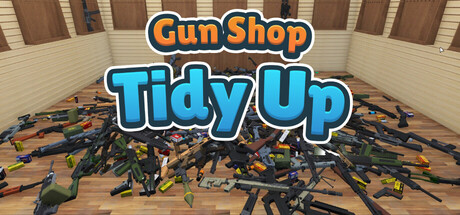 Gun Shop: Tidy Up In-game content text | AI was used for some in-game localization, and translation. | kotcool | - | Aug 16, 2026 | |
 Childhood Slots In-game content art | Some in-game artwork (slot machine cabinet art, icons, and store page marketing images) was created with generative AI tools, then reviewed, selected, and post-processed by the developer. The game does not generate any content in real time. | Kaite Li | - | Aug 16, 2026 | |
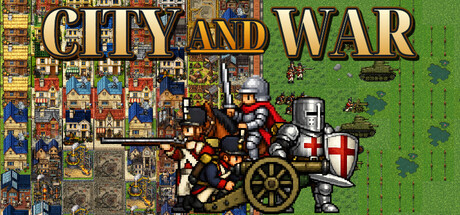 City and War In-game content art | Generative AI was used during development to assist in the creation of certain pre-generated game content, including some in-game visual art assets, the game’s title logo, and promotional materials for the Steam store page. All final content was reviewed, curated, edited, and implemented by the developer. No generative AI is used at runtime, and the game does not generate live AI content for players. | Baicheng Zhang | - | Aug 16, 2026 | |
 Cricket Team Manager Dev only code | The shipped game contains no AI-generated art, audio or written content, and uses no AI at runtime — it runs entirely offline. Some AI tools (like ChatGPT and Claud code) were used during the development of the game for research purposes and reviewing. All game source code is human-written, human-reviewed and occasionally reviewed/tested by AI tools. | LSL Ventures | - | Aug 16, 2026 | |
 My Desktop Cat In-game content art | Generative AI was used during development to create and refine some pre-generated visual assets, including cat character and animation sprites, backgrounds, decorative items, achievement icons, and selected store and marketing artwork. Every generated asset was reviewed, edited, and integrated by the developer before inclusion. The game does not generate AI content at runtime and does not connect to external AI services during play. | hirsch-dev | - | Aug 16, 2026 | |
 Zero Viewers In-game content artaudio | Generative AI tools were used during development to assist with debugging code, audio production, and the creation of some item and UI illustrations. AI-generated or AI-assisted content was reviewed and edited by the development team before being included in the final game. | Monya Studio | - | Aug 16, 2026 | |
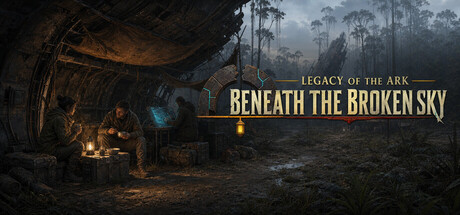 Legacy of the Ark: Beneath the Broken Sky In-game content codeart | Generative AI was used for deep game simulation to assist with designing difficulty curves and testing in game mathmatical calculations. It was also used for designing alternative UI Models for cosmetic changes.
Game Design, layout, original creations, music, sound, story, plots, etc. were Designed entirely by the Creator. | Broken Ark Studios | - | Aug 16, 2026 | |
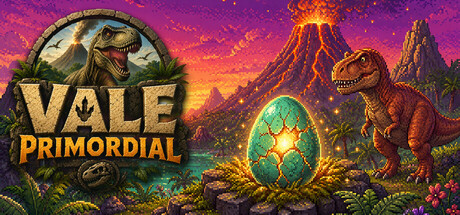 Vale Primordial In-game content arttext | This game was developed with substantial help from generative AI: the pixel art (in-game art, capsules and icons), the code, much of the text, and the translations were produced with AI assistance and then reviewed, refined, and directed by the developer. | Primordial Studio | - | Aug 16, 2026 | |
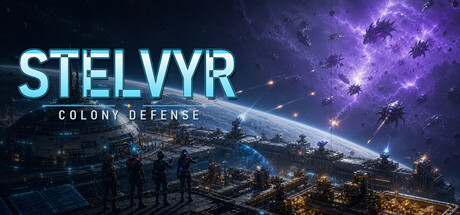 Stelvyr: Colony Defense In-game content codeart | Generative AI tools were used during development for limited coding assistance and as a starting point for some 3D assets. All AI-assisted content was reviewed, modified, and integrated by the developer. No generative AI is used during gameplay. | CannyEdge Interactive | - | Aug 16, 2026 | |
 Daily Botanica In-game content textart | AI was used for translations and some of the in-game and store artwork. | Cyvana | - | Aug 16, 2026 | |
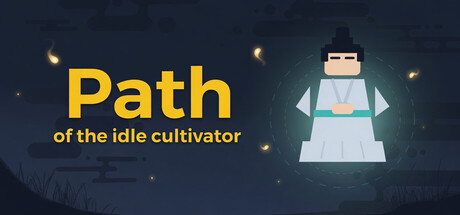 Path of the idle cultivator In-game content text | AI was used for UI and some translations. No AI was used for creative content, progression balanceament nor any game-design related. | Wuxia dev | - | Aug 16, 2026 | |
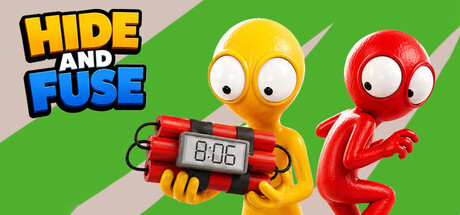 Hide and Fuse In-game content art | The posters on the walls of the in-game course were generated with AI. | HideandFuse | - | Aug 16, 2026 | |
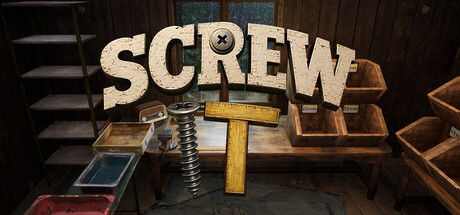 Screw It In-game content arttext | Generative AI was used to assist with 2D art ideation and localization. | Kyrel | - | Aug 16, 2026 | |
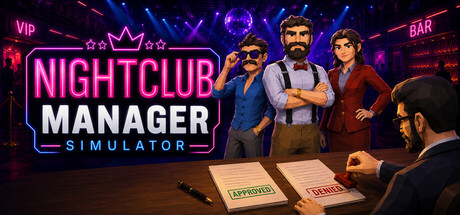 NighClub Manager Simulator Store/marketing art | Game logo was generated using Google Gemini. | OzKay Studios | - | Aug 16, 2026 | |
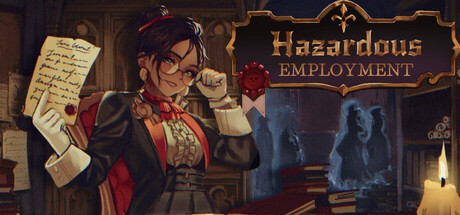 Hazardous Employment Dev only art | We have some placeholder art currently while our Artist finishes their renders. Expect to see updated content closer to launch. | Hazardmere Games | - | Aug 16, 2026 | |
 Konbini Cleanup In-game content art | Certain textures were generated with AI. We are working to remove these textures, and expect to have them entirely removed shortly. | Cleanup Crew! | 66 | Aug 16, 2026 | |
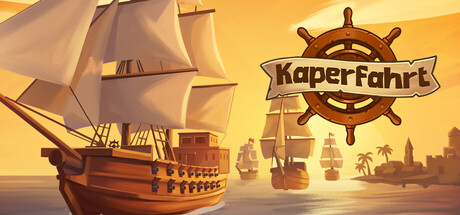 Kaperfahrt In-game content artaudio | Kaperfahrt uses AI generated assets in two places. Both are placeholders and are being replaced with commissioned work.
The portrait illustrations on the wanted posters of the 23 Blacklist pirates were made with an AI image generator. They were bought as finished assets.
The soundtrack, the ambient audio and the spoken lines of the Blacklist pirates were made with Suno under a paid commercial licence. | Kleinod Games | - | Aug 16, 2026 | |
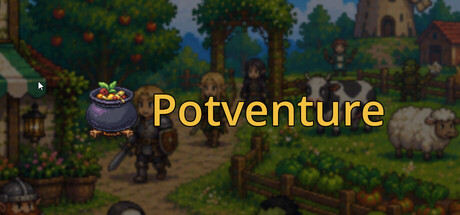 鍋與冒險 Unclear artcodetext | Some images / game code / i18n text | CYCLOPS | - | Aug 16, 2026 | |
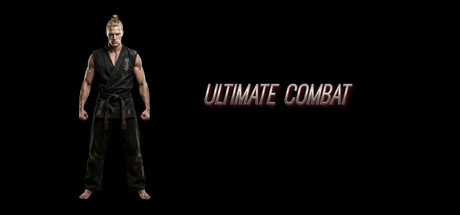 Ultimate Combat In-game content art | This game used generative AI during the development process to assist with the creation and modeling visual assets, including characters designs and environmental textures like buildings. | Black Belt Games Studio | - | Aug 16, 2026 | |
 Signal In-game content art | Generative AI tools were used to create pre-generated visual assets used in the game and its marketing, including the station environment, CRT console artwork, and selected trailer, store, and event artwork.
All outputs were art-directed, edited, composited, and approved by Ruldae before inclusion.
SIGNAL does not use generative AI while the game is running. No player input or personal data is sent to an AI service, and the game contains no live-generated AI content. | Ruldae | - | Aug 16, 2026 | |
 ALL OUT WAR In-game content audio | Music and voice narration use AI generated audio, later edited by the developer. | Felipe Pechmann | - | Aug 16, 2026 | |
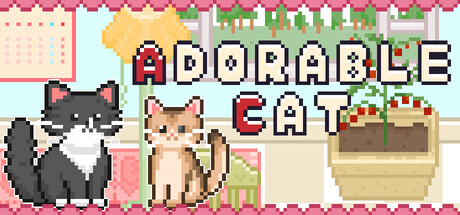 AdorableCat In-game content text | AI translation was used to assist with text localization. | PeB Cat Studio | - | Aug 16, 2026 | |
 DRONECOM In-game content text | The non-English text is AI machine-translated for now (English is the only hand-written one), and it's labelled as AI in-game. If you're a native speaker and want to help fix the rough spots, there'll be an open localization repo for corrections, which ship in updates. | Big Beard Games | - | Aug 15, 2026 | |
 Wood Goes Brrr In-game content audio | Some musical tracks were created with the help of AI. | PixelGuse | - | Aug 15, 2026 | |
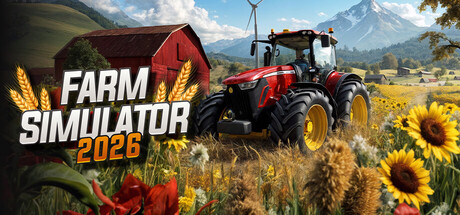 Farm Simulator 2026 In-game content art | AI-generated art object | Christopher Ikeda | - | Aug 15, 2026 | |
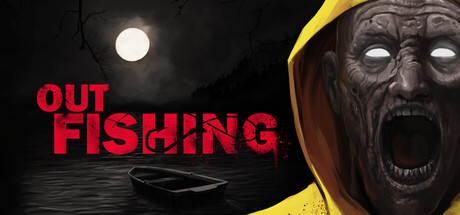 Out Fishing Dev only arttext | AI-assisted tools were used in a limited capacity during development, including for some visual assets and text proofreading. All resulting content was reviewed, edited, and finalized manually by the development team.
AI was used solely as a supportive development tool. The game's creative direction and final content were created and developed by the team. | Mūn Mūn Games | - | Aug 15, 2026 | |
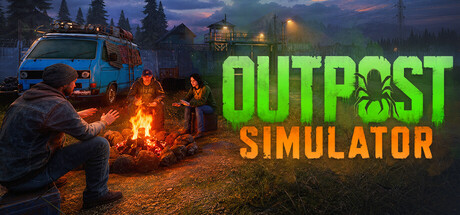 Outpost Simulator In-game content codeaudio | Generative AI was used to assist with programming and some pre-recorded voice-over audio. | Mental Dreams | - | Aug 15, 2026 | |
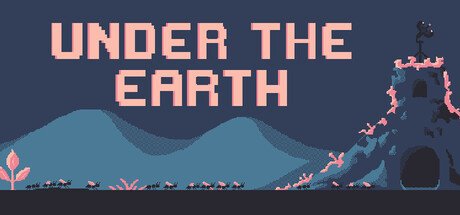 Under the Earth Dev only code | Generative AI tools were used during the development process exclusively to assist with programming, specifically for structuring GDScript code and debugging. | ManetKedy | - | Aug 14, 2026 | |
 Petrivore In-game content arttext | Petrivore uses AI-assisted tools in parts of its development: some icons and steam assets were made with AI image generation, the in-game text and steam page was translated with AI translation tools. All of it was reviewed and edited by the developer. | Tiny Badger | - | Aug 14, 2026 | |
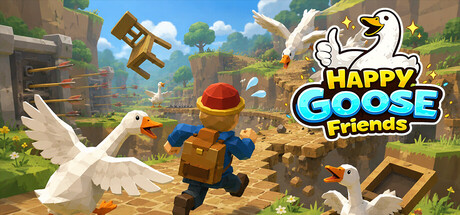 happy goose friends Unclear audio | music | not goose | - | Aug 14, 2026 | |
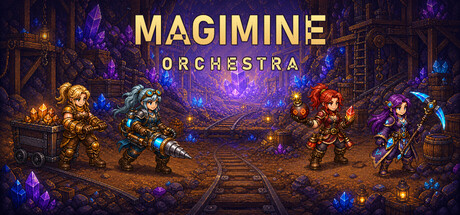 MagiMine Orchestra In-game content arttext | Generative AI was used during development to create some pre-generated 2D pixel art assets, including mine backgrounds, ores, and character artwork. Generative AI was also used to assist with some localization text. All generated output was reviewed, selected, and edited by the developer as needed. The game does not generate content during gameplay and does not connect to any external AI services. | Pitagora Games | - | Aug 14, 2026 | |
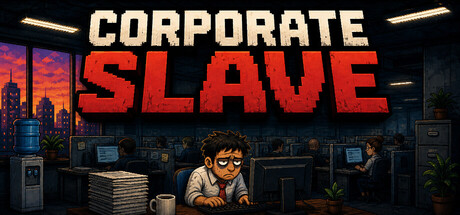 Corporate Slave In-game content artcode | Generative AI was used during development to assist with logos, graphical assets, and portions of the game’s code. | ATK-Play | - | Aug 14, 2026 | |
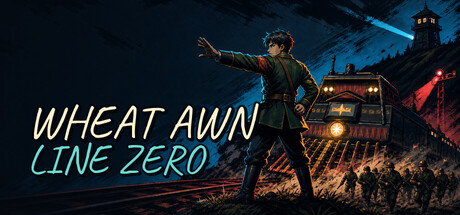 Wheat Awn: Line Zero In-game content art | Generative AI was used during development to create some 2D artwork, specifically cover art and certain in-game officer portraits. These assets were reviewed and integrated by the developer before release. They are pre-generated static files included with the game. The game does not use generative AI at runtime, and no content is generated or modified based on player input. | doggy brother | - | Aug 14, 2026 | |
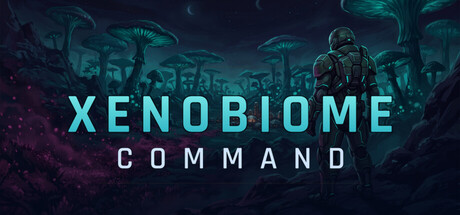 Xenobiome Command In-game content artaudiotext | Some of this game's visual assets (key art, character and hero illustrations, narration video plates) were created with generative image tools under human direction, with manual curation, retouching and compositing. The narrator's voice lines are synthesized speech generated from scripts written and edited by the developer. Some music tracks were created with generative music tools from developer-written prompts. All gameplay systems, code and game design are human-made. The game contains no live AI-generated content: everything was generated during development and reviewed before inclusion. | Gergo Nagy | - | Aug 14, 2026 | |
 Portrise Idle In-game content art | Some visual assets were AI-assisted, then manually edited by our team. No AI content is generated during gameplay. | baldgames | - | Aug 14, 2026 | |
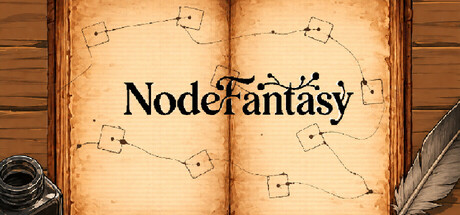 NodeFantasy~管理型RPG~ arttext | This game uses generative AI tools in parts of its development, including Pixellab, PixAI,claude.ai, ChatGPT, and Gemini AI. | 倦怠期 | - | Aug 14, 2026 | |
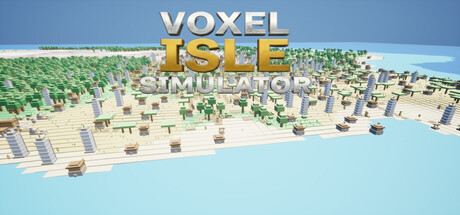 VOXEL ISLE SIMULATOR In-game content arttextaudio | Generative AI was used in the following ways:
• The title logo on our store capsule images was created with an AI image
tool. Everything else in those images is real footage from the running game.
• The trailer narration was written with AI assistance and voiced using
ElevenLabs text-to-speech.
• Some in-game text event descriptions, help and interface copy was
written with AI assistance and edited by hand.
The game itself is not AI-generated. The world simulation, the voxel terrain
and its creatures, and all in-game art are hand-built. Sound effects and music
are licensed from stock audio libraries. Nothing is generated while you play. | SFH PROD | - | Aug 14, 2026 | |
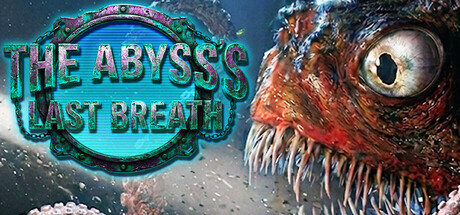 The Abyss’s Last Breath Unclear | Parts of the title background | furiousDevPhoenix | - | Aug 14, 2026 | |
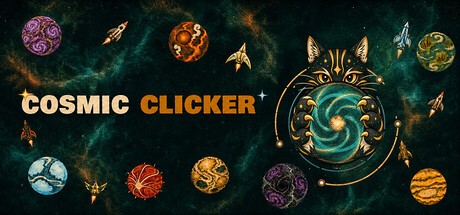 Cosmic Clicker In-game content art | During development, we used generative AI tools to transform early sketches and visual concepts into functional 2D game assets and visual materials that help define Cosmic Clicker’s identity. This included selected in-game assets, Steam store capsules, library artwork, icons, and key art.
The generated results were reviewed, selected, refined, and integrated to maintain consistency with the game’s established art direction. | Gladino | - | Aug 14, 2026 | |
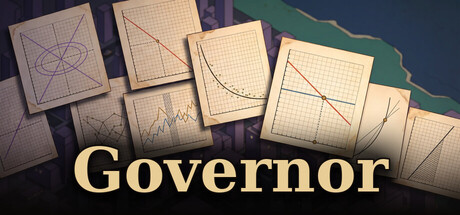 Governor In-game content arttext | Some of the pre-rendered 2D art shipped with the game (era intermission illustrations, panel icons, campaign cover images and the Economic Association hall with economist portraits) was produced with generative image tools (fal.ai, Krea) from prompts authored by the developer, then post-processed by hand and by scripts in tools/. No generative AI is used at runtime. The game's simulation code, UI, isometric city renderer, world map (built from Natural Earth data) and all text, including the three interface languages, are authored by the developer. | Daniling | - | Aug 14, 2026 | |
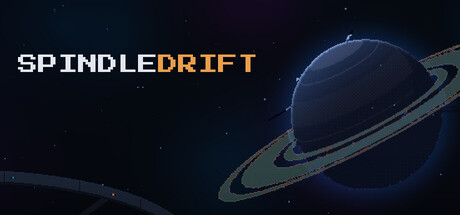 SPINDLEDRIFT In-game content artaudiotext | The pixel art was generated with PixelLab. The music was generated with Suno on a paid plan. I wrote the prompts, picked what worked, and threw out what didn't. The game itself, the economy, the systems, the design, the words on screen, I built. Nothing is generated while the game runs. Everything ships as files. There are no AI calls at play time, no AI voice, and no chatbots. | Half Ass Studios | - | Aug 14, 2026 | |
 Volatility In-game content codetextart | This is a one-person project — just me — and I used AI tools throughout development. All of it is pre-generated: the game doesn't make AI calls while you're playing, and it makes no network calls at all.
Most of the code was written with AI coding assistants. Some of the writing players see was drafted the same way and then edited by me: the word lists the game builds its procedural company names from, the achievement titles, and the templates behind the news items and company filings. Those get assembled in-game by ordinary seeded code, not by a model. The store page copy was drafted with AI help as well.
The app icon was made with an AI image generator. That same icon is also the Steam community icon, the Windows client icon, the store page background, and the base image for the achievement icons.
The rest of the art isn't AI-generated. The capsules and library assets are drawn programmatically from the game's own stylesheet and some seeded procedural drawing code, the screenshots are straight captures of the game running, and the audio is synthesized as you play rather than being generated audio files. | Dancing_Penguin | - | Aug 14, 2026 | |
 Cigar Tycoon Store/marketing arttext | Cigar Tycoon includes pre-generated AI-assisted content created during development, including some promotional artwork, store capsule and library artwork, and a small amount of magazine-style written content. The developer reviewed and edited this content before release. The game does not generate new content with AI during gameplay, does not connect to an external AI service, and does not send player data to an AI service. | Snob Studio | - | Aug 14, 2026 | |
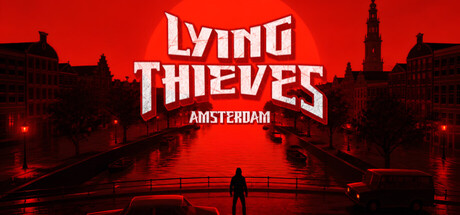 Lying Thieves: Amsterdam In-game content artaudio | Generative AI was used during development to assist with the creation of 2D concept art and background textures. The loading screen video is also made with generative AI. All final assets were manually edited and (if necessary) refined by the developer to match the game's art style.
Voice lines for the characters were generated using AI voice tools based on licensed models. The scripts were entirely written by humans, and the generated audio was manually edited where necessary. | Sitix | - | Aug 14, 2026 | |
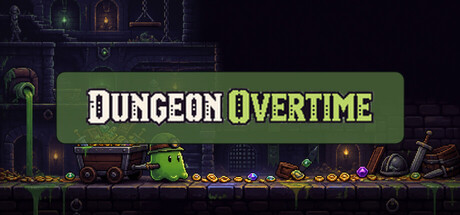 Dungeon Overtime Store/marketing art | Generative AI was used to create and refine some pre-generated visual assets, including the game logo and Steam store capsule artwork. All AI-assisted assets are reviewed, edited, and curated by the developer before inclusion. The game does not generate content during gameplay and does not connect to external AI services. | Orange Slug Studios | - | Aug 14, 2026 | |
 Pharmacy Simulator: Big Pharma Store/marketing art | This game uses pre-generated AI only for certain UI background images and promotional store visuals. These assets were created before release and remain fixed. The game does not include any live AI generation during gameplay. | Yusuf Islam Seyhan | - | Aug 14, 2026 | |
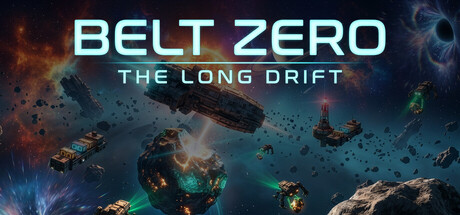 Belt Zero In-game content artaudiotext | Some of the content shipping with this game was created using generative AI:
• Images: the title/loading screen, the store graphics (capsules) and the five faction portraits were generated with an image AI. • Audio: the title music, intro music, sector music tracks and the sound effects were created with AI tools. • Text: the store description was drafted with AI assistance.
All of this content was selected, reviewed and integrated by hand. Not AI-generated: the 3D world, the ships, stations and effects — those are built procedurally and in Blender. The source code was developed with AI assistance; we mention this for completeness, even though development tools are exempt from disclosure. | Kay Maik Dev | - | Aug 14, 2026 | |
 Carry Bros: Find It Together In-game content art | AI-generated art object | Red Suns Tech | - | Aug 14, 2026 | |
 FastFoo In-game content art | no ai assets inside the game, just the store capsule | Play365 | - | Aug 14, 2026 | |
 Escape Together: Prison Break In-game content art | AI-generated art object | Among Super-Eaters | - | Aug 14, 2026 |


