Public Steam disclosure research25,508 disclosures tracked
Where do games disclose AI use?
Search developers’ Steam disclosures, compare classified AI use across
games, and follow recorded changes.
This index adds cross-game classifications and statistics to
statements published on individual store pages.
Groups reflect automatic analysis of public disclosures; mature records are excluded. These counts do not measure AI use across all of Steam.
Missing or unclear statements cannot establish whether a game uses AI.
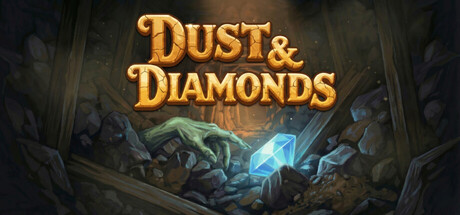
Dust & Diamonds is a 100% solo project.
The idea for this game came to me a few days after my son was born — my first child. I was celebrating with my cousin and bet him I could build something like Motherload in two weeks. As you've probably guessed, I lost that bet spectacularly. I'm writing this almost a year later, and my son turns one in a few days.
I have a degree in computer game engineering, but I live in a small town with no game studios — so I drive a pallet jack around a warehouse by day and build this game after hours. I can't afford to hire an artist or a composer. To bring this world to life at all, I turned to generative AI tools. I'm not going to hide that.
How does the game use AI?
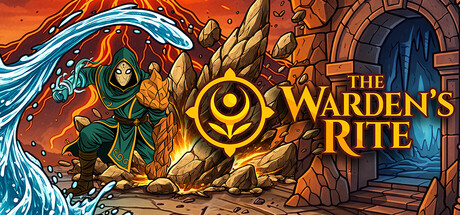
Graphics (2D): A significant portion of the visual assets — character portraits, environment elements, buildings — was generated using AI, then manually retouched, edited, and assembled by me in the engine into a cohesive style with a parallax system.
Music and sound: The musical tracks in the game were generated by AI. Fittingly, this ties directly into the game's lore — the "Relics of the Old World" (our 21st century) collected by the goblins are canonically works created by AI before the great cataclysm, carrying the lost wisdom of humanity.
What's mine in this game is the design: how the economy works, how water behaves in a flooded shaft, when a ceiling collapses, what the old man says across the counter. I came up with each of these systems, wrote them out, tested them, and reworked them a dozen times until they behaved the way I wanted.
I'm just a regular guy who had an idea for a game about digging in the dirt and was stubborn enough to see it through. Thank you for your understanding and support.
AI is only used to create art assets, backgrounds, and visual materials during the development of the game. It is not used for any in-game mechanics, NPC behaviors, or real-time interactions with players.
AI was used to generate art pieces for the Steam Store Page as placeholder. As the developing continues and feedback from the community comes, those placeholders will be changed to real art done by real persons.
AI is used to generate in-game characters, including their visual traits, background concepts, and gameplay attributes. When players create a character, the Gen-AI system produces unique variations based on predefined rules and developer-designed parameters.
The AI functions solely as a content generation tool to enhance gameplay variety. It does not collect, store, or learn from personal player data.
Some in-game art is created with AI-assisted workflows.
Players can also use AI to generate their own characters from photos, making each hero feel more personal.
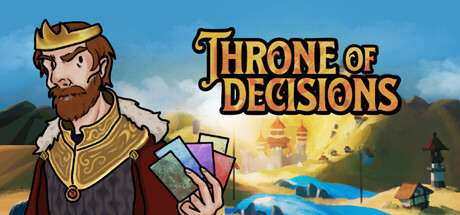
Generative AI was used during the development process to enhance and diversify the variety of card assets and narrative content. This technology allowed for the creation of a more expansive and unique library of scenarios, ensuring a richer and more varied gameplay experience for the player.
Generative AI was used during development only for early ideation and reference purposes. All final in-game assets, visuals, audio, writing, and gameplay content were created manually and are not AI-generated. The game does not use any live-generated AI content.
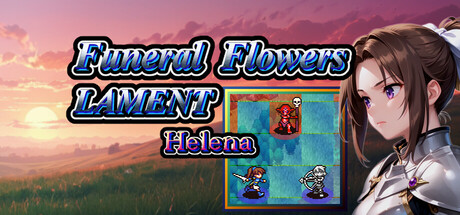
This game uses AI-generated images for character portraits, standing illustrations, and some backgrounds.
All generated assets have been revised and refined, and do not infringe on any existing copyrights or rights.
AI tools were used to generate secondary visual assets, such as some skill icons, and background textures. All AI-generated assets have been heavily hand-edited and refined by the developer to ensure a consistent visual style that aligns with the game's aesthetic. All musical compositions were created entirely from scratch without the use of AI.
Graphics (Title Screen):
AI was used to generate the base image for the title screen. This output was then manually edited, adjusted for layout, and refined to create the final visual.
Localization (Translation):
AI was used as an assistant in the translation process. Following the initial AI-generated draft, all text has been manually reviewed and edited to ensure contextual accuracy and quality.
After I personally finalized the design phase, some art assets were first rendered using generative AI tools, and I then manually refined and detailed them.
Similarly, certain background music pieces were developed with the help of generative AI tools.
Should you have any concerns about these methods, please feel free to experience the game according to your own preferences. Thank you for your understanding and consideration.
This game has used Generative AI during the development process. It was used minimally during coding, mostly for auto complete, <1% of the code is a result of the output from AI. More extensively is AIs use in the artwork, in order to speed up the process sketches were created by artist, details were filled in by AI, then artists corrected the output.
AI tools were used during development as a programming aid and for early concept exploration. All gameplay systems were developed by the creator, and all in-game assets are original, commissioned, or licensed.
This product uses pre-generated AI-assisted content during development. AI tools were used to help create some promotional artwork, selected visual assets, and some development-support content such as text or localization assistance. The game does not use live-generated AI during gameplay.
During the development of this game, generative AI was used to create some user interface (UI) assets and for text translation.
Please note that the main character illustrations were created by human artists.
I was working on this game for more than 2 years without ai.
I started to use ai 1-2 months ago for:
Due to a lack of capital for professional sounds i bought sound packages and for
some few sounds i used AI software. Depending on the game's success, I will invest in replacing sounds and self-created elements with professional assistance.
AI was used mainly for bug fixing in the code and for translating the game text into different languages.
AI was used as a productivity tool to assist in coding and drafting assets. All final content, including art and logic, has been extensively refined and reconstructed by human developers to ensure quality.
During the development process, we may use AI-based tools to assist with content creation. In all such cases, the final product reflects the creativity and expression of our own development team.
I'm a solo developer so I have used AI to help fill in some gaps. Music and very minor pieces of art were created using AI. However I have supported many artists during the making of this game by purchasing asset packs that worked. I've been in the game industry for over a decade and am extremely sensitive to the use of AI but this project wouldn't exist without it and I am very proud of what I have made. My heart, soul, and countless hours have been poured into the project and AI was only used if there was no other reasonable/affordable choice.
Initial concept art was generated using AI tools, followed by manual adjustments and modifications by artists. The final artwork combines AI-generated base designs with human-made artistic revisions.
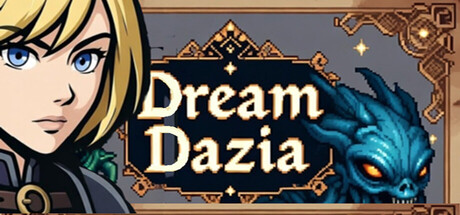
Grok AI was used in order to make some of the pictures in the library, game store page, and some intro./outro. picture in the game representing Dream Dazia.
AI tools were used strictly during the development phase to assist with writing code scripts and drafting text descriptions. All game mechanics, logic, and assets were manually reviewed, tested, and finalized by the developer.
Dust & Diamonds is a 100% solo project.
The idea for this game came to me a few days after my son was born — my first child. I was celebrating with my cousin and bet him I could build something like Motherload in two weeks. As you've probably guessed, I lost that bet spectacularly. I'm writing this almost a year later, and my son turns one in a few days.
I have a degree in computer game engineering, but I live in a small town with no game studios — so I drive a pallet jack around a warehouse by day and build this game after hours. I can't afford to hire an artist or a composer. To bring this world to life at all, I turned to generative AI tools. I'm not going to hide that.
How does the game use AI?
Graphics (2D): A significant portion of the visual assets — character portraits, environment elements, buildings — was generated using AI, then manually retouched, edited, and assembled by me in the engine into a cohesive style with a parallax system.
Music and sound: The musical tracks in the game were generated by AI. Fittingly, this ties directly into the game's lore — the "Relics of the Old World" (our 21st century) collected by the goblins are canonically works created by AI before the great cataclysm, carrying the lost wisdom of humanity.
What's mine in this game is the design: how the economy works, how water behaves in a flooded shaft, when a ceiling collapses, what the old man says across the counter. I came up with each of these systems, wrote them out, tested them, and reworked them a dozen times until they behaved the way I wanted.
I'm just a regular guy who had an idea for a game about digging in the dirt and was stubborn enough to see it through. Thank you for your understanding and support.
AI is only used to create art assets, backgrounds, and visual materials during the development of the game. It is not used for any in-game mechanics, NPC behaviors, or real-time interactions with players.
AI was used to generate art pieces for the Steam Store Page as placeholder. As the developing continues and feedback from the community comes, those placeholders will be changed to real art done by real persons.
AI is used to generate in-game characters, including their visual traits, background concepts, and gameplay attributes. When players create a character, the Gen-AI system produces unique variations based on predefined rules and developer-designed parameters.
The AI functions solely as a content generation tool to enhance gameplay variety. It does not collect, store, or learn from personal player data.
Some in-game art is created with AI-assisted workflows.
Players can also use AI to generate their own characters from photos, making each hero feel more personal.
Generative AI was used during the development process to enhance and diversify the variety of card assets and narrative content. This technology allowed for the creation of a more expansive and unique library of scenarios, ensuring a richer and more varied gameplay experience for the player.
Generative AI was used during development only for early ideation and reference purposes. All final in-game assets, visuals, audio, writing, and gameplay content were created manually and are not AI-generated. The game does not use any live-generated AI content.
This game uses AI-generated images for character portraits, standing illustrations, and some backgrounds.
All generated assets have been revised and refined, and do not infringe on any existing copyrights or rights.
AI tools were used to generate secondary visual assets, such as some skill icons, and background textures. All AI-generated assets have been heavily hand-edited and refined by the developer to ensure a consistent visual style that aligns with the game's aesthetic. All musical compositions were created entirely from scratch without the use of AI.
Graphics (Title Screen):
AI was used to generate the base image for the title screen. This output was then manually edited, adjusted for layout, and refined to create the final visual.
Localization (Translation):
AI was used as an assistant in the translation process. Following the initial AI-generated draft, all text has been manually reviewed and edited to ensure contextual accuracy and quality.
After I personally finalized the design phase, some art assets were first rendered using generative AI tools, and I then manually refined and detailed them.
Similarly, certain background music pieces were developed with the help of generative AI tools.
Should you have any concerns about these methods, please feel free to experience the game according to your own preferences. Thank you for your understanding and consideration.
This game has used Generative AI during the development process. It was used minimally during coding, mostly for auto complete, <1% of the code is a result of the output from AI. More extensively is AIs use in the artwork, in order to speed up the process sketches were created by artist, details were filled in by AI, then artists corrected the output.
AI tools were used during development as a programming aid and for early concept exploration. All gameplay systems were developed by the creator, and all in-game assets are original, commissioned, or licensed.
This product uses pre-generated AI-assisted content during development. AI tools were used to help create some promotional artwork, selected visual assets, and some development-support content such as text or localization assistance. The game does not use live-generated AI during gameplay.
During the development of this game, generative AI was used to create some user interface (UI) assets and for text translation.
Please note that the main character illustrations were created by human artists.
I was working on this game for more than 2 years without ai.
I started to use ai 1-2 months ago for:
Due to a lack of capital for professional sounds i bought sound packages and for
some few sounds i used AI software. Depending on the game's success, I will invest in replacing sounds and self-created elements with professional assistance.
AI was used mainly for bug fixing in the code and for translating the game text into different languages.
AI was used as a productivity tool to assist in coding and drafting assets. All final content, including art and logic, has been extensively refined and reconstructed by human developers to ensure quality.
During the development process, we may use AI-based tools to assist with content creation. In all such cases, the final product reflects the creativity and expression of our own development team.
I'm a solo developer so I have used AI to help fill in some gaps. Music and very minor pieces of art were created using AI. However I have supported many artists during the making of this game by purchasing asset packs that worked. I've been in the game industry for over a decade and am extremely sensitive to the use of AI but this project wouldn't exist without it and I am very proud of what I have made. My heart, soul, and countless hours have been poured into the project and AI was only used if there was no other reasonable/affordable choice.
Initial concept art was generated using AI tools, followed by manual adjustments and modifications by artists. The final artwork combines AI-generated base designs with human-made artistic revisions.
Grok AI was used in order to make some of the pictures in the library, game store page, and some intro./outro. picture in the game representing Dream Dazia.
AI tools were used strictly during the development phase to assist with writing code scripts and drafting text descriptions. All game mechanics, logic, and assets were manually reviewed, tested, and finalized by the developer.