Public Steam disclosure research25,508 disclosures tracked
Where do games disclose AI use?
Search developers’ Steam disclosures, compare classified AI use across
games, and follow recorded changes.
This index adds cross-game classifications and statistics to
statements published on individual store pages.
Groups reflect automatic analysis of public disclosures; mature records are excluded. These counts do not measure AI use across all of Steam.
Missing or unclear statements cannot establish whether a game uses AI.
During the early prototyping phase, I use AI tools to visualize initial concepts and create temporary placeholders. All of these have been completely replaced in the final game with hand-crafted art created by myself and talented freelancers.
This app includes pre-generated content created or assisted using generative AI.
This includes the game logo, title screen, certain story-related images used during key moments of the game, a majority of item-related visuals (such as weapons, armors, accessories, and quest items), and approximately 60% of character portraits used in dialogue.
All such content was selected, reviewed, and in many cases manually edited and integrated by the developer before being included in the game or on the store page.
Additionally, most of the game's plugins were developed with the assistance of AI tools. No AI is used at runtime or during gameplay.
AI was used to generate art pieces for the Steam Store Page as placeholder. As the developing continues and feedback from the community comes, those placeholders will be changed to real art done by real persons.
Some in-game art is created with AI-assisted workflows.
Players can also use AI to generate their own characters from photos, making each hero feel more personal.
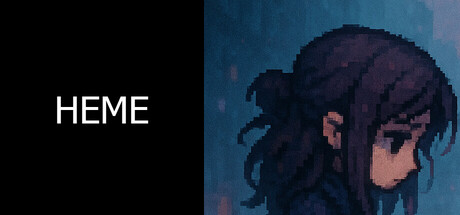
HEME is a solo project created by a developer pursuing a dream without formal training. To bring this vision to life, Generative AI was used as a primary collaborator throughout the development:
Art & Graphics: AI assisted in creating concept art, environmental designs, and refining visual assets to match the game's emotional tone.
Coding & Technical: AI served as a mentor and technical assistant to write, debug, and optimize game logic within the Unity engine.
Narrative & Translation: AI helped in refining the script and ensuring the dramatic elements are effectively communicated in both Thai and English.
Development Support: Beyond technical tasks, AI served as a constant source of guidance and support for the solo developer during this challenging journey.
Generative AI was used during development only for early ideation and reference purposes. All final in-game assets, visuals, audio, writing, and gameplay content were created manually and are not AI-generated. The game does not use any live-generated AI content.
This game uses AI-generated images for character portraits, standing illustrations, and some backgrounds.
All generated assets have been revised and refined, and do not infringe on any existing copyrights or rights.
Graphics (Title Screen):
AI was used to generate the base image for the title screen. This output was then manually edited, adjusted for layout, and refined to create the final visual.
Localization (Translation):
AI was used as an assistant in the translation process. Following the initial AI-generated draft, all text has been manually reviewed and edited to ensure contextual accuracy and quality.
After I personally finalized the design phase, some art assets were first rendered using generative AI tools, and I then manually refined and detailed them.
Similarly, certain background music pieces were developed with the help of generative AI tools.
Should you have any concerns about these methods, please feel free to experience the game according to your own preferences. Thank you for your understanding and consideration.
After I personally finalized the design phase, some art assets were first rendered using generative AI tools, and I then manually refined and detailed them.
Similarly, certain background music pieces were developed with the help of generative AI tools.
Should you have any concerns about these methods, please feel free to experience the game according to your own preferences. Thank you for your understanding and consideration.
This game includes content generated by generative AI.
Content created using generative AI:
BGM (in-game)
Advertisement images (in-game)
Translations (in-game)
Promotional video BGM (store page)
Advertisement images behind the logo (store page)
Translations of the game description (store page)
This game utilizes generative AI for part of its localized text and certain background environment assets. These tools were used to enhance development efficiency, and all final outputs have been curated and edited by our team.
Remember to Die was built solo with no official budget using AI as a creative instrument — not to replace the human decisions, but to handle the ones that would have made this game impossible otherwise. No jobs were lost, but a game was made possible.
Generative AI tools were used exclusively for the creation of marketing materials and store capsules. No generative AI was used to create the in-game assets, which consist of a mix of custom work and hand-crafted assets from third-party creators.
Generative AI is used only to assist with localization/translation. All localized text is reviewed and edited by the developer.
No AI-generated art, audio, or in-game live generation is used.
This game uses generative AI in several components. As a solo/small developer, the project wouldn't be feasible without it, but my goal is to fund human-created replacements through the game's revenue after early acces release.
Artwork-
AI generates the base/reference character sprites, which I then paint over and animate by hand.
Item and tileset sprites follow the same treatment, some items may remain unedited in early access to be reviewed later.
Music - AI generated music with rights held by Bonehead Labs.
Capsule art - combination of AI generation and hand-work.
During the development process, we may use AI-based tools to assist with content creation. In all such cases, the final product reflects the creativity and expression of our own development team.
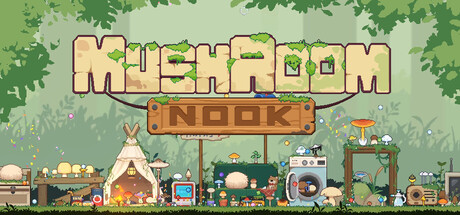
All core content—including mushrooms, ornaments, scenes, animals, sounds, and more—is created, designed, and produced by us personally. AI tools are used solely as an auxiliary means to enhance efficiency (e.g., translation, programming assistance, generating references, etc.).
I'm a solo developer so I have used AI to help fill in some gaps. Music and very minor pieces of art were created using AI. However I have supported many artists during the making of this game by purchasing asset packs that worked. I've been in the game industry for over a decade and am extremely sensitive to the use of AI but this project wouldn't exist without it and I am very proud of what I have made. My heart, soul, and countless hours have been poured into the project and AI was only used if there was no other reasonable/affordable choice.
During the early prototyping phase, I use AI tools to visualize initial concepts and create temporary placeholders. All of these have been completely replaced in the final game with hand-crafted art created by myself and talented freelancers.
This app includes pre-generated content created or assisted using generative AI.
This includes the game logo, title screen, certain story-related images used during key moments of the game, a majority of item-related visuals (such as weapons, armors, accessories, and quest items), and approximately 60% of character portraits used in dialogue.
All such content was selected, reviewed, and in many cases manually edited and integrated by the developer before being included in the game or on the store page.
Additionally, most of the game's plugins were developed with the assistance of AI tools. No AI is used at runtime or during gameplay.
AI was used to generate art pieces for the Steam Store Page as placeholder. As the developing continues and feedback from the community comes, those placeholders will be changed to real art done by real persons.
Some in-game art is created with AI-assisted workflows.
Players can also use AI to generate their own characters from photos, making each hero feel more personal.
HEME is a solo project created by a developer pursuing a dream without formal training. To bring this vision to life, Generative AI was used as a primary collaborator throughout the development:
Art & Graphics: AI assisted in creating concept art, environmental designs, and refining visual assets to match the game's emotional tone.
Coding & Technical: AI served as a mentor and technical assistant to write, debug, and optimize game logic within the Unity engine.
Narrative & Translation: AI helped in refining the script and ensuring the dramatic elements are effectively communicated in both Thai and English.
Development Support: Beyond technical tasks, AI served as a constant source of guidance and support for the solo developer during this challenging journey.
Generative AI was used during development only for early ideation and reference purposes. All final in-game assets, visuals, audio, writing, and gameplay content were created manually and are not AI-generated. The game does not use any live-generated AI content.
This game uses AI-generated images for character portraits, standing illustrations, and some backgrounds.
All generated assets have been revised and refined, and do not infringe on any existing copyrights or rights.
Graphics (Title Screen):
AI was used to generate the base image for the title screen. This output was then manually edited, adjusted for layout, and refined to create the final visual.
Localization (Translation):
AI was used as an assistant in the translation process. Following the initial AI-generated draft, all text has been manually reviewed and edited to ensure contextual accuracy and quality.
After I personally finalized the design phase, some art assets were first rendered using generative AI tools, and I then manually refined and detailed them.
Similarly, certain background music pieces were developed with the help of generative AI tools.
Should you have any concerns about these methods, please feel free to experience the game according to your own preferences. Thank you for your understanding and consideration.
After I personally finalized the design phase, some art assets were first rendered using generative AI tools, and I then manually refined and detailed them.
Similarly, certain background music pieces were developed with the help of generative AI tools.
Should you have any concerns about these methods, please feel free to experience the game according to your own preferences. Thank you for your understanding and consideration.
This game includes content generated by generative AI.
Content created using generative AI:
BGM (in-game)
Advertisement images (in-game)
Translations (in-game)
Promotional video BGM (store page)
Advertisement images behind the logo (store page)
Translations of the game description (store page)
This game utilizes generative AI for part of its localized text and certain background environment assets. These tools were used to enhance development efficiency, and all final outputs have been curated and edited by our team.
Remember to Die was built solo with no official budget using AI as a creative instrument — not to replace the human decisions, but to handle the ones that would have made this game impossible otherwise. No jobs were lost, but a game was made possible.
Generative AI tools were used exclusively for the creation of marketing materials and store capsules. No generative AI was used to create the in-game assets, which consist of a mix of custom work and hand-crafted assets from third-party creators.
Generative AI is used only to assist with localization/translation. All localized text is reviewed and edited by the developer.
No AI-generated art, audio, or in-game live generation is used.
This game uses generative AI in several components. As a solo/small developer, the project wouldn't be feasible without it, but my goal is to fund human-created replacements through the game's revenue after early acces release.
Artwork-
AI generates the base/reference character sprites, which I then paint over and animate by hand.
Item and tileset sprites follow the same treatment, some items may remain unedited in early access to be reviewed later.
Music - AI generated music with rights held by Bonehead Labs.
Capsule art - combination of AI generation and hand-work.
During the development process, we may use AI-based tools to assist with content creation. In all such cases, the final product reflects the creativity and expression of our own development team.
All core content—including mushrooms, ornaments, scenes, animals, sounds, and more—is created, designed, and produced by us personally. AI tools are used solely as an auxiliary means to enhance efficiency (e.g., translation, programming assistance, generating references, etc.).
I'm a solo developer so I have used AI to help fill in some gaps. Music and very minor pieces of art were created using AI. However I have supported many artists during the making of this game by purchasing asset packs that worked. I've been in the game industry for over a decade and am extremely sensitive to the use of AI but this project wouldn't exist without it and I am very proud of what I have made. My heart, soul, and countless hours have been poured into the project and AI was only used if there was no other reasonable/affordable choice.