Public Steam disclosure research25,512 disclosures tracked
Where do games disclose AI use?
Search developers’ Steam disclosures, compare classified AI use across
games, and follow recorded changes.
This index adds cross-game classifications and statistics to
statements published on individual store pages.
Groups reflect automatic analysis of public disclosures; mature records are excluded. These counts do not measure AI use across all of Steam.
Missing or unclear statements cannot establish whether a game uses AI.
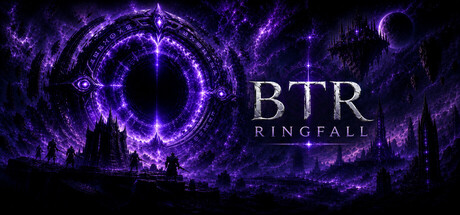
Some title and UI illustration assets were created with image generation tools during development, then selected and implemented by the developer. Audio is procedurally synthesized in-engine and is not generative-AI music. The game does not generate AI content at runtime.
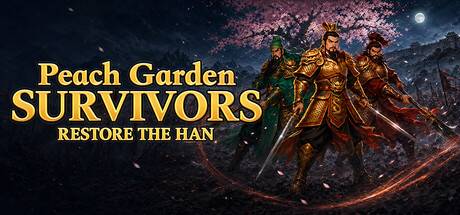
Some promotional and store assets for this game, including the capsule images, library artwork and application icons, were created with the assistance of generative AI tools.
All in game visuals are generated procedurally by the game's own code at runtime: characters, buildings, terrain, animals and effects are drawn from algorithmic vector shapes, not from AI generated images. All audio is synthesised in real time by the game engine. All game code was written by the developer.
This game was developed with the assistance of generative AI tools. Some graphical assets were created using AI and then reviewed, edited, and integrated by the developer. AI tools were also used to assist with writing code. All game design, gameplay mechanics, and final content decisions were made by the developer. The game does not generate AI content at runtime.
Pre-generated content only. This game does not run any AI at runtime.
Visual art: 444 image files were created with generative AI during development —
equipment sprites, ability icons, monster sheets, character portraits, building
art, terrain and UI textures, the title screen and the game icon. The tool was
ChatGPT (OpenAI), web interface, image generation, in sessions between 13 July
and 1 August 2026. The author recalls the model as GPT-5.5, but the interface did
not record the exact model version, so only the date range is documented.
Text: the in-game text — tutorial, mission and event wording, item and interface
strings — was drafted with generative AI assistance and then reviewed and edited
by the author. Spanish is the original language.
Translations: the English, German and Italian versions of the in-game text were
produced from the Spanish original with generative AI.
Not AI-generated: all remaining art comes from CC0, CC BY 3.0 and CC BY-SA 3.0
sources (Liberated Pixel Cup, 7Soul, Kenney), credited in full on the in-game
credits screen. All music and sound effects are CC0 or CC BY. No AI-generated
voice or music ships with the game.
Generative AI was used during development to assist in the creation of some visual assets and music. All AI-assisted content was reviewed, selected, and integrated by the development team. The game does not use generative AI to create content in real time during gameplay.
Generative AI tools were used during development to assist with the creation of some visual and audio assets. All AI-assisted content was substantially edited by the developers and paid artists.
Some artwork and visual assets in this game were created with the assistance of generative AI tools during development. All such content was reviewed, edited, and integrated into the game by the developer.
This game uses AI-generated imagery. Character portraits, backgrounds, card illustrations, and UI assets were created with generative AI image tools, then reviewed, edited to fit the game's art direction. Store page capsules use the same artwork.
Writing, game design, code, and systems are authored by a human developer. Nothing is generated while the game is running.
This game uses generative AI tools in the creation of some of its pre-rendered content, including parts of its artwork and store page assets. All AI-assisted material was reviewed, edited, and approved by the development team before being included in the final product. No content is generated by AI during gameplay, and the game does not connect to any external AI service while running.
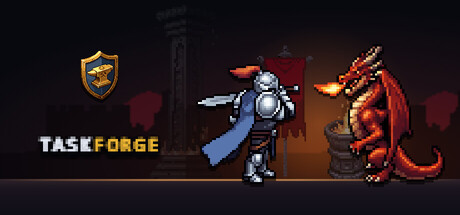
The pixel art in Taskforge — character and enemy sprites, animation frames, item and UI icons, scenery pieces and the game's emblem — was produced with the help of an AI image generation tool during development. Every generated asset was reviewed, selected, edited and assembled by hand, and ships as a fixed image file. Nothing is generated while you play: the game contains only static assets and never calls an AI service at runtime. Code, game design, balance data and all written text were made by the developer.
The pixel art in this game was created with an AI image generation tool (Pixellab).
Generated art is never used as-is: the style, proportions and palette standards are set by a human,
every sprite is reviewed by eye, and anything off-standard is rejected and redone. Grounding,
animation continuity and color consistency are likewise human-checked before adoption.
Game design, balance and specification decisions are made by a human. AI-assisted tools are also
used in the development process.
Nothing is generated by AI at runtime (pre-generated content only).
This game has been developed using AI programming agents, and also contains audio and image files generated by AI. No AI contents are generated during gameplay.
During development, generative tools were used for selected textures and supporting visual elements in the game and store artwork. These assets were reviewed and integrated by the developer. All content is fixed in the shipped game; nothing is generated during gameplay.
Generative AI tools were used during development to assist in creating some pre-generated promotional artwork and 2D art assets. No AI-generated content is created during gameplay.
Generative AI tools were used during development to assist with certain pre-generated visual elements and sequences in the game. All such materials were reviewed, selected, edited, and integrated into the final video content by the Dev team. The game’s narrative, interactive structure, gameplay logic, and final presentation are created and controlled by the Dev team.
No generative AI is used during gameplay, and no content is generated dynamically for players.
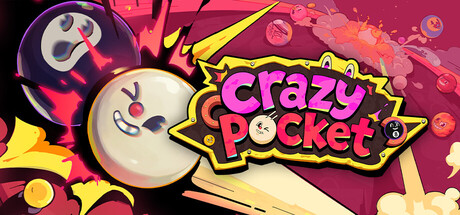
AI was only used to generate minimal resources to support ball and chalk design.
All AI-assisted content has been reviewed, and the final assets were manually drawn and retouched to fit the game's artistic style and atmosphere.
This game used generative AI tools during development to assist with a limited portion of visual and audio asset creation. All AI-assisted content was reviewed and curated by the developer before release. No AI content is generated live during gameplay.
Some of this game's shipped assets were created with the assistance of generative AI and then manually curated and edited by the developers: background artwork (landscape silhouettes), the current music tracks (temporary, until our hand-crafted soundtrack is finished), and parts of the English localization. No content is generated by AI at runtime, and the game does not connect to any AI services.
Some of this game's assets were made with the assistance of generative AI tools and were reviewed, curated and hand-finished by the developer. No content is generated while you play.
Some of this game's art and audio assets were created using generative AI tools, from the studio's own prompts and under our tool licenses, then curated and edited by the team. All game code and text were written by hand.
Some of this game's pre-generated assets were created by Meridian Studios using generative AI tools, from our own prompts and under our licenses: 2D art (illustrations, backgrounds, character and enemy tokens, icons, and store art) generated with FLUX via the Replicate API, and a portion of the sound effects generated with ElevenLabs. All AI-assisted assets were reviewed, curated, and integrated by the studio. No AI-generated content is produced live during gameplay, and no player data is sent to any AI service.
AI-assisted translation tools are used to help localize this game's text for international audiences, including English and any additional languages added in the future.
No AI-generated content is used for graphics, sound, or narrative/story content.
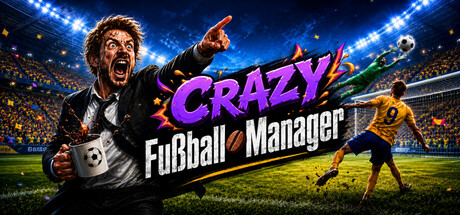
Generative AI was used extensively throughout the development of **Crazy Fußball-Manager**. **ChatGPT Codex** and **Claude Code** were used primarily for programming, technical implementation, and textual content. Graphics and visual assets were created and edited with the assistance of generative AI tools. **Suno** and **Mureka** were used to create music, sound effects, and other audio content.
Nearly all content in the game – including code, graphics, text, music, and sounds – was created with the assistance of generative AI and subsequently integrated into the game.
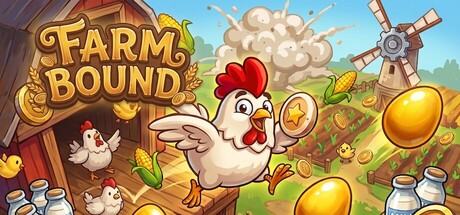
Generative AI Disclosure: During the development of Farm Idle, generative AI tools were utilized to assist with creating and conceptualizing some 2D UI icons, menu graphics, and localized text. All generated assets were reviewed, cleaned, edited, and integrated by the development team to fit the game's pixel-art aesthetic. No AI content is generated in real-time while playing the game.
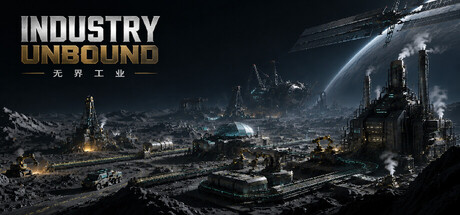
Industry Unbound includes a limited number of pre-generated visual assets created with the assistance of generative AI. Each asset was selected, reviewed, and edited by the developer before release. Generative AI is not used to generate content in real time during gameplay.
I developed this game entirely on my own, handling all the game design, hand-drawn artwork, and music composition myself.
Only the translations/localizations were generated by AI.
Some visual assets and music used in this game were created with the assistance of generative AI. All AI-generated content was reviewed, if needed edited, and curated by the developer before being included in the game.
Generative AI tools were used as part of the content creation process for this game:
- Visual assets — some item, charm and UI sprites were generated with AI assistance and used as a base, then reviewed, reworked and finalized by the team before being integrated into the game
- Store page artwork — AI image generation was used as a starting point, then reworked, recolored and finalized by the team to match the game's pixel art style
A large part of the game's code was written with the help of AI coding assistants.
All content was reviewed and approved by the team before shipping.
Music and lyrics written by Richard Robledo. Music composed by hand in LMMS digital audio workstation, and orchestrated into larger pieces with Suno AI. Pixel art depictions of authors generated by Nano Banana 2.
To make One More Chop more accessible to players around the world, AI-assisted tools were used as part of the localization process for supported languages. Their use is limited to translation and localization support, helping us make the game available to players across a wider range of languages and regions.
Generative AI tools were used to assist with programming during development and to support the creation of some of the game's music. All AI-assisted content was reviewed and integrated by the developer.
Generative AI was used solely to assist with drafting and translating the Japanese and English descriptions for the Steam store page. Generative AI was not used for any other purpose. All content within the game itself was created by humans.
Some title and UI illustration assets were created with image generation tools during development, then selected and implemented by the developer. Audio is procedurally synthesized in-engine and is not generative-AI music. The game does not generate AI content at runtime.
Some promotional and store assets for this game, including the capsule images, library artwork and application icons, were created with the assistance of generative AI tools.
All in game visuals are generated procedurally by the game's own code at runtime: characters, buildings, terrain, animals and effects are drawn from algorithmic vector shapes, not from AI generated images. All audio is synthesised in real time by the game engine. All game code was written by the developer.
This game was developed with the assistance of generative AI tools. Some graphical assets were created using AI and then reviewed, edited, and integrated by the developer. AI tools were also used to assist with writing code. All game design, gameplay mechanics, and final content decisions were made by the developer. The game does not generate AI content at runtime.
Pre-generated content only. This game does not run any AI at runtime.
Visual art: 444 image files were created with generative AI during development —
equipment sprites, ability icons, monster sheets, character portraits, building
art, terrain and UI textures, the title screen and the game icon. The tool was
ChatGPT (OpenAI), web interface, image generation, in sessions between 13 July
and 1 August 2026. The author recalls the model as GPT-5.5, but the interface did
not record the exact model version, so only the date range is documented.
Text: the in-game text — tutorial, mission and event wording, item and interface
strings — was drafted with generative AI assistance and then reviewed and edited
by the author. Spanish is the original language.
Translations: the English, German and Italian versions of the in-game text were
produced from the Spanish original with generative AI.
Not AI-generated: all remaining art comes from CC0, CC BY 3.0 and CC BY-SA 3.0
sources (Liberated Pixel Cup, 7Soul, Kenney), credited in full on the in-game
credits screen. All music and sound effects are CC0 or CC BY. No AI-generated
voice or music ships with the game.
Generative AI was used during development to assist in the creation of some visual assets and music. All AI-assisted content was reviewed, selected, and integrated by the development team. The game does not use generative AI to create content in real time during gameplay.
Generative AI tools were used during development to assist with the creation of some visual and audio assets. All AI-assisted content was substantially edited by the developers and paid artists.
Some artwork and visual assets in this game were created with the assistance of generative AI tools during development. All such content was reviewed, edited, and integrated into the game by the developer.
This game uses AI-generated imagery. Character portraits, backgrounds, card illustrations, and UI assets were created with generative AI image tools, then reviewed, edited to fit the game's art direction. Store page capsules use the same artwork.
Writing, game design, code, and systems are authored by a human developer. Nothing is generated while the game is running.
This game uses generative AI tools in the creation of some of its pre-rendered content, including parts of its artwork and store page assets. All AI-assisted material was reviewed, edited, and approved by the development team before being included in the final product. No content is generated by AI during gameplay, and the game does not connect to any external AI service while running.
The pixel art in Taskforge — character and enemy sprites, animation frames, item and UI icons, scenery pieces and the game's emblem — was produced with the help of an AI image generation tool during development. Every generated asset was reviewed, selected, edited and assembled by hand, and ships as a fixed image file. Nothing is generated while you play: the game contains only static assets and never calls an AI service at runtime. Code, game design, balance data and all written text were made by the developer.
The pixel art in this game was created with an AI image generation tool (Pixellab).
Generated art is never used as-is: the style, proportions and palette standards are set by a human,
every sprite is reviewed by eye, and anything off-standard is rejected and redone. Grounding,
animation continuity and color consistency are likewise human-checked before adoption.
Game design, balance and specification decisions are made by a human. AI-assisted tools are also
used in the development process.
Nothing is generated by AI at runtime (pre-generated content only).
This game has been developed using AI programming agents, and also contains audio and image files generated by AI. No AI contents are generated during gameplay.
During development, generative tools were used for selected textures and supporting visual elements in the game and store artwork. These assets were reviewed and integrated by the developer. All content is fixed in the shipped game; nothing is generated during gameplay.
Generative AI tools were used during development to assist in creating some pre-generated promotional artwork and 2D art assets. No AI-generated content is created during gameplay.
Generative AI tools were used during development to assist with certain pre-generated visual elements and sequences in the game. All such materials were reviewed, selected, edited, and integrated into the final video content by the Dev team. The game’s narrative, interactive structure, gameplay logic, and final presentation are created and controlled by the Dev team.
No generative AI is used during gameplay, and no content is generated dynamically for players.
AI was only used to generate minimal resources to support ball and chalk design.
All AI-assisted content has been reviewed, and the final assets were manually drawn and retouched to fit the game's artistic style and atmosphere.
This game used generative AI tools during development to assist with a limited portion of visual and audio asset creation. All AI-assisted content was reviewed and curated by the developer before release. No AI content is generated live during gameplay.
Some of this game's shipped assets were created with the assistance of generative AI and then manually curated and edited by the developers: background artwork (landscape silhouettes), the current music tracks (temporary, until our hand-crafted soundtrack is finished), and parts of the English localization. No content is generated by AI at runtime, and the game does not connect to any AI services.
Some of this game's assets were made with the assistance of generative AI tools and were reviewed, curated and hand-finished by the developer. No content is generated while you play.
Some of this game's art and audio assets were created using generative AI tools, from the studio's own prompts and under our tool licenses, then curated and edited by the team. All game code and text were written by hand.
Some of this game's pre-generated assets were created by Meridian Studios using generative AI tools, from our own prompts and under our licenses: 2D art (illustrations, backgrounds, character and enemy tokens, icons, and store art) generated with FLUX via the Replicate API, and a portion of the sound effects generated with ElevenLabs. All AI-assisted assets were reviewed, curated, and integrated by the studio. No AI-generated content is produced live during gameplay, and no player data is sent to any AI service.
AI-assisted translation tools are used to help localize this game's text for international audiences, including English and any additional languages added in the future.
No AI-generated content is used for graphics, sound, or narrative/story content.
Generative AI was used extensively throughout the development of **Crazy Fußball-Manager**. **ChatGPT Codex** and **Claude Code** were used primarily for programming, technical implementation, and textual content. Graphics and visual assets were created and edited with the assistance of generative AI tools. **Suno** and **Mureka** were used to create music, sound effects, and other audio content.
Nearly all content in the game – including code, graphics, text, music, and sounds – was created with the assistance of generative AI and subsequently integrated into the game.
Generative AI Disclosure: During the development of Farm Idle, generative AI tools were utilized to assist with creating and conceptualizing some 2D UI icons, menu graphics, and localized text. All generated assets were reviewed, cleaned, edited, and integrated by the development team to fit the game's pixel-art aesthetic. No AI content is generated in real-time while playing the game.
Industry Unbound includes a limited number of pre-generated visual assets created with the assistance of generative AI. Each asset was selected, reviewed, and edited by the developer before release. Generative AI is not used to generate content in real time during gameplay.
I developed this game entirely on my own, handling all the game design, hand-drawn artwork, and music composition myself.
Only the translations/localizations were generated by AI.
Some visual assets and music used in this game were created with the assistance of generative AI. All AI-generated content was reviewed, if needed edited, and curated by the developer before being included in the game.
Generative AI tools were used as part of the content creation process for this game:
- Visual assets — some item, charm and UI sprites were generated with AI assistance and used as a base, then reviewed, reworked and finalized by the team before being integrated into the game
- Store page artwork — AI image generation was used as a starting point, then reworked, recolored and finalized by the team to match the game's pixel art style
A large part of the game's code was written with the help of AI coding assistants.
All content was reviewed and approved by the team before shipping.
Music and lyrics written by Richard Robledo. Music composed by hand in LMMS digital audio workstation, and orchestrated into larger pieces with Suno AI. Pixel art depictions of authors generated by Nano Banana 2.
To make One More Chop more accessible to players around the world, AI-assisted tools were used as part of the localization process for supported languages. Their use is limited to translation and localization support, helping us make the game available to players across a wider range of languages and regions.
Generative AI tools were used to assist with programming during development and to support the creation of some of the game's music. All AI-assisted content was reviewed and integrated by the developer.
Generative AI was used solely to assist with drafting and translating the Japanese and English descriptions for the Steam store page. Generative AI was not used for any other purpose. All content within the game itself was created by humans.