Public Steam disclosure research25,383 disclosures tracked
Where do games disclose AI use?
Search developers’ Steam disclosures, compare classified AI use across
games, and follow recorded changes.
This index adds cross-game classifications and statistics to
statements published on individual store pages.
Groups reflect automatic analysis of public disclosures; mature records are excluded. These counts do not measure AI use across all of Steam.
Missing or unclear statements cannot establish whether a game uses AI.
In the game, the background image of the main interface and the static materials included in the plot animations are presented in a form that combines the original AI - generated images with subsequent modifications.
AI-generated content does not directly affect the player's experience in our game. AI has been used as a development tool to optimize content creation, such as scriptwriting for videos, cinematics, character models, and sound effects. However, all gameplay and in-game interactions have been manually designed and fine-tuned to ensure an authentic and controlled experience.
The Voice Lines of the characters were all AI generated using open-source tools.
The Store Page and Library Artworks are partially AI generated and AI enhanced (AI upscaled and edited).
The Store description is enhanced using AI.
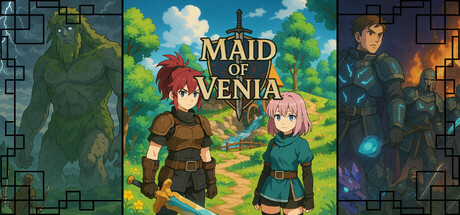
In developing Maid of Venia, I harnessed the power of AI tools to create compelling and immersive cutscenes. Using art editing software, I refined the visual elements to align with the story’s rich, fantasy-driven aesthetic, enhancing the details and creating cinematic transitions. For voice acting, Eleven Labs provided lifelike and emotionally resonant performances that brought the characters of Venia to life. Suno’s AI-driven music composition tools helped craft a unique and evocative soundtrack, blending traditional and modern sounds to enrich the game’s atmosphere. These AI technologies enabled me to elevate the storytelling and artistry of Maid of Venia, making it a truly captivating experience.
This game incorporates generative artificial intelligence to create select assets, including some in-game textures and AI-generated voices, enhancing the immersive and dynamic player experience. This game does not use AI to live-generated content or code during gameplay.
Some images and videos used in in-game signs
Character voices: AI placeholders; professional voice acting is intended for a future update.
Translations
The game uses very simple artificial intelligence and on some occasions, an algorithm randomly draws hints to help you progress through the game, the soundtrack varies depending on the scenarios. All characters and images were generated by artificial intelligence and are completely fictitious.
"Resurrection: The Judgment" incorporates AI technology to enhance the player experience by creating dynamic and immersive gameplay elements.
Pre-Designed AI Content: All visuals, dialogues, and story elements generated with AI have been carefully curated and integrated into the game during development to ensure originality and quality.
No Live AI Interaction: The game does not use live AI systems or external services during gameplay, ensuring a stable and seamless experience.
Enhanced Immersion: AI-generated assets help build a rich and atmospheric world, offering players a deeper connection to the game's narrative and setting.
Our use of AI is guided by respect for creativity and adherence to ethical standards, ensuring all content is unique and tailored to the Resurrection: The Judgment universe.
AI use was minimal and limited to non-gameplay elements, such as generating some in-game audio, assisting with draft texts, and providing a rough sketch for the initial logo concept.
All gameplay, design, and final assets were created and refined by hand.
Tropicalypse and AI
In Tropicalypse, our primary focus is to deliver an engaging, immersive experience for players. AI is not used in the game mechanics, story design, or player interactions. Instead, we utilize AI tools solely for creating high-quality marketing materials, such as promotional visuals, descriptions, and campaign strategies. This ensures that all in-game content is crafted directly by our development team to maintain a personal, hand-designed touch. Our use of AI is purely external and aims to enhance how we present Tropicalypse to the world, without affecting the authenticity of your gameplay experience.
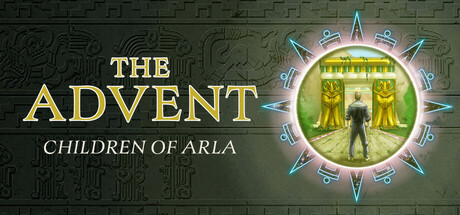
It will be used to help generate randomness and realism to the NPC interactions. The hope is pull content from my book, Children of Arla, to help support the plot and story in the game.
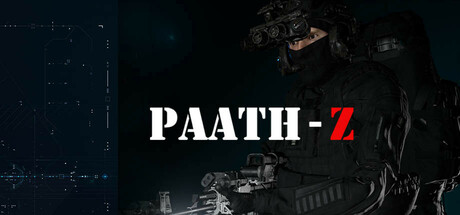
PAATH-Z embraces cutting-edge technology by incorporating AI-generated images to enhance the game’s immersive atmosphere. AI was utilized to create intricate creature textures, detailed panel backgrounds, and striking static imagery, adding depth and realism to the world and advertising. These AI-driven elements complement the design process, bringing a unique visual style that captures the eerie and intense nature of the PAATH-Z universe, while maintaining the creative vision of the development team.
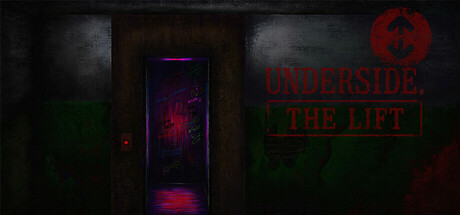
Some elements of Underside: The Lift were partially created using generative artificial intelligence tools:
Several environment artworks and the project logo were generated with the help of AI tools and later refined manually.
A portion of the in-game notes and lore texts were drafted with the help of AI and then edited by the developer.
The game's Steam store page and marketing materials do not include AI-generated content. Only minor editorial assistance from AI was used when writing the store description.
There is no generative AI operating in real time within the game itself.
"This game uses AI-generated assets, such as images, that were pre-generated before development. The game does not feature live AI content generation."
Game visuals were created using artificial intelligence.
Artificial intelligence has been used in the game’s promotional visuals and in some in-game items.
The game's store page images and library visuals were created using AI tools (e.g., StableDiffusion). These visuals were generated during the development process and are static assets, the same for all players.
The game does not include any live-generated AI content. All in-game assets are pre-designed and do not involve dynamic AI generation based on player input.
Some development tools using AI were used to assist with scripting, visual assets, and translation support. All content was finalized and curated by the developer before inclusion in the game.
Some armor sets, mount textures, building textures, character textures and game store page art is generated with AI. The animated trailer is also made with AI.
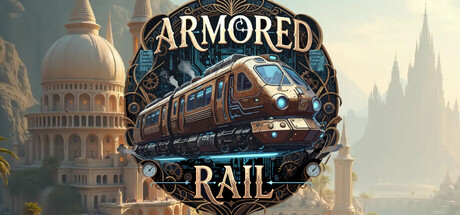
Armored Rail uses AI-generated content liberally. The game code is created using industry standard tools like Claude Code and Windsurf. Art assets are created using generative AI (textures, images and meshes).
Music and sound effects are human made.
We used AI to generate pre-rendered content for this game.
for example some icons. and we used ai for get some advice.
We have NOT use AI to live-generate content or code during gameplay yet.
Used chat got to. Generate 3 pictures for my video story,
1. A yatch sailing on a sea
2. A news paper fake news about the name of the game
3. A news paper fake info saying dream killer related to the narration of the game to immerse the players more into a story view.
All fictional. I used them on the videos.
In Occultus Vitae, AI is used to pre-generate the game’s music, creating a haunting and immersive soundtrack. The AI-composed tracks are tailored to enhance the eerie atmosphere and align with the game’s dark and suspenseful themes, adding depth to the overall experience.
Some promotional materials, including the trailer banner and capsule image, were created using generative AI tools. All in-game content—such as visuals, audio, and gameplay assets—are entirely handcrafted or sourced without AI generation.
In the game, the background image of the main interface and the static materials included in the plot animations are presented in a form that combines the original AI - generated images with subsequent modifications.
AI-generated content does not directly affect the player's experience in our game. AI has been used as a development tool to optimize content creation, such as scriptwriting for videos, cinematics, character models, and sound effects. However, all gameplay and in-game interactions have been manually designed and fine-tuned to ensure an authentic and controlled experience.
The Voice Lines of the characters were all AI generated using open-source tools.
The Store Page and Library Artworks are partially AI generated and AI enhanced (AI upscaled and edited).
The Store description is enhanced using AI.
In developing Maid of Venia, I harnessed the power of AI tools to create compelling and immersive cutscenes. Using art editing software, I refined the visual elements to align with the story’s rich, fantasy-driven aesthetic, enhancing the details and creating cinematic transitions. For voice acting, Eleven Labs provided lifelike and emotionally resonant performances that brought the characters of Venia to life. Suno’s AI-driven music composition tools helped craft a unique and evocative soundtrack, blending traditional and modern sounds to enrich the game’s atmosphere. These AI technologies enabled me to elevate the storytelling and artistry of Maid of Venia, making it a truly captivating experience.
This game incorporates generative artificial intelligence to create select assets, including some in-game textures and AI-generated voices, enhancing the immersive and dynamic player experience. This game does not use AI to live-generated content or code during gameplay.
Some images and videos used in in-game signs
Character voices: AI placeholders; professional voice acting is intended for a future update.
Translations
The game uses very simple artificial intelligence and on some occasions, an algorithm randomly draws hints to help you progress through the game, the soundtrack varies depending on the scenarios. All characters and images were generated by artificial intelligence and are completely fictitious.
"Resurrection: The Judgment" incorporates AI technology to enhance the player experience by creating dynamic and immersive gameplay elements.
Pre-Designed AI Content: All visuals, dialogues, and story elements generated with AI have been carefully curated and integrated into the game during development to ensure originality and quality.
No Live AI Interaction: The game does not use live AI systems or external services during gameplay, ensuring a stable and seamless experience.
Enhanced Immersion: AI-generated assets help build a rich and atmospheric world, offering players a deeper connection to the game's narrative and setting.
Our use of AI is guided by respect for creativity and adherence to ethical standards, ensuring all content is unique and tailored to the Resurrection: The Judgment universe.
AI use was minimal and limited to non-gameplay elements, such as generating some in-game audio, assisting with draft texts, and providing a rough sketch for the initial logo concept.
All gameplay, design, and final assets were created and refined by hand.
Tropicalypse and AI
In Tropicalypse, our primary focus is to deliver an engaging, immersive experience for players. AI is not used in the game mechanics, story design, or player interactions. Instead, we utilize AI tools solely for creating high-quality marketing materials, such as promotional visuals, descriptions, and campaign strategies. This ensures that all in-game content is crafted directly by our development team to maintain a personal, hand-designed touch. Our use of AI is purely external and aims to enhance how we present Tropicalypse to the world, without affecting the authenticity of your gameplay experience.
It will be used to help generate randomness and realism to the NPC interactions. The hope is pull content from my book, Children of Arla, to help support the plot and story in the game.
PAATH-Z embraces cutting-edge technology by incorporating AI-generated images to enhance the game’s immersive atmosphere. AI was utilized to create intricate creature textures, detailed panel backgrounds, and striking static imagery, adding depth and realism to the world and advertising. These AI-driven elements complement the design process, bringing a unique visual style that captures the eerie and intense nature of the PAATH-Z universe, while maintaining the creative vision of the development team.
Some elements of Underside: The Lift were partially created using generative artificial intelligence tools:
Several environment artworks and the project logo were generated with the help of AI tools and later refined manually.
A portion of the in-game notes and lore texts were drafted with the help of AI and then edited by the developer.
The game's Steam store page and marketing materials do not include AI-generated content. Only minor editorial assistance from AI was used when writing the store description.
There is no generative AI operating in real time within the game itself.
"This game uses AI-generated assets, such as images, that were pre-generated before development. The game does not feature live AI content generation."
Game visuals were created using artificial intelligence.
Artificial intelligence has been used in the game’s promotional visuals and in some in-game items.
The game's store page images and library visuals were created using AI tools (e.g., StableDiffusion). These visuals were generated during the development process and are static assets, the same for all players.
The game does not include any live-generated AI content. All in-game assets are pre-designed and do not involve dynamic AI generation based on player input.
Some development tools using AI were used to assist with scripting, visual assets, and translation support. All content was finalized and curated by the developer before inclusion in the game.
Some armor sets, mount textures, building textures, character textures and game store page art is generated with AI. The animated trailer is also made with AI.
Armored Rail uses AI-generated content liberally. The game code is created using industry standard tools like Claude Code and Windsurf. Art assets are created using generative AI (textures, images and meshes).
Music and sound effects are human made.
We used AI to generate pre-rendered content for this game.
for example some icons. and we used ai for get some advice.
We have NOT use AI to live-generate content or code during gameplay yet.
Used chat got to. Generate 3 pictures for my video story,
1. A yatch sailing on a sea
2. A news paper fake news about the name of the game
3. A news paper fake info saying dream killer related to the narration of the game to immerse the players more into a story view.
All fictional. I used them on the videos.
In Occultus Vitae, AI is used to pre-generate the game’s music, creating a haunting and immersive soundtrack. The AI-composed tracks are tailored to enhance the eerie atmosphere and align with the game’s dark and suspenseful themes, adding depth to the overall experience.
Some promotional materials, including the trailer banner and capsule image, were created using generative AI tools. All in-game content—such as visuals, audio, and gameplay assets—are entirely handcrafted or sourced without AI generation.