Public Steam disclosure research25,376 disclosures tracked
Where do games disclose AI use?
Search developers’ Steam disclosures, compare classified AI use across
games, and follow recorded changes.
This index adds cross-game classifications and statistics to
statements published on individual store pages.
Groups reflect automatic analysis of public disclosures; mature records are excluded. These counts do not measure AI use across all of Steam.
Missing or unclear statements cannot establish whether a game uses AI.
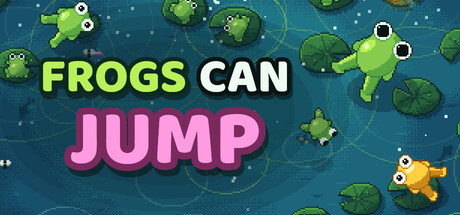
Frogs Can Jump uses generative AI only as a writing aid during development.
The game's text content (interface text) localization into the 14 supported interface languages were produced with
the assistance of large language models, directed and reviewed by the
developer. Parts of this store page were drafted the same way.
No AI-generated images, audio or video are used: all artwork, animation
and sound in the game are produced by hand-written procedural code. The
game does not generate any content with AI while you play, and it never
connects to an external AI service.
This game includes pre-generated artwork, music, and text created with generative AI. The game does not generate AI content during gameplay or connect to external AI services.
The game's sound effects were created with AI audio-generation tools during development, then selected and level-matched by the developer. Nothing is generated by AI while you play.
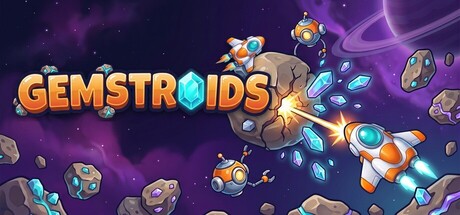
Gemstroids is a solo project, designed and directed by the developer. Art, music, sound effects, the in-game and store page texts and all translations were made with AI tools, then selected, edited and brought into one style by the developer.
This game contains pre-generated content only: no AI generates content during gameplay. The game's translations (English, German, Italian, Spanish) and the store page texts were produced with the help of AI tools, then reviewed. All in-game visuals are rendered from the game's own 3D models.
Generative AI was used to create promotional store artwork and assist with written store descriptions. The game includes Midnight Cocktails, an instrumental background-music track created with Suno. It contains no sung or spoken words.
Generative AI tools were used for parts of this game during development: some story and dialogue text, the English localization, store page text, and some of the code that draws patterns and shapes. The developer directed all of it, chose what to keep, and reviewed and edited every piece. The music and sound effects were not made with AI, and nothing is generated by AI while you play.
This game uses generative AI tools for the creation of certain static visual assets, including background images, loading screens, character portraits, marketing materials, and depictions of aircraft.
AI was used during development to create some of the game's visual artwork and graphical assets. The AI-generated assets are pre-generated and included as static content in the game. No AI content is generated during gameplay, and the game does not connect to or use an AI service at runtime.
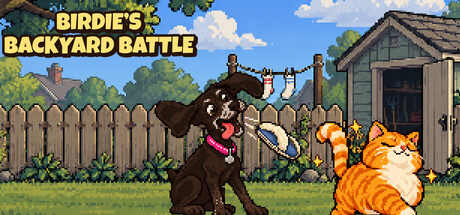
Character, enemy and background pixel art was created with AI image tools (ChatGPT, PixelLab) from photos of our real dog and cat and our own design notes, then edited, cut and arranged by the developer. Sprite animations were generated with PixelLab from that art. Game code was written with AI coding assistance (Claude) under the developer's direction. All game text was written or approved by the developer. The music is original, written note by note as code with AI coding assistance (Claude) and rendered with the free GeneralUser GS SoundFont; no AI audio generation and nothing sampled.
Generative AI tools were used during development to assist with certain pre-generated content, including localization and selected visual assets. All AI-assisted content was reviewed and edited by the developer before being included in the game. The game does not use generative AI during gameplay and does not connect to external AI services.
Generative AI was used to create some of the game's illustrations and graphical assets, as well as artwork for the Steam store page, including capsule images.
Some images in the game were generated using AI tools and then refined by the game's developer. All the music in the game was written by the game's developer, but the mastering was done using AI tools. The 3D character models (all except the zombie mutants) were initially generated via AI and later refined and adapted by the game's developer.
MAZZIOSI is made and polished by our team. During development, AI tools help us find bugs and make the game more enjoyable. Selected illustrations, UI art, music, sound effects, and parts of the story and localization were created or refined with AI, then reviewed and finalized by us. The game has no live AI generation or connection to AI services while you play.
Generative AI tools were used during development to assist with some UI artwork. The game does not generate new content using generative AI during gameplay.
Full disclaimer - Some code, artworks have been AI generated, through a custom model trained on images that were built specifically for the game with the kind assistance of a graphic designer friend of mine. I'm a solo dev with limited budget and I'm doing this out of passion - I just wouldn't have been able to build it without these tools
Generative AI supported the creation of parts of the artwork, sound effects and particular translations, all of which were carefully selected and refined by the developers. No AI content is generated during play.
Text content (both language editions and the store page) and graphics were created with the assistance of generative AI (Claude by Anthropic) and reviewed and approved by the developer. Sound effects are taken from a free online sound library (CC0 and CC BY) and are not AI-generated. The game does not generate any content with AI while running.
Generative AI tools were used during development to assist with the creation of some visual assets, text, audio, localization, and code. All AI-assisted content included in the game was reviewed and curated by the developer. No generative AI is used during gameplay.
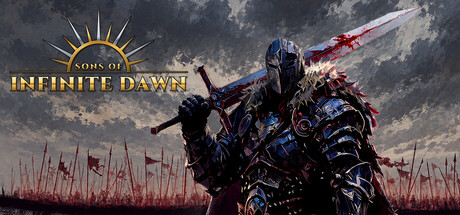
Generative AI was used during the visual development of Sons of Infinite Dawn to create and refine selected 2D artwork, textures and other visual assets used in the game and its store presentation. The resulting assets are reviewed and adjusted before use. No AI content is generated during gameplay, and the game does not connect to external AI services.
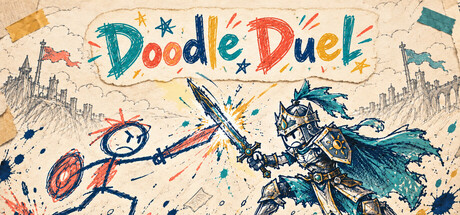
Some promotional materials for Doodle Duel, including animation and music created or assisted by generative AI tools based on game images, were made with generative AI. The game itself does not generate content at runtime and does not connect to external AI services.
Generative AI was used during development to assist with artwork and localization, including some store and promotional materials. The game does not generate AI content during gameplay or connect to external AI services.
Except for gameplay design and some sound effects and art assets, the game’s code, 3D models, localization text, and other content were generated by GPT during development. Development was carried out through direct conversations with the 6.0-Astra and 6.1sol large language models, without predefined workflows or external Skills. The 3D models were created from written descriptions and reference images, with GPT writing and executing Blender scripts.
All such content was created during development. The game does not use generative AI to create content in real time during gameplay.
In the future, we may use newer large language models to further improve the game’s art quality and visual presentation, while comparing how different large language models perform in game development.
Some character portraits in this game were created with the assistance of generative AI during development. All AI-assisted images were reviewed, edited, and approved by the development team before being included. The game contains no live generation features, and no AI content is generated dynamically during gameplay.
Pre-generated game artwork, including character, background, card, and interface art, was created with generative AI and edited for the game. Generative AI was also used for Steam store and library artwork, the logo, and icons. Gameplay screenshots were captured directly from the game. No AI content is generated during gameplay.
Generative AI tools were used during development to assist with localization, translation drafts, and selected promotional artwork. All AI-assisted content is pre-generated and reviewed before use. No generative AI is used at runtime.
The store texts and parts of the game's content, such as text and some 3D models, were made with the help of generative AI and then reviewed and edited by the developer. Nothing is generated by AI while you play.
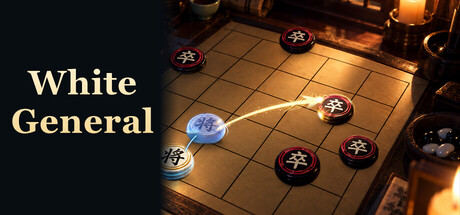
Some pre-made assets were created with the help of generative AI tools and then selected and edited by the developers: power-up card illustrations, achievement icons, store and key art, and some 3D chess piece models for cosmetic sets. The game does not generate any AI content while you play.
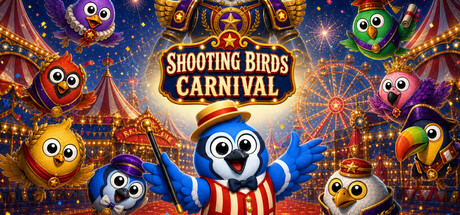
AI was used in this game was to compose the images and create the animation. Bird characters are hand drawn. Music and SFX are human engineered.
There is no dynamic use of AI to generate live content.
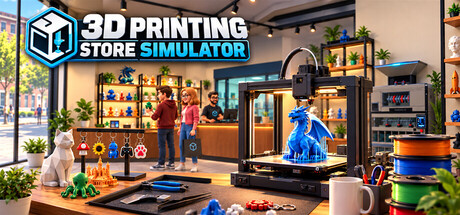
Generative AI tools were used during development to assist in creating some pre-generated 3D assets. All AI-assisted content is created and reviewed during development. The game does not generate AI content during gameplay and does not connect to external AI services.
Some store page artwork, the voices in the trailers and the sample phrases included with the app were created with the help of AI tools.
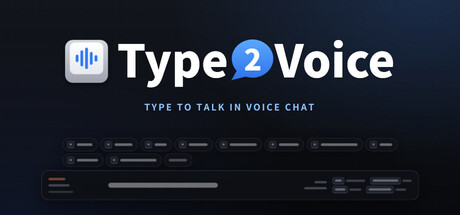
While you use the app, the text you type is converted into speech by AI speech synthesis: VOICEVOX and Kokoro running on your PC, Windows built-in voices, cloud services you choose to use with your own API key (Google Gemini TTS, ElevenLabs), or speech engines you install and run yourself (VOICEVOX-compatible engines, Irodori-TTS). The app never writes text on its own; it only reads aloud what you type.
Generative AI tools were used during development to help create portions of the game's audio, visual assets, and written content, including background music and sound effects. AI assistance was also used for promotional artwork. These materials were selected, edited, and reviewed by the developer before inclusion. The core gameplay rules, design decisions, and final implementation were directed by the developer. The game uses pre-generated content and does not generate new content with AI during gameplay.
Generative AI tools were used during development to assist with the creation of some artwork, music, and game code. All AI-assisted content was reviewed, edited, and integrated by the developer as part of the game’s creative and development process.
The in-game pixel art (fields, characters, vehicles, backgrounds, etc.), sound effects, and skill icons in this title were rendered and composited using a program created by AI under the developer’s direction, and were then reviewed and adjusted by the developer. The AI does not generate any content while the game is being played.
Generative AI tools were used during development to assist with the creation and refinement of selected visual assets, concept artwork, UI elements, promotional/store-page materials, and development content. All generated content is reviewed and curated before inclusion in the game. The game does not currently generate AI content live during gameplay.
BROKEN CHORD uses generative AI in the creation of selected music and visual assets used in the game and its presentation. AI-generated material is curated, edited, and integrated into the game’s overall artistic and audiovisual direction by the developer.
Some visual assets were generated using an in-house image model under our artist’s art direction (trained on open-licensed and proprietary data). Some UI elements were also created or refined using AI-assisted UI tools. We review, select, and edit assets before integrating them into the game.
Some music was created using AI-assisted music tools under our creative direction. We review, select, and edit the outputs before integrating them into the game.
Frogs Can Jump uses generative AI only as a writing aid during development.
The game's text content (interface text) localization into the 14 supported interface languages were produced with
the assistance of large language models, directed and reviewed by the
developer. Parts of this store page were drafted the same way.
No AI-generated images, audio or video are used: all artwork, animation
and sound in the game are produced by hand-written procedural code. The
game does not generate any content with AI while you play, and it never
connects to an external AI service.
This game includes pre-generated artwork, music, and text created with generative AI. The game does not generate AI content during gameplay or connect to external AI services.
The game's sound effects were created with AI audio-generation tools during development, then selected and level-matched by the developer. Nothing is generated by AI while you play.
Gemstroids is a solo project, designed and directed by the developer. Art, music, sound effects, the in-game and store page texts and all translations were made with AI tools, then selected, edited and brought into one style by the developer.
This game contains pre-generated content only: no AI generates content during gameplay. The game's translations (English, German, Italian, Spanish) and the store page texts were produced with the help of AI tools, then reviewed. All in-game visuals are rendered from the game's own 3D models.
Generative AI was used to create promotional store artwork and assist with written store descriptions. The game includes Midnight Cocktails, an instrumental background-music track created with Suno. It contains no sung or spoken words.
Generative AI tools were used for parts of this game during development: some story and dialogue text, the English localization, store page text, and some of the code that draws patterns and shapes. The developer directed all of it, chose what to keep, and reviewed and edited every piece. The music and sound effects were not made with AI, and nothing is generated by AI while you play.
This game uses generative AI tools for the creation of certain static visual assets, including background images, loading screens, character portraits, marketing materials, and depictions of aircraft.
AI was used during development to create some of the game's visual artwork and graphical assets. The AI-generated assets are pre-generated and included as static content in the game. No AI content is generated during gameplay, and the game does not connect to or use an AI service at runtime.
Character, enemy and background pixel art was created with AI image tools (ChatGPT, PixelLab) from photos of our real dog and cat and our own design notes, then edited, cut and arranged by the developer. Sprite animations were generated with PixelLab from that art. Game code was written with AI coding assistance (Claude) under the developer's direction. All game text was written or approved by the developer. The music is original, written note by note as code with AI coding assistance (Claude) and rendered with the free GeneralUser GS SoundFont; no AI audio generation and nothing sampled.
Generative AI tools were used during development to assist with certain pre-generated content, including localization and selected visual assets. All AI-assisted content was reviewed and edited by the developer before being included in the game. The game does not use generative AI during gameplay and does not connect to external AI services.
Generative AI was used to create some of the game's illustrations and graphical assets, as well as artwork for the Steam store page, including capsule images.
Some images in the game were generated using AI tools and then refined by the game's developer. All the music in the game was written by the game's developer, but the mastering was done using AI tools. The 3D character models (all except the zombie mutants) were initially generated via AI and later refined and adapted by the game's developer.
MAZZIOSI is made and polished by our team. During development, AI tools help us find bugs and make the game more enjoyable. Selected illustrations, UI art, music, sound effects, and parts of the story and localization were created or refined with AI, then reviewed and finalized by us. The game has no live AI generation or connection to AI services while you play.
Generative AI tools were used during development to assist with some UI artwork. The game does not generate new content using generative AI during gameplay.
Full disclaimer - Some code, artworks have been AI generated, through a custom model trained on images that were built specifically for the game with the kind assistance of a graphic designer friend of mine. I'm a solo dev with limited budget and I'm doing this out of passion - I just wouldn't have been able to build it without these tools
Generative AI supported the creation of parts of the artwork, sound effects and particular translations, all of which were carefully selected and refined by the developers. No AI content is generated during play.
Text content (both language editions and the store page) and graphics were created with the assistance of generative AI (Claude by Anthropic) and reviewed and approved by the developer. Sound effects are taken from a free online sound library (CC0 and CC BY) and are not AI-generated. The game does not generate any content with AI while running.
Generative AI tools were used during development to assist with the creation of some visual assets, text, audio, localization, and code. All AI-assisted content included in the game was reviewed and curated by the developer. No generative AI is used during gameplay.
Generative AI was used during the visual development of Sons of Infinite Dawn to create and refine selected 2D artwork, textures and other visual assets used in the game and its store presentation. The resulting assets are reviewed and adjusted before use. No AI content is generated during gameplay, and the game does not connect to external AI services.
Some promotional materials for Doodle Duel, including animation and music created or assisted by generative AI tools based on game images, were made with generative AI. The game itself does not generate content at runtime and does not connect to external AI services.
Generative AI was used during development to assist with artwork and localization, including some store and promotional materials. The game does not generate AI content during gameplay or connect to external AI services.
Except for gameplay design and some sound effects and art assets, the game’s code, 3D models, localization text, and other content were generated by GPT during development. Development was carried out through direct conversations with the 6.0-Astra and 6.1sol large language models, without predefined workflows or external Skills. The 3D models were created from written descriptions and reference images, with GPT writing and executing Blender scripts.
All such content was created during development. The game does not use generative AI to create content in real time during gameplay.
In the future, we may use newer large language models to further improve the game’s art quality and visual presentation, while comparing how different large language models perform in game development.
Some character portraits in this game were created with the assistance of generative AI during development. All AI-assisted images were reviewed, edited, and approved by the development team before being included. The game contains no live generation features, and no AI content is generated dynamically during gameplay.
Pre-generated game artwork, including character, background, card, and interface art, was created with generative AI and edited for the game. Generative AI was also used for Steam store and library artwork, the logo, and icons. Gameplay screenshots were captured directly from the game. No AI content is generated during gameplay.
Generative AI tools were used during development to assist with localization, translation drafts, and selected promotional artwork. All AI-assisted content is pre-generated and reviewed before use. No generative AI is used at runtime.
The store texts and parts of the game's content, such as text and some 3D models, were made with the help of generative AI and then reviewed and edited by the developer. Nothing is generated by AI while you play.
Some pre-made assets were created with the help of generative AI tools and then selected and edited by the developers: power-up card illustrations, achievement icons, store and key art, and some 3D chess piece models for cosmetic sets. The game does not generate any AI content while you play.
AI was used in this game was to compose the images and create the animation. Bird characters are hand drawn. Music and SFX are human engineered.
There is no dynamic use of AI to generate live content.
Generative AI tools were used during development to assist in creating some pre-generated 3D assets. All AI-assisted content is created and reviewed during development. The game does not generate AI content during gameplay and does not connect to external AI services.
Some store page artwork, the voices in the trailers and the sample phrases included with the app were created with the help of AI tools.
While you use the app, the text you type is converted into speech by AI speech synthesis: VOICEVOX and Kokoro running on your PC, Windows built-in voices, cloud services you choose to use with your own API key (Google Gemini TTS, ElevenLabs), or speech engines you install and run yourself (VOICEVOX-compatible engines, Irodori-TTS). The app never writes text on its own; it only reads aloud what you type.
Generative AI tools were used during development to help create portions of the game's audio, visual assets, and written content, including background music and sound effects. AI assistance was also used for promotional artwork. These materials were selected, edited, and reviewed by the developer before inclusion. The core gameplay rules, design decisions, and final implementation were directed by the developer. The game uses pre-generated content and does not generate new content with AI during gameplay.
Generative AI tools were used during development to assist with the creation of some artwork, music, and game code. All AI-assisted content was reviewed, edited, and integrated by the developer as part of the game’s creative and development process.
The in-game pixel art (fields, characters, vehicles, backgrounds, etc.), sound effects, and skill icons in this title were rendered and composited using a program created by AI under the developer’s direction, and were then reviewed and adjusted by the developer. The AI does not generate any content while the game is being played.
Generative AI tools were used during development to assist with the creation and refinement of selected visual assets, concept artwork, UI elements, promotional/store-page materials, and development content. All generated content is reviewed and curated before inclusion in the game. The game does not currently generate AI content live during gameplay.
BROKEN CHORD uses generative AI in the creation of selected music and visual assets used in the game and its presentation. AI-generated material is curated, edited, and integrated into the game’s overall artistic and audiovisual direction by the developer.
Some visual assets were generated using an in-house image model under our artist’s art direction (trained on open-licensed and proprietary data). Some UI elements were also created or refined using AI-assisted UI tools. We review, select, and edit assets before integrating them into the game.
Some music was created using AI-assisted music tools under our creative direction. We review, select, and edit the outputs before integrating them into the game.