








Disclosure
This game uses generative AI tools during development to assist with the following content: text translation, sound effects, and background artwork assets
- Creator
- JoyKeratif
- Reviews
- -
- Added
- Oct 9, 2026
Public Steam disclosure research 25,376 disclosures tracked
Search developers’ Steam disclosures, compare classified AI use across games, and follow recorded changes. This index adds cross-game classifications and statistics to statements published on individual store pages.
Code help, debugging and other development work.
Capsule art, trailers and promotional material.
Pre-made art, audio, writing and other game assets.
Interactive or runtime AI features disclosed by the developer.
Groups reflect automatic analysis of public disclosures; mature records are excluded. These counts do not measure AI use across all of Steam. Missing or unclear statements cannot establish whether a game uses AI.
This game uses generative AI tools during development to assist with the following content: text translation, sound effects, and background artwork assets
The remake's 3D robots, arenas and animation were produced with AI-assisted generation tools (image-to-3D and image generation) from the original game's designs, then authored, repaired and reviewed by hand in Blender and Unreal. The menu art shown in HD is AI-remastered from the original game's pictures, and the store page artwork was AI-generated from renders of our in-game robots. All AI content is pre-made during development; nothing is generated while you play. The music and sound effects are the original recordings, remastered without AI.
Parte del texturizado, la optimización de mallas y las traducciones se realizaron con ayuda de herramientas de IA generativa. Todo el contenido fue revisado y editado manualmente.
I used an AI coding assistant while building the game, and it helped come up with the achievement names and descriptions, and some events which I edited. Nothing else in the game is AI generated: the soundtrack is licensed from its creators, the radio voices are my own recordings, and the art and sounds are produced by the game's code.
Some voice lines (the narrator, phone messages and townspeople), some sound effects and the menu music were created with generative AI text-to-speech and audio tools (ElevenLabs) and edited by the developer. All visual art, 3D, animation, level design and code were made by the developer. No AI content is generated during gameplay.
AI was used in the creation and enhancement of the visuals and atmosphere of the game and to speed up the programming process
Parts of Tinselwood were made with generative AI during development: its music and sound effects, its interface icons and store art, some of its set-piece models, and parts of its code. All of it was reviewed and reworked by hand, and nothing is generated while you play.
AI was used for some sounds or small textures
The localization and some code snippets were generated using AI and reviewed
This game's 3D models, music, sound effects, and in-game text (dialogue, item names and descriptions) were created with the help of generative AI, under the developer's direction and review. The store images and trailer use this in-game content.
Some content was pre-generated with AI tools during development and then edited by the developer.
background and Logo with created AI.
This game did use generative AI during its development. This was more of a fun side project while working on the main project (Ducki's Descent, which doesn't use AI), tinkering around with AI since my fiancé likes this genre of games, so since it uses AI its free.
Generative AI was used to create music for the game and its promotional trailer.
Some of the game's text (menus, hints, minigame descriptions and translations) and the copy on this store page were written with the help of an AI language model. The game does not use AI to create anything while you play.
All game assets were manually designed in Blender by the developer. Only a small portion of pre-rendered artwork and cinematics involved AI.
Generative AI tools were used in the creation of images, music, sound effects, and 3D models used in the game.
The visuals, music, sound effects, store art, trailer and text for CYBERBIKES were made with the help of AI under my direction, built in code with Blender and Godot. LINK's voice is pre-recorded text-to-speech from the open Kokoro model. Nothing is generated while you play.
AI was used for in-game translations of UI, tutorial and caption text. It was also used to translate the store page content into non-English locales.
Memory Access Violation was made by a solo developer working with an AI coding assistant, which was used during development: Code and level design: much of the game's code, including the level-building tools, puzzle layouts, enemy behaviour and vehicle handling, was written with AI assistance. The developer directed, playtested and revised every level. Puzzle solutions were checked by automated solvers so each one is fair. Visuals: the game's environments, vehicles, mechs and enemies are built in code from simple geometric shapes and custom shaders. No AI image generators were used for in-game art.
We've used most of the translations, most of the textures, most of the sound effects, and some 3D modeling.
AI tools helped create models, art, textures, music and English localization.
Generative AI tools were used during development to create some artwork, 3D assets, music, sound effects and localization text. These assets are prepared before release. The game does not generate AI content during play or connect to external AI services.
Artifical Railways was developed with extensive AI assistance, including programming and the creation of custom train models, procedural scenery, interface elements, and procedural sound effects. The game also incorporates third-party models, music, sound recordings, and fonts. Station announcements use AI-generated speech synthesized locally during gameplay from announcement templates and in-game railway information. This speech generation does not connect to an external AI service.
Coding assistance, translation
During early development and for the playable demo, Generative AI tools were used to create base templates and draft assets for certain 3D models, textures, and sound effects. All AI-generated placeholders and base models have been manually re-worked, polished, and edited. As development progresses, these draft assets are being actively replaced with fully custom, handcrafted art and audio.
Some content in this game was created with the help of generative AI tools during development: sound effects, the English translation, some 3D assets and parts of the store page text. All of it was reviewed and edited by the developer. The game does not generate any content with AI while you play.
TV Dynasty Manager was designed by a solo developer. The game idea, the gameplay systems and the original German texts were created by the developer. Generative AI was used as a tool for some parts, and all results were reviewed and edited by hand: - Store artwork, logos and the main menu background image - Translations of the German original into English, Spanish, French, Italian, Portuguese, Japanese, Russian and Chinese - Help with some in-game descriptions (shows, films, characters) The game does not use AI while you play.
Generative AI tools were used in the creation of selected pre-generated visual and audio assets, as well as some promotional materials. All AI-assisted content is reviewed, edited, and curated by the development team before being included in the game. Heir of Death does not use live-generated AI during gameplay.
Generative AI tools were used to create promotional artwork for the Steam store and to assist with in-game localization. The game does not generate AI content during gameplay. Gameplay screenshots and gameplay footage were captured in the game.
Generative AI was used during development to create some 3D models, textures, artwork, music, and store marketing materials, including the cinematic teaser. These assets were prepared before release. The game does not generate AI content during play or connect to external AI services.
Generative AI tools were used during development to create and refine some pre-generated content, including UI artwork and icons, selected 3D models and textures, music, character and dealer voice lines, and localized text. Tools used include OpenAI image generation and Codex, Meshy, Suno, and Alibaba Cloud Model Studio. All AI-assisted content was reviewed, curated, and edited before inclusion. The game does not generate AI content at runtime or connect to generative AI services during play.
Generative AI was used during development to create some visual assets, including the title artwork and app icon. AI tools also assisted with some 3D models, in-game text, localization, and sound effects. The game does not use generative AI services to create content during play.
Generative AI tools were used to assist with drafting and refining the Steam store page description for Ignite: The Ritual. No generative AI content is used as an in-game asset or generated during gameplay.
Generative AI was used during development to create some vegetation textures and to assist with in-game text, quest descriptions, and store copy. This content is prepared in advance and included with the game. The game does not generate AI content during gameplay or connect to third-party AI services.
Some source code and internal editor tooling were written with the assistance of AI coding tools during development. All of it was reviewed, edited and tested by the developer. The game's story, dialogue, characters and design are human-written. Visual and audio assets come from licensed asset packs and human-made content. No content is generated by AI while the game is running.
Generative AI was used during development to create selected pre-generated visual assets, including some character models, weapon presentation models and related images, as well as some promotional artwork for the store. These assets were selected, post-processed and integrated by the developer. Store gameplay screenshots are captured from the running game and have not been generatively altered; they may show game content that uses pre-generated AI assets. The current game does not call generative AI services or generate new content during play.
AI tools were used during development to assist with portions of the game’s artwork, audio, and gameplay logic, which were refined and integrated by the developer. All AI-assisted content was created in advance; the game does not use real-time generative AI during gameplay.
Clade is made by a small independent developer. During development, AI tools were used to help write some of the game's code, and to create some placeholder 3D models and text. All placeholder art is being replaced with handmade work, and this note will be updated as that happens. The game does not generate any content with AI while you play. The computer controlled empires are traditional game AI written for Clade, not generative AI.
AI was used as coding assistant, to create localization and also to mix and master sound and video files.
The store interface was generated by AI.
Some 3D models, textures and sound effects were created with the help of generative AI tools and then edited, cleaned up and finished by hand by our team. Some store page and marketing artwork was also created with generative AI tools. All AI-assisted content was reviewed by the developers before being included. The game does not generate any content with AI while you play.
The 3D character models and their textures in this game were created using a generative AI tool (Tripo AI), based on original images prepared by the developer. ChatGPT / DALL·E were also used to create UI icons, background art (sky and grass), and some textures. All generated results were reviewed and adjusted by the developer before being included in the game. The game does not generate any AI content at runtime.
Generative AI tools were used in a limited capacity during development to assist with some audio and visual elements. The vast majority of the game's content was created by our team.
As a solo developer, I used generative AI to help create the game’s 440 different jar labels and localization content. Every label was individually reviewed by me and edited where necessary.
AI was used to assist with language localization and to create Steam page assets/promotional materials.
Some icons and images in the game were created using generative AI. All AI-generated content is reviewed, edited, and curated by the developer. No live generative AI is used during gameplay.
AI was used to edit capsule artwork and background music tracks.
AI was used as an interface and scripting assistant for industry standard tools such as Reaper, Godot, Blender, Aseprite, and Deepl for enhancing the quality and consistency of the game content and building systems I otherwise would not have the capacity to design and implement as solo developer. Where possible, artists are and will continue to be supported via use of their paid or free assets. For this game, the most money spent was on Quaternius source level packages. Notable exception to this is the UI, which was generated using RetroDiffusion with a python pipeline built in house for consistent design around UI elements using color normalization and targeting from a theme palette, which is then imported and tweaked in Godot.
Generative AI was used to create pre-rendered English voice performances and selected music used in the game. All AI-generated content is fixed before release; GhostLine does not generate content during gameplay or connect to an external AI service.
| Title⇅ | Disclosure | Creator⇅ | Src | Reviews⇅ | Added↓ |
|---|---|---|---|---|---|
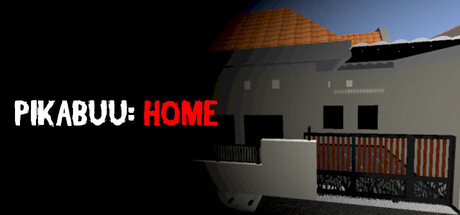 Pikabuu: Home In-game content textaudioart | This game uses generative AI tools during development to assist with the following content: text translation, sound effects, and background artwork assets | JoyKeratif | - | Oct 9, 2026 | |
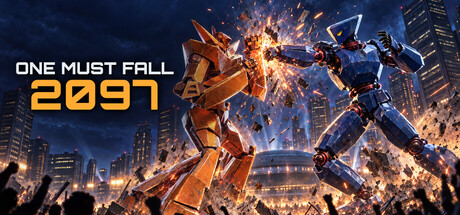 One Must Fall 2097 In-game content art | The remake's 3D robots, arenas and animation were produced with AI-assisted generation tools (image-to-3D and image generation) from the original game's designs, then authored, repaired and reviewed by hand in Blender and Unreal. The menu art shown in HD is AI-remastered from the original game's pictures, and the store page artwork was AI-generated from renders of our in-game robots. All AI content is pre-made during development; nothing is generated while you play. The music and sound effects are the original recordings, remastered without AI. | LineCrush Games | - | Oct 9, 2026 | |
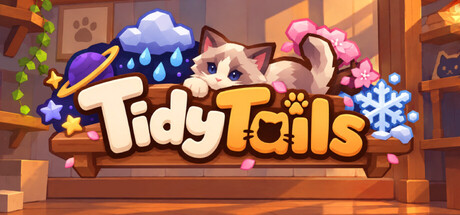 Tidy Tails In-game content arttext | Parte del texturizado, la optimización de mallas y las traducciones se realizaron con ayuda de herramientas de IA generativa. Todo el contenido fue revisado y editado manualmente. | Dualbeam Studios | - | Oct 9, 2026 | |
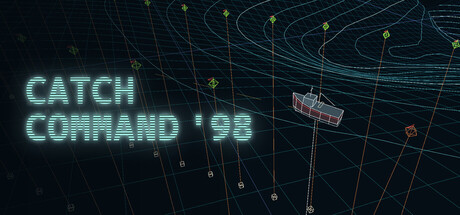 Catch Command '98 In-game content text | I used an AI coding assistant while building the game, and it helped come up with the achievement names and descriptions, and some events which I edited. Nothing else in the game is AI generated: the soundtrack is licensed from its creators, the radio voices are my own recordings, and the art and sounds are produced by the game's code. | MonkeyCat Games | - | Oct 9, 2026 | |
 Still Walking In-game content audio | Some voice lines (the narrator, phone messages and townspeople), some sound effects and the menu music were created with generative AI text-to-speech and audio tools (ElevenLabs) and edited by the developer. All visual art, 3D, animation, level design and code were made by the developer. No AI content is generated during gameplay. | LogiK | - | Oct 9, 2026 | |
 Fruitpocalypse Dev only artcode | AI was used in the creation and enhancement of the visuals and atmosphere of the game and to speed up the programming process | SilverArrowGames | - | Oct 9, 2026 | |
 Tinselwood In-game content artaudiocode | Parts of Tinselwood were made with generative AI during development: its music and sound effects, its interface icons and store art, some of its set-piece models, and parts of its code. All of it was reviewed and reworked by hand, and nothing is generated while you play. | Clackety Rock LLC | - | Oct 9, 2026 | |
 NO SHELTER art | AI was used for some sounds or small textures | Rough Devs | - | Oct 9, 2026 | |
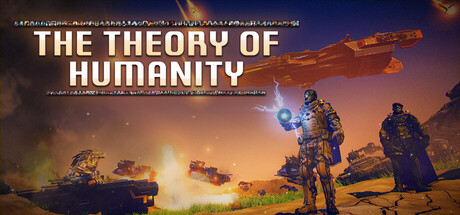 The Theory of Humanity In-game content textcode | The localization and some code snippets were generated using AI and reviewed | Palm and Stars | - | Oct 9, 2026 | |
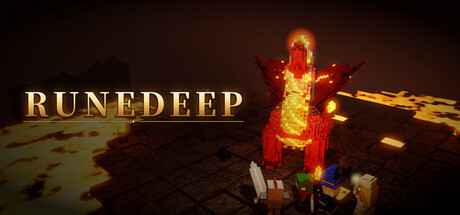 Rune Deep In-game content artaudiotext | This game's 3D models, music, sound effects, and in-game text (dialogue, item names and descriptions) were created with the help of generative AI, under the developer's direction and review. The store images and trailer use this in-game content. | kumashin | - | Oct 9, 2026 | |
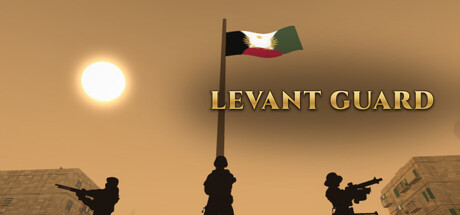 Levant Guard Dev only artaudiotext | Some content was pre-generated with AI tools during development and then edited by the developer. | GameQ Labs | - | Oct 9, 2026 | |
 Not a Duck Store/marketing art | background and Logo with created AI. | NOXRG | - | Oct 9, 2026 | |
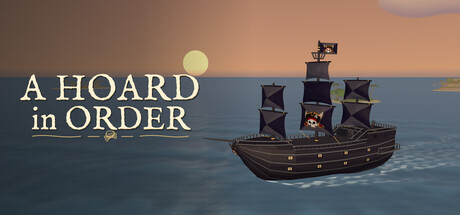 A Hoard in Order Dev only | This game did use generative AI during its development. This was more of a fun side project while working on the main project (Ducki's Descent, which doesn't use AI), tinkering around with AI since my fiancé likes this genre of games, so since it uses AI its free. | Salty Scallop Games | - | Oct 9, 2026 | |
 Snow Duckies In-game content audio | Generative AI was used to create music for the game and its promotional trailer. | Lost Games | - | Oct 9, 2026 | |
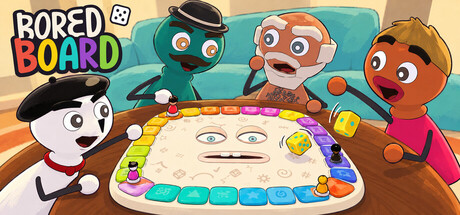 Bored Board In-game content text | Some of the game's text (menus, hints, minigame descriptions and translations) and the copy on this store page were written with the help of an AI language model. The game does not use AI to create anything while you play. | at your own risk studios | - | Oct 9, 2026 | |
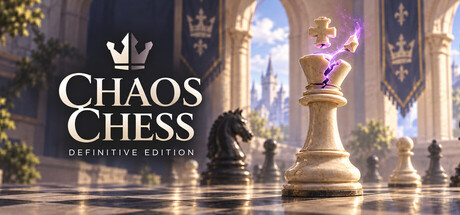 Chaos Chess Definitive Edition Store/marketing art | All game assets were manually designed in Blender by the developer. Only a small portion of pre-rendered artwork and cinematics involved AI. | Camis Publishers | - | Oct 9, 2026 | |
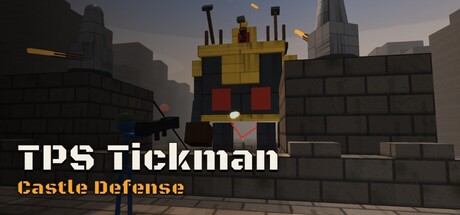 TPS Tickman: Castle Defense In-game content artaudio | Generative AI tools were used in the creation of images, music, sound effects, and 3D models used in the game. | Twins Halo | - | Oct 9, 2026 | |
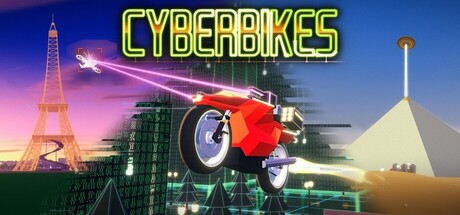 CYBERBIKES In-game content artaudiotext | The visuals, music, sound effects, store art, trailer and text for CYBERBIKES were made with the help of AI under my direction, built in code with Blender and Godot. LINK's voice is pre-recorded text-to-speech from the open Kokoro model. Nothing is generated while you play. | Mister Gato | - | Oct 9, 2026 | |
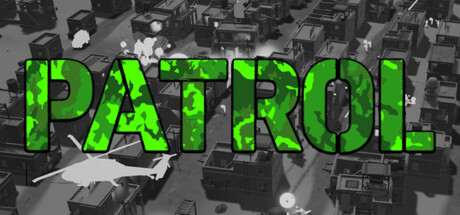 Patrol In-game content text | AI was used for in-game translations of UI, tutorial and caption text. It was also used to translate the store page content into non-English locales. | REMO Games | - | Oct 9, 2026 | |
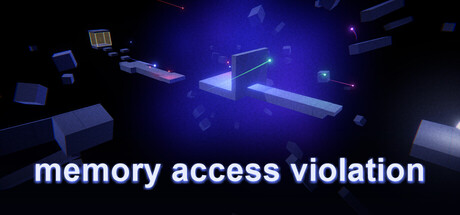 Memory Access Violation In-game content codeart | Memory Access Violation was made by a solo developer working with an AI coding assistant, which was used during development:
Code and level design: much of the game's code, including the level-building tools, puzzle layouts, enemy behaviour and vehicle handling, was written with AI assistance. The developer directed, playtested and revised every level. Puzzle solutions were checked by automated solvers so each one is fair.
Visuals: the game's environments, vehicles, mechs and enemies are built in code from simple geometric shapes and custom shaders. No AI image generators were used for in-game art. | De La Guardia Games | - | Oct 9, 2026 | |
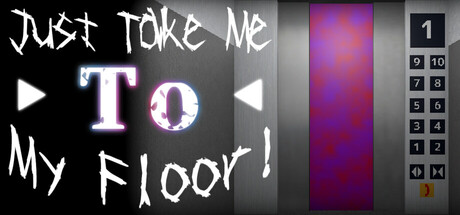 Just Take Me to My Floor! In-game content artaudio | We've used most of the translations, most of the textures, most of the sound effects, and some 3D modeling. | SUGAMUE | - | Oct 9, 2026 | |
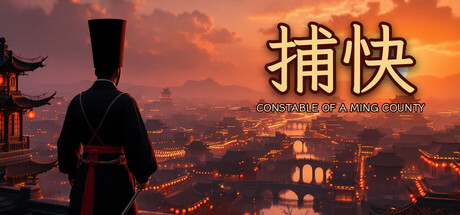 捕快: Constable of a Ming County In-game content artaudiotext | AI tools helped create models, art, textures, music and English localization. | chi yin so | - | Oct 9, 2026 | |
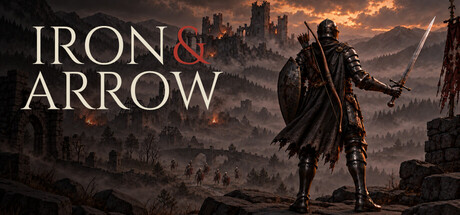 Iron & Arrow In-game content artaudiotext | Generative AI tools were used during development to create some artwork, 3D assets, music, sound effects and localization text. These assets are prepared before release. The game does not generate AI content during play or connect to external AI services. | Mevius Studio | - | Oct 9, 2026 | |
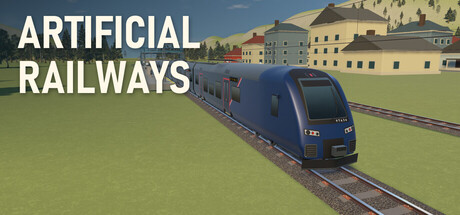 Artifical Railways Live AI artaudiocode | Artifical Railways was developed with extensive AI assistance, including programming and the creation of custom train models, procedural scenery, interface elements, and procedural sound effects. The game also incorporates third-party models, music, sound recordings, and fonts. Station announcements use AI-generated speech synthesized locally during gameplay from announcement templates and in-game railway information. This speech generation does not connect to an external AI service. | Starkim1999 | - | Oct 9, 2026 | |
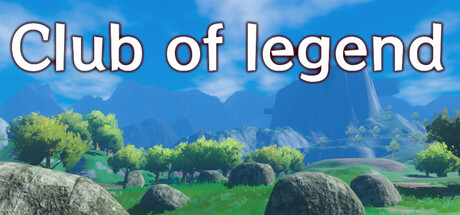 ファイナル棍棒 Unclear codetext | Coding assistance, translation | tokkuribunbuku | - | Oct 9, 2026 | |
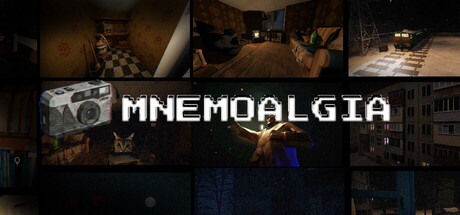 MNEMOALGIA In-game content artaudio | During early development and for the playable demo, Generative AI tools were used to create base templates and draft assets for certain 3D models, textures, and sound effects. All AI-generated placeholders and base models have been manually re-worked, polished, and edited. As development progresses, these draft assets are being actively replaced with fully custom, handcrafted art and audio. | Mnemodev | - | Oct 9, 2026 | |
 CrazyFood In-game content audiotextart | Some content in this game was created with the help of generative AI tools during development: sound effects, the English translation, some 3D assets and parts of the store page text. All of it was reviewed and edited by the developer. The game does not generate any content with AI while you play. | Inti Entertainment | - | Oct 9, 2026 | |
 Television Dynasty Manager In-game content arttext | TV Dynasty Manager was designed by a solo developer. The game idea, the gameplay systems and the original German texts were created by the developer.
Generative AI was used as a tool for some parts, and all results were reviewed and edited by hand:
- Store artwork, logos and the main menu background image
- Translations of the German original into English, Spanish, French, Italian, Portuguese, Japanese, Russian and Chinese
- Help with some in-game descriptions (shows, films, characters)
The game does not use AI while you play. | One Tiny Empire | - | Oct 9, 2026 | |
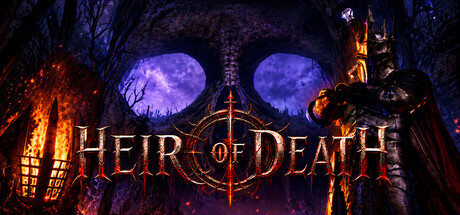 Heir of Death In-game content artaudio | Generative AI tools were used in the creation of selected pre-generated visual and audio assets, as well as some promotional materials. All AI-assisted content is reviewed, edited, and curated by the development team before being included in the game. Heir of Death does not use live-generated AI during gameplay. | Six Minds Studio | - | Oct 9, 2026 | |
 Arcade with Friends In-game content arttext | Generative AI tools were used to create promotional artwork for the Steam store and to assist with in-game localization. The game does not generate AI content during gameplay. Gameplay screenshots and gameplay footage were captured in the game. | bubbley | - | Oct 9, 2026 | |
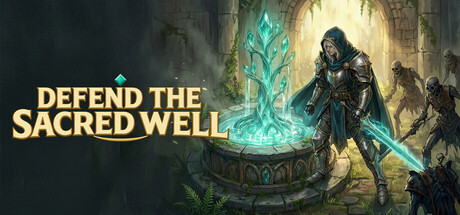 Defend the Sacred Well In-game content artaudio | Generative AI was used during development to create some 3D models, textures, artwork, music, and store marketing materials, including the cinematic teaser. These assets were prepared before release. The game does not generate AI content during play or connect to external AI services. | Yang | - | Oct 9, 2026 | |
 traitor_gamble In-game content artaudiotext | Generative AI tools were used during development to create and refine some pre-generated content, including UI artwork and icons, selected 3D models and textures, music, character and dealer voice lines, and localized text. Tools used include OpenAI image generation and Codex, Meshy, Suno, and Alibaba Cloud Model Studio. All AI-assisted content was reviewed, curated, and edited before inclusion. The game does not generate AI content at runtime or connect to generative AI services during play. | qianshou666888 | - | Oct 9, 2026 | |
 Star Replica In-game content arttextaudio | Generative AI was used during development to create some visual assets, including the title artwork and app icon. AI tools also assisted with some 3D models, in-game text, localization, and sound effects. The game does not use generative AI services to create content during play. | wak-tech | - | Oct 9, 2026 | |
 Ignite: The Ritual Store/marketing text | Generative AI tools were used to assist with drafting and refining the Steam store page description for Ignite: The Ritual. No generative AI content is used as an in-game asset or generated during gameplay. | BOSSTTCK Interactive | - | Oct 9, 2026 | |
 STRADA KOREA In-game content arttext | Generative AI was used during development to create some vegetation textures and to assist with in-game text, quest descriptions, and store copy. This content is prepared in advance and included with the game. The game does not generate AI content during gameplay or connect to third-party AI services. | Tunguska | - | Oct 9, 2026 | |
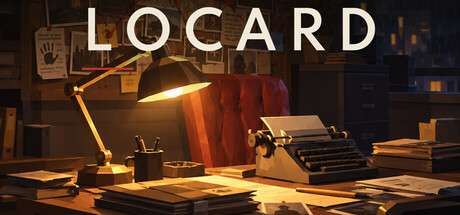 Locard Dev only code | Some source code and internal editor tooling were written with the assistance of AI coding tools during development. All of it was reviewed, edited and tested by the developer. The game's story, dialogue, characters and design are human-written. Visual and audio assets come from licensed asset packs and human-made content. No content is generated by AI while the game is running. | JinjaGames | - | Oct 9, 2026 | |
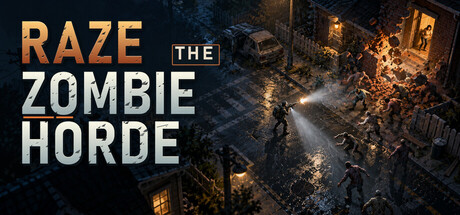 Raze the Zombie Horde In-game content art | Generative AI was used during development to create selected pre-generated visual assets, including some character models, weapon presentation models and related images, as well as some promotional artwork for the store. These assets were selected, post-processed and integrated by the developer. Store gameplay screenshots are captured from the running game and have not been generatively altered; they may show game content that uses pre-generated AI assets. The current game does not call generative AI services or generate new content during play. | Moonwrought Studio | - | Oct 9, 2026 | |
 Catch The Black Ace In-game content artaudiotext | AI tools were used during development to assist with portions of the game’s artwork, audio, and gameplay logic, which were refined and integrated by the developer. All AI-assisted content was created in advance; the game does not use real-time generative AI during gameplay. | JokerGamesStudio | - | Oct 9, 2026 | |
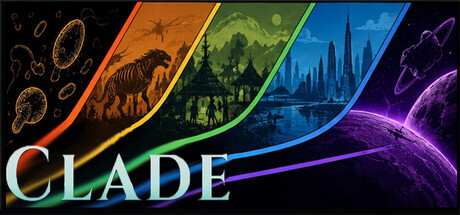 Clade Dev only codearttext | Clade is made by a small independent developer. During development, AI tools were used to help write some of the game's code, and to create some placeholder 3D models and text. All placeholder art is being replaced with handmade work, and this note will be updated as that happens. The game does not generate any content with AI while you play. The computer controlled empires are traditional game AI written for Clade, not generative AI. | Hyena Striata | - | Oct 9, 2026 | |
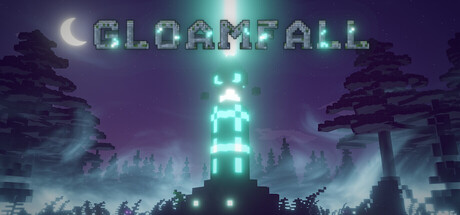 Gloamfall In-game content codetextaudio | AI was used as coding assistant, to create localization and also to mix and master sound and video files. | lenno | - | Oct 9, 2026 | |
 Bungee Simulator: Freefall Store/marketing art | The store interface was generated by AI. | WANG SHUN FENG | - | Oct 9, 2026 | |
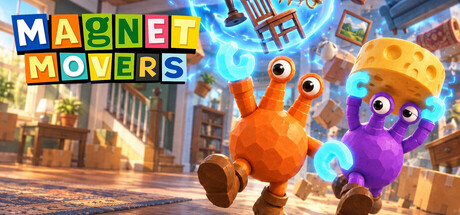 Magnet Movers In-game content artaudio | Some 3D models, textures and sound effects were created with the help of generative AI tools and then edited, cleaned up and finished by hand by our team. Some store page and marketing artwork was also created with generative AI tools. All AI-assisted content was reviewed by the developers before being included. The game does not generate any content with AI while you play. | TechTalent | - | Oct 9, 2026 | |
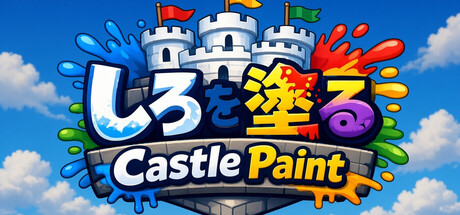 しろを塗る Castle Paint In-game content art | The 3D character models and their textures in this game were created using a generative AI tool (Tripo AI), based on original images prepared by the developer. ChatGPT / DALL·E were also used to create UI icons, background art (sky and grass), and some textures. All generated results were reviewed and adjusted by the developer before being included in the game. The game does not generate any AI content at runtime. | tatmos | - | Oct 9, 2026 | |
 PENTO In-game content artaudio | Generative AI tools were used in a limited capacity during development to assist with some audio and visual elements. The vast majority of the game's content was created by our team. | Gennadiy Balagurchyk | - | Oct 9, 2026 | |
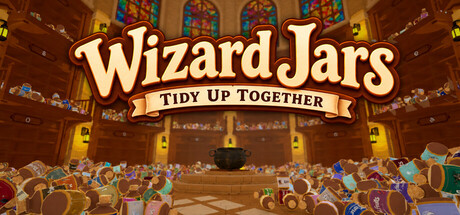 Wizard Jars: Tidy Up Together In-game content arttext | As a solo developer, I used generative AI to help create the game’s 440 different jar labels and localization content. Every label was individually reviewed by me and edited where necessary. | Kelecik | - | Oct 9, 2026 | |
 Emoji : Tidy Up In-game content textart | AI was used to assist with language localization and to create Steam page assets/promotional materials. | EmojiDev | - | Oct 9, 2026 | |
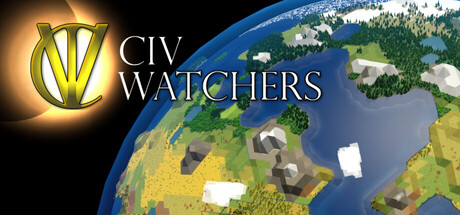 CIV Watchers In-game content art | Some icons and images in the game were created using generative AI. All AI-generated content is reviewed, edited, and curated by the developer. No live generative AI is used during gameplay. | Done by One Games | - | Oct 9, 2026 | |
 Bar Owner Simulator In-game content artaudio | AI was used to edit capsule artwork and background music tracks. | Curve Street | - | Oct 9, 2026 | |
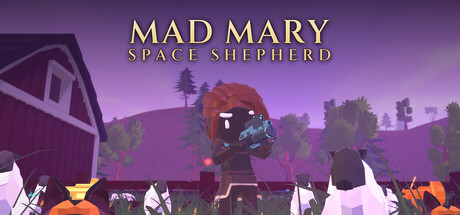 Mad Mary: Space Shepherd In-game content artcode | AI was used as an interface and scripting assistant for industry standard tools such as Reaper, Godot, Blender, Aseprite, and Deepl for enhancing the quality and consistency of the game content and building systems I otherwise would not have the capacity to design and implement as solo developer.
Where possible, artists are and will continue to be supported via use of their paid or free assets. For this game, the most money spent was on Quaternius source level packages.
Notable exception to this is the UI, which was generated using RetroDiffusion with a python pipeline built in house for consistent design around UI elements using color normalization and targeting from a theme palette, which is then imported and tweaked in Godot. | Spartan Game Studios | - | Oct 9, 2026 | |
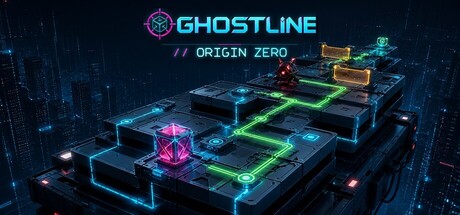 GhostLine In-game content audio | Generative AI was used to create pre-rendered English voice performances and selected music used in the game. All AI-generated content is fixed before release; GhostLine does not generate content during gameplay or connect to an external AI service. | Forge World Studios | - | Oct 9, 2026 |


