Public Steam disclosure research25,383 disclosures tracked
Where do games disclose AI use?
Search developers’ Steam disclosures, compare classified AI use across
games, and follow recorded changes.
This index adds cross-game classifications and statistics to
statements published on individual store pages.
Groups reflect automatic analysis of public disclosures; mature records are excluded. These counts do not measure AI use across all of Steam.
Missing or unclear statements cannot establish whether a game uses AI.
Generative AI tools were used during the development of the game to assist with creating parts of the game. AI was used as a development aid, while the final content and implementation were reviewed and integrated by the developer.
As a solo developer several of the art assets used during the development of the game are generated using AI models with art references. Should the game be successful it is my hope to slowly start using commissioned art.
The game contains AI generated visuals, which will be removed through further development. Replacement of AI generated contents will be announced and after full replacement the Generative Artificial Intelligence notice in the store page will be removed together.
・Translated text in the following languages:
English, French, German, Italian, Spanish, Chinese (Simplified), Chinese (Traditional), Korean, Russian
・Generation of title screen background images
・Generation of images for some module icons
Generative AI tools were used during development for programming assistance and debugging support. No AI-generated player-facing content is included in the game.
Astro Inc currently uses some AI-assisted assets during development. As we get more support, we plan to replace more of these with human-authored assets.
Generative AI tools were used during development to assist in creating some visual assets, audio, and other game content. All AI-assisted content included in the final game was reviewed and selected by the developer.
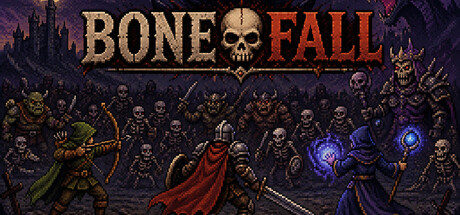
Some art in Bonefall was made with generative AI tools and then cut, edited and fitted into the game by hand: the opening cinematic, the title-screen key art, the store and marketing art, and parts of the environment (the graveyard floor and scenery, the boss pillars). The Russian, Korean and Simplified Chinese translations were drafted with AI assistance. The heroes and monsters are human-made open-licensed pixel art (the Liberated Pixel Cup collection, credited in the game), and the sound effects are CC0 recordings. Nothing is generated while you play.
Neon Chase is solo developer game. Every environment, menu, lighting model, weapon, and enemy vehicles were built as 3D models using Blender. The game design, system mechanics, style, gameplay, bug fixing and features of the game are mine.
AI tools were used for some of the audio, this includes the sound effects, spoken dialogue and music which were edited and integrated by me but developed with the help of Suno for the music and Elevenlabs for the sound effects.
No content is generated using AI whilst running the game.
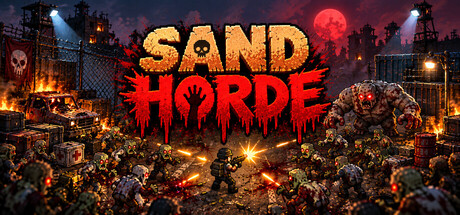
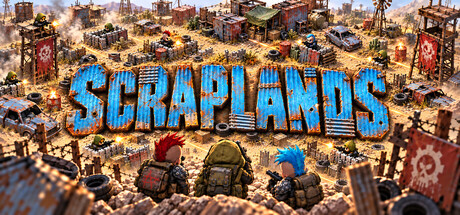
Generative AI was used as part of the development process for Sand Horde to help create select environmental artwork, backgrounds, visual assets, and promotional materials, as well as to assist with prototyping and development. All AI-assisted content is reviewed and integrated by the developer as part of the game's overall design and development.
Development of this game used AI assistance for writing source code, and for creating some of the in-game art assets such as objects and enemies. All AI-generated content was produced during development and reviewed by the developer; the game does not generate any content with AI at runtime.
Generative AI was used during development to assist with game text, narrative, and localization. Store artwork was also created using generative AI. Gameplay screenshots and trailer footage were captured from the game. The game does not generate AI content during play or connect to external AI services.
Generative AI tools were used to assist in creating some pre-generated UI images, promotional artwork, and graphical assets. All AI-assisted assets are pre-generated and were reviewed and edited by the developer before being included in the game or used on the Steam store page. The game does not generate AI content during gameplay.
This game contains pre-generated visual and audio assets created with generative AI tools and edited by the developer. No content is generated during gameplay.
The text in HEATSINK — its interface strings and its translations — was written with the assistance of generative AI.
Nothing is generated while you play. There are no AI-generated images or audio in this game, because there are no image or audio files at all: every shape on screen is drawn by code, and every sound is synthesised when the game launches.
Cosmo Arena uses generative AI tools during development to assist with the creation and refinement of certain visual assets, concept art, UI elements, textures, and other game content. All AI-assisted content is reviewed, edited, and integrated by the developer. Generative AI is not used to create content dynamically during gameplay.
Portions of the game's 2D artwork were created with the assistance of generative AI image tools, then curated, edited, and integrated by the developer. Text localization into non-English languages was produced with AI translation assistance under developer review.
We used Generative AI tools solely to assist in creating capsule art and marketing assets for the store page. No AI content is generated live during gameplay.
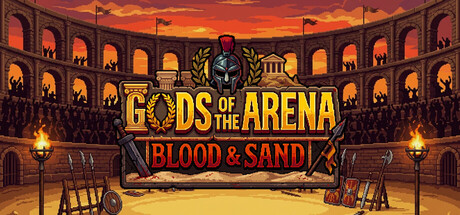
Developer Note on AI Assistance: Gods of the Arena: Blood & Sand is crafted using a hybrid development approach, combining human game design, rigorous combat programming, and hand-tuned mechanics with generative AI tools for concept ideation and visual asset workflows.
Generative AI tools were used during development to assist with selected visual assets, written content, localization, and other parts of the production process. All AI-assisted content was reviewed, edited, and integrated by the developer. No generative AI content is created during gameplay.
Meshy was used during production to assist in converting my hand-drawn character concepts into 3D avatars, which were then integrated, refined, and animated for the final game.
This game uses generative AI tools to assist with the creation of some visual assets, promotional images, sound effects, and localization drafts. All AI-assisted content is reviewed, edited, and integrated by the developer before release. The game does not use generative AI to create real-time user-facing content during gameplay.
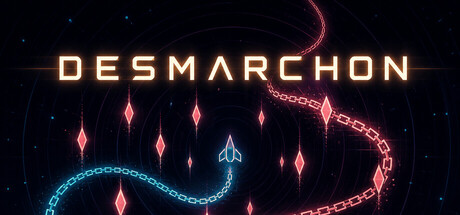
Desmarchon currently includes pre-generated AI images for the store page and achievement images, as well as AI-generated promotional artwork and icons, and some text. Everything has been reviewed by a human.
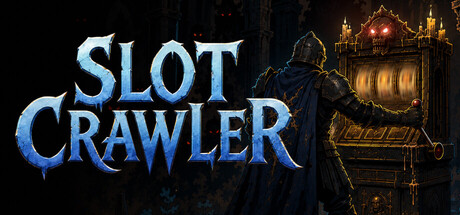
AI tools were used during the development of Slot Crawler to assist in creating select visual assets and promotional materials. Every AI-assisted element was reviewed, refined, and integrated by the developer to ensure consistency with the game’s artistic direction and quality standards.
Generative AI tools assisted development of the game’s geometric artwork, music compositions, in-game text, and store and marketing materials. These are prepared during development and included in the game or its promotional assets. Graphics are drawn and music is synthesized locally from fixed content definitions; the game does not generate content with AI during gameplay or connect to external AI services.
AI tools were used during development to help create pre-generated content including pixel artwork, character and boss sprites, some written narrative and interface text, and original synthesized music and sound arrangements. These assets are included in the installed game. Gameplay does not generate content through an AI service at runtime.
In the process of creating some 2D prop assets, generative AI technology was used in an assistive capacity. Any such assets are subject to our production pipeline, where they will be reviewed and replaced by our art and development teams to ensure they meet our quality standards and creative direction.
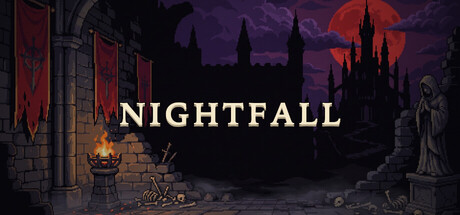
Parts of the content that ships with Nightfall were created with the help of generative AI tools. Artwork: the main menu illustration, the six hero portraits, and the four boss portraits. Music: all five soundtrack tracks were generated with Suno. This content was reviewed and selected by us before release. All in-game sprites, tilesets, animations, visual effects and user-interface art are licensed, human-made assets. No content is generated by AI while the game is running.
Generative AI was used for some store pageimages, store page localization and translation, as well as some in-game art assets, localization, translation, and music.
I've been using Generative AI tools as part of development for things like programming assistance, troubleshooting, research, brainstorming, and some concept exploration.
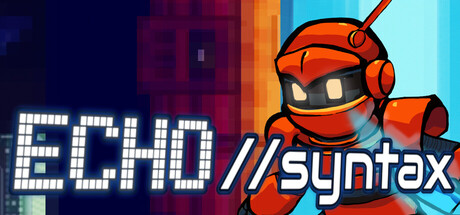
ECHO//syntax is a work of mechanics made from love of the beat-em-up genre from CHROMAGEM. It is designed, directed, assembled, tested, and curated by me. I make the first and final decisions on the game's mechanics, characters, levels, visual direction, and overall design.
As a designer that's looking to get a particular feel and experience with this game, I'm looking through and making sure you're getting a good game to play and enjoy.
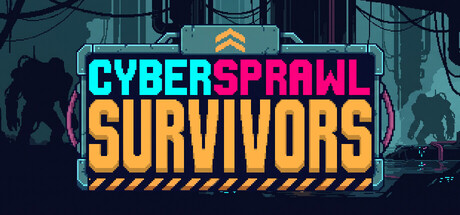
CyberSprawl: Survivors contains pre-generated visual art, written content, sound effects, and other assets created or assisted with generative AI tools, then curated and integrated by the development team. Generative AI also assists development, including code. No AI generates content during gameplay, and the game does not connect to external AI services while you play.
Generative AI tools were used during the development of the game to assist with creating parts of the game. AI was used as a development aid, while the final content and implementation were reviewed and integrated by the developer.
As a solo developer several of the art assets used during the development of the game are generated using AI models with art references. Should the game be successful it is my hope to slowly start using commissioned art.
The game contains AI generated visuals, which will be removed through further development. Replacement of AI generated contents will be announced and after full replacement the Generative Artificial Intelligence notice in the store page will be removed together.
・Translated text in the following languages:
English, French, German, Italian, Spanish, Chinese (Simplified), Chinese (Traditional), Korean, Russian
・Generation of title screen background images
・Generation of images for some module icons
Generative AI tools were used during development for programming assistance and debugging support. No AI-generated player-facing content is included in the game.
Astro Inc currently uses some AI-assisted assets during development. As we get more support, we plan to replace more of these with human-authored assets.
Generative AI tools were used during development to assist in creating some visual assets, audio, and other game content. All AI-assisted content included in the final game was reviewed and selected by the developer.
Some art in Bonefall was made with generative AI tools and then cut, edited and fitted into the game by hand: the opening cinematic, the title-screen key art, the store and marketing art, and parts of the environment (the graveyard floor and scenery, the boss pillars). The Russian, Korean and Simplified Chinese translations were drafted with AI assistance. The heroes and monsters are human-made open-licensed pixel art (the Liberated Pixel Cup collection, credited in the game), and the sound effects are CC0 recordings. Nothing is generated while you play.
Neon Chase is solo developer game. Every environment, menu, lighting model, weapon, and enemy vehicles were built as 3D models using Blender. The game design, system mechanics, style, gameplay, bug fixing and features of the game are mine.
AI tools were used for some of the audio, this includes the sound effects, spoken dialogue and music which were edited and integrated by me but developed with the help of Suno for the music and Elevenlabs for the sound effects.
No content is generated using AI whilst running the game.
Generative AI was used as part of the development process for Sand Horde to help create select environmental artwork, backgrounds, visual assets, and promotional materials, as well as to assist with prototyping and development. All AI-assisted content is reviewed and integrated by the developer as part of the game's overall design and development.
Development of this game used AI assistance for writing source code, and for creating some of the in-game art assets such as objects and enemies. All AI-generated content was produced during development and reviewed by the developer; the game does not generate any content with AI at runtime.
Generative AI was used during development to assist with game text, narrative, and localization. Store artwork was also created using generative AI. Gameplay screenshots and trailer footage were captured from the game. The game does not generate AI content during play or connect to external AI services.
Generative AI tools were used to assist in creating some pre-generated UI images, promotional artwork, and graphical assets. All AI-assisted assets are pre-generated and were reviewed and edited by the developer before being included in the game or used on the Steam store page. The game does not generate AI content during gameplay.
This game contains pre-generated visual and audio assets created with generative AI tools and edited by the developer. No content is generated during gameplay.
The text in HEATSINK — its interface strings and its translations — was written with the assistance of generative AI.
Nothing is generated while you play. There are no AI-generated images or audio in this game, because there are no image or audio files at all: every shape on screen is drawn by code, and every sound is synthesised when the game launches.
Cosmo Arena uses generative AI tools during development to assist with the creation and refinement of certain visual assets, concept art, UI elements, textures, and other game content. All AI-assisted content is reviewed, edited, and integrated by the developer. Generative AI is not used to create content dynamically during gameplay.
Portions of the game's 2D artwork were created with the assistance of generative AI image tools, then curated, edited, and integrated by the developer. Text localization into non-English languages was produced with AI translation assistance under developer review.
We used Generative AI tools solely to assist in creating capsule art and marketing assets for the store page. No AI content is generated live during gameplay.
Developer Note on AI Assistance: Gods of the Arena: Blood & Sand is crafted using a hybrid development approach, combining human game design, rigorous combat programming, and hand-tuned mechanics with generative AI tools for concept ideation and visual asset workflows.
Generative AI tools were used during development to assist with selected visual assets, written content, localization, and other parts of the production process. All AI-assisted content was reviewed, edited, and integrated by the developer. No generative AI content is created during gameplay.
Meshy was used during production to assist in converting my hand-drawn character concepts into 3D avatars, which were then integrated, refined, and animated for the final game.
This game uses generative AI tools to assist with the creation of some visual assets, promotional images, sound effects, and localization drafts. All AI-assisted content is reviewed, edited, and integrated by the developer before release. The game does not use generative AI to create real-time user-facing content during gameplay.
Desmarchon currently includes pre-generated AI images for the store page and achievement images, as well as AI-generated promotional artwork and icons, and some text. Everything has been reviewed by a human.
AI tools were used during the development of Slot Crawler to assist in creating select visual assets and promotional materials. Every AI-assisted element was reviewed, refined, and integrated by the developer to ensure consistency with the game’s artistic direction and quality standards.
Generative AI tools assisted development of the game’s geometric artwork, music compositions, in-game text, and store and marketing materials. These are prepared during development and included in the game or its promotional assets. Graphics are drawn and music is synthesized locally from fixed content definitions; the game does not generate content with AI during gameplay or connect to external AI services.
AI tools were used during development to help create pre-generated content including pixel artwork, character and boss sprites, some written narrative and interface text, and original synthesized music and sound arrangements. These assets are included in the installed game. Gameplay does not generate content through an AI service at runtime.
In the process of creating some 2D prop assets, generative AI technology was used in an assistive capacity. Any such assets are subject to our production pipeline, where they will be reviewed and replaced by our art and development teams to ensure they meet our quality standards and creative direction.
Parts of the content that ships with Nightfall were created with the help of generative AI tools. Artwork: the main menu illustration, the six hero portraits, and the four boss portraits. Music: all five soundtrack tracks were generated with Suno. This content was reviewed and selected by us before release. All in-game sprites, tilesets, animations, visual effects and user-interface art are licensed, human-made assets. No content is generated by AI while the game is running.
Generative AI was used for some store pageimages, store page localization and translation, as well as some in-game art assets, localization, translation, and music.
I've been using Generative AI tools as part of development for things like programming assistance, troubleshooting, research, brainstorming, and some concept exploration.
ECHO//syntax is a work of mechanics made from love of the beat-em-up genre from CHROMAGEM. It is designed, directed, assembled, tested, and curated by me. I make the first and final decisions on the game's mechanics, characters, levels, visual direction, and overall design.
As a designer that's looking to get a particular feel and experience with this game, I'm looking through and making sure you're getting a good game to play and enjoy.
CyberSprawl: Survivors contains pre-generated visual art, written content, sound effects, and other assets created or assisted with generative AI tools, then curated and integrated by the development team. Generative AI also assists development, including code. No AI generates content during gameplay, and the game does not connect to external AI services while you play.