Public Steam disclosure research25,380 disclosures tracked
Where do games disclose AI use?
Search developers’ Steam disclosures, compare classified AI use across
games, and follow recorded changes.
This index adds cross-game classifications and statistics to
statements published on individual store pages.
Groups reflect automatic analysis of public disclosures; mature records are excluded. These counts do not measure AI use across all of Steam.
Missing or unclear statements cannot establish whether a game uses AI.
Certain visual assets incorporated into the final product were subject to a multi-stage development, revision, and production process involving, at intermediate stages of asset preparation, generative AI-assisted material, together with subsequent developer-directed editing, alteration, reconstruction, and final implementation.
Generative tools were used during development to assist with portions of the game's source code and to create or refine some visual assets and promotional artwork. All included content was reviewed and edited by the developer. The game does not generate content during gameplay.
Generative AI was used to assist in the creation of a small number of pre-generated sound effects. All AI-assisted audio was reviewed and curated by the developer. No generative AI is used during gameplay, and the game does not generate content in real time.
Most 2D art in this game — ships, enemies, bosses, icons and badges — was first created with AI image tools, then selected, edited and finalised by the developer. No AI is used during gameplay.
Generative AI tools were used during development to create pre-generated 2D visual assets included in the game. These assets may include character, item, environment, and user interface artwork. All AI-generated assets are reviewed, selected, and adjusted by the developer before being included in the game. The game does not use generative AI during runtime and does not connect to any live generative AI service.
As a solo developer, I used AI-assisted tools to support development, including implementation and some audio-related work. All final content was reviewed and edited by me. Character sprite art is hand-drawn, and the game does not use generative AI while running.
AI was used only to generate the music and sound effects for BitBeasts. No AI was used to generate the game's visual assets, gameplay systems, code, or other core game content.
Used AI to over optimize the performance of the game as it is very painful to have 1000 monsters with real physics on your screen at the same time and 100 projectiles per seconds without turning your pc into an oven
Generative AI was used as an assistive tool during development and for localization support. All such content was reviewed and edited by the developer before inclusion. The game does not generate AI content live during gameplay.
Some of the visual assets in this game including character key art, promotional images, and certain 3D art were created with the assistance of generative AI tools during development. All AI-generated content was reviewed, edited, and integrated by the developer. No generative AI is used at runtime; nothing is generated live while you play. All gameplay, code, and design are hand-crafted by a developer.
All primary artwork in this game, including the main character and every enemy, was created by hand either drawn by the developer or by human artists. AI assistance was limited to a few secondary visual effects (light effects, explosions, blood/spray), produced with custom procedural drawing scripts written with the help of an AI coding assistant and then hand-edited and curated by the developer. Some in-game text translations may be pre-generated with AI-assisted localization and reviewed by the developer. No image, audio, or video generation models were used. No AI is used at runtime.
The game's main soundtrack was created using generative AI. The game's promotional capsule artwork was also created with the assistance of generative AI. All other gameplay, programming, game design, pixel art, animations, visual effects, sound effects, UI, and game content were created by the developer.
AI was utilized to generate some references and provide consultations during the code development process. Additionally, AI assisted in translating and correcting grammatical errors, as English is not my native language.
I wanted to lie and say I didn’t use ai at all, but my conscience wouldn't let me.
This game uses generative artificial intelligence in part to improve development efficiency.
It is primarily utilized to assist with programming implementation and development tasks, as well as for generating BGM melodies and assisting in the creation of in-game messages.
However, all final decisions regarding game specifications and quality control are made by the developer, and only AI-generated content that has been reviewed and adjusted by human hands is used.
Generative AI was used to create some base assets, which were subsequently heavily edited by hand. All final assets included in the game have undergone substantial manual editing.
We used generative AI tools to create the video content shown on the in-game pinball machine, and some of the promotional assets on our store page. All AI-generated content is reviewed by our team before release.
The key art used in this game's store capsules and cover was created with the assistance of generative AI tools, then edited and composited by the developer (logo and layout added manually). AI tools were also used to assist with translating menu text and store page descriptions. All gameplay content — code, in-game sprites, animations, music, and sound effects — was created by human artists or licensed from human-made asset packs. No AI-generated content appears in the game itself.
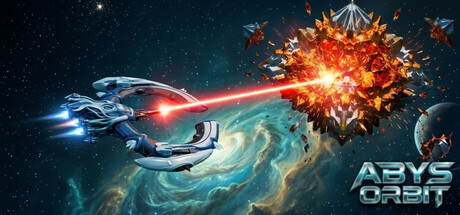
Most of the 2D art in Abys Orbit is AI-assisted, generated with Google Gemini
during development. Ship and NPC sprite sheets begin as Gemini concept images,
are converted to 3D meshes with Meshy.ai, and are then rendered to 2D sprites
in Blender. One dashboard background is a NASA public-domain photograph revised
with AI. All AI-generated assets are reviewed and edited by us before shipping.
The following content is NOT AI-generated: rank insignia (drawn by hand in
Adobe Illustrator), the Scout ship model (a commercially licensed 3D asset
rendered in 3ds Max), UI and research icons (licensed from CraftPix under their
commercial license), two NASA public-domain images, and all audio, which we
produced ourselves.
No AI-generated content is created at runtime; all generation happens during
development.
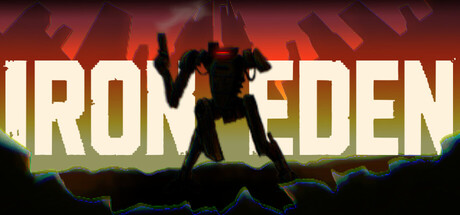
IRON EDEN uses AI as a development tool in a limited capacity.
AI has been used only for:
Programming assistance.
Sound effect generation.
All artwork, game design, mechanics, story, characters, worldbuilding, and visual assets were created by the developer.
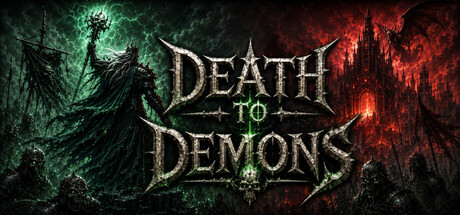
Death to Demons uses pre-generated AI-assisted content in some artwork, visual concepts, promotional images, and development/reference materials. All AI-assisted content used in the shipped game or Steam store materials is reviewed, selected, and edited by the developer before inclusion.
The game does not use live generative AI during gameplay. No player prompts are used to generate in-game content.
This game uses AI-assisted translation for the Steam store page and some in-game UI text. As a solo indie developer with limited resources, AI translation helps make the game accessible to more players and support a wider range of languages.
Some of this game's art assets (character, enemy, boss, and environment artwork) and
its music were produced with the assistance of generative AI tools. All AI-assisted
material was curated, edited, composited, and integrated into the game by hand by the
developer. No AI-generated content is created live during gameplay.
Some of the game's visual assets — both 2D and 3D — are built from AI-generated drafts that our artists rework and refine by hand into their final form. Localization was drafted with AI tools and edited by the team. The final look, content, and quality of every element of the game are defined and approved by humans.
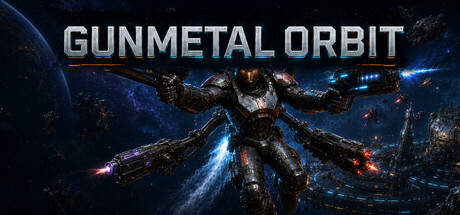
Some of Gunmetal Orbit's art and audio assets - including concept art used to build 3D models, UI icons, sound effects, and the store page key art - were created during development with the help of generative AI tools, then curated, edited, and integrated by the developers. All gameplay code and game design are human-made, and the game does not generate any AI content while you play.
Pre-generated AI content:
Some of the game's 2D illustrations — world and game-mode cover art, story-scene illustrations, character portraits, and store/promotional images — were created with the assistance of generative AI image tools. Every image was prompted, curated, selected and edited by the developer.
Portions of the game's source code were written with the assistance of an AI coding tool, always under direct human direction, review and testing.
Gameplay sprites, user interface, and fonts come from licensed third-party asset packs or were made by hand.
The game does NOT generate any content with AI at runtime: all content is fixed at development time, and no player data is sent to any AI service.
This game was developed using generative AI during production. Generative AI was used to create the game's code, artwork, visual assets, user interface, music, sound effects, and text. All AI-generated content was reviewed, tested, curated, and integrated into the final game by the developer. The game does not generate AI content during gameplay.
Generative AI tools were used to assist in creating some pre-generated 2D visual assets and promotional artwork. All generated material was selected, edited, composited, and integrated by the developer. The game does not generate AI content during gameplay and does not send player data to generative AI services.
Some of this game's visual assets (character art, icons, and UI) were created with the help of generative AI tools and were manually edited and reviewed by the developer.
Generative AI tools were used during development to assist in creating visual concept art, UI background textures, and promotional graphics, as well as providing development assistance for code optimization and localization text. All AI-assisted assets were pre-generated prior to release, curated, and manually edited by the developer. The game does not feature any live or real-time AI content generation during gameplay.
Generative AI was used during development to assist with the creation of some pre-generated visual assets, promotional artwork, and localization text. All AI-assisted content was reviewed and edited by the developer before being included. The game does not use live generative AI during gameplay.
Some fixed music tracks and selected pre-rendered promotional and manual artwork were created with generative AI tools. No AI content is generated during gameplay.
Generative AI tools were used during the development process to assist in creating and refining some visual assets. All AI-assisted content was reviewed, edited, and curated by the developer before being included in the game or its promotional materials.
Certain visual assets incorporated into the final product were subject to a multi-stage development, revision, and production process involving, at intermediate stages of asset preparation, generative AI-assisted material, together with subsequent developer-directed editing, alteration, reconstruction, and final implementation.
Generative tools were used during development to assist with portions of the game's source code and to create or refine some visual assets and promotional artwork. All included content was reviewed and edited by the developer. The game does not generate content during gameplay.
Generative AI was used to assist in the creation of a small number of pre-generated sound effects. All AI-assisted audio was reviewed and curated by the developer. No generative AI is used during gameplay, and the game does not generate content in real time.
Most 2D art in this game — ships, enemies, bosses, icons and badges — was first created with AI image tools, then selected, edited and finalised by the developer. No AI is used during gameplay.
Generative AI tools were used during development to create pre-generated 2D visual assets included in the game. These assets may include character, item, environment, and user interface artwork. All AI-generated assets are reviewed, selected, and adjusted by the developer before being included in the game. The game does not use generative AI during runtime and does not connect to any live generative AI service.
As a solo developer, I used AI-assisted tools to support development, including implementation and some audio-related work. All final content was reviewed and edited by me. Character sprite art is hand-drawn, and the game does not use generative AI while running.
AI was used only to generate the music and sound effects for BitBeasts. No AI was used to generate the game's visual assets, gameplay systems, code, or other core game content.
Used AI to over optimize the performance of the game as it is very painful to have 1000 monsters with real physics on your screen at the same time and 100 projectiles per seconds without turning your pc into an oven
Generative AI was used as an assistive tool during development and for localization support. All such content was reviewed and edited by the developer before inclusion. The game does not generate AI content live during gameplay.
Some of the visual assets in this game including character key art, promotional images, and certain 3D art were created with the assistance of generative AI tools during development. All AI-generated content was reviewed, edited, and integrated by the developer. No generative AI is used at runtime; nothing is generated live while you play. All gameplay, code, and design are hand-crafted by a developer.
All primary artwork in this game, including the main character and every enemy, was created by hand either drawn by the developer or by human artists. AI assistance was limited to a few secondary visual effects (light effects, explosions, blood/spray), produced with custom procedural drawing scripts written with the help of an AI coding assistant and then hand-edited and curated by the developer. Some in-game text translations may be pre-generated with AI-assisted localization and reviewed by the developer. No image, audio, or video generation models were used. No AI is used at runtime.
The game's main soundtrack was created using generative AI. The game's promotional capsule artwork was also created with the assistance of generative AI. All other gameplay, programming, game design, pixel art, animations, visual effects, sound effects, UI, and game content were created by the developer.
AI was utilized to generate some references and provide consultations during the code development process. Additionally, AI assisted in translating and correcting grammatical errors, as English is not my native language.
I wanted to lie and say I didn’t use ai at all, but my conscience wouldn't let me.
This game uses generative artificial intelligence in part to improve development efficiency.
It is primarily utilized to assist with programming implementation and development tasks, as well as for generating BGM melodies and assisting in the creation of in-game messages.
However, all final decisions regarding game specifications and quality control are made by the developer, and only AI-generated content that has been reviewed and adjusted by human hands is used.
Generative AI was used to create some base assets, which were subsequently heavily edited by hand. All final assets included in the game have undergone substantial manual editing.
We used generative AI tools to create the video content shown on the in-game pinball machine, and some of the promotional assets on our store page. All AI-generated content is reviewed by our team before release.
The key art used in this game's store capsules and cover was created with the assistance of generative AI tools, then edited and composited by the developer (logo and layout added manually). AI tools were also used to assist with translating menu text and store page descriptions. All gameplay content — code, in-game sprites, animations, music, and sound effects — was created by human artists or licensed from human-made asset packs. No AI-generated content appears in the game itself.
Most of the 2D art in Abys Orbit is AI-assisted, generated with Google Gemini
during development. Ship and NPC sprite sheets begin as Gemini concept images,
are converted to 3D meshes with Meshy.ai, and are then rendered to 2D sprites
in Blender. One dashboard background is a NASA public-domain photograph revised
with AI. All AI-generated assets are reviewed and edited by us before shipping.
The following content is NOT AI-generated: rank insignia (drawn by hand in
Adobe Illustrator), the Scout ship model (a commercially licensed 3D asset
rendered in 3ds Max), UI and research icons (licensed from CraftPix under their
commercial license), two NASA public-domain images, and all audio, which we
produced ourselves.
No AI-generated content is created at runtime; all generation happens during
development.
IRON EDEN uses AI as a development tool in a limited capacity.
AI has been used only for:
Programming assistance.
Sound effect generation.
All artwork, game design, mechanics, story, characters, worldbuilding, and visual assets were created by the developer.
Death to Demons uses pre-generated AI-assisted content in some artwork, visual concepts, promotional images, and development/reference materials. All AI-assisted content used in the shipped game or Steam store materials is reviewed, selected, and edited by the developer before inclusion.
The game does not use live generative AI during gameplay. No player prompts are used to generate in-game content.
This game uses AI-assisted translation for the Steam store page and some in-game UI text. As a solo indie developer with limited resources, AI translation helps make the game accessible to more players and support a wider range of languages.
Some of this game's art assets (character, enemy, boss, and environment artwork) and
its music were produced with the assistance of generative AI tools. All AI-assisted
material was curated, edited, composited, and integrated into the game by hand by the
developer. No AI-generated content is created live during gameplay.
Some of the game's visual assets — both 2D and 3D — are built from AI-generated drafts that our artists rework and refine by hand into their final form. Localization was drafted with AI tools and edited by the team. The final look, content, and quality of every element of the game are defined and approved by humans.
Some of Gunmetal Orbit's art and audio assets - including concept art used to build 3D models, UI icons, sound effects, and the store page key art - were created during development with the help of generative AI tools, then curated, edited, and integrated by the developers. All gameplay code and game design are human-made, and the game does not generate any AI content while you play.
Pre-generated AI content:
Some of the game's 2D illustrations — world and game-mode cover art, story-scene illustrations, character portraits, and store/promotional images — were created with the assistance of generative AI image tools. Every image was prompted, curated, selected and edited by the developer.
Portions of the game's source code were written with the assistance of an AI coding tool, always under direct human direction, review and testing.
Gameplay sprites, user interface, and fonts come from licensed third-party asset packs or were made by hand.
The game does NOT generate any content with AI at runtime: all content is fixed at development time, and no player data is sent to any AI service.
This game was developed using generative AI during production. Generative AI was used to create the game's code, artwork, visual assets, user interface, music, sound effects, and text. All AI-generated content was reviewed, tested, curated, and integrated into the final game by the developer. The game does not generate AI content during gameplay.
Generative AI tools were used to assist in creating some pre-generated 2D visual assets and promotional artwork. All generated material was selected, edited, composited, and integrated by the developer. The game does not generate AI content during gameplay and does not send player data to generative AI services.
Some of this game's visual assets (character art, icons, and UI) were created with the help of generative AI tools and were manually edited and reviewed by the developer.
Generative AI tools were used during development to assist in creating visual concept art, UI background textures, and promotional graphics, as well as providing development assistance for code optimization and localization text. All AI-assisted assets were pre-generated prior to release, curated, and manually edited by the developer. The game does not feature any live or real-time AI content generation during gameplay.
Generative AI was used during development to assist with the creation of some pre-generated visual assets, promotional artwork, and localization text. All AI-assisted content was reviewed and edited by the developer before being included. The game does not use live generative AI during gameplay.
Some fixed music tracks and selected pre-rendered promotional and manual artwork were created with generative AI tools. No AI content is generated during gameplay.
Generative AI tools were used during the development process to assist in creating and refining some visual assets. All AI-assisted content was reviewed, edited, and curated by the developer before being included in the game or its promotional materials.