Public Steam disclosure research25,376 disclosures tracked
Where do games disclose AI use?
Search developers’ Steam disclosures, compare classified AI use across
games, and follow recorded changes.
This index adds cross-game classifications and statistics to
statements published on individual store pages.
Groups reflect automatic analysis of public disclosures; mature records are excluded. These counts do not measure AI use across all of Steam.
Missing or unclear statements cannot establish whether a game uses AI.
AI-assisted tools were utilized during the development of this game (including visual art, sound design, and workflow optimization) to achieve higher quality. Every final element has been curated, reviewed, and integrated under the direct supervision of the development team.
Generative AI tools were used during development to create selected pre-generated content, including character and environment artwork, some user interface artwork, music, some voice-over audio, and localization. The visual assets were subsequently edited and customized by the developer. All AI-assisted content is selected, reviewed, and integrated by the developer before inclusion. The game does not generate content during gameplay or connect to external AI services.
During development, this game used generative AI to assist in creating certain visual assets and text content. All final content has been reviewed, edited, and approved by the developer; the game does not include any functionality that dynamically generates content with AI during gameplay.
We used AI to assist in creating portions of the game text, and leveraged AI tools to translate in-game content into English. All AI-generated content has been manually reviewed and vetted before being finalized for inclusion in the game.
The developer describes how their game uses Generative AI in the development process:
- Pre-generated Content: Generative AI tools were used during development to assist in creating concept art, text drafts, and localization text. All AI-assisted assets were subsequently reviewed, edited, and refined by the developer.
- The game does not contain any live-generated AI content during gameplay.
As a solo developer I find use of AI to be one of my most prominent and efficient tools ever used.
I'm heavily relying on Gemini, Claude and QWEN to create my code snippets and review them. I also manually review their work from time to time.
Visual assets creation also rely on AI(NanoBanana2). Some of the assets are my sketches that has been polished to perfection by AI. Some are AI generated and hand-edited after and some, I'll be totally honest here, are fully AI generated, via meticulous prompt engineering and trial and errors.
I'm heavily opposed to using AI to create slop or mass produce clones of existing content. But I'm a firm believer that, when curated by talented individual with solid vision, it can achieve great results.
Yes, we used AI to translate our game into several languages other than French and English, in order to make it accessible to a wider international audience.
This game contains pre-generated 2D artwork and music created with assistance from generative AI tools and reviewed and edited by the developer. The game does not use generative AI or generate content during runtime.
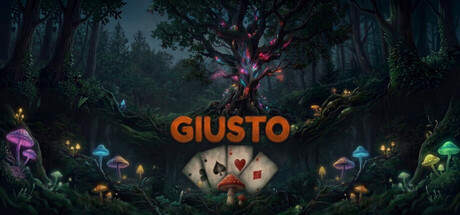
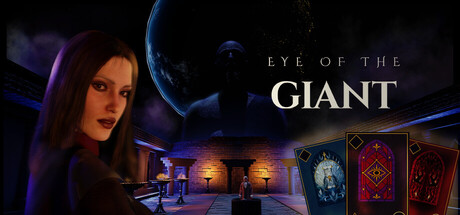
Character artwork for Giusto’s characters that represent each tier of the player’s journey began as AI-generated concept art, conceptualized, directed and reviewed by our team to match the the art direction of the game. 3D character models were generated from this concept art using Tripo AI’s image-to-3D tool, then reviewed and integrated into the game by our development team. From which, the final 3D models were designed and styled within Unreal Engine 5 to fit the feel of our game. All game design, music and other content were built directly by our team and purchased and licensed human-made asset packs.
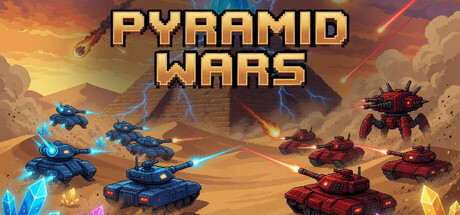
The code, menu, graphics, artwork, effects, localization, sounds and music of Pyramid Wars is vibe coded.
The cover image, shop- and library art is AI generated.
Generative AI tools assisted with selected pre-generated UI artwork and sound/music effects.
All generated assets were reviewed and edited by the development team.
The development of this game makes extensive use of generative AI. AI tools were used to help create the game's art and visual assets, sound and music, text and narrative, code, and localization. All AI-assisted content is reviewed by our team before release to ensure quality and appropriateness.
Generative AI tools were used during development to create certain visual and audio assets:
- 2D Visual Assets: Some 2D icons, UI symbols, and graphic elements were generated or assisted using AI image generation tools and polished for final in-game use.
- Audio (BGM): Background music (BGM) tracks were generated with the assistance of generative AI music tools.
This game uses generative AI tools as part of its art creation process. Visual assets — including background and environment art, character and unit art, and card illustrations — were generated with the assistance of AI and then reviewed and refined by hand. All AI-assisted content is checked to ensure it meets our quality and originality standards.
Generative AI tools were used to assist in the creation of some promotional artwork and marketing assets for the game. Final assets were reviewed and edited by the development team.
Some assets in Magician Alisa were created with the assistance of generative AI tools: visual artwork and music. All AI-generated assets were selected, curated and edited by the developer.
Some visual assets were partially created with the help of generative AI. It was used as a reference for a few alpha brushes, clothing patterns, and some card designs. No output was used as-is — everything was heavily modified and finished by hand. All other content in the game was created entirely by the developer.
AI-based tools were used solely as a supportive aid for creating select pre-rendered in-game assets and text, with all final content thoroughly reviewed and refined by the development team. The game contains no live-generated AI content during gameplay.
AI-generated content is used in the following areas of this game:
- Icons: Some card icon artwork was AI-assisted.
- Localization: All translated text was generated using AI.
- Game balance: Adjustments were guided by AI-based simulation.
- Help / guide / character text: Generated with AI, then edited by the developer.
- Story text: AI was used during early drafting, but nearly all of it has been rewritten by the developer.
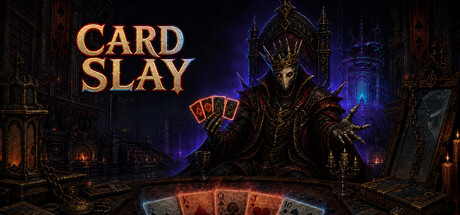
Some of Card Slay's pre-generated content was created with the help of generative AI tools and then reviewed and finished by hand. No content is generated by AI during gameplay.
Some pre-generated artwork and audio included in MyHiStory were created with the assistance of generative AI during development. These assets were selected, reviewed, and curated by the developer before inclusion in the game. MyHiStory does not use generative AI to generate content or code while the game is running.
Some of the artwork in Scoundrel: The Descent, including the illustrated card art and background images, was created with the help of generative AI tools and then reviewed and edited by hand. No AI-generated content is produced while you play. If you would rather not see it, Settings includes a "No AI art" option that hides the card illustrations and shows only suit, rank, and frame.
Pre-generated AI-assisted visual content is used in this game. AI was used to create and iterate on card illustrations, character portraits, backgrounds, icons, and selected promotional artwork. AI was used to generate source video clips for pre-rendered chapter cinematics. These assets were selected, edited, composited, cropped, color-adjusted, and integrated by the developer. The game does not generate AI content during play, does not accept player prompts, and does not connect to an external AI service at runtime.
This game uses AI-generated imagery. Character portraits, backgrounds, card illustrations, and UI assets were created with generative AI image tools, then reviewed, edited to fit the game's art direction. Store page capsules use the same artwork.
Writing, game design, code, and systems are authored by a human developer. Nothing is generated while the game is running.
During development, generative tools were used for selected textures and supporting visual elements in the game and store artwork. These assets were reviewed and integrated by the developer. All content is fixed in the shipped game; nothing is generated during gameplay.
This game used generative AI tools during development to assist with a limited portion of visual and audio asset creation. All AI-assisted content was reviewed and curated by the developer before release. No AI content is generated live during gameplay.
Character/background art: ChatGPT (image generation)
Music: SOUNDRAW (AI music generation)
Translations other than Japanese (10 languages): Machine-translated via ChatGPT
No AI runs at runtime — everything is pre-generated and bundled
Some art assets, localized text, and store marketing materials were created with the assistance of generative AI during development, then reviewed, edited, and integrated by the developer. The game does not use generative AI to create content during gameplay.
Some of this game's assets were created with the assistance of generative AI and then curated, edited, and integrated by the developer. Art: two character portraits were generated with Midjourney (paid commercial plan); other artwork — card illustrations, backgrounds, and character art — was generated with a locally run image-generation pipeline. Audio: the music, ambience, and sound-effect clips were generated with ElevenLabs under a paid commercial plan. Some game text was written with AI assistance and reviewed by the developer. All AI output was human-reviewed before inclusion. No content is generated by AI at runtime.
Generative AI technology is used in a supplementary capacity during the creation of some 2D prop assets.
Any such assets are replaced through our production pipeline by our art and development teams, ensuring they meet our quality standards and creative direction.
Some visual assets in the game, including certain card illustrations and UI elements, were created with the assistance of generative AI tools. These assets were generated during development and are included as pre-generated content in the game.
Generative AI tools were used to assist in creating select 2D artwork for this game illustrations for collectible cards, artwork for the card battle/arena scene, and the game's logo and store capsule art. All AI-assisted artwork was selected, edited, and finalized by the development team before inclusion. Generative AI was not used to create the 3D open-world environment, or other gameplay systems/mechanics. This is for the demo build, and some or all AI-assisted art may be replaced with original human-made artwork in the full release.
A solo dev made this game. Some of the art was created or refined with AI tools; the design, code, UI, music (using fruit loops), writing, and everything the game actually does are hand-built.
This game was developed through collaboration between the developer and AI tools across most content (art, writing, design); in-game translations were generated by AI.
AI-assisted tools were utilized during the development of this game (including visual art, sound design, and workflow optimization) to achieve higher quality. Every final element has been curated, reviewed, and integrated under the direct supervision of the development team.
Generative AI tools were used during development to create selected pre-generated content, including character and environment artwork, some user interface artwork, music, some voice-over audio, and localization. The visual assets were subsequently edited and customized by the developer. All AI-assisted content is selected, reviewed, and integrated by the developer before inclusion. The game does not generate content during gameplay or connect to external AI services.
During development, this game used generative AI to assist in creating certain visual assets and text content. All final content has been reviewed, edited, and approved by the developer; the game does not include any functionality that dynamically generates content with AI during gameplay.
We used AI to assist in creating portions of the game text, and leveraged AI tools to translate in-game content into English. All AI-generated content has been manually reviewed and vetted before being finalized for inclusion in the game.
The developer describes how their game uses Generative AI in the development process:
- Pre-generated Content: Generative AI tools were used during development to assist in creating concept art, text drafts, and localization text. All AI-assisted assets were subsequently reviewed, edited, and refined by the developer.
- The game does not contain any live-generated AI content during gameplay.
As a solo developer I find use of AI to be one of my most prominent and efficient tools ever used.
I'm heavily relying on Gemini, Claude and QWEN to create my code snippets and review them. I also manually review their work from time to time.
Visual assets creation also rely on AI(NanoBanana2). Some of the assets are my sketches that has been polished to perfection by AI. Some are AI generated and hand-edited after and some, I'll be totally honest here, are fully AI generated, via meticulous prompt engineering and trial and errors.
I'm heavily opposed to using AI to create slop or mass produce clones of existing content. But I'm a firm believer that, when curated by talented individual with solid vision, it can achieve great results.
Yes, we used AI to translate our game into several languages other than French and English, in order to make it accessible to a wider international audience.
This game contains pre-generated 2D artwork and music created with assistance from generative AI tools and reviewed and edited by the developer. The game does not use generative AI or generate content during runtime.
Character artwork for Giusto’s characters that represent each tier of the player’s journey began as AI-generated concept art, conceptualized, directed and reviewed by our team to match the the art direction of the game. 3D character models were generated from this concept art using Tripo AI’s image-to-3D tool, then reviewed and integrated into the game by our development team. From which, the final 3D models were designed and styled within Unreal Engine 5 to fit the feel of our game. All game design, music and other content were built directly by our team and purchased and licensed human-made asset packs.
The code, menu, graphics, artwork, effects, localization, sounds and music of Pyramid Wars is vibe coded.
The cover image, shop- and library art is AI generated.
Generative AI tools assisted with selected pre-generated UI artwork and sound/music effects.
All generated assets were reviewed and edited by the development team.
The development of this game makes extensive use of generative AI. AI tools were used to help create the game's art and visual assets, sound and music, text and narrative, code, and localization. All AI-assisted content is reviewed by our team before release to ensure quality and appropriateness.
Generative AI tools were used during development to create certain visual and audio assets:
- 2D Visual Assets: Some 2D icons, UI symbols, and graphic elements were generated or assisted using AI image generation tools and polished for final in-game use.
- Audio (BGM): Background music (BGM) tracks were generated with the assistance of generative AI music tools.
This game uses generative AI tools as part of its art creation process. Visual assets — including background and environment art, character and unit art, and card illustrations — were generated with the assistance of AI and then reviewed and refined by hand. All AI-assisted content is checked to ensure it meets our quality and originality standards.
Generative AI tools were used to assist in the creation of some promotional artwork and marketing assets for the game. Final assets were reviewed and edited by the development team.
Some assets in Magician Alisa were created with the assistance of generative AI tools: visual artwork and music. All AI-generated assets were selected, curated and edited by the developer.
Some visual assets were partially created with the help of generative AI. It was used as a reference for a few alpha brushes, clothing patterns, and some card designs. No output was used as-is — everything was heavily modified and finished by hand. All other content in the game was created entirely by the developer.
AI-based tools were used solely as a supportive aid for creating select pre-rendered in-game assets and text, with all final content thoroughly reviewed and refined by the development team. The game contains no live-generated AI content during gameplay.
AI-generated content is used in the following areas of this game:
- Icons: Some card icon artwork was AI-assisted.
- Localization: All translated text was generated using AI.
- Game balance: Adjustments were guided by AI-based simulation.
- Help / guide / character text: Generated with AI, then edited by the developer.
- Story text: AI was used during early drafting, but nearly all of it has been rewritten by the developer.
Some of Card Slay's pre-generated content was created with the help of generative AI tools and then reviewed and finished by hand. No content is generated by AI during gameplay.
Some pre-generated artwork and audio included in MyHiStory were created with the assistance of generative AI during development. These assets were selected, reviewed, and curated by the developer before inclusion in the game. MyHiStory does not use generative AI to generate content or code while the game is running.
Some of the artwork in Scoundrel: The Descent, including the illustrated card art and background images, was created with the help of generative AI tools and then reviewed and edited by hand. No AI-generated content is produced while you play. If you would rather not see it, Settings includes a "No AI art" option that hides the card illustrations and shows only suit, rank, and frame.
Pre-generated AI-assisted visual content is used in this game. AI was used to create and iterate on card illustrations, character portraits, backgrounds, icons, and selected promotional artwork. AI was used to generate source video clips for pre-rendered chapter cinematics. These assets were selected, edited, composited, cropped, color-adjusted, and integrated by the developer. The game does not generate AI content during play, does not accept player prompts, and does not connect to an external AI service at runtime.
This game uses AI-generated imagery. Character portraits, backgrounds, card illustrations, and UI assets were created with generative AI image tools, then reviewed, edited to fit the game's art direction. Store page capsules use the same artwork.
Writing, game design, code, and systems are authored by a human developer. Nothing is generated while the game is running.
During development, generative tools were used for selected textures and supporting visual elements in the game and store artwork. These assets were reviewed and integrated by the developer. All content is fixed in the shipped game; nothing is generated during gameplay.
This game used generative AI tools during development to assist with a limited portion of visual and audio asset creation. All AI-assisted content was reviewed and curated by the developer before release. No AI content is generated live during gameplay.
Character/background art: ChatGPT (image generation)
Music: SOUNDRAW (AI music generation)
Translations other than Japanese (10 languages): Machine-translated via ChatGPT
No AI runs at runtime — everything is pre-generated and bundled
Some art assets, localized text, and store marketing materials were created with the assistance of generative AI during development, then reviewed, edited, and integrated by the developer. The game does not use generative AI to create content during gameplay.
Some of this game's assets were created with the assistance of generative AI and then curated, edited, and integrated by the developer. Art: two character portraits were generated with Midjourney (paid commercial plan); other artwork — card illustrations, backgrounds, and character art — was generated with a locally run image-generation pipeline. Audio: the music, ambience, and sound-effect clips were generated with ElevenLabs under a paid commercial plan. Some game text was written with AI assistance and reviewed by the developer. All AI output was human-reviewed before inclusion. No content is generated by AI at runtime.
Generative AI technology is used in a supplementary capacity during the creation of some 2D prop assets.
Any such assets are replaced through our production pipeline by our art and development teams, ensuring they meet our quality standards and creative direction.
Some visual assets in the game, including certain card illustrations and UI elements, were created with the assistance of generative AI tools. These assets were generated during development and are included as pre-generated content in the game.
Generative AI tools were used to assist in creating select 2D artwork for this game illustrations for collectible cards, artwork for the card battle/arena scene, and the game's logo and store capsule art. All AI-assisted artwork was selected, edited, and finalized by the development team before inclusion. Generative AI was not used to create the 3D open-world environment, or other gameplay systems/mechanics. This is for the demo build, and some or all AI-assisted art may be replaced with original human-made artwork in the full release.
A solo dev made this game. Some of the art was created or refined with AI tools; the design, code, UI, music (using fruit loops), writing, and everything the game actually does are hand-built.
This game was developed through collaboration between the developer and AI tools across most content (art, writing, design); in-game translations were generated by AI.