








Disclosure
Some visual assets were AI‑assisted, but all final in‑game art was fully artist‑redesigned, and certain marketing materials used limited AI support.
- Creator
- Last Man Smiling
- Reviews
- -
- Added
- Aug 20, 2026
Public Steam disclosure research 25,380 disclosures tracked
Search developers’ Steam disclosures, compare classified AI use across games, and follow recorded changes. This index adds cross-game classifications and statistics to statements published on individual store pages.
Code help, debugging and other development work.
Capsule art, trailers and promotional material.
Pre-made art, audio, writing and other game assets.
Interactive or runtime AI features disclosed by the developer.
Groups reflect automatic analysis of public disclosures; mature records are excluded. These counts do not measure AI use across all of Steam. Missing or unclear statements cannot establish whether a game uses AI.
Some visual assets were AI‑assisted, but all final in‑game art was fully artist‑redesigned, and certain marketing materials used limited AI support.
Generative AI tools were used during development to assist with selected pre-generated visual assets, promotional and store-page materials, and localization/text. All AI-assisted content was reviewed, edited, curated, and approved by the developer before inclusion. No generative AI is used during gameplay, and the game does not connect to external AI services while running.
Background artwork and enemy character art in this game were created with the assistance of AI image-generation tools, then curated and refined by the developer. All AI-assisted content is pre-rendered during development — nothing is generated live during gameplay. Story, dialogue, and game design are entirely human-authored.
MindUP uses some pre-rendered AI-assisted visual, audio, and promotional assets. The game does not use live generative AI during gameplay, and no player prompts or AI-generated gameplay content are created at runtime.
All spoken roles were performed by the developer, Morph. Those recordings were then transformed into different character voices and accents using AI voice conversion and further processed with Logic Pro.
AI tools were used for some initial concept designs. All final in-game assets, characters and scenes have been extensively hand-edited, redrawn and post-processed by the developer to achieve a consistent hand-drawn comic style.
As a solo developer, this game utilizes generative AI tools to assist in the creation of certain assets—including game dialogue, artwork, and audio elements—which are then carefully edited, refined, and polished by the developer.
Generative AI tools were used during development to assist with portions of code writing and debugging, text drafting and editing, English localization, and the creation of some music assets. All related content was manually reviewed, revised, curated, and approved by the developer. The game does not generate any AI content during gameplay and does not connect to external AI services.
Some background music inside the game was created with generative AI tools. Generative AI was also used as a development assistant for some debugging, and code building. The game does not use live AI generation during playing.
Some content in this game was enhanced using generative artificial intelligence (AI).
This game used generative artificial intelligence to assist in creating certain content, including: concept designs for the opening comic and concept art for some UI elements. All AI-assisted content has been reviewed, edited, and remade manually. The game does not generate real-time AI content during runtime.
Selected pre-generated visual materials used for the Steam store page, capsule artwork, promotional assets, and presentation screenshots were created or refined with the assistance of generative AI tools. The game does not use live generative AI during gameplay. No gameplay content, dialogue, images, audio, or missions are generated in real time by AI, and the game does not connect to external AI services during play.
Images are created with AI
All video, voice and music content in this game was pre-generated using AI tools under full human direction. The story, characters, dialogue, game design, editing and code are original work by a solo developer. No content is generated while the game is running; players only ever see pre-produced, human-reviewed material.
Generative AI was used exclusively as a programming assistant during development to help write and optimize the game's code. All creative elements, including the story, game design, and artwork, were entirely crafted by human hand.
Generative AI tools were used during development to assist with debugging code, audio production, and the creation of some item and UI illustrations. AI-generated or AI-assisted content was reviewed and edited by the development team before being included in the final game.
Generative AI tools were used to create pre-generated visual assets used in the game and its marketing, including the station environment, CRT console artwork, and selected trailer, store, and event artwork. All outputs were art-directed, edited, composited, and approved by Ruldae before inclusion. SIGNAL does not use generative AI while the game is running. No player input or personal data is sent to an AI service, and the game contains no live-generated AI content.
Some background images and translations in this game were created using AI.
Some videos are produced with artificial intelligence.
The game to contain art assets generated by artificial intelligence
AI tools were used during development to assist with concept art, visual references, and certain promotional assets. All gameplay systems, mechanics, and core design were created and implemented by the development team. AI was used strictly as a supportive tool and does not directly control gameplay or player experience.
The background art and writing in this game were created with the assistance of AI, under careful human direction.
During gameplay, the AI analyzes text input by players in real-time to determine and branch into pre-written scenario paths.
Verilight incorporates generative AI as part of its development pipeline for creating draft artwork, music, text, and programming assistance. All AI-generated material is manually reviewed, edited, refined, and integrated by the developer before being included in the final game. Artwork is transformed into the game's pixel-art style, music is manually arranged and adapted for each biome, and code is reviewed and modified before implementation. The game does not generate AI content during gameplay and does not connect to external AI services.
This game adopts generative AI technology to provide players with real-time interactive text dialogue with in-game NPCs. We have set strict content filtering rules to prevent the generation of inappropriate, illegal, pornographic or violent content. Players can report improper AI outputs through Steam's built-in marking tool.
本游戏包含预先生成的 AI 内容:全部 CG、立绘与商店宣传美术由 AI 图像工具生成,背景音乐由 AI 音乐工具生成,均经人工筛选与修整。剧情大纲、人物与全部情感内核由作者本人创作,行文借助 AI 润色并经人工逐句审校。游戏不包含任何实时生成的 AI 内容。
Precinct 2099 uses generative AI as a production tool. Part of the visual material (backgrounds, character art and store images) and the music were created with AI tools and then selected, edited and art-directed by hand by our team. Some of the localisation work is AI-assisted. The story, script, characters and game design are written by humans. The game does not generate any content live while you play: everything ships pre-generated with the build.
Pre-generated generative AI was used during development to assist with visual artwork, music, sound effects, spoken audio, narrative and dialogue, and portions of the game code. The developer directed, reviewed, selected, edited, arranged, tested, and integrated the final content. No generative AI content is created while the game is running.
This game contains visual and audio assets that were generated using AI tools.
Some visual assets in the game (character portraits, photographs and website imagery) were created with the assistance of AI image generation tools, then curated and edited by the developer. Portions of the game's code were written with AI coding assistance. All narrative, game design, voice acting and story content were created by humans. The game does not generate any content at runtime using AI.
This game uses AI-generated art and audio assets created during development.
This title uses generative artificial intelligence in software development, the creation of art assets, and foreign-language localization. Given the constraints of our production schedule, the size of our team, and the professional responsibilities of our members outside this project, we chose to incorporate generative AI into certain parts of development in pursuit of a more complete and polished game. However, our team firmly believes that generative AI should help creators produce better work. It should never become an excuse for cutting corners, disregarding the creative process, or replacing skilled professionals. While working to deliver the most complete experience possible, these technologies enabled our engineers to explore directions that had previously been difficult to pursue because of limited time and manpower. These efforts include machine-learning-based image segmentation and depth mapping using motion-aware techniques, as well as redesigning low-level director systems and asset-management systems for art and text beyond the assistance provided by conventional game-engine tooling. We also recognize that the experience and judgment of professional creators cannot be replicated. Throughout the production of our artistic assets, the team has actively sought guidance from artists, engineers, and experienced professionals in relevant fields, and has continuously reviewed the final content in accordance with their professional advice. All generated output is subject to human review, selection, and adjustment. No generated material is included in the game without first being inspected. With regard to our art assets, we take copyright and creators’ rights in connection with generative AI very seriously. We believe that artists’ creative work and aesthetic expertise deserve stronger copyright protection. We have never trained models on others’ work without authorization, nor have we used LoRA models of unknown or unverifiable origin. We will not use an artist’s name, work, or distinctive style to train models or create imitations without permission, and we will never claim another creator’s work as our own. We understand that players may hold different views regarding generative AI, and we are committed to being transparent about how and where it has been used in this title, as well as the principles that guide our use of it. We will continue striving to ensure that both our own technology and generative AI serve as tools for creating a more complete work—not as excuses for avoiding creative responsibility, undermining the trust between creators and consumers, or producing inexpensive imitations. Finally, we sincerely thank you for your understanding and for holding us accountable.
Generative AI tools were used during development to assist with the refinement of certain visual assets and to improve the quality and consistency of translations. All AI-assisted content was reviewed and edited by the developer before being included in the final game. No generative AI is used to create content dynamically during gameplay.
This game uses content created or assisted by generative AI. Generative AI was used to help create and edit some visual assets, music/sound materials, and scripts. All final content was reviewed, selected, and adjusted by the developer before being included in the game.
This game uses content created or assisted by generative AI. Generative AI was used to help create and edit some visual assets, music/sound materials, and scripts. All final content was reviewed, selected, and adjusted by the developer before being included in the game.
Ai使用声明 1.书籍部分:基于原著、电影、网络已有的设定、在图书店拍的照片或者文手老师的文字设定,用ai生成3/4侧比较写实的书籍照片。其余部分为手绘。有一些基于参考图片。 2.协助代码
We are using AI to create character with rigging
Generative AI tools were used only as a development assistant to help prototype and refine accessibility-related code and interface behavior. The game does not include AI-generated narrative, artwork, audio, characters, translations, or live-generated AI content.
Relyora is independently developed on a limited budget. Some visuals were created with AI assistance, then carefully selected, edited, and integrated by hand. No AI is used in real time. If the game finds an audience, revenue will be reinvested into working with professional artists.
This game uses pre-generated AI-assisted content during development, including some artwork and visual assets. All AI-generated content has been reviewed, edited, and integrated by the developer. The game does not generate AI content during gameplay.
Some 2D character portraits, sprites, item and environment artwork, and store promotional images were created from drafts produced with generative AI tools. All assets were reviewed, curated, edited, and post-processed by the developer before being included. The game does not use AI to generate content in real time during gameplay.
Some of the game’s visual assets were created with the assistance of generative AI. All generated artwork is reviewed, edited, refined, and adapted by the development team to maintain a consistent visual identity and ensure that it matches the game’s artistic direction and design choices. This approach was necessary due to the high cost of commissioning the full amount of artwork required from one or more professional artists or illustrators. Using AI-assisted tools helped keep the project financially viable, speed up production, and bring the game to players sooner while preserving a cohesive and recognizable style.
AI-generated art assets were used in parts of the game.
Some visual and audio assets were created or assisted using AI tools, then selected, edited, and integrated by the developer. The game's story, gameplay mechanics, dialogue, programming, and overall design were created by the developer.
Some of the pictures used in this game we're created with the assistance of A.I.
Generative AI has only been used in the process of localization to serve our international players. We are trying our best to minimalize through out the process of localization.
During development, generative AI tools were used in the production of selected character sprites, backgrounds, CG illustrations, UI artwork, title logos, icons, and music. All AI-assisted assets were generated before release. The developer selected, directed, edited, composited, resized, recolored, and integrated these assets into the final game. Some production assets were also created directly or obtained from commercially licensed stock sources. No generative AI runs during gameplay, and players cannot generate AI content through the game.
Some of the game's visual assets — UI textures, illustrations, icons and marketing artwork — were created with the assistance of generative AI tools, then manually curated, edited and integrated by the developer. All game design, writing, code and systems are human-made. No AI content is generated at runtime.
FIRST LINE was designed and directed by its human developer: the gameplay systems, the mechanics, the narrative and every creative decision. The game's code — including the systems that render all visuals and synthesize all audio at runtime — was written with an AI coding assistant (Claude Code) under that direction. The English localization was also produced with AI assistance. No pre-generated AI images, audio, or video assets are included in the game. Parts of the store page text were also written with AI assistance. Store artwork (capsules and icons) is likewise rendered by AI-written code under human direction.
During development we used generative AI in a few places. A large language model helped write some of the game's text (in-game descriptions, events, and store copy). The music and many of the sound effects were created with Adobe Firefly, while some other sounds are generated in real time by the game's own code. The app icon was also created with Adobe Firefly. The in-game graphics are drawn procedurally by the game's code and are not AI-generated. Nothing is generated by AI while you play: every AI-assisted asset is created during development and shipped as a fixed file. The generative AI tools used (Adobe Firefly) grant commercial usage rights.
| Title⇅ | Disclosure | Creator⇅ | Src | Reviews⇅ | Added↓ |
|---|---|---|---|---|---|
 Throne & Conquest: King Arthur In-game content art | Some visual assets were AI‑assisted, but all final in‑game art was fully artist‑redesigned, and certain marketing materials used limited AI support. | Last Man Smiling | - | Aug 20, 2026 | |
 Isekai: Demon King In-game content arttext | Generative AI tools were used during development to assist with selected pre-generated visual assets, promotional and store-page materials, and localization/text. All AI-assisted content was reviewed, edited, curated, and approved by the developer before inclusion. No generative AI is used during gameplay, and the game does not connect to external AI services while running. | Jose Alonso Ugaz Diaz | - | Aug 20, 2026 | |
 灯守 In-game content art | Background artwork and enemy character art in this game were created with the assistance of AI image-generation tools, then curated and refined by the developer. All AI-assisted content is pre-rendered during development — nothing is generated live during gameplay. Story, dialogue, and game design are entirely human-authored. | Uesho Co., Ltd. | - | Aug 20, 2026 | |
 MindUP In-game content artaudio | MindUP uses some pre-rendered AI-assisted visual, audio, and promotional assets. The game does not use live generative AI during gameplay, and no player prompts or AI-generated gameplay content are created at runtime. | Davit Hovhannisyan | - | Aug 20, 2026 | |
 Project Looking Glass In-game content audio | All spoken roles were performed by the developer, Morph. Those recordings were then transformed into different character voices and accents using AI voice conversion and further processed with Logic Pro. | MORPH | 36 | Aug 20, 2026 | |
 The Rift Trader In-game content art | AI tools were used for some initial concept designs. All final in-game assets, characters and scenes have been extensively hand-edited, redrawn and post-processed by the developer to achieve a consistent hand-drawn comic style. | Tremolo Games | - | Aug 19, 2026 | |
 One Week Left In-game content arttextaudio | As a solo developer, this game utilizes generative AI tools to assist in the creation of certain assets—including game dialogue, artwork, and audio elements—which are then carefully edited, refined, and polished by the developer. | yongdustudio | - | Aug 19, 2026 | |
 北湾协议 In-game content codetextaudio | Generative AI tools were used during development to assist with portions of code writing and debugging, text drafting and editing, English localization, and the creation of some music assets. All related content was manually reviewed, revised, curated, and approved by the developer.
The game does not generate any AI content during gameplay and does not connect to external AI services. | Benresty | - | Aug 17, 2026 | |
 Two Years Later In-game content audiocode | Some background music inside the game was created with generative AI tools. Generative AI was also used as a development assistant for some debugging, and code building. The game does not use live AI generation during playing. | West Bridge Studio | - | Aug 17, 2026 | |
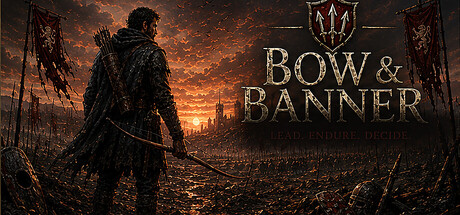 Bow & Banner Unclear | Some content in this game was enhanced using generative artificial intelligence (AI). | Fahad Azad | - | Aug 17, 2026 | |
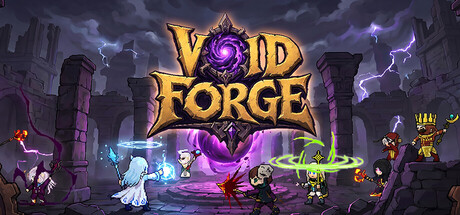 Void Forge In-game content art | This game used generative artificial intelligence to assist in creating certain content, including: concept designs for the opening comic and concept art for some UI elements. All AI-assisted content has been reviewed, edited, and remade manually. The game does not generate real-time AI content during runtime. | CombatSlayer | - | Aug 17, 2026 | |
 Beach Manager Simulator Store/marketing art | Selected pre-generated visual materials used for the Steam store page, capsule artwork, promotional assets, and presentation screenshots were created or refined with the assistance of generative AI tools.
The game does not use live generative AI during gameplay. No gameplay content, dialogue, images, audio, or missions are generated in real time by AI, and the game does not connect to external AI services during play. | E&Y Studio | - | Aug 16, 2026 | |
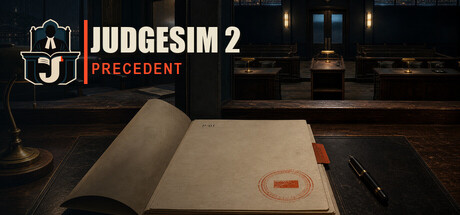 Judge SIM 2 Precedent Unclear art | Images are created with AI | SunsixStudios | - | Aug 16, 2026 | |
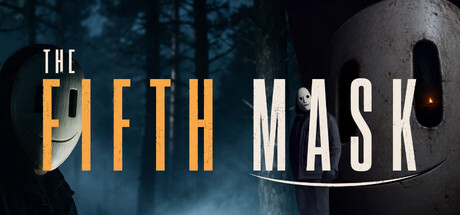 THE FIFTH MASK In-game content artaudiotext | All video, voice and music content in this game was pre-generated using AI tools under full human direction. The story, characters, dialogue, game design, editing and code are original work by a solo developer. No content is generated while the game is running; players only ever see pre-produced, human-reviewed material. | KafamaGore Games | - | Aug 16, 2026 | |
 CyberCon: Cybersecurity Tycoon Dev only code | Generative AI was used exclusively as a programming assistant during development to help write and optimize the game's code. All creative elements, including the story, game design, and artwork, were entirely crafted by human hand. | Wolfgrid Games | - | Aug 16, 2026 | |
 Zero Viewers In-game content artaudio | Generative AI tools were used during development to assist with debugging code, audio production, and the creation of some item and UI illustrations. AI-generated or AI-assisted content was reviewed and edited by the development team before being included in the final game. | Monya Studio | - | Aug 16, 2026 | |
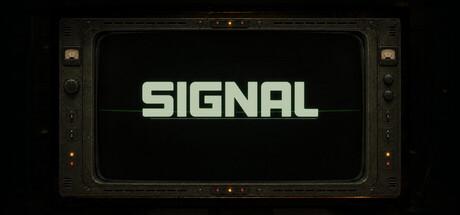 Signal In-game content art | Generative AI tools were used to create pre-generated visual assets used in the game and its marketing, including the station environment, CRT console artwork, and selected trailer, store, and event artwork.
All outputs were art-directed, edited, composited, and approved by Ruldae before inclusion.
SIGNAL does not use generative AI while the game is running. No player input or personal data is sent to an AI service, and the game contains no live-generated AI content. | Ruldae | - | Aug 16, 2026 | |
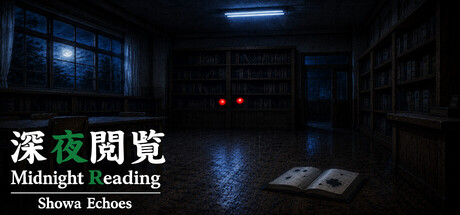 深夜閲覧 Midnight Reading:Showa Echoes In-game content arttext | Some background images and translations in this game were created using AI. | ZipanGames | - | Aug 14, 2026 | |
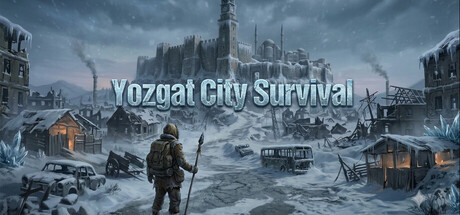 Yozgat City Survival Store/marketing art | Some videos are produced with artificial intelligence. | AlibazGame | - | Aug 14, 2026 | |
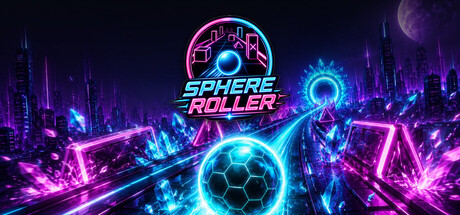 SPHERE ROLLER In-game content art | The game to contain art assets generated by artificial intelligence | Gamesforgames | - | Aug 14, 2026 | |
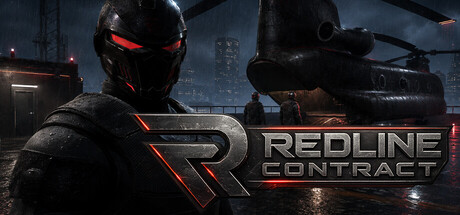 Redline Contract In-game content art | AI tools were used during development to assist with concept art, visual references, and certain promotional assets. All gameplay systems, mechanics, and core design were created and implemented by the development team.
AI was used strictly as a supportive tool and does not directly control gameplay or player experience. | Myth Studio | - | Aug 14, 2026 | |
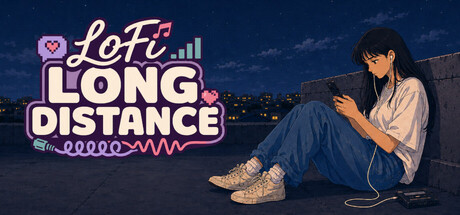 LoFi Long Distance In-game content arttext | The background art and writing in this game were created with the assistance of AI, under careful human direction. | Robots Have Feelings | - | Aug 13, 2026 | |
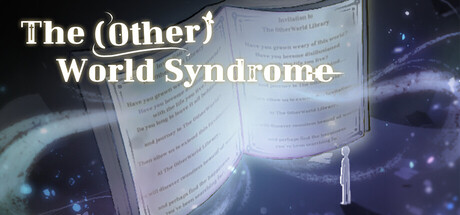 The (Other)World Syndrome Live AI text | During gameplay, the AI analyzes text input by players in real-time to determine and branch into pre-written scenario paths. | The (Other)World Lab | - | Aug 13, 2026 | |
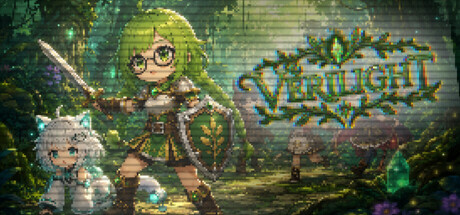 Verilight In-game content artaudiotextcode | Verilight incorporates generative AI as part of its development pipeline for creating draft artwork, music, text, and programming assistance. All AI-generated material is manually reviewed, edited, refined, and integrated by the developer before being included in the final game. Artwork is transformed into the game's pixel-art style, music is manually arranged and adapted for each biome, and code is reviewed and modified before implementation. The game does not generate AI content during gameplay and does not connect to external AI services. | Notter Animations | - | Aug 11, 2026 | |
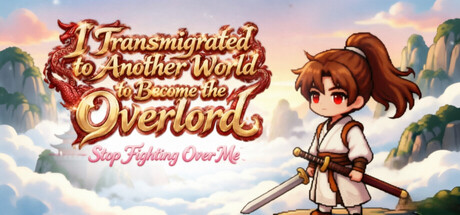 I Transmigrated to Another World to Become the Overlord ——Stop Fighting Over Me Live AI text | This game adopts generative AI technology to provide players with real-time interactive text dialogue with in-game NPCs. We have set strict content filtering rules to prevent the generation of inappropriate, illegal, pornographic or violent content. Players can report improper AI outputs through Steam's built-in marking tool. | SU RAN | - | Aug 11, 2026 | |
 莫待无花空折枝:做题家的 Git 重启日志 In-game content artaudiotext | 本游戏包含预先生成的 AI 内容:全部 CG、立绘与商店宣传美术由 AI 图像工具生成,背景音乐由 AI 音乐工具生成,均经人工筛选与修整。剧情大纲、人物与全部情感内核由作者本人创作,行文借助 AI 润色并经人工逐句审校。游戏不包含任何实时生成的 AI 内容。 | 西江仙客 | - | Aug 11, 2026 | |
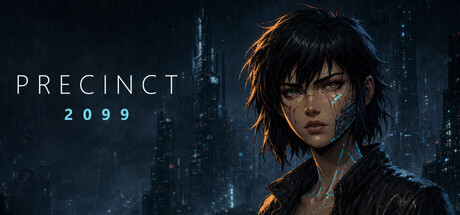 Precinct 2099 In-game content artaudiotext | Precinct 2099 uses generative AI as a production tool. Part of the visual material (backgrounds, character art and store images) and the music were created with AI tools and then selected, edited and art-directed by hand by our team. Some of the localisation work is AI-assisted. The story, script, characters and game design are written by humans. The game does not generate any content live while you play: everything ships pre-generated with the build. | ThinkingLiteSoft | - | Aug 10, 2026 | |
 FRUITCODE: Choose Me, Love Me! In-game content artaudiotextcode | Pre-generated generative AI was used during development to assist with visual artwork, music, sound effects, spoken audio, narrative and dialogue, and portions of the game code. The developer directed, reviewed, selected, edited, arranged, tested, and integrated the final content. No generative AI content is created while the game is running. | FRUITCODE Studios | - | Aug 10, 2026 | |
 Museum Girls Fleet Maneuvers: The Dockhand In-game content artaudio | This game contains visual and audio assets that were generated using AI tools. | HitD Entertainment | - | Aug 8, 2026 | |
 Digital Hunger In-game content artcode | Some visual assets in the game (character portraits, photographs and website imagery) were created with the assistance of AI image generation tools, then curated and edited by the developer. Portions of the game's code were written with AI coding assistance. All narrative, game design, voice acting and story content were created by humans. The game does not generate any content at runtime using AI. | BlackBeard Gaming | - | Aug 8, 2026 | |
 CAPITALIUM In-game content artaudio | This game uses AI-generated art and audio assets created during development. | WinFive Games | - | Aug 8, 2026 | |
 Backrooms: Archive - 后室档案 In-game content arttext | This title uses generative artificial intelligence in software development, the creation of art assets, and foreign-language localization.
Given the constraints of our production schedule, the size of our team, and the professional responsibilities of our members outside this project, we chose to incorporate generative AI into certain parts of development in pursuit of a more complete and polished game. However, our team firmly believes that generative AI should help creators produce better work. It should never become an excuse for cutting corners, disregarding the creative process, or replacing skilled professionals.
While working to deliver the most complete experience possible, these technologies enabled our engineers to explore directions that had previously been difficult to pursue because of limited time and manpower. These efforts include machine-learning-based image segmentation and depth mapping using motion-aware techniques, as well as redesigning low-level director systems and asset-management systems for art and text beyond the assistance provided by conventional game-engine tooling.
We also recognize that the experience and judgment of professional creators cannot be replicated. Throughout the production of our artistic assets, the team has actively sought guidance from artists, engineers, and experienced professionals in relevant fields, and has continuously reviewed the final content in accordance with their professional advice. All generated output is subject to human review, selection, and adjustment. No generated material is included in the game without first being inspected.
With regard to our art assets, we take copyright and creators’ rights in connection with generative AI very seriously. We believe that artists’ creative work and aesthetic expertise deserve stronger copyright protection. We have never trained models on others’ work without authorization, nor have we used LoRA models of unknown or unverifiable origin. We will not use an artist’s name, work, or distinctive style to train models or create imitations without permission, and we will never claim another creator’s work as our own.
We understand that players may hold different views regarding generative AI, and we are committed to being transparent about how and where it has been used in this title, as well as the principles that guide our use of it.
We will continue striving to ensure that both our own technology and generative AI serve as tools for creating a more complete work—not as excuses for avoiding creative responsibility, undermining the trust between creators and consumers, or producing inexpensive imitations.
Finally, we sincerely thank you for your understanding and for holding us accountable. | Autelume | - | Aug 8, 2026 | |
 Frontactics In-game content arttext | Generative AI tools were used during development to assist with the refinement of certain visual assets and to improve the quality and consistency of translations. All AI-assisted content was reviewed and edited by the developer before being included in the final game. No generative AI is used to create content dynamically during gameplay. | Molba Studio | - | Aug 8, 2026 | |
 Road to FIRE In-game content artaudiotext | This game uses content created or assisted by generative AI. Generative AI was used to help create and edit some visual assets, music/sound materials, and scripts. All final content was reviewed, selected, and adjusted by the developer before being included in the game. | P.E.G | - | Aug 7, 2026 | |
 君と最後の放課後 In-game content artaudiotext | This game uses content created or assisted by generative AI. Generative AI was used to help create and edit some visual assets, music/sound materials, and scripts. All final content was reviewed, selected, and adjusted by the developer before being included in the game. | P.E.G | - | Aug 7, 2026 | |
 TMR simulator Store/marketing artcode | Ai使用声明
1.书籍部分:基于原著、电影、网络已有的设定、在图书店拍的照片或者文手老师的文字设定,用ai生成3/4侧比较写实的书籍照片。其余部分为手绘。有一些基于参考图片。
2.协助代码 | YUTOO | - | Aug 7, 2026 | |
 Glory In-game content art | We are using AI to create character with rigging | Glory | - | Aug 7, 2026 | |
 AmaTisMo Dev only code | Generative AI tools were used only as a development assistant to help prototype and refine accessibility-related code and interface behavior. The game does not include AI-generated narrative, artwork, audio, characters, translations, or live-generated AI content. | VegetinES | - | Aug 7, 2026 | |
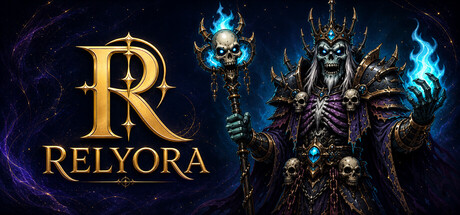 Rélyora In-game content art | Relyora is independently developed on a limited budget. Some visuals were created with AI assistance, then carefully selected, edited, and integrated by hand. No AI is used in real time. If the game finds an audience, revenue will be reinvested into working with professional artists. | Steal | - | Aug 5, 2026 | |
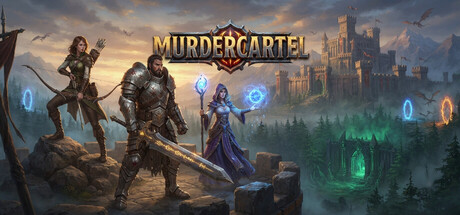 Murdercartel In-game content art | This game uses pre-generated AI-assisted content during development, including some artwork and visual assets. All AI-generated content has been reviewed, edited, and integrated by the developer. The game does not generate AI content during gameplay. | Marco van Pelt | - | Aug 5, 2026 | |
 Cinderisle In-game content art | Some 2D character portraits, sprites, item and environment artwork, and store promotional images were created from drafts produced with generative AI tools. All assets were reviewed, curated, edited, and post-processed by the developer before being included. The game does not use AI to generate content in real time during gameplay. | 플랜츠게임 | - | Aug 5, 2026 | |
 Mercenary Guild Manager In-game content art | Some of the game’s visual assets were created with the assistance of generative AI. All generated artwork is reviewed, edited, refined, and adapted by the development team to maintain a consistent visual identity and ensure that it matches the game’s artistic direction and design choices.
This approach was necessary due to the high cost of commissioning the full amount of artwork required from one or more professional artists or illustrators. Using AI-assisted tools helped keep the project financially viable, speed up production, and bring the game to players sooner while preserving a cohesive and recognizable style. | Code Dunamis | - | Aug 5, 2026 | |
 未授权记忆 In-game content art | AI-generated art assets were used in parts of the game. | TuGou Games | - | Aug 5, 2026 | |
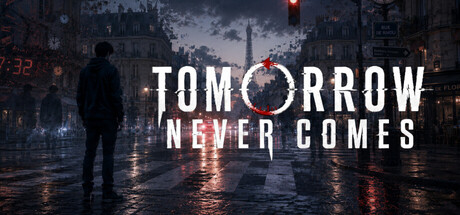 Tomorrow Never Comes In-game content artaudio | Some visual and audio assets were created or assisted using AI tools, then selected, edited, and integrated by the developer. The game's story, gameplay mechanics, dialogue, programming, and overall design were created by the developer. | Xamo Games | - | Aug 5, 2026 | |
 The Last Night of Olivia Harrow In-game content art | Some of the pictures used in this game we're created with the assistance of A.I. | Cipher & Clue | - | Aug 5, 2026 | |
 Tubular Tides In-game content text | Generative AI has only been used in the process of localization to serve our international players. We are trying our best to minimalize through out the process of localization. | Octo Studios | - | Aug 5, 2026 | |
 견우의 사랑 In-game content artaudio | During development, generative AI tools were used in the production of selected character sprites, backgrounds, CG illustrations, UI artwork, title logos, icons, and music. All AI-assisted assets were generated before release. The developer selected, directed, edited, composited, resized, recolored, and integrated these assets into the final game. Some production assets were also created directly or obtained from commercially licensed stock sources.
No generative AI runs during gameplay, and players cannot generate AI content through the game. | Moru Games | - | Aug 4, 2026 | |
 Koruzan In-game content art | Some of the game's visual assets — UI textures, illustrations, icons and marketing artwork — were created with the assistance of generative AI tools, then manually curated, edited and integrated by the developer. All game design, writing, code and systems are human-made. No AI content is generated at runtime. | Koruzan Games | - | Aug 4, 2026 | |
 FIRST LINE In-game content codetext | FIRST LINE was designed and directed by its human developer: the gameplay systems, the mechanics, the narrative and every creative decision. The game's code — including the systems that render all visuals and synthesize all audio at runtime — was written with an AI coding assistant (Claude Code) under that direction. The English localization was also produced with AI assistance. No pre-generated AI images, audio, or video assets are included in the game. Parts of the store page text were also written with AI assistance.
Store artwork (capsules and icons) is likewise rendered by AI-written code under human direction. | FBento | - | Aug 4, 2026 | |
 Wayfarer Protocol In-game content textaudioart | During development we used generative AI in a few places. A large language model helped write some of the game's text (in-game descriptions, events, and store copy). The music and many of the sound effects were created with Adobe Firefly, while some other sounds are generated in real time by the game's own code. The app icon was also created with Adobe Firefly. The in-game graphics are drawn procedurally by the game's code and are not AI-generated. Nothing is generated by AI while you play: every AI-assisted asset is created during development and shipped as a fixed file. The generative AI tools used (Adobe Firefly) grant commercial usage rights. | OC Studios | - | Aug 4, 2026 |


