Public Steam disclosure research25,376 disclosures tracked
Where do games disclose AI use?
Search developers’ Steam disclosures, compare classified AI use across
games, and follow recorded changes.
This index adds cross-game classifications and statistics to
statements published on individual store pages.
Groups reflect automatic analysis of public disclosures; mature records are excluded. These counts do not measure AI use across all of Steam.
Missing or unclear statements cannot establish whether a game uses AI.
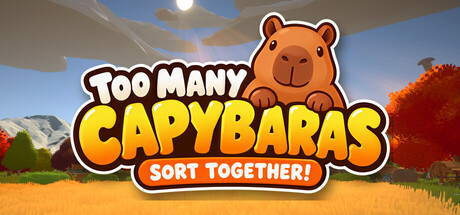
This game was made by a two-person team: a developer and a designer/artist. AI tools were used only as an aid during development. An AI 3D generator provided rough starting shapes for the capybara figurines, which the team then remodeled, textured and set up in the game engine. level design, gameplay, art direction, UI and text was designed and made by the team. The game does not generate any AI content while you play.
Some of the game's 3D models and artwork were created with the help of generative AI tools and then cleaned up and edited by hand. Parts of the store page text were drafted with AI assistance. The game does not generate any AI content while you play.
I used an AI coding assistant while building the game, and it helped come up with the achievement names and descriptions, which I edited. Nothing else in the game is AI generated: the soundtrack is licensed from its creators, the radio voices are my own recordings, and the art and sounds are produced by the game's own code.
Generative AI tools were used during development to create pre-rendered assets: creature and building artwork, icons, 3D models and parts of the store graphics. All assets were selected, edited and integrated by the developers. The game does not generate any content with AI while it is running.
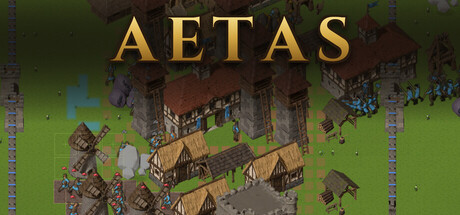
Aetas is designed, directed and built by a single developer. Generative AI was used as a development assistant: it helped write code and tools, the in-game texts and their English/Dutch localization, and the store page texts, all under the developer's direction and review. No AI image generation was used: all sprites and tiles are hand-drawn Liberated Pixel Cup art by human artists (credited in the game folder), or assembled programmatically from that art. The trailer music was produced by a synthesis script. The game does not generate any content with AI during gameplay and does not connect to any AI service.
Generative AI tools were used during development to assist with selected promotional artwork and pre-generated voice-over audio. All AI-assisted content is created and reviewed before inclusion in the game or store materials. The game does not use generative AI during gameplay and does not generate content in real time.
Generative AI tools were used during development to create and refine some branding, interface artwork, and promotional images. These assets are prepared in advance; the game does not generate AI content during gameplay.
Some music tracks included in the game were created using generative AI tools by third-party music providers. These tracks are used under licenses that permit their inclusion in commercial projects.
The game's visual assets, 3D environments, characters, animations and other artwork are primarily human-created assets, including original work and commercially licensed asset packs or free asset packs.
The game does not generate AI content while running.
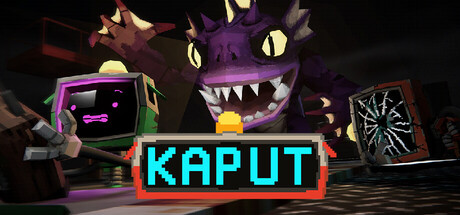
KAPUT is made by a small team, and we use AI coding assistants as a programming tool during development — to help write, refactor and review parts of the game's code and internal documentation. Every change is reviewed, tested and integrated by our developers, who are responsible for the final result.
The game's art, animation, music, sound design and writing are made by the team. No content is generated by AI while you play
The announcement artwork was created with the help of generative AI.
I also use AI coding agents for debugging and development assistance.
A small number of early-access placeholder sprites were created with AI assistance as well, but these are planned to be replaced before the full release.
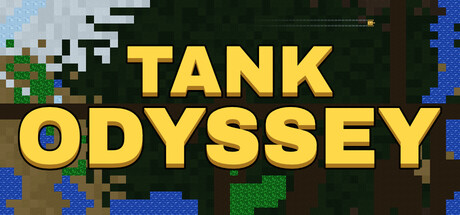
This game is developed under the direction of an independent developer. Its core tank mechanics, combat system, UI design, and mission system were all implemented using Godot, with AI-assisted tools incorporated to improve development efficiency.
AI tools are primarily used in asset creation, including background images, vehicle images, sound effects, and UI elements.
The game’s core design philosophy, gameplay mechanics, and programming logic were all personally conceived and implemented by the developer. AI serves only as a supporting tool and is not the primary source of creation.
With the assistance of AI tools, we are able to focus more closely on gameplay and overall quality, allowing our limited resources to be invested in the most important aspects of the player experience.
AI-assisted tools were used during development to create some visual assets and textures, music and sound effects, and to assist with English localization. Generated promotional illustrations and pre-generated synthetic voice performances are also used in the Steam store materials and trailers. These assets were selected, edited and integrated during production. The game does not generate AI content while it is running.
Generative AI used as developer tool for code, testing, modeling, and sound.
Generative AI used directly for campaign mission brief and victory screen full screen background art.
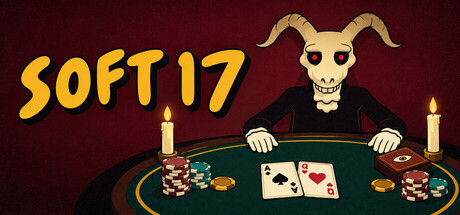
SOFT 17's visuals and audio are generated procedurally from code: the dealers, the
cards, the table and every sound are drawn and synthesized while you play, rather than
imported as files.
Generative AI contributed to some of the content that ships with the game: eight
interface icons in the main menu, the artwork used on this store page, and part of the
in-game text and its English translation. All of it was produced from written briefs,
then reviewed, edited and assembled by hand.
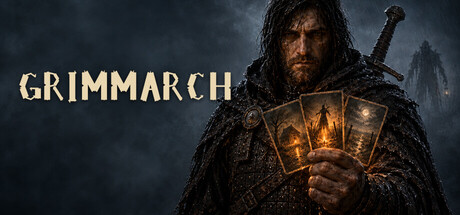
Grimmarch's art, music, voice and sound effects are created or edited with generative AI tools, then selected, edited and approved by a human before shipping. That covers card and interface art, character portraits, map and scene art, the cinematic, music, character voice lines and sound effects.
Nothing is generated while you play: the game contacts no AI service at runtime, and nothing you do is sent to one.
Generative AI was used during development to create playing-card court illustrations and promotional artwork, which were reviewed and adapted for the game. No AI content is generated during play.
We use AI tools as part of our development pipeline: some images were generated with AI, and AI-assisted tools support parts of the production process. Everything produced this way is reviewed, edited and integrated by hand - the design, gameplay systems and final content are our own work.
Generative AI tools were used during development to create pre-generated artwork
and visual assets used in the game and its Steam store materials.
All AI-generated assets included in the final game were reviewed and selected by
the developer before use.
No generative AI content is created during gameplay, and the game does not connect
to any external AI services.
During development we use AI-based tools to assist with content creation, including modelling, voice lines, music and translations. All of it is reviewed by the team to ensure the final product stays true to our own vision.
Pre-generated voice-over and minor environmental assets were created using generative AI.
All generated content was selected, edited, and integrated by the development team. No generative AI is used during gameplay.
During development, generative AI is used to explore visual concepts and create prototype. Also used on Translation. Textures, animations, and 3D models are created manually. The game does not generate AI content during gameplay.
Generative AI tools were used during development to help create some of the game's art, textures and icons, audio (including music and voice), in-game text, and store and marketing materials. The game does not generate any AI content during gameplay.
Eldritch Tricks was not dealt by human hands alone: we lean on procedural and AI-assisted tools during development to help draft what you see and hear. Every card that reaches the table is chosen, shaped, and finished by the Iron Tower Press team, and the game you play is ours.
During development, generative artificial intelligence tools were used to create some pre-rendered static images featured in the game and in the Store page materials (illustrations and promotional graphics).
All content was selected, reviewed and integrated manually by the developer.
The game does not use generative AI during gameplay and does not generate content in real time.
The game's icon and the promotional images were made with generative AI; the store page text and its translations were drafted with an AI assistant and checked by the developer. Nothing is generated by AI while you play.
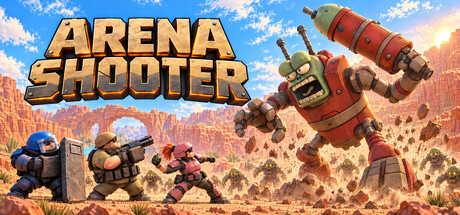
Generative AI tools were used to help create some of our promotional artwork, such as the store capsule and key art. AI is used to develop intelligence of the enemy bot players in the arena. It was reviewed and selected by our team. No AI content is generated during gameplay.
The game includes a limited number of developer-reviewed AI-assisted 2D atmospheric illustrations used as static, non-interactive UI/background art. They are not gameplay screenshots, playable characters, dialogue, code, or user-generated content. Interactive levels, gameplay systems, text, and the in-game 3D presentation are authored or assembled by the developer using project-owned and separately tracked third-party assets.
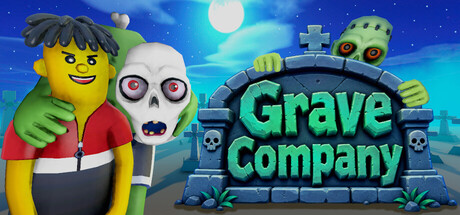
Some artwork and localization in Grave Company were created with the assistance of generative AI. This content was reviewed and adjusted by the development team before release.
Some marketing concept art (store page / website) was created with Leonardo.ai and is labelled as concept art. No AI-generated content ships in the game itself. Every mesh, texture, material and sound is generated procedurally by the game's own code at runtime.
Generative AI tools assisted with drafting and translating text for the store page and trailer captions. The game does not generate AI content during play.
Generative AI tools were used during the development of Forgotten Horizons to assist with the creation of some content. AI-generated content was reviewed and edited by the development team before being included in the game or its store and marketing materials. The game does not generate AI content in real time during gameplay.
Generative AI was used during development to help create some of the game's 3D models, music, sound effects, and program code, as well as to draft or revise portions of the in-game text and translate in-game text into English.
The store page also includes image assets created using generative AI. Generative AI was also used to help write the store description and translate it into English.
the game generates nothing while you play, AI was used during development in some in game text like word lists which all were checked by a human afterwards
Generative AI was used as a supporting tool for the creation and refinement of text content and graphical assets used in the game and/or on the Steam store page.
This game was made by a two-person team: a developer and a designer/artist. AI tools were used only as an aid during development. An AI 3D generator provided rough starting shapes for the capybara figurines, which the team then remodeled, textured and set up in the game engine. level design, gameplay, art direction, UI and text was designed and made by the team. The game does not generate any AI content while you play.
Some of the game's 3D models and artwork were created with the help of generative AI tools and then cleaned up and edited by hand. Parts of the store page text were drafted with AI assistance. The game does not generate any AI content while you play.
I used an AI coding assistant while building the game, and it helped come up with the achievement names and descriptions, which I edited. Nothing else in the game is AI generated: the soundtrack is licensed from its creators, the radio voices are my own recordings, and the art and sounds are produced by the game's own code.
Generative AI tools were used during development to create pre-rendered assets: creature and building artwork, icons, 3D models and parts of the store graphics. All assets were selected, edited and integrated by the developers. The game does not generate any content with AI while it is running.
Aetas is designed, directed and built by a single developer. Generative AI was used as a development assistant: it helped write code and tools, the in-game texts and their English/Dutch localization, and the store page texts, all under the developer's direction and review. No AI image generation was used: all sprites and tiles are hand-drawn Liberated Pixel Cup art by human artists (credited in the game folder), or assembled programmatically from that art. The trailer music was produced by a synthesis script. The game does not generate any content with AI during gameplay and does not connect to any AI service.
Generative AI tools were used during development to assist with selected promotional artwork and pre-generated voice-over audio. All AI-assisted content is created and reviewed before inclusion in the game or store materials. The game does not use generative AI during gameplay and does not generate content in real time.
Generative AI tools were used during development to create and refine some branding, interface artwork, and promotional images. These assets are prepared in advance; the game does not generate AI content during gameplay.
Some music tracks included in the game were created using generative AI tools by third-party music providers. These tracks are used under licenses that permit their inclusion in commercial projects.
The game's visual assets, 3D environments, characters, animations and other artwork are primarily human-created assets, including original work and commercially licensed asset packs or free asset packs.
The game does not generate AI content while running.
KAPUT is made by a small team, and we use AI coding assistants as a programming tool during development — to help write, refactor and review parts of the game's code and internal documentation. Every change is reviewed, tested and integrated by our developers, who are responsible for the final result.
The game's art, animation, music, sound design and writing are made by the team. No content is generated by AI while you play
The announcement artwork was created with the help of generative AI.
I also use AI coding agents for debugging and development assistance.
A small number of early-access placeholder sprites were created with AI assistance as well, but these are planned to be replaced before the full release.
This game is developed under the direction of an independent developer. Its core tank mechanics, combat system, UI design, and mission system were all implemented using Godot, with AI-assisted tools incorporated to improve development efficiency.
AI tools are primarily used in asset creation, including background images, vehicle images, sound effects, and UI elements.
The game’s core design philosophy, gameplay mechanics, and programming logic were all personally conceived and implemented by the developer. AI serves only as a supporting tool and is not the primary source of creation.
With the assistance of AI tools, we are able to focus more closely on gameplay and overall quality, allowing our limited resources to be invested in the most important aspects of the player experience.
AI-assisted tools were used during development to create some visual assets and textures, music and sound effects, and to assist with English localization. Generated promotional illustrations and pre-generated synthetic voice performances are also used in the Steam store materials and trailers. These assets were selected, edited and integrated during production. The game does not generate AI content while it is running.
Generative AI used as developer tool for code, testing, modeling, and sound.
Generative AI used directly for campaign mission brief and victory screen full screen background art.
SOFT 17's visuals and audio are generated procedurally from code: the dealers, the
cards, the table and every sound are drawn and synthesized while you play, rather than
imported as files.
Generative AI contributed to some of the content that ships with the game: eight
interface icons in the main menu, the artwork used on this store page, and part of the
in-game text and its English translation. All of it was produced from written briefs,
then reviewed, edited and assembled by hand.
Grimmarch's art, music, voice and sound effects are created or edited with generative AI tools, then selected, edited and approved by a human before shipping. That covers card and interface art, character portraits, map and scene art, the cinematic, music, character voice lines and sound effects.
Nothing is generated while you play: the game contacts no AI service at runtime, and nothing you do is sent to one.
Generative AI was used during development to create playing-card court illustrations and promotional artwork, which were reviewed and adapted for the game. No AI content is generated during play.
We use AI tools as part of our development pipeline: some images were generated with AI, and AI-assisted tools support parts of the production process. Everything produced this way is reviewed, edited and integrated by hand - the design, gameplay systems and final content are our own work.
Generative AI tools were used during development to create pre-generated artwork
and visual assets used in the game and its Steam store materials.
All AI-generated assets included in the final game were reviewed and selected by
the developer before use.
No generative AI content is created during gameplay, and the game does not connect
to any external AI services.
During development we use AI-based tools to assist with content creation, including modelling, voice lines, music and translations. All of it is reviewed by the team to ensure the final product stays true to our own vision.
Pre-generated voice-over and minor environmental assets were created using generative AI.
All generated content was selected, edited, and integrated by the development team. No generative AI is used during gameplay.
During development, generative AI is used to explore visual concepts and create prototype. Also used on Translation. Textures, animations, and 3D models are created manually. The game does not generate AI content during gameplay.
Generative AI tools were used during development to help create some of the game's art, textures and icons, audio (including music and voice), in-game text, and store and marketing materials. The game does not generate any AI content during gameplay.
Eldritch Tricks was not dealt by human hands alone: we lean on procedural and AI-assisted tools during development to help draft what you see and hear. Every card that reaches the table is chosen, shaped, and finished by the Iron Tower Press team, and the game you play is ours.
During development, generative artificial intelligence tools were used to create some pre-rendered static images featured in the game and in the Store page materials (illustrations and promotional graphics).
All content was selected, reviewed and integrated manually by the developer.
The game does not use generative AI during gameplay and does not generate content in real time.
The game's icon and the promotional images were made with generative AI; the store page text and its translations were drafted with an AI assistant and checked by the developer. Nothing is generated by AI while you play.
Generative AI tools were used to help create some of our promotional artwork, such as the store capsule and key art. AI is used to develop intelligence of the enemy bot players in the arena. It was reviewed and selected by our team. No AI content is generated during gameplay.
The game includes a limited number of developer-reviewed AI-assisted 2D atmospheric illustrations used as static, non-interactive UI/background art. They are not gameplay screenshots, playable characters, dialogue, code, or user-generated content. Interactive levels, gameplay systems, text, and the in-game 3D presentation are authored or assembled by the developer using project-owned and separately tracked third-party assets.
Some artwork and localization in Grave Company were created with the assistance of generative AI. This content was reviewed and adjusted by the development team before release.
Some marketing concept art (store page / website) was created with Leonardo.ai and is labelled as concept art. No AI-generated content ships in the game itself. Every mesh, texture, material and sound is generated procedurally by the game's own code at runtime.
Generative AI tools assisted with drafting and translating text for the store page and trailer captions. The game does not generate AI content during play.
Generative AI tools were used during the development of Forgotten Horizons to assist with the creation of some content. AI-generated content was reviewed and edited by the development team before being included in the game or its store and marketing materials. The game does not generate AI content in real time during gameplay.
Generative AI was used during development to help create some of the game's 3D models, music, sound effects, and program code, as well as to draft or revise portions of the in-game text and translate in-game text into English.
The store page also includes image assets created using generative AI. Generative AI was also used to help write the store description and translate it into English.
the game generates nothing while you play, AI was used during development in some in game text like word lists which all were checked by a human afterwards
Generative AI was used as a supporting tool for the creation and refinement of text content and graphical assets used in the game and/or on the Steam store page.