


Disclosure
Some arts generated with AI help.
- Creator
- Smobu
- Reviews
- -
- Added
- Oct 4, 2026
Public Steam disclosure research 27,951 disclosures tracked
Search developers’ Steam disclosures, compare classified AI use across games, and follow recorded changes. This index adds cross-game classifications and statistics to statements published on individual store pages.
Code help, debugging and other development work.
Capsule art, trailers and promotional material.
Pre-made art, audio, writing and other game assets.
Interactive or runtime AI features disclosed by the developer.
Groups reflect automatic analysis of public disclosures; mature records are excluded. These counts do not measure AI use across all of Steam. Missing or unclear statements cannot establish whether a game uses AI.
Some arts generated with AI help.
Steam store and library, including capsule images, the logo and icons Gameplay screenshots were captured directly from the game.
AI helped with grammatical corrections for in-game text, which were then carefully reviewed and adjusted by hand. We only consider AI to be a supportive tool. Every detail is meticulously crafted with human intent, as our creative process is still firmly anchored in manual craftsmanship.
AI helped with grammatical corrections for in-game text, which were then carefully reviewed and adjusted by hand Some store visuals modified with AI assistance
I have used generative ai to enhance the steam capsule art.
Game store page logo and cover art made with ai tools Game menu images made with ai tools
Localization was also done via the help of AI
Some 3D models, item icons, textures and UI art, sound effects and music were made with generative AI tools
Background and Logo Created AI
This game use the help of AI agents for both code and art
During the development of this game, we utilized generative artificial intelligence tools—specifically Claude, Gemini, and Codex (GPT)—to assist with programming, debugging, and drafting text/documentation. Code and Systems: AI models were used as development assistants to help write, refactor, and troubleshoot code logic. Text and Documentation: AI assistants were used to brainstorm and draft text content, which was then thoroughly reviewed, edited, and manually integrated by our development team.
Brine & Brass is a solo project by Remoria, assisted by AI. GPT assisted with game programming, in-game writing, artwork-drawing scripts, and procedural music and sound code. The artwork is rendered from project drawing code, and the audio uses local waveform synthesis. No generative AI model or online AI service runs during gameplay.
AI was used for translations and to help create some of the 3D models and images, including images used on the store page. All of this content was manually reviewed and refined.
We use generative AI across all disciplines of game development, most often with heavy amounts of human editing. That involves audio and visual art, 3D models, our logo, and localization. We use it as a productivity tool so we can achieve a higher level of quality, faster, than we would have been able to. We also have a full soundtrack of 1950's halloween pop hits that are obviously made by AI, as you can hear in the trailer. It's awesome and it'd be basically impossible otherwise.
This game was developed with the help of generative AI tools. AI was used to create pre-generated content that ships with the game: the balloon artwork, menu backgrounds, achievement icons and other visual assets, the music, the sound effects, and parts of the in-game text and the German/English localization. AI coding assistants were also used during development. All content was selected, edited and assembled by the developer. No content is generated by AI while you play.
Some of this game's art, music, sound effects, 3D models, and translations were created with the help of generative AI. No content is generated by AI during gameplay.
AI was used to help generate some text and translations. All art, models, and animation are human-made.
Misty and the Last Breeze is a solo-developed game made with a lot of AI assistance. Here is how AI was used. Code. The game is built in Godot. Most of the gameplay code, tooling and automated tests were written with AI coding assistants (Claude Code and Codex), working from my design direction, and reviewed, playtested and revised by me. Design decisions, level layouts, movement feel and what ships are mine; the assistants do much of the typing. 3D models and art. Many in-game models and textures were made in Blender through scripts written with AI assistance, often rebuilt from concept images. Some of those reference images were generated with AI image tools. Other visuals, such as shaders, UI and effects, are authored in code. Painting and key-art images in the game that began as AI-generated images are kept as AI-assisted work. Music. Music is generated with Suno and then selected, arranged and edited by me. Ambience and sound effects are mostly synthesized in code (procedural audio) rather than sampled from other artists. Mockups and planning. I use ChatGPT's image generation for mockups, mood boards, UI layouts and promotional concepts while planning. These are for exploring ideas; they are not meant to ship as finished art unless noted above. What is not AI. The game itself has no runtime AI: every enemy, NPC, line of dialogue and level is fixed content that I designed and authored. Nothing is generated or adapted while you play.
Generative AI was used during development to create pre-generated artwork, including backgrounds, characters, fish, food, icons, and some UI and store images. AI was also used to prepare store descriptions and translations. No content is generated by AI during gameplay.
Generative AI tools were used during development to create or assist with character illustrations, some character sprites and other visual assets, store and promotional artwork, background music, and portions of localized text. These assets were selected, processed and integrated by the developer. The game does not generate AI content during play and does not connect to external AI services at runtime.
Only for localization
This game includes content created with the assistance of generative AI. Specifically, the clock face and background designs available in the in-game shop were created using generative AI image tools, and the localization of the in-game interface text into several additional languages was produced with generative AI. The game's audio and other content were created without generative AI. No generative AI runs while the game is played — all such content is pre-generated and included in the build.
Generative AI was used for the cards, interface icons, translations and the store page text. All generated content was selected and checked by hand before it went into the game. No AI is used at runtime.
The background music in this game was created using generative AI. Generative AI was also used for the translations into the nine languages other than Korean, and for the achievement icons. The game design, the original Korean writing, and the character pixel art are human-made.
Images: AI-generated images were manually edited and composited for use in the game. Text: AI was used to draft some in-game text (card names and descriptions), which was then manually rewritten. Live-generated AI content: None.
BoltFall was developed with the assistance of generative AI tools. The game's music was generated using AI audio tools, and environment art assets were created with the assistance of AI image generation tools. All AI-generated content was reviewed, edited, and curated by the developer before being included in the final game.
Generative AI tools were used during development to assist with some artwork and localization for the game and its store materials. These images and texts are prepared in advance and included as pre-generated content. The game does not use generative AI to create content or code during gameplay.
We used AI-assisted tools to help create and refine a small selection of visual assets. Each one was reviewed and adjusted by hand before it was used. AI also helped us tidy up the grammar and wording in a small amount of in-game and store-page text. We checked and edited every final line ourselves. For us, AI is simply a supporting tool. Dino Dome: Tidy Up! is still shaped by our own ideas, judgement, and hands-on creative work.
The music under the trailer is generated by Suno. That's it. I ain't a musician.
The in-game text and the store page text, including the Korean, Japanese and Simplified Chinese translations, were written with the help of AI. Nothing is generated by AI while you play.
Generative AI was used only as a supporting tool in the design of some fictional red panda characters and for language translation.
Translation was supported by AI tools.
AI tools were used only to assist with translating in-game text into supported languages. No AI-generated images, music, audio, or 3D models were used. The game does not generate AI content during gameplay. Its creative direction and artistic content are rooted in human creativity and craftsmanship.
We used AI as a supporting tool to translate and proofread the in-game text. Every translation was reviewed and adjusted by our team before it went into the game.
Some 3D models and textures in MemTown were created or converted with the assistance of generative AI during development. These assets are used for certain tools, capture capsules, resource objects, and production facilities in the territory.
AI is used solely to assist with development, such as for some localization and the creation of internal tools. The game does not include any features that automatically generate content in real-time during gameplay.
Generative AI was used as a development tool to assist with programming and debugging.
Generative AI was used during development to create or assist with some in-game artwork, promotional images, written content, and localization. The game does not use generative AI to generate content during gameplay.
Ai used to create the Steam page art and all the cards art in the game.
Generative AI tools were used to assist with localization during development. All in-game art assets were hand-drawn, manually edited, and refined by the creator. No generative AI is used while the game is running.
The voice lines in this game were generated using AI text-to-speech tools. We are a small team of two people, and professional voice acting was beyond the budget of this project.
I'm a solo developer, not an artist or musician. So I used AI to help create some of the artwork and music for this game. Everything else (code, game system, UI design, mission design, story planning, and overall creative direction) is entirely my own work. I also reused some hand-drawn pixel art from my previous game, created entirely without AI. If you prefer games made without generative AI, please check out my previous release. It's entirely human-made, with deeper mechanics and more systems to explore!
The Art 2d art in the main menu was AI generated through chat gpt.
Generative AI was used to assist in creating some store promotional images with manual post-compositing. Generative AI was also used to produce part of the 2D assets within the game, and to assist with translation and localization for portions of the game text. All AI-assisted content has been reviewed, edited and refined by our development team.
AI-Assisted Language Translation
We use pre-generated AI imagery for some visual elements, like card textures, backgrounds, and store page graphics. The game does not generate any AI content in real-time. However, the doodles you see on the desk are 100% hand-drawn by the developer's child!
AI-assisted tools were used throughout development.
This game contains content created with the assistance of AI tools. AI was used during development to assist with programming, visual assets, and other creative elements. All generated content was reviewed, edited, and integrated by the dev.
This game was made by a two-person team: a developer and a designer/artist. AI tools were used only as an aid during development. An AI 3D generator provided rough starting shapes for the capybara figurines, which the team then remodeled, textured and set up in the game engine. level design, gameplay, art direction, UI and text was designed and made by the team. The game does not generate any AI content while you play.
Spirit Gems features artwork developed with generative AI.
| Title⇅ | Disclosure | Creator⇅ | Src | Reviews⇅ | Added↓ |
|---|---|---|---|---|---|
 Gacha Chaos Tidy Up Together Unclear art | Some arts generated with AI help. | Smobu | - | Oct 4, 2026 | |
 Ammo Eater Store/marketing art | Steam store and library, including capsule images, the logo and icons Gameplay screenshots were captured directly from the game. | Ammo Eater Studio | - | Oct 4, 2026 | |
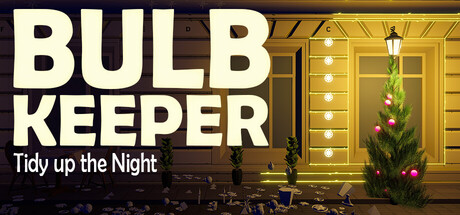 Bulb Keeper: Tidy up the Night In-game content text | AI helped with grammatical corrections for in-game text, which were then carefully reviewed and adjusted by hand.
We only consider AI to be a supportive tool. Every detail is meticulously crafted with human intent, as our creative process is still firmly anchored in manual craftsmanship. | YUKU Game | - | Oct 4, 2026 | |
 Dice Sort Together: Arcane Hall In-game content text | AI helped with grammatical corrections for in-game text, which were then carefully reviewed and adjusted by hand
Some store visuals modified with AI assistance | Smobu | 12 | Oct 4, 2026 | |
 Animal Bookshop: Tidy & Sell Store/marketing art | I have used generative ai to enhance the steam capsule art. | Perpetual Learner | - | Oct 4, 2026 | |
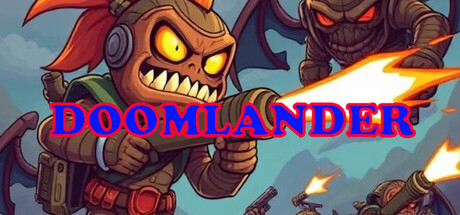 Doomlander Store/marketing art | Game store page logo and cover art made with ai tools
Game menu images made with ai tools | Saylor games | - | Oct 3, 2026 | |
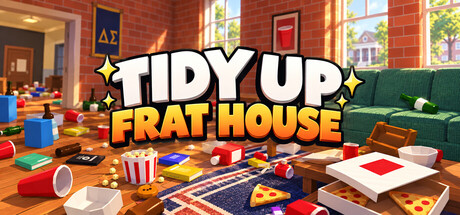 Tidy Up Frat House In-game content text | Localization was also done via the help of AI | sharkfindev | - | Oct 3, 2026 | |
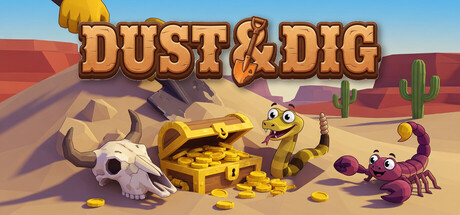 Dust & Dig In-game content artaudio | Some 3D models, item icons, textures and UI art, sound effects and music were made with generative AI tools | EEE Games | - | Oct 3, 2026 | |
 Duck Me Please! Store/marketing art | Background and Logo Created AI | noxg | - | Oct 3, 2026 | |
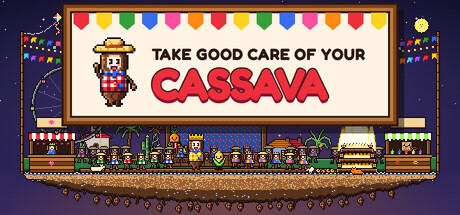 Take Good Care of Your Cassava In-game content artcode | This game use the help of AI agents for both code and art | GRisk | - | Oct 3, 2026 | |
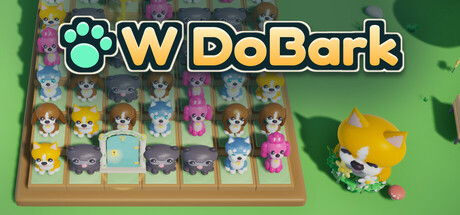 W DoBark Dev only codetext | During the development of this game, we utilized generative artificial intelligence tools—specifically Claude, Gemini, and Codex (GPT)—to assist with programming, debugging, and drafting text/documentation.
Code and Systems: AI models were used as development assistants to help write, refactor, and troubleshoot code logic.
Text and Documentation: AI assistants were used to brainstorm and draft text content, which was then thoroughly reviewed, edited, and manually integrated by our development team. | Wagtail Interactive | - | Oct 3, 2026 | |
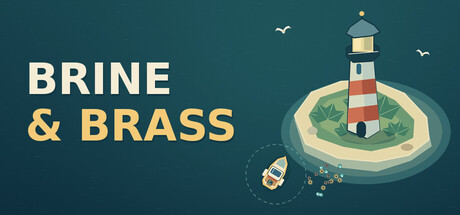 Brine and Brass In-game content artaudiotextcode | Brine & Brass is a solo project by Remoria, assisted by AI. GPT assisted with game programming, in-game writing, artwork-drawing scripts, and procedural music and sound code. The artwork is rendered from project drawing code, and the audio uses local waveform synthesis. No generative AI model or online AI service runs during gameplay. | Remoria | - | Oct 3, 2026 | |
 Sort Them Eggs In-game content textart | AI was used for translations and to help create some of the 3D models and images, including images used on the store page. All of this content was manually reviewed and refined. | Razzu | - | Oct 3, 2026 | |
 Tidy Up the Halloween Shop In-game content artaudiotext | We use generative AI across all disciplines of game development, most often with heavy amounts of human editing. That involves audio and visual art, 3D models, our logo, and localization. We use it as a productivity tool so we can achieve a higher level of quality, faster, than we would have been able to.
We also have a full soundtrack of 1950's halloween pop hits that are obviously made by AI, as you can hear in the trailer. It's awesome and it'd be basically impossible otherwise. | Over The Moon Games | 557 | Oct 3, 2026 | |
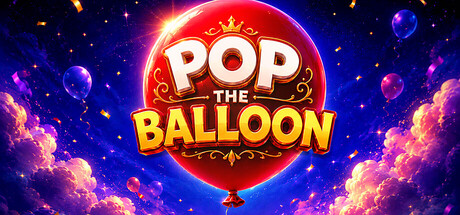 Pop the Balloon In-game content artaudiotext | This game was developed with the help of generative AI tools. AI was used to create pre-generated content that ships with the game: the balloon artwork, menu backgrounds, achievement icons and other visual assets, the music, the sound effects, and parts of the in-game text and the German/English localization. AI coding assistants were also used during development. All content was selected, edited and assembled by the developer. No content is generated by AI while you play. | Myobia Motion Studio | - | Oct 3, 2026 | |
 Cirno’s Snowball In-game content artaudiotext | Some of this game's art, music, sound effects, 3D models, and translations were created with the help of generative AI. No content is generated by AI during gameplay. | FIVE DUCK GAMES | - | Oct 3, 2026 | |
 Way Too Many Fish! In-game content text | AI was used to help generate some text and translations. All art, models, and animation are human-made. | samyam | 20 | Oct 2, 2026 | |
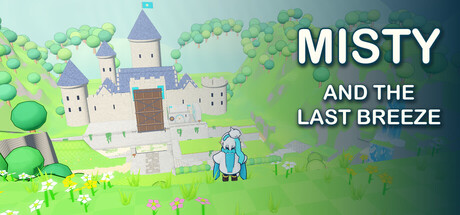 Misty and the Last Breeze In-game content artaudiocodetext | Misty and the Last Breeze is a solo-developed game made with a lot of AI assistance. Here is how AI was used.
Code. The game is built in Godot. Most of the gameplay code, tooling and automated tests were written with AI coding assistants (Claude Code and Codex), working from my design direction, and reviewed, playtested and revised by me. Design decisions, level layouts, movement feel and what ships are mine; the assistants do much of the typing.
3D models and art. Many in-game models and textures were made in Blender through scripts written with AI assistance, often rebuilt from concept images. Some of those reference images were generated with AI image tools. Other visuals, such as shaders, UI and effects, are authored in code. Painting and key-art images in the game that began as AI-generated images are kept as AI-assisted work.
Music. Music is generated with Suno and then selected, arranged and edited by me. Ambience and sound effects are mostly synthesized in code (procedural audio) rather than sampled from other artists.
Mockups and planning. I use ChatGPT's image generation for mockups, mood boards, UI layouts and promotional concepts while planning. These are for exploring ideas; they are not meant to ship as finished art unless noted above.
What is not AI. The game itself has no runtime AI: every enemy, NPC, line of dialogue and level is fixed content that I designed and authored. Nothing is generated or adapted while you play. | Ilia Reingold | - | Oct 1, 2026 | |
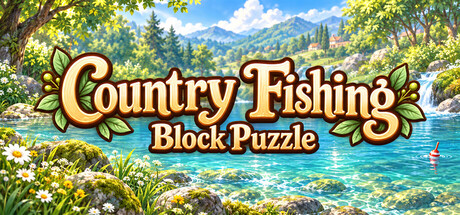 Country Fishing In-game content arttext | Generative AI was used during development to create pre-generated artwork, including backgrounds, characters, fish, food, icons, and some UI and store images. AI was also used to prepare store descriptions and translations. No content is generated by AI during gameplay. | K-Cookie Games | - | Oct 1, 2026 | |
 Idle Abyss Princesses In-game content artaudiotext | Generative AI tools were used during development to create or assist with character illustrations, some character sprites and other visual assets, store and promotional artwork, background music, and portions of localized text. These assets were selected, processed and integrated by the developer. The game does not generate AI content during play and does not connect to external AI services at runtime. | Peter | 141 | Oct 1, 2026 | |
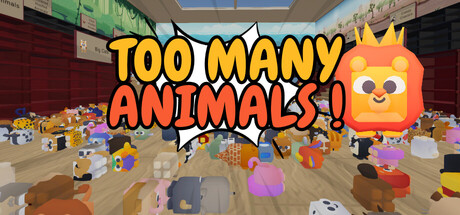 Too Many Animals ! In-game content text | Only for localization | Lip Chuan Sui | - | Oct 1, 2026 | |
 Waste Your Time In-game content arttext | This game includes content created with the assistance of generative AI. Specifically, the clock face and background designs available in the in-game shop were created using generative AI image tools, and the localization of the in-game interface text into several additional languages was produced with generative AI. The game's audio and other content were created without generative AI. No generative AI runs while the game is played — all such content is pre-generated and included in the build. | XejiksGG | - | Oct 1, 2026 | |
 PULLFINITY In-game content arttext | Generative AI was used for the cards, interface icons, translations and the store page text.
All generated content was selected and checked by hand before it went into the game. No AI is used at runtime. | Nicholas Schmitz | - | Oct 1, 2026 | |
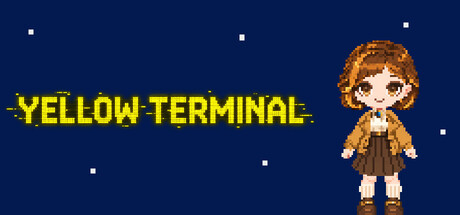 Yellow Terminal In-game content audiotextart | The background music in this game was created using generative AI. Generative AI was also used for the translations into the nine languages other than Korean, and for the achievement icons. The game design, the original Korean writing, and the character pixel art are human-made. | Clusion Games | - | Oct 1, 2026 | |
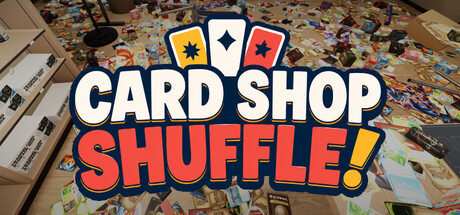 CARD SHOP SHUFFLE! In-game content arttext | Images: AI-generated images were manually edited and composited for use in the game.
Text: AI was used to draft some in-game text (card names and descriptions), which was then manually rewritten.
Live-generated AI content: None. | NorthPillow Lab | - | Oct 1, 2026 | |
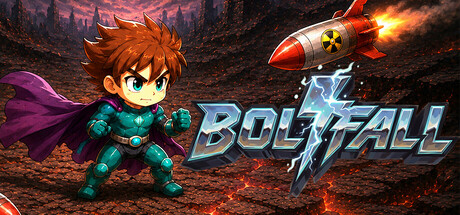 Boltfall In-game content audioart | BoltFall was developed with the assistance of generative AI tools. The game's music was generated using AI audio tools, and environment art assets were created with the assistance of AI image generation tools. All AI-generated content was reviewed, edited, and curated by the developer before being included in the final game. | MayaRealm Studios | - | Oct 1, 2026 | |
 Let's Go! Curio Crew! In-game content arttext | Generative AI tools were used during development to assist with some artwork and localization for the game and its store materials. These images and texts are prepared in advance and included as pre-generated content. The game does not use generative AI to create content or code during gameplay. | Yichuan Game | - | Oct 1, 2026 | |
 Dino Dome: Tidy Up! In-game content arttext | We used AI-assisted tools to help create and refine a small selection of visual assets. Each one was reviewed and adjusted by hand before it was used.
AI also helped us tidy up the grammar and wording in a small amount of in-game and store-page text. We checked and edited every final line ourselves.
For us, AI is simply a supporting tool. Dino Dome: Tidy Up! is still shaped by our own ideas, judgement, and hands-on creative work. | Obsessive Games | 23 | Oct 1, 2026 | |
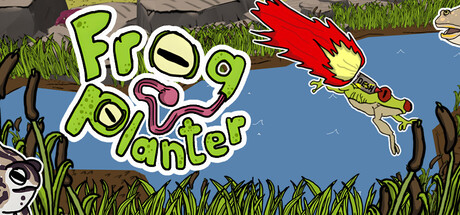 Frog Planter Store/marketing audio | The music under the trailer is generated by Suno. That's it. I ain't a musician. | Lazy Platypus Kft. | - | Oct 1, 2026 | |
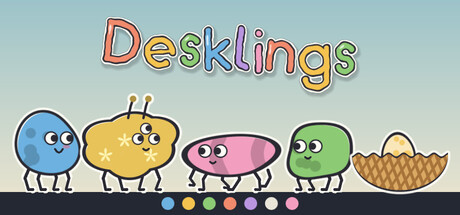 Desklings In-game content text | The in-game text and the store page text, including the Korean, Japanese and Simplified Chinese translations, were written with the help of AI. Nothing is generated by AI while you play. | Doodle Nest | - | Sep 30, 2026 | |
 Sort the Red Pandas: Tidy Up & Shelve In-game content arttext | Generative AI was used only as a supporting tool in the design of some fictional red panda characters and for language translation. | Ms.RedPanda | - | Sep 30, 2026 | |
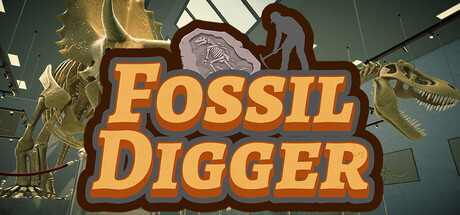 Fossil Digger In-game content text | Translation was supported by AI tools. | Yagni Lab | - | Sep 30, 2026 | |
 Scentkeeper: Tidy Up the Perfume Archive! In-game content text | AI tools were used only to assist with translating in-game text into supported languages. No AI-generated images, music, audio, or 3D models were used. The game does not generate AI content during gameplay.
Its creative direction and artistic content are rooted in human creativity and craftsmanship. | Emberline Games | - | Sep 30, 2026 | |
 Piecework: The Jigsaw Museum In-game content text | We used AI as a supporting tool to translate and proofread the in-game text. Every translation was reviewed and adjusted by our team before it went into the game. | Warbyte Studios | 15 | Sep 30, 2026 | |
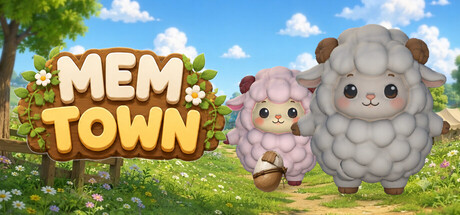 MemTown In-game content art | Some 3D models and textures in MemTown were created or converted with the assistance of generative AI during development. These assets are used for certain tools, capture capsules, resource objects, and production facilities in the territory. | Mememememem | - | Sep 30, 2026 | |
 俺たちのボトルフリップ : Flip or Fade In-game content text | AI is used solely to assist with development, such as for some localization and the creation of internal tools.
The game does not include any features that automatically generate content in real-time during gameplay. | Unagi Tech | - | Sep 29, 2026 | |
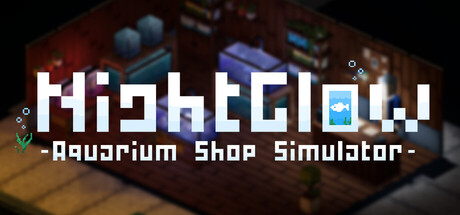 NightGlow : Aquarium Shop Simulator Dev only code | Generative AI was used as a development tool to assist with programming and debugging. | Square Toast | - | Sep 28, 2026 | |
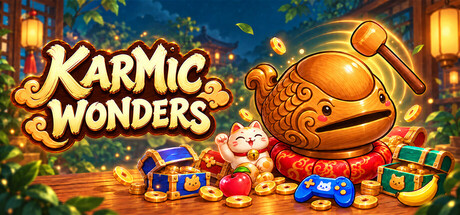 Karmic Wonders In-game content arttext | Generative AI was used during development to create or assist with some in-game artwork, promotional images, written content, and localization. The game does not use generative AI to generate content during gameplay. | WU QIU DONG | - | Sep 28, 2026 | |
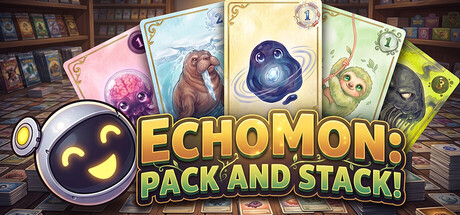 EchoMon: Pack & Stack! In-game content art | Ai used to create the Steam page art and all the cards art in the game. | Binary Lunar | - | Sep 28, 2026 | |
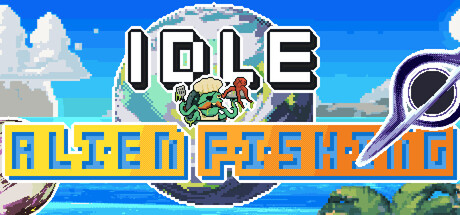 Idle Alien Fishing In-game content text | Generative AI tools were used to assist with localization during development. All in-game art assets were hand-drawn, manually edited, and refined by the creator. No generative AI is used while the game is running. | AndrewKndd | - | Sep 27, 2026 | |
 Time Well Spent: Tidy Up the Watch Shop In-game content audio | The voice lines in this game were generated using AI text-to-speech tools. We are a small team of two people, and professional voice acting was beyond the budget of this project. | guilemus | - | Sep 27, 2026 | |
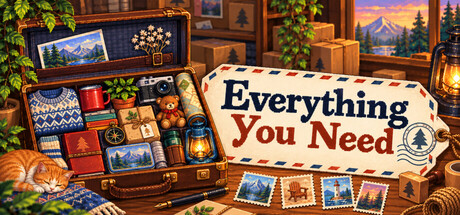 Everything You Need In-game content artaudio | I'm a solo developer, not an artist or musician. So I used AI to help create some of the artwork and music for this game. Everything else (code, game system, UI design, mission design, story planning, and overall creative direction) is entirely my own work. I also reused some hand-drawn pixel art from my previous game, created entirely without AI. If you prefer games made without generative AI, please check out my previous release. It's entirely human-made, with deeper mechanics and more systems to explore! | Raymond Williams | - | Sep 27, 2026 | |
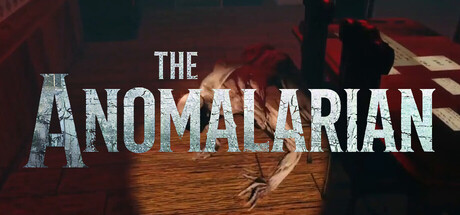 The Anomalarian In-game content art | The Art 2d art in the main menu was AI generated through chat gpt. | Sion Kruger | - | Sep 27, 2026 | |
 Toast Cat: Scratch & Win In-game content arttext | Generative AI was used to assist in creating some store promotional images with manual post-compositing. Generative AI was also used to produce part of the 2D assets within the game, and to assist with translation and localization for portions of the game text. All AI-assisted content has been reviewed, edited and refined by our development team. | ToastCat Games | - | Sep 27, 2026 | |
 Stackers In-game content text | AI-Assisted Language Translation | Maxbong | - | Sep 27, 2026 | |
 ももあわせ In-game content art | We use pre-generated AI imagery for some visual elements, like card textures, backgrounds, and store page graphics. The game does not generate any AI content in real-time.
However, the doodles you see on the desk are 100% hand-drawn by the developer's child! | あさちゃん Games | - | Sep 27, 2026 | |
 Seashell Hoarder Unclear | AI-assisted tools were used throughout development. | Zirve Games | - | Sep 25, 2026 | |
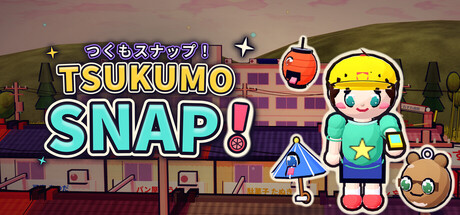 Tsukumo SNAP! In-game content artcode | This game contains content created with the assistance of AI tools. AI was used during development to assist with programming, visual assets, and other creative elements. All generated content was reviewed, edited, and integrated by the dev. | ISEKAI Games | - | Sep 25, 2026 | |
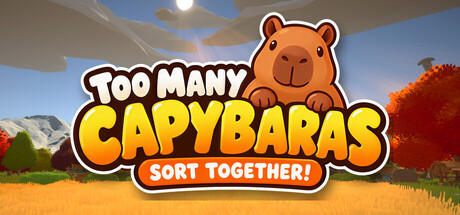 Too Many Capybaras: Sort Together In-game content art | This game was made by a two-person team: a developer and a designer/artist. AI tools were used only as an aid during development. An AI 3D generator provided rough starting shapes for the capybara figurines, which the team then remodeled, textured and set up in the game engine. level design, gameplay, art direction, UI and text was designed and made by the team. The game does not generate any AI content while you play. | Tidywreck | - | Sep 25, 2026 | |
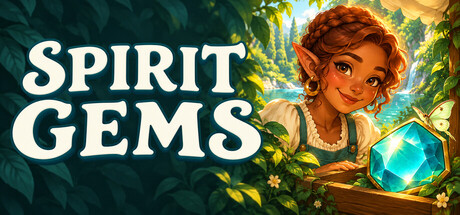 Spirit Gems In-game content art | Spirit Gems features artwork developed with generative AI. | Recoil Mojo | - | Sep 25, 2026 |


