








Disclosure
"Generative AI was used to create the game's cover art and the free scenario assets (such as character images). We plan to replace these art resources as soon as possible."
- Creator
- PUGO
- Reviews
- -
- Added
- Oct 6, 2026
Public Steam disclosure research 25,376 disclosures tracked
Search developers’ Steam disclosures, compare classified AI use across games, and follow recorded changes. This index adds cross-game classifications and statistics to statements published on individual store pages.
Code help, debugging and other development work.
Capsule art, trailers and promotional material.
Pre-made art, audio, writing and other game assets.
Interactive or runtime AI features disclosed by the developer.
Groups reflect automatic analysis of public disclosures; mature records are excluded. These counts do not measure AI use across all of Steam. Missing or unclear statements cannot establish whether a game uses AI.
"Generative AI was used to create the game's cover art and the free scenario assets (such as character images). We plan to replace these art resources as soon as possible."
localization
We use generative AI to assist in creating art images, adding more details to our work and speeding up the production process. AI-generated images are primarily used for backgrounds and certain CG details.
AI-generated images are used for some of the designs in this game.
AI assistance used for some visuals.
Pre-Generated AI Content: During development, generative AI tools were used to create certain 3D character assets. These assets were subsequently integrated and adapted by the development team for use in the game.
開発では生成 AI を使っています。生成 AI で作った素材を、開発チームが選んで調整し、ゲームに入れています。 対象は、カードとリーダーのイラスト、キャラクターボイス、BGM です。 ゲーム内の説明文の一部も生成 AI で下書きし、開発チームが確認して直しています。ゲームのルールとカードの効果は、開発チームが決めています。 対戦相手の AI の一部は、手を選ぶために外部の AI サービスを使っています。AI が選ぶのはルール上できる手の中からだけで、絵・文章・音声は作りません。
Generative AI was used as part of the process of creating some sprites and visual assets, which were then edited and adapted by the team to keep them consistent with the game's final art style.
AI helped with grammatical corrections for in-game text, which were then carefully reviewed and adjusted by hand. We only consider AI to be a supportive tool. Every detail is meticulously crafted with human intent, as our creative process is still firmly anchored in manual craftsmanship.
Some in-game visual assets were generated or modified with generative AI tools during development. The game also includes pre-recorded AI-generated combat voice lines. The developer selected and integrated these as fixed game assets before release.
Some scenery, creature and equipment sprites, as well as some quest texts, were created with the help of generative AI tools, then manually edited and reviewed before integration. Playable characters (Liberated Pixel Cup), music and main texts are human-created works. During play, some NPCs offer optional, private text conversations generated by external AI services through our game server. A short memory summary may be generated to help that NPC remember previous conversations with the same player. These conversations are separate from scripted quest dialogue and cannot grant quests, items or rewards. This feature has usage limits and carries no additional charge.
Generative AI tools were used during development to assist with some visual assets and portions of the game's code. AI-assisted artwork includes the title background, dungeon environments, monsters, adventurers, and trap visuals. All such content was created before release and integrated as fixed game assets. Hearthdeep does not generate AI content during gameplay and does not connect to external AI services while the game is running.
This product, its trailers, in-game artworks, and translations were all generated using AI.
Generative AI tools were used during development to help create and refine some 2D artwork, icons and promotional images, and to assist with store-page text and translation. These assets are prepared before release and reviewed by the developer. The game does not generate AI content during gameplay or connect to an external AI service. Player-designed weapons are created with the in-game drawing and crafting tools, not generative AI.
The store capsule artwork (and the app/shortcut icons cropped from it) was created with AI image generation tools. All in-game content — art, models, audio, writing — was not AI generated.
HOW THIS GAME WAS MADE Lane Siege is a one-person project built with an AI assistant, and it seems only fair to say exactly where that line falls. Written with AI: the game's code, the logo and store artwork, the in-game text, and the balance numbers. Every one of those was directed, reviewed and playtested by me, and the design decisions are mine. Made by people, not AI: every 3D model, sound effect and music track in the game is the work of named human artists, used under open licences and credited in full. And nothing is generated while you play. The opponent you fight is ordinary game AI - rules it follows and a small table of what has worked against players before. No AI model runs while the game is running, and Lane Siege never connects to an AI service.
We used an AI assistant (Claude) during development. No image-generating AI was used, and the game contains no AI-generated images, music, sound effects or voices. Nothing is generated by AI while you play. - 3D shapes: The puppet parts and board objects are built from simple geometric shapes by scripts that the AI assistant helped write. The developer reviewed and adjusted every result. - Text and translation: In-game text was drafted with the assistant, and the Japanese and English versions were translated with its help. The developer reviewed and edited all text. - Studio logo: Built from basic shapes as code written with the same assistant. All sound effects and music are recorded and made by the developer.
Some game assets were created using AI generative tools. AI-generated visual assets were subsequently painted over, edited, and composited manually by the developer in Photoshop/Photopea. AI was also used to assist with localized text translations.
Generative AI tools were used during development to assist with programming, proofreading, and improving the clarity of English-language text. All player-facing text was reviewed and finalized by the developer. Generative AI was not used to create the game’s artwork, music, sound effects, or voice acting. All artwork featured in the game and its store materials was created by human artists Iida Kiela and Paul Laane. The game design, rules, and card mechanics were also created by human designers. The game does not generate any content using AI during gameplay.
AI was used as a supporting tool during the development of this game. However, the original game idea and its underlying concept were created several years ago and were developed entirely independently of AI. The entire project is being created by a solo developer with a university degree in Game Design. Over the years, several hundred hours of work, experience, creativity, and personal passion have gone into the concept, development, and realization of the game. AI was used to assist with certain parts of the development process. This includes support with coding as well as some aspects of soundtrack and visual asset creation. Many of the visual assets were subsequently edited, refined, adapted, or partially recreated manually using image editing software to achieve the intended style and quality. AI was also used as a supporting tool for written content, primarily to make minor improvements to texts written by the developer and to correct grammar and wording. AI therefore serves as an additional tool within the development process. The original game concept, game design, creative decisions, final direction, and implementation of the game remain the work of the developer. Various sounds and some of the soundtracks used in the game were also created and composed by the developer.
Generative AI tools were used during the development of this game to help create some store artwork, user interface (UI) concepts, and cover designs. All AI-generated content was reviewed, edited, and finalized by humans. The game does not generate any AI content dynamically or in real time during gameplay.
※ AI was used as a supplementary tool for English translation, spell checking, and programming code writing in this game. Illustrations, pixel art, Live2D, music, and voice acting were created entirely by humans.
Some item icons and background models use assets generated with generative AI.
As a small indie team, we use generative AI to assist with coding and parts of our art workflow. All AI-assisted code is manually tested by our team before being included in the game. Our artists create the original concepts and visual direction, while AI is used as a supporting tool during the art process. All final artwork is manually refined and finished by our artists.
AI helped with grammatical corrections for in-game text, which were then carefully reviewed and adjusted by hand Some store visuals modified with AI assistance
The store page and the hero portraits in the game use AI-generated content.
AI was used for the translation of the game.
Generative AI was used to create the background artwork in the Steam store and library images, and the Drift Quest logo, which also appears in the game. AI tools were also used during development: AI coding assistants helped write the game's code, the store description was written with AI assistance, and the game and store texts were translated into 29 languages and reviewed with AI. AI also helped write some of the game's English text, such as quest, item and spell names. The in-game interface and icon art comes from licensed asset packs, and the music is licensed from Phat Phrog Studios. No content is generated by AI while you play.
We use generative AI tools during development to create some concept art and supporting images, as well as certain materials for the store page. All in-game content, including final assets, models, and text, is created and reviewed by hand.
AI was used to help create certain UI elements, capsules, meshes and audio files.
Generation of marketing materials and concept art was supported by generative AI.
AI tools assisted with some of the game's art and writing.
A small language model (Google's Gemma 3 270M) runs entirely on the player's computer, with no network connection. It writes short lines of villager small talk, the ritual oracle's one- or two-sentence hint after a failed ritual, and routine filler records in the in-game archive, and it chooses which of our pre-written dialogue lines fits the moment. Guardrails: the player never types to the model — there is no text input anywhere in the game. Every prompt is a fixed template we wrote, filled in from game state such as a character's name, the time of day and the current quest. Output is short by construction (hard token caps, and lines over a few words are cut or discarded); lines that read as narration, stage directions or an assistant speaking are rejected; dialogue choices are constrained to our own authored lines. Any failure falls back to written lines. Players can turn the model off in Settings, and the game plays identically on written lines alone.
Generative AI tools were used during development to assist in creating select background visuals, sound effects, music tracks, and promotional graphics.
Some of the game's artwork was created with the help of AI image tools, and was then chosen, edited and placed by the developer. AI tools were also used to help translate the game's text into French, German, Spanish, Portuguese and Chinese. Nothing is generated while you play.
Localization & Programming
Generative AI was used during development to create some promotional artwork, including Steam store capsule images and logo variations. Generative AI is not used during gameplay, and no AI-generated content is created in real time.
Generative AI was used to create the illustrations, as well as a small portion of the character artwork and dialogue. This content was created during development. The game does not generate AI content during gameplay.
Generative AI was used during development to create background music and sound effects, and to assist with store text and translations. These assets are prepared before release. The game does not generate content or connect to AI services during gameplay.
Generative AI tools were used during development to create artwork, icons, 3D assets, written content, and trailer narration. This content is reviewed, refined, and integrated under the developer’s creative direction. The game does not generate AI content during gameplay.
Generative AI Disclosure As a solo developer, I used generative AI tools to assist in two specific areas of development: Coding & Debugging: Used AI as a programming assistant for troubleshooting and debugging code, helping optimize performance and stability.
LUMENKEEP was built by a solo developer working with AI development tools. AI assisted in generating the game's code, procedural geometry, shaders, and audio during development, under direct human direction and review; there is no hand-drawn art, hand-animation, or human-recorded audio in the game. LUMENKEEP does not use AI to generate content live during gameplay, and does not connect to any third-party AI service while you play.
Crawlgan uses generative AI for pre-made content only. All artwork, music and sound effects in the game and on this store page were created with generative AI tools, then selected and edited by the developer. The game text and store page are translated into other languages with AI assistance. Nothing is generated by AI while you play.
The translations of this game into English, Spanish, Portuguese, Russian and Chinese were produced with the help of a large language model, working from the German original. The Spanish, Portuguese, Russian and Chinese versions are machine-made and are marked as beta inside the game. The text of this store page and the captions in the trailer were written the same way. No image, no sound and no music in this game is AI-generated. The symbols come from historical alchemical plates, the witches from the Wellcome Collection, the cauldron from the Smithsonian, the reeds from an 1885 plant atlas.
AI tools were used to help write the game's code and make some placeholder sprites and text. All placeholder art/text is being removed by me, and i'm getting help with the removal/cleanup of AI code.
Inteligência artificial usada para fins de aprimoramento de código e tarefas repetitivas.
During the production of the game, the art creation was assisted by AI.
Only the game capsule is generated by generative artificial intelligence.
Character, monster, and item artwork in this game was pre-generated using AI image generation tools (FLUX.1). No AI-generated content is created live during gameplay, and the game does not connect to any third-party AI service at runtime.
The in-game text translations (26 languages), as well as this store page's texts and their translations, were prepared with the help of generative AI tools. No AI-generated content is produced while you play.
| Title⇅ | Disclosure | Creator⇅ | Src | Reviews⇅ | Added↓ |
|---|---|---|---|---|---|
 TTRPG In-game content art | "Generative AI was used to create the game's cover art and the free scenario assets (such as character images). We plan to replace these art resources as soon as possible." | PUGO | - | Oct 6, 2026 | |
 Dice Knight In-game content text | localization | Summit Games Interactive | - | Oct 6, 2026 | |
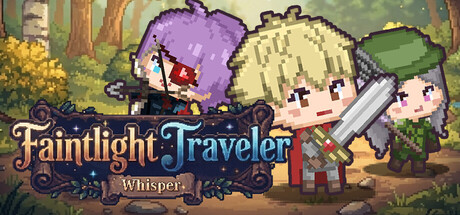 Faintlight Traveler : Whisper In-game content art | We use generative AI to assist in creating art images, adding more details to our work and speeding up the production process. AI-generated images are primarily used for backgrounds and certain CG details. | FOXZ | - | Oct 6, 2026 | |
 ドタバタVRランド In-game content art | AI-generated images are used for some of the designs in this game. | Yoshida Gakuen | - | Oct 5, 2026 | |
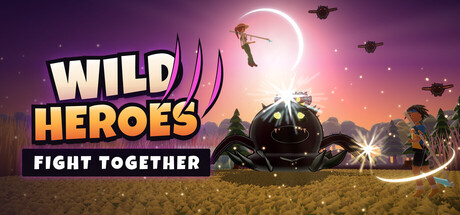 Wild Heroes: Fight Together Unclear art | AI assistance used for some visuals. | Smobu | - | Oct 4, 2026 | |
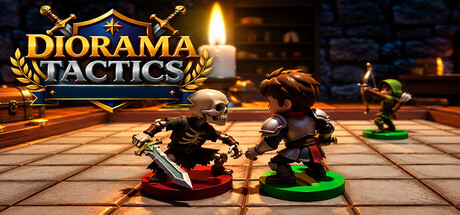 Diorama Tactics In-game content art | Pre-Generated AI Content:
During development, generative AI tools were used to create certain 3D character assets. These assets were subsequently integrated and adapted by the development team for use in the game. | JuMi Interactive | - | Oct 4, 2026 | |
 Restore the Luminous In-game content artaudiotext | 開発では生成 AI を使っています。生成 AI で作った素材を、開発チームが選んで調整し、ゲームに入れています。
対象は、カードとリーダーのイラスト、キャラクターボイス、BGM です。
ゲーム内の説明文の一部も生成 AI で下書きし、開発チームが確認して直しています。ゲームのルールとカードの効果は、開発チームが決めています。
対戦相手の AI の一部は、手を選ぶために外部の AI サービスを使っています。AI が選ぶのはルール上できる手の中からだけで、絵・文章・音声は作りません。 | EpicQuest LLC | - | Oct 4, 2026 | |
 Slimebound In-game content art | Generative AI was used as part of the process of creating some sprites and visual assets, which were then edited and adapted by the team to keep them consistent with the game's final art style. | Frostrune Studios | - | Oct 4, 2026 | |
 Bulb Keeper: Tidy up the Night In-game content text | AI helped with grammatical corrections for in-game text, which were then carefully reviewed and adjusted by hand.
We only consider AI to be a supportive tool. Every detail is meticulously crafted with human intent, as our creative process is still firmly anchored in manual craftsmanship. | YUKU Game | - | Oct 4, 2026 | |
 搶孤 In-game content artaudio | Some in-game visual assets were generated or modified with generative AI tools during development. The game also includes pre-recorded AI-generated combat voice lines. The developer selected and integrated these as fixed game assets before release. | LILIWEI | - | Oct 4, 2026 | |
 Valenya Online Live AI arttext | Some scenery, creature and equipment sprites, as well as some quest texts, were created with the help of generative AI tools, then manually edited and reviewed before integration. Playable characters (Liberated Pixel Cup), music and main texts are human-created works.
During play, some NPCs offer optional, private text conversations generated by external AI services through our game server. A short memory summary may be generated to help that NPC remember previous conversations with the same player. These conversations are separate from scripted quest dialogue and cannot grant quests, items or rewards. This feature has usage limits and carries no additional charge. | Aurélien Souville | - | Oct 4, 2026 | |
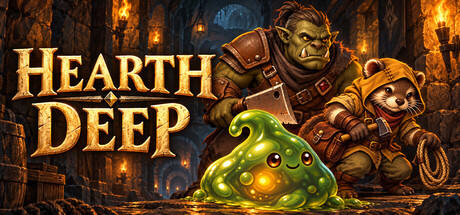 Hearthdeep In-game content artcode | Generative AI tools were used during development to assist with some visual assets and portions of the game's code. AI-assisted artwork includes the title background, dungeon environments, monsters, adventurers, and trap visuals. All such content was created before release and integrated as fixed game assets. Hearthdeep does not generate AI content during gameplay and does not connect to external AI services while the game is running. | Surume Games Studio | - | Oct 4, 2026 | |
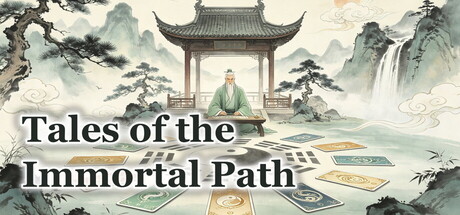 Tales of the Immortal Path In-game content arttext | This product, its trailers, in-game artworks, and translations were all generated using AI. | Lumina Studio | - | Oct 4, 2026 | |
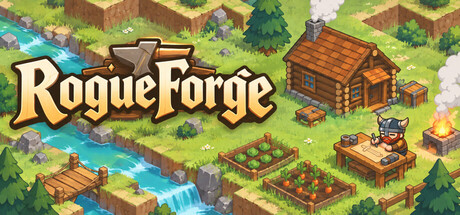 RogueForge In-game content arttext | Generative AI tools were used during development to help create and refine some 2D artwork, icons and promotional images, and to assist with store-page text and translation. These assets are prepared before release and reviewed by the developer. The game does not generate AI content during gameplay or connect to an external AI service. Player-designed weapons are created with the in-game drawing and crafting tools, not generative AI. | SOOFT Studio | - | Oct 4, 2026 | |
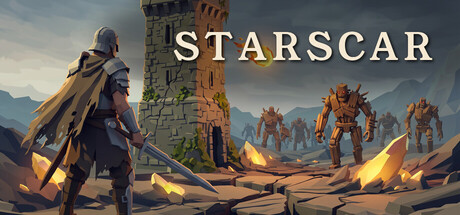 Starscar In-game content art | The store capsule artwork (and the app/shortcut icons cropped from it) was created with AI image generation tools. All in-game content — art, models, audio, writing — was not AI generated. | Mars Rover Games | - | Oct 4, 2026 | |
 Lane Siege In-game content arttextcode | HOW THIS GAME WAS MADE
Lane Siege is a one-person project built with an AI assistant, and it seems only fair to say exactly where that line falls.
Written with AI: the game's code, the logo and store artwork, the in-game text, and the balance numbers. Every one of those was directed, reviewed and playtested by me, and the design decisions are mine.
Made by people, not AI: every 3D model, sound effect and music track in the game is the work of named human artists, used under open licences and credited in full.
And nothing is generated while you play. The opponent you fight is ordinary game AI - rules it follows and a small table of what has worked against players before. No AI model runs while the game is running, and Lane Siege never connects to an AI service. | TitaniumJoeTi.TTV | - | Oct 4, 2026 | |
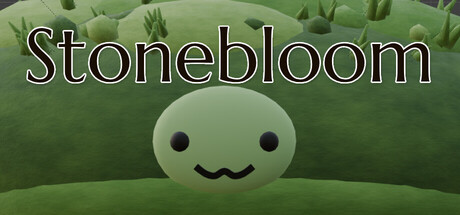 Stonebloom In-game content arttext | We used an AI assistant (Claude) during development. No image-generating AI was used, and the game contains no AI-generated images, music, sound effects or voices. Nothing is generated by AI while you play.
- 3D shapes: The puppet parts and board objects are built from simple geometric shapes by scripts that the AI assistant helped write. The developer reviewed and adjusted every result.
- Text and translation: In-game text was drafted with the assistant, and the Japanese and English versions were translated with its help. The developer reviewed and edited all text.
- Studio logo: Built from basic shapes as code written with the same assistant.
All sound effects and music are recorded and made by the developer. | CoffeeK Studio | - | Oct 4, 2026 | |
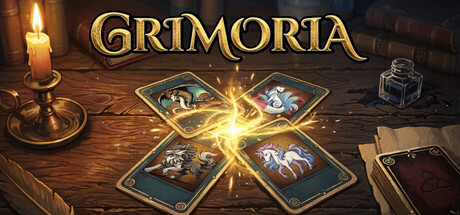 Grimoria - Online Card Game In-game content arttext | Some game assets were created using AI generative tools. AI-generated visual assets were subsequently painted over, edited, and composited manually by the developer in Photoshop/Photopea. AI was also used to assist with localized text translations. | EmberVeil Games | - | Oct 4, 2026 | |
 Biblioclash Dev only textcode | Generative AI tools were used during development to assist with programming, proofreading, and improving the clarity of English-language text. All player-facing text was reviewed and finalized by the developer.
Generative AI was not used to create the game’s artwork, music, sound effects, or voice acting. All artwork featured in the game and its store materials was created by human artists Iida Kiela and Paul Laane. The game design, rules, and card mechanics were also created by human designers. The game does not generate any content using AI during gameplay. | Juho Peuraniemi | - | Oct 4, 2026 | |
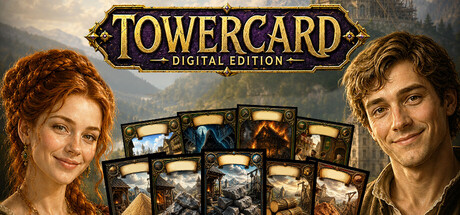 TowerCard: Digital Edition In-game content artaudiotext | AI was used as a supporting tool during the development of this game. However, the original game idea and its underlying concept were created several years ago and were developed entirely independently of AI.
The entire project is being created by a solo developer with a university degree in Game Design. Over the years, several hundred hours of work, experience, creativity, and personal passion have gone into the concept, development, and realization of the game.
AI was used to assist with certain parts of the development process. This includes support with coding as well as some aspects of soundtrack and visual asset creation. Many of the visual assets were subsequently edited, refined, adapted, or partially recreated manually using image editing software to achieve the intended style and quality.
AI was also used as a supporting tool for written content, primarily to make minor improvements to texts written by the developer and to correct grammar and wording.
AI therefore serves as an additional tool within the development process. The original game concept, game design, creative decisions, final direction, and implementation of the game remain the work of the developer. Various sounds and some of the soundtracks used in the game were also created and composed by the developer. | Can Simsek | - | Oct 4, 2026 | |
 M.A.S.K. Store/marketing art | Generative AI tools were used during the development of this game to help create some store artwork, user interface (UI) concepts, and cover designs. All AI-generated content was reviewed, edited, and finalized by humans. The game does not generate any AI content dynamically or in real time during gameplay. | FUNFORCAN GAMES | - | Oct 4, 2026 | |
 Abyssal Moonlight-Chapter1 In-game content textcode | ※ AI was used as a supplementary tool for English translation, spell checking, and programming code writing in this game. Illustrations, pixel art, Live2D, music, and voice acting were created entirely by humans. | Garurai | - | Oct 4, 2026 | |
 Nonet Concerto R In-game content art | Some item icons and background models use assets generated with generative AI. | PhotonSystem | - | Oct 4, 2026 | |
 Purrrfect Immortal In-game content artcode | As a small indie team, we use generative AI to assist with coding and parts of our art workflow. All AI-assisted code is manually tested by our team before being included in the game. Our artists create the original concepts and visual direction, while AI is used as a supporting tool during the art process. All final artwork is manually refined and finished by our artists. | Red Mad Cat Games | - | Oct 4, 2026 | |
 Dice Sort Together: Arcane Hall In-game content text | AI helped with grammatical corrections for in-game text, which were then carefully reviewed and adjusted by hand
Some store visuals modified with AI assistance | Smobu | - | Oct 4, 2026 | |
 守城录:六阵 — 三国卡牌构筑塔防 In-game content art | The store page and the hero portraits in the game use AI-generated content. | Meowridian Studio | - | Oct 4, 2026 | |
 Gridbound In-game content text | AI was used for the translation of the game. | RheaGameProductions | - | Oct 4, 2026 | |
 Drift Quest In-game content arttext | Generative AI was used to create the background artwork in the Steam store and library images, and the Drift Quest logo, which also appears in the game. AI tools were also used during development: AI coding assistants helped write the game's code, the store description was written with AI assistance, and the game and store texts were translated into 29 languages and reviewed with AI. AI also helped write some of the game's English text, such as quest, item and spell names. The in-game interface and icon art comes from licensed asset packs, and the music is licensed from Phat Phrog Studios. No content is generated by AI while you play. | NecoPlanet | - | Oct 4, 2026 | |
 Windfall In-game content art | We use generative AI tools during development to create some concept art and supporting images, as well as certain materials for the store page. All in-game content, including final assets, models, and text, is created and reviewed by hand. | Nasty's Dev | - | Oct 4, 2026 | |
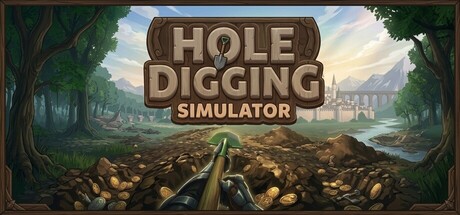 Hole Digging Simulator In-game content artaudio | AI was used to help create certain UI elements, capsules, meshes and audio files. | Knights of the Round Hole | - | Oct 3, 2026 | |
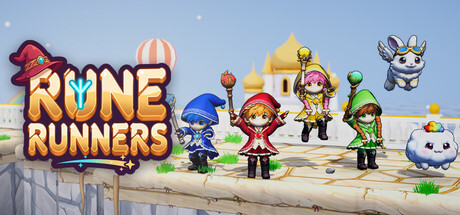 Rune Runners Store/marketing art | Generation of marketing materials and concept art was supported by generative AI. | Pierogi Games | - | Oct 3, 2026 | |
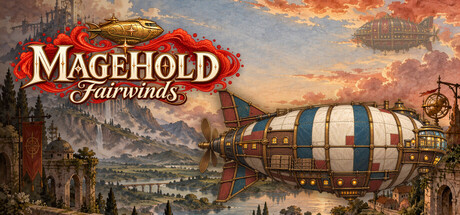 Magehold Fairwinds In-game content arttext | AI tools assisted with some of the game's art and writing. | Pixel Play Studio | - | Oct 3, 2026 | |
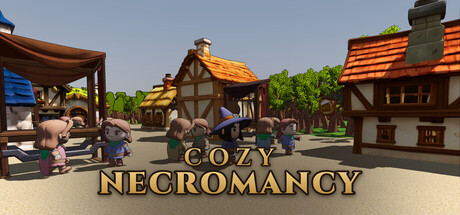 Cozy Necromancy Live AI text | A small language model (Google's Gemma 3 270M) runs entirely on the player's computer, with no network connection. It writes short lines of villager small talk, the ritual oracle's one- or two-sentence hint after a failed ritual, and routine filler records in the in-game archive, and it chooses which of our pre-written dialogue lines fits the moment.
Guardrails: the player never types to the model — there is no text input anywhere in the game. Every prompt is a fixed template we wrote, filled in from game state such as a character's name, the time of day and the current quest. Output is short by construction (hard token caps, and lines over a few words are cut or discarded); lines that read as narration, stage directions or an assistant speaking are rejected; dialogue choices are constrained to our own authored lines. Any failure falls back to written lines. Players can turn the model off in Settings, and the game plays identically on written lines alone. | Hexmonger | - | Oct 3, 2026 | |
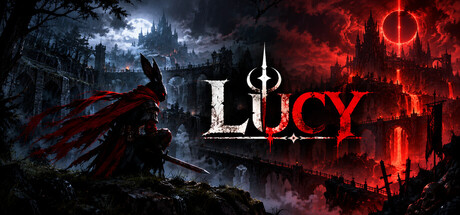 Lucy In-game content artaudio | Generative AI tools were used during development to assist in creating select background visuals, sound effects, music tracks, and promotional graphics. | Cerki Games | - | Oct 3, 2026 | |
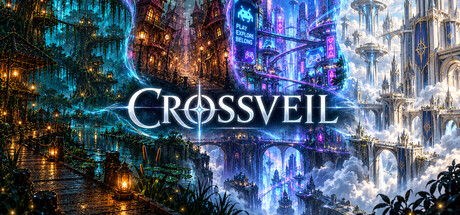 CrossVeil In-game content arttext | Some of the game's artwork was created with the help of AI image tools, and was then chosen, edited and placed by the developer. AI tools were also used to help translate the game's text into French, German, Spanish, Portuguese and Chinese. Nothing is generated while you play. | Paulie Productions | - | Oct 3, 2026 | |
 Feed The Pond Unclear codetext | Localization & Programming | eranboi | - | Oct 3, 2026 | |
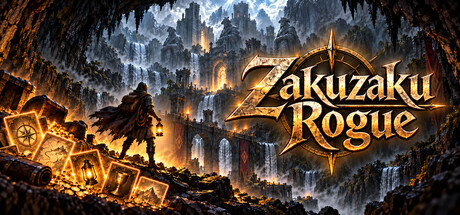 Zakuzaku Rogue Store/marketing art | Generative AI was used during development to create some promotional artwork, including Steam store capsule images and logo variations. Generative AI is not used during gameplay, and no AI-generated content is created in real time. | nekosuko | - | Oct 3, 2026 | |
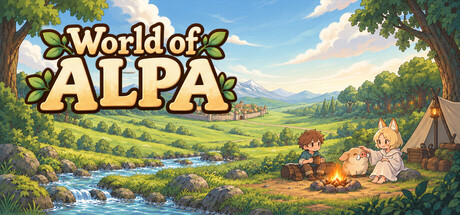 World of ALPA In-game content arttext | Generative AI was used to create the illustrations, as well as a small portion of the character artwork and dialogue. This content was created during development. The game does not generate AI content during gameplay. | Nater Studio | - | Oct 3, 2026 | |
 ROTORORA Drone Racing In-game content audiotext | Generative AI was used during development to create background music and sound effects, and to assist with store text and translations. These assets are prepared before release. The game does not generate content or connect to AI services during gameplay. | JinCycle | - | Oct 3, 2026 | |
 Build Christmas In-game content arttextaudio | Generative AI tools were used during development to create artwork, icons, 3D assets, written content, and trailer narration. This content is reviewed, refined, and integrated under the developer’s creative direction. The game does not generate AI content during gameplay. | Cozy Gridworks | - | Oct 3, 2026 | |
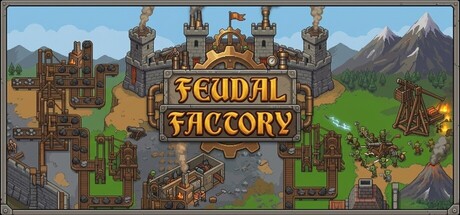 Feudal Factory Dev only code | Generative AI Disclosure
As a solo developer, I used generative AI tools to assist in two specific areas of development:
Coding & Debugging: Used AI as a programming assistant for troubleshooting and debugging code, helping optimize performance and stability. | Aethel Studio | - | Oct 3, 2026 | |
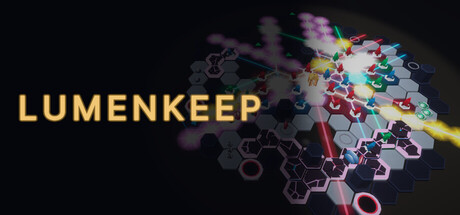 LUMENKEEP In-game content artaudiocode | LUMENKEEP was built by a solo developer working with AI development tools. AI assisted in generating the game's code, procedural geometry, shaders, and audio during development, under direct human direction and review; there is no hand-drawn art, hand-animation, or human-recorded audio in the game. LUMENKEEP does not use AI to generate content live during gameplay, and does not connect to any third-party AI service while you play. | Milivoje Simonovic | - | Oct 3, 2026 | |
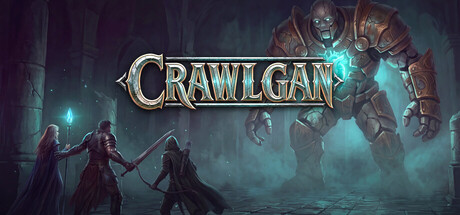 Crawlgan In-game content artaudiotext | Crawlgan uses generative AI for pre-made content only. All artwork, music and sound effects in the game and on this store page were created with generative AI tools, then selected and edited by the developer. The game text and store page are translated into other languages with AI assistance. Nothing is generated by AI while you play. | Haz Studio | - | Oct 3, 2026 | |
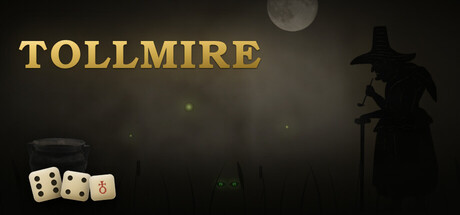 Tollmire In-game content text | The translations of this game into English, Spanish, Portuguese, Russian and Chinese were produced with the help of a large language model, working from the German original. The Spanish, Portuguese, Russian and Chinese versions are machine-made and are marked as beta inside the game. The text of this store page and the captions in the trailer were written the same way.
No image, no sound and no music in this game is AI-generated. The symbols come from historical alchemical plates, the witches from the Wellcome Collection, the cauldron from the Smithsonian, the reeds from an 1885 plant atlas. | Smartstift | - | Oct 3, 2026 | |
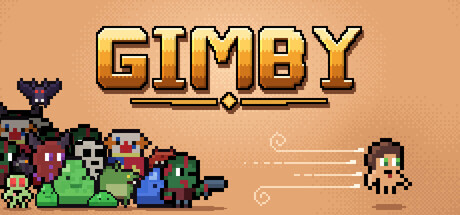 Gimby In-game content codearttext | AI tools were used to help write the game's code and make some placeholder sprites and text. All placeholder art/text is being removed by me, and i'm getting help with the removal/cleanup of AI code. | Gimby Studios | - | Oct 3, 2026 | |
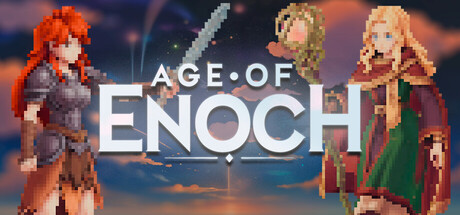 Age Of Enoch Dev only code | Inteligência artificial usada para fins de aprimoramento de código e tarefas repetitivas. | drezitu | - | Oct 3, 2026 | |
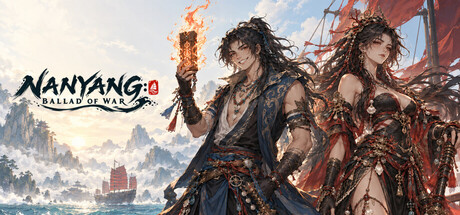 破阵子·南洋 In-game content art | During the production of the game, the art creation was assisted by AI. | 瓦舍游戏 | - | Oct 3, 2026 | |
 Paper Volleyball Store/marketing art | Only the game capsule is generated by generative artificial intelligence. | Free Gift Studio | - | Oct 3, 2026 | |
 FGD - Forever Grind Dungeon In-game content art | Character, monster, and item artwork in this game was pre-generated using AI image generation tools (FLUX.1). No AI-generated content is created live during gameplay, and the game does not connect to any third-party AI service at runtime. | Tresette | - | Oct 3, 2026 | |
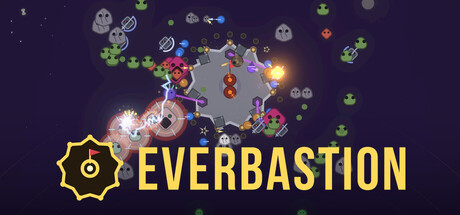 EverBastion In-game content text | The in-game text translations (26 languages), as well as this store page's texts and their translations, were prepared with the help of generative AI tools. No AI-generated content is produced while you play. | Osiris Atlas | - | Oct 3, 2026 |


