Public Steam disclosure research25,376 disclosures tracked
Where do games disclose AI use?
Search developers’ Steam disclosures, compare classified AI use across
games, and follow recorded changes.
This index adds cross-game classifications and statistics to
statements published on individual store pages.
Groups reflect automatic analysis of public disclosures; mature records are excluded. These counts do not measure AI use across all of Steam.
Missing or unclear statements cannot establish whether a game uses AI.
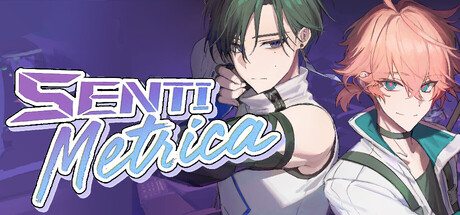
Generative AI tools were used only as an editing and proofreading aid for selected portions of the final game text. The original scenario, characters, direction, and final text review were created and handled by the developer.
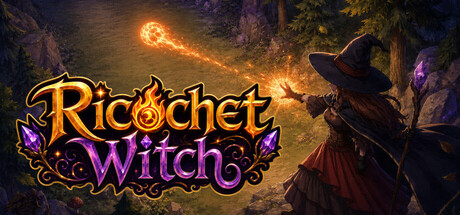
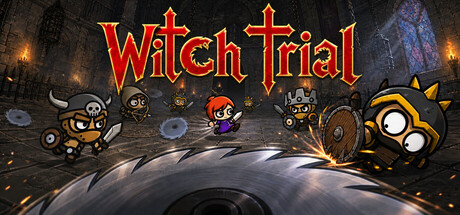
Ricochet Witch includes content created with the assistance of generative AI tools. Every AI-assisted element was directed, selected and edited by the developer, and all of it was reviewed before release.
- 2D artwork (title illustration, game logo, clear end card, scoreboard background, and the application icon, which is a crop of the title illustration): generated with Google Gemini and OpenAI ChatGPT, then selected and edited by the developer.
- Achievement icons: base images generated with OpenAI ChatGPT; the grayscale (locked) versions were made by the developer in Photoshop.
- The player character 3D model: generated with Meshy AI, then adjusted and integrated into the game by the developer.
- English localization text: translated with the assistance of a generative AI tool (Anthropic Claude), then reviewed and adjusted by the developer.
- Store page description text (Simplified Chinese, Korean, Traditional Chinese, Brazilian Portuguese, German and Spanish): translated with the assistance of generative AI tools (OpenAI ChatGPT and Anthropic Claude), then reviewed and adjusted by the developer.
- Store page images: these use the AI-assisted artwork described above.
No content is generated by AI while the game is running.
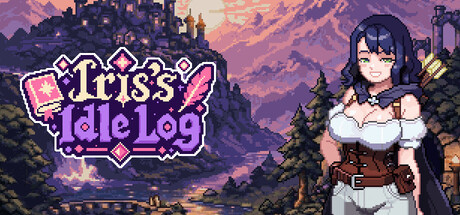
Generative AI tools were used to create visual concepts and initial drafts for most of the game's artwork. These drafts were used as references and starting points for the final pixel art assets, which were manually created, reviewed, edited, and refined by the developer before being included in the game or its marketing materials.
Generative AI tools were also used to assist with localization and the creation of some in-game names and text. All AI-assisted text was manually reviewed and edited by the developer before being included in the game.
The game does not use generative AI to create content during gameplay.
During development, generative AI was used to create or edit selected 2D character and environment art, UI elements and icons, VFX and animation assets, English and Simplified Chinese character voices, and store marketing artwork. It was also used in the production of the opening cinematic and its audio. All generated content was reviewed and edited, composited, or post-processed by the development team as appropriate. The game does not use generative AI at runtime and does not generate content in response to player input.
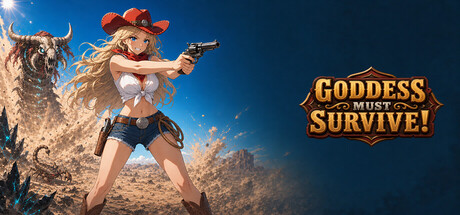
AI was used to generate some temporary artwork for the store page and in-game placeholder character sprites, as well as to assist with translation during localization. Temporary AI-generated assets will be replaced with final artwork during development. All content is reviewed by the development team.
During development, OpenAI image generation tools were used to create portions of the game's 2D artwork, including characters, monsters, backgrounds, UI elements, and icons. Suno was used to create portions of the background music, and ElevenLabs was used to create portions of the sound effects. Generative AI was also used as a drafting and editing aid for some in-game writing and localization.
All generated material was selected, edited, processed, and reviewed by the developer before inclusion in the game. The game does not connect to generative AI services at runtime and does not generate content from player input.
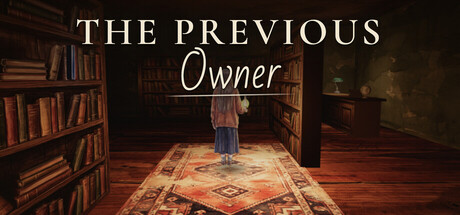
The Previous Owner uses generative AI as an assistive tool under human art direction and editorial control. The game's painted artwork — scene plates, room and prop textures, character and portrait art, the found photographs, the book spreads and the store art — was pre-generated with generative image tools, then curated, keyed, composited and hand-corrected by the developer; a small number of props are AI-generated 3D meshes, and some looping scene animations are AI-generated video. Music and sound effects are pre-generated with AI tools and edited by the developer. The narrative text is human–AI co-written under the author's direction and human-edited; the story, its structure and the game design are the author's. Everything ships pre-rendered in the build — the game generates nothing live during play. No real people are depicted; every character, book, photograph and document in the game is fictional.
Generative AI was used in the development of this game. 2D artwork (characters, familiars, cards, backgrounds, etc.) was created with image-generation AI, then curated, edited, and retouched by the developer. AI-assisted tools were also used during development (e.g., programming). No AI content is generated at runtime. BOT opponents are rule-based programs, not generative AI.
Generative AI tools were used during development to assist with pre-generated content only.
AI-assisted content includes one promotional artwork asset used in the Steam store capsule and library assets, AI-generated imagery used in the game's story description, some in-game sound assets, localization and translation, and portions of certain 3D models.
All AI-assisted outputs were reviewed, selected, edited where necessary, and integrated by the developer before being included in the game or on the Steam store page.
The game does not generate content using AI while it is running, does not connect players to any generative AI service, and does not send player input to an AI service.
Generative AI tools were used during development to assist with some pre-generated visual assets and with drafting, editing, and localization of text. All AI-assisted content was reviewed, edited, curated, and integrated by the developer before inclusion in the game. No content is generated by AI during gameplay.
AI was used for localization, while being manually reviewed, and as a time-saving step in the development of some image and model assets, for retopology, concepting, and inbetweening.
The game contains no unmodified AI outputs.
Generative AI was used during the development of this game to assist with portions of the artwork, programming, and translation. All generated content was reviewed and edited by the developer as necessary.
This game contains artwork and narrative content created with
the assistance of generative AI. All AI-generated materials
have been carefully reviewed, selected, and edited by the
development team to ensure quality and consistency with the
game's vision.
We believe AI tools can support and accelerate the creative
process when used responsibly, and we remain committed to
maintaining creative oversight and storytelling integrity
throughout development.
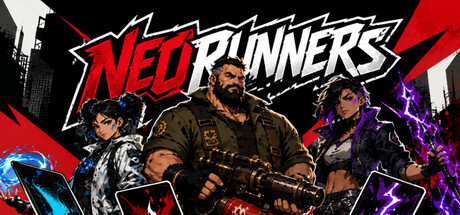
NeoRunners uses generative AI tools as part of its development process. AI-assisted content includes portions of the game's visual artwork and UI assets, promotional/store artwork, and character voice audio. These assets are generated and/or iterated on during development and are reviewed, selected, edited, and integrated by the development team before being included in the game. The game does not generate this content dynamically during gameplay.
Rockinforged is a studio that develops games with an AI-assisted production pipeline. Generative AI tools are used across development — including 2D art, cinematic and video footage, sound, localization, store page text, and marketing materials — always under the developer's direct authorship, curation, and review. The game does not generate any content with AI at runtime.
Generative AI was used to assist in the creation of character illustrations, selected artwork, store page assets, and localization. All AI-assisted content has been reviewed, edited, and integrated by the developer. The game does not use generative AI to create content during gameplay.
Of course, we used artificial intelligence to create some of the illustrations and interface elements, translate texts into various languages, and make the programmers’ work easier. Without AI, it would have been impossible to bring our project to life with the quality we envisioned and within a realistic timeframe. We’d like to thank the developers and companies behind artificial intelligence for the incredible tools that helped us realize our dream and create this game.
Generative AI Disclosure:
This game utilizes generative AI tools to assist in creating player-facing assets, including base visual artwork, narrative script drafts, and voiceover audio (via ElevenLabs).
All AI-assisted dialogue, visuals, and audio undergo significant manual editing, human curation, and design to ensure high production quality and artistic cohesion before shipping with the game. No live or dynamic generative AI is executed while the game is running.
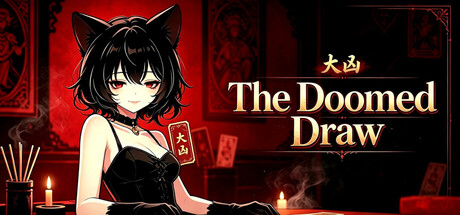
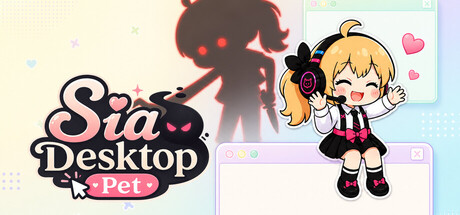
Sia's art and sound - her sprites, the outfits, the tarot cards, the item and monster icons, the sound effects - were produced with the help of generative AI tools and then edited and assembled by hand. The store images were made the same way. The game's text was written in Korean by hand; the seven other language translations were AI-assisted and reviewed by a human.
Nothing is generated while you play. The game ships as fixed image, sound and text files and never contacts an AI service.
This game uses generative artificial intelligence (AI) tools to assist in the creation of certain visual assets, promotional store materials, and workflow scripts during development.
Some visual assets used in the game were edited with the assistance of AI-based tools and subsequently refined and integrated into the project by the developer.
This game uses generative AI in the creation of some graphics, text, and English localization. All AI-generated content has been reviewed and edited by the developer before being used.
No generative AI content is created during gameplay.
Generative AI Usage
- Reference for some backgrounds and CG compositions
- Editing and proofreading of some text
- Assistance with English and Japanese localization
All final content was created, reviewed, and/or revised by the developer.
Generative AI was used as a base/concept for creating store page capsule graphics, which were subsequently hand-edited and post-processed in image editing software. No AI content is present in the game itself.
AI is used only to generate elements for the trailer and promotional media. AI is not used in any part of the game itself, including gameplay, mechanics, or runtime systems.
Character portraits are entirely hand-drawn by artists. Background assets are created using AI as preliminary sketches, then comprehensively revised and manually reworked to achieve consistent art style.
This game features background music generated with AI, used under a commercial license. Some of the supported-language translations were produced with AI assistance. All visual art and game code are hand-authored.
Generative AI tools were used only as a development assistant to help prototype and refine accessibility-related code and interface behavior. The game does not include AI-generated narrative, artwork, audio, characters, translations, or live-generated AI content.
This game uses generative AI for the following content. All of it was generated during development and shipped with the game; no content is generated at runtime.
- Music and sound effects (2 theme songs, in-game BGM, SFX): Suno
- Graphics (character art, backgrounds, event CGs, store page images): OpenAI
- Extra scenarios, concept and writing: OpenAI, Claude Code
- English text (translation of the main story and extras): Claude Code, OpenAI
- Game implementation (engine, game code): Claude Code
All art, music and story are 100% human created. All voice acting has a live voice actor recording/performance for every line of dialogue, voice changers were used on certain characters to pitch the sound higher or lower to better suit those specific characters. Some artist-created hand-painted assets were positioned into specific starting poses and ending poses, with in-between frames generated (affecting less-than 1% of the game animations, majority (99%) are animated by hand using 2D-bone-rigging and frame-by-frame animation), some generated in-between frames were then hand-painted over before being included in the game.
Generative AI tools were used only as an editing and proofreading aid for selected portions of the final game text. The original scenario, characters, direction, and final text review were created and handled by the developer.
Ricochet Witch includes content created with the assistance of generative AI tools. Every AI-assisted element was directed, selected and edited by the developer, and all of it was reviewed before release.
- 2D artwork (title illustration, game logo, clear end card, scoreboard background, and the application icon, which is a crop of the title illustration): generated with Google Gemini and OpenAI ChatGPT, then selected and edited by the developer.
- Achievement icons: base images generated with OpenAI ChatGPT; the grayscale (locked) versions were made by the developer in Photoshop.
- The player character 3D model: generated with Meshy AI, then adjusted and integrated into the game by the developer.
- English localization text: translated with the assistance of a generative AI tool (Anthropic Claude), then reviewed and adjusted by the developer.
- Store page description text (Simplified Chinese, Korean, Traditional Chinese, Brazilian Portuguese, German and Spanish): translated with the assistance of generative AI tools (OpenAI ChatGPT and Anthropic Claude), then reviewed and adjusted by the developer.
- Store page images: these use the AI-assisted artwork described above.
No content is generated by AI while the game is running.
Generative AI tools were used to create visual concepts and initial drafts for most of the game's artwork. These drafts were used as references and starting points for the final pixel art assets, which were manually created, reviewed, edited, and refined by the developer before being included in the game or its marketing materials.
Generative AI tools were also used to assist with localization and the creation of some in-game names and text. All AI-assisted text was manually reviewed and edited by the developer before being included in the game.
The game does not use generative AI to create content during gameplay.
During development, generative AI was used to create or edit selected 2D character and environment art, UI elements and icons, VFX and animation assets, English and Simplified Chinese character voices, and store marketing artwork. It was also used in the production of the opening cinematic and its audio. All generated content was reviewed and edited, composited, or post-processed by the development team as appropriate. The game does not use generative AI at runtime and does not generate content in response to player input.
AI was used to generate some temporary artwork for the store page and in-game placeholder character sprites, as well as to assist with translation during localization. Temporary AI-generated assets will be replaced with final artwork during development. All content is reviewed by the development team.
During development, OpenAI image generation tools were used to create portions of the game's 2D artwork, including characters, monsters, backgrounds, UI elements, and icons. Suno was used to create portions of the background music, and ElevenLabs was used to create portions of the sound effects. Generative AI was also used as a drafting and editing aid for some in-game writing and localization.
All generated material was selected, edited, processed, and reviewed by the developer before inclusion in the game. The game does not connect to generative AI services at runtime and does not generate content from player input.
The Previous Owner uses generative AI as an assistive tool under human art direction and editorial control. The game's painted artwork — scene plates, room and prop textures, character and portrait art, the found photographs, the book spreads and the store art — was pre-generated with generative image tools, then curated, keyed, composited and hand-corrected by the developer; a small number of props are AI-generated 3D meshes, and some looping scene animations are AI-generated video. Music and sound effects are pre-generated with AI tools and edited by the developer. The narrative text is human–AI co-written under the author's direction and human-edited; the story, its structure and the game design are the author's. Everything ships pre-rendered in the build — the game generates nothing live during play. No real people are depicted; every character, book, photograph and document in the game is fictional.
Generative AI was used in the development of this game. 2D artwork (characters, familiars, cards, backgrounds, etc.) was created with image-generation AI, then curated, edited, and retouched by the developer. AI-assisted tools were also used during development (e.g., programming). No AI content is generated at runtime. BOT opponents are rule-based programs, not generative AI.
Generative AI tools were used during development to assist with pre-generated content only.
AI-assisted content includes one promotional artwork asset used in the Steam store capsule and library assets, AI-generated imagery used in the game's story description, some in-game sound assets, localization and translation, and portions of certain 3D models.
All AI-assisted outputs were reviewed, selected, edited where necessary, and integrated by the developer before being included in the game or on the Steam store page.
The game does not generate content using AI while it is running, does not connect players to any generative AI service, and does not send player input to an AI service.
Generative AI tools were used during development to assist with some pre-generated visual assets and with drafting, editing, and localization of text. All AI-assisted content was reviewed, edited, curated, and integrated by the developer before inclusion in the game. No content is generated by AI during gameplay.
AI was used for localization, while being manually reviewed, and as a time-saving step in the development of some image and model assets, for retopology, concepting, and inbetweening.
The game contains no unmodified AI outputs.
Generative AI was used during the development of this game to assist with portions of the artwork, programming, and translation. All generated content was reviewed and edited by the developer as necessary.
This game contains artwork and narrative content created with
the assistance of generative AI. All AI-generated materials
have been carefully reviewed, selected, and edited by the
development team to ensure quality and consistency with the
game's vision.
We believe AI tools can support and accelerate the creative
process when used responsibly, and we remain committed to
maintaining creative oversight and storytelling integrity
throughout development.
NeoRunners uses generative AI tools as part of its development process. AI-assisted content includes portions of the game's visual artwork and UI assets, promotional/store artwork, and character voice audio. These assets are generated and/or iterated on during development and are reviewed, selected, edited, and integrated by the development team before being included in the game. The game does not generate this content dynamically during gameplay.
Rockinforged is a studio that develops games with an AI-assisted production pipeline. Generative AI tools are used across development — including 2D art, cinematic and video footage, sound, localization, store page text, and marketing materials — always under the developer's direct authorship, curation, and review. The game does not generate any content with AI at runtime.
Generative AI was used to assist in the creation of character illustrations, selected artwork, store page assets, and localization. All AI-assisted content has been reviewed, edited, and integrated by the developer. The game does not use generative AI to create content during gameplay.
Of course, we used artificial intelligence to create some of the illustrations and interface elements, translate texts into various languages, and make the programmers’ work easier. Without AI, it would have been impossible to bring our project to life with the quality we envisioned and within a realistic timeframe. We’d like to thank the developers and companies behind artificial intelligence for the incredible tools that helped us realize our dream and create this game.
Generative AI Disclosure:
This game utilizes generative AI tools to assist in creating player-facing assets, including base visual artwork, narrative script drafts, and voiceover audio (via ElevenLabs).
All AI-assisted dialogue, visuals, and audio undergo significant manual editing, human curation, and design to ensure high production quality and artistic cohesion before shipping with the game. No live or dynamic generative AI is executed while the game is running.
Sia's art and sound - her sprites, the outfits, the tarot cards, the item and monster icons, the sound effects - were produced with the help of generative AI tools and then edited and assembled by hand. The store images were made the same way. The game's text was written in Korean by hand; the seven other language translations were AI-assisted and reviewed by a human.
Nothing is generated while you play. The game ships as fixed image, sound and text files and never contacts an AI service.
This game uses generative artificial intelligence (AI) tools to assist in the creation of certain visual assets, promotional store materials, and workflow scripts during development.
Some visual assets used in the game were edited with the assistance of AI-based tools and subsequently refined and integrated into the project by the developer.
This game uses generative AI in the creation of some graphics, text, and English localization. All AI-generated content has been reviewed and edited by the developer before being used.
No generative AI content is created during gameplay.
Generative AI Usage
- Reference for some backgrounds and CG compositions
- Editing and proofreading of some text
- Assistance with English and Japanese localization
All final content was created, reviewed, and/or revised by the developer.
Generative AI was used as a base/concept for creating store page capsule graphics, which were subsequently hand-edited and post-processed in image editing software. No AI content is present in the game itself.
AI is used only to generate elements for the trailer and promotional media. AI is not used in any part of the game itself, including gameplay, mechanics, or runtime systems.
Character portraits are entirely hand-drawn by artists. Background assets are created using AI as preliminary sketches, then comprehensively revised and manually reworked to achieve consistent art style.
This game features background music generated with AI, used under a commercial license. Some of the supported-language translations were produced with AI assistance. All visual art and game code are hand-authored.
Generative AI tools were used only as a development assistant to help prototype and refine accessibility-related code and interface behavior. The game does not include AI-generated narrative, artwork, audio, characters, translations, or live-generated AI content.
This game uses generative AI for the following content. All of it was generated during development and shipped with the game; no content is generated at runtime.
- Music and sound effects (2 theme songs, in-game BGM, SFX): Suno
- Graphics (character art, backgrounds, event CGs, store page images): OpenAI
- Extra scenarios, concept and writing: OpenAI, Claude Code
- English text (translation of the main story and extras): Claude Code, OpenAI
- Game implementation (engine, game code): Claude Code
All art, music and story are 100% human created. All voice acting has a live voice actor recording/performance for every line of dialogue, voice changers were used on certain characters to pitch the sound higher or lower to better suit those specific characters. Some artist-created hand-painted assets were positioned into specific starting poses and ending poses, with in-between frames generated (affecting less-than 1% of the game animations, majority (99%) are animated by hand using 2D-bone-rigging and frame-by-frame animation), some generated in-between frames were then hand-painted over before being included in the game.