Public Steam disclosure research25,376 disclosures tracked
Where do games disclose AI use?
Search developers’ Steam disclosures, compare classified AI use across
games, and follow recorded changes.
This index adds cross-game classifications and statistics to
statements published on individual store pages.
Groups reflect automatic analysis of public disclosures; mature records are excluded. These counts do not measure AI use across all of Steam.
Missing or unclear statements cannot establish whether a game uses AI.
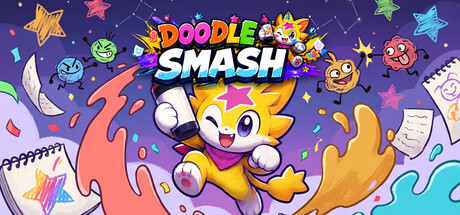
Some assets in this game were created with generative AI tools during development and then selected and edited by hand: the store key art and capsule images, some in-game images (UI decorations, stage backgrounds and some illustrations), and the background music and jingles. No generative AI is used while you play: the stats and skills of your drawing are decided by deterministic on-device image processing, and nothing is sent to an AI service.
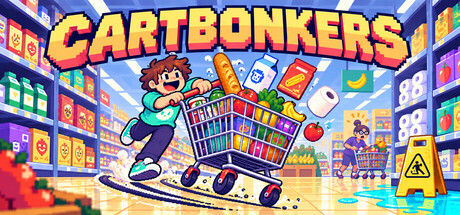
The key art, store capsules and library artwork were created with an AI image generator and reviewed by the developer. In-game pixel art sprites, the bitmap font, sound effects and music are produced by original project code written with AI coding assistance. Store and in-game text were drafted with AI assistance and edited by the developer. The game does not generate any content with AI while running and requires no AI service.
Generative AI tools were used to assist in creating some pre-generated decorative in-game artwork, including wall posters, as well as selected promotional and Steam store artwork. All generated content was reviewed and edited before inclusion. The game does not use live-generated AI content during gameplay.
Some of the game's 2D art (characters, enemies, backgrounds and icons) was created with the help of generative AI tools and then edited, cleaned up and reviewed by the developer. Some translations were also made with AI assistance. No AI content is generated while the game is running, and the game does not connect to any AI service.
Pre-generated AI-assisted art and text are used. Tencent Hunyuan 3D helped create initial models and textures; OpenAI image tools helped create UI art and reference images. Assets were edited and optimized for the game. Some fixed UI text, incident captions and translations were drafted with AI assistance. No AI content is generated during gameplay.
This game includes content created with the assistance of generative AI. Specifically, the clock face and background designs available in the in-game shop were created using generative AI image tools, and the localization of the in-game interface text into several additional languages was produced with generative AI. The game's audio and other content were created without generative AI. No generative AI runs while the game is played — all such content is pre-generated and included in the build.
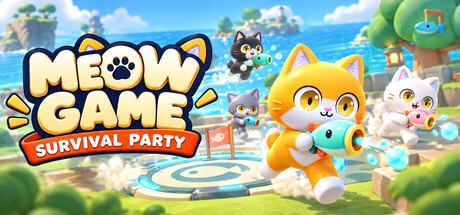
Generative AI tools were used during development to help create some of the game's visual assets, including 3D props and environments, as well as localized text and store page descriptions. The main cat character model is a purchased third-party asset. The game does not generate AI content or connect to external AI services during gameplay.
Generative AI was used to create some images, music, sound effects, and prerecorded synthetic chant voices. The game also uses on-device AI speech recognition to transcribe player recordings.
Generative AI tools were used to create and refine promotional artwork and startup/loading artwork based on our game’s character designs. The startup artwork is included in the game.
This game is designed, developed, and published by an independent developer, with AI tools used to assist during development:
Written text was drafted with AI assistance and reviewed and edited by the developer.
The gameplay, the art style, and every revision were decided by the developer.
Some visuals and animations are drawn by code and were reviewed and revised version by version; no AI image-generation models were used.
Map tiles and furniture are human-created licensed assets.
Music and sound effects are human-created licensed assets.
The store capsule artwork was commissioned from a human artist; its background may contain AI-generated elements.
The game does not use AI to generate any content at runtime.
The store artwork (capsules and key art) was generated with an image model and then composed, cropped and combined with our own logo by hand. The game's ambient background music tracks were generated with an AI music tool and edited afterwards.
Some of the game's 3D models, some of its music tracks and parts of the user interface were created with the help of generative AI tools, then selected, edited and integrated by our team. Some of the artwork on this store page (capsule and promotional images) was also created with the help of generative AI and edited by our team. AI coding assistants were also used during programming, with all code reviewed and directed by our team. Everything else (game design, level design and the remaining art, music and sound effects) was made by the Domp Studio team. No AI is used to generate content while you play.
Shark Bait was made with AI assistance. AI assistants wrote the game's code, including the code that creates its 3D models, sound effects and music, so those were made by AI too. They also helped write the in-game text. The developer directed, played and reviewed all of it.
The game's code, which procedurally generates all 3D models, textures, sound effects and music at runtime, was written with the help of an AI coding assistant, as were the store description, marketing images and trailer. No AI generation happens while the game is running.
Generative AI is being used during development solely to create character head portraits. It enabled us to create thousands of portrait variations across three age stages, helping the large cast of characters feel more varied, immersive and realistic while allowing characters to visibly age during long careers.
Every portrait is created in advance and checked by the Playsport art team before being included in the game. Nothing is generated while the game is running. No other artwork in the game, including vehicles, decals, logos or clothing uses generative AI. AI-generated portraits can be disabled in the preferences menu.
During development we use AI assistance in certain tasks, such as generative fill to extend artist drawn artwork. All major art has been drawn by human artists.
The game has optional computer generated voice overs.
This game uses a mix of human and generative AI tools. AI was used in some visual art assets, code generation, and portions of the store page text. All writing in the game, voice acting, and music are fully human-created.
Generative AI tools were used during development to assist with concept development and the creation of some visual assets. AI-generated material was reviewed, edited, and integrated by the developer to fit the game’s visual style and design. Generative AI is not used during gameplay and no content is generated dynamically for players.
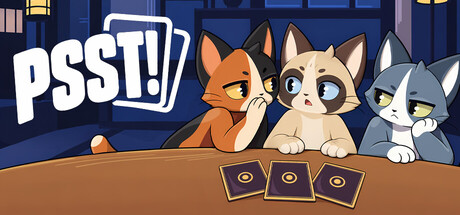
Psst! uses generative AI in two ways, and both run entirely on your own PC. Nothing you say or type is sent to a server, stored, or used to train anything.
Live voices: Bot players and the host speak their hints and table talk out loud through a text-to-speech model (Supertonic) that runs on your computer. The spoken lines come from the game's own writing and word lists. The AI only turns that text into audio.
Speech recognition: If you choose to play with your voice, a speech-to-text model (NVIDIA Parakeet) turns what you say into text so the game can read your hint or guess. This is optional, and you can always type instead.
All artwork, writing and game design were made by the developer or bought as assets with licenses.
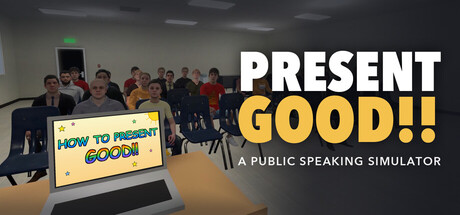
After a talk, audience questions are generated at runtime by a small open-weight language model (Qwen3) running locally on the player's computer, based on a transcript of what the player just said. Speech-to-text also runs locally (whisper.cpp). Nothing is sent to any server.
This game includes pre-generated visual and auditory
assets created with the assistance of generative AI. These assets have been reviewed, edited, and integrated by the development team. The game does not use generative AI to create content while players are playing.
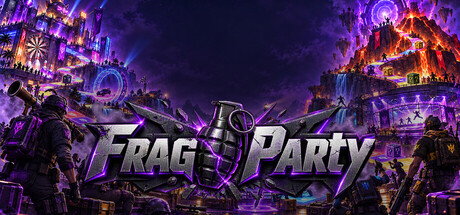
Parts of Frag Party's artwork and translated text were produced with generative AI tools.
Artwork: the promotional key art that the store capsules are composed from, and a small number of
static wallpaper images used as backdrops behind a few of the challenges.
Text: the non-English interface translations (Spanish, French, Portuguese, Russian, Arabic and
Simplified Chinese). English is the original and was written by hand.
Everything else is human-made: all gameplay and code, the 3D characters, weapons and environments,
animation, interface layout and audio. Nothing is generated while you play, and the game does not
connect to any AI service.
We used AI as a supporting tool to translate and proofread the in-game text. Every translation was reviewed and adjusted by our team before it went into the game.
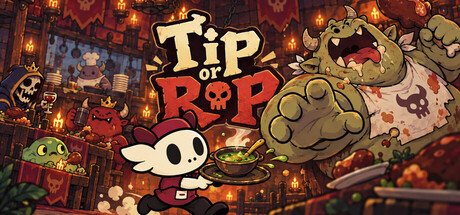
We combined hands-on development with AI tools to help speed up our workflow, including work on artwork, music, text, and translations. Our team designed and built the game, guided its creative direction, and edited and refined the visuals to match TIP or RIP’s cartoon style.
This game was made with the help of generative AI.
AI tools were used during development to create visual assets, sound and music, parts
of the source code, and the translations of this page and the in-game text. Everything
was chosen, edited and assembled by hand before release.
Nothing is generated while you play — all content ships with the game.
During development, generative AI tools (such as ChatGPT) were used to assist in writing and optimizing portions of the Godot (GDScript) game code, as well as for brainstorming visual concepts during the early stages of art design. All final art assets, text, audio, and code within the game have been reviewed, modified, and finalized by the developer prior to release. The game does not generate any AI content in real-time during gameplay.
Selected visual and audio assets were created with generative AI tools. AI was also used to assist with English and Italian localization, with all localized text reviewed and edited by the developer. No generative AI is used during gameplay.
AI tools helped write the store page text and translate the game's text into other languages. The game's artwork and gameplay are not AI-generated, and nothing is generated by AI while you play.
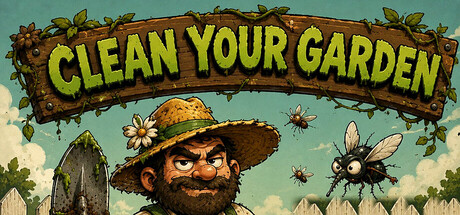
Generative AI tools were used during the development of Clean Your Garden
for part of the 2D art (bug illustrations, backgrounds, weapon and
achievement icons, and store art), to assist with writing code, and to
assist with translating the game's text into English. All of it was
reviewed, edited and integrated by hand.
The game does not generate any content with AI while you play: no model
runs at runtime.
---
Durante el desarrollo de Clean Your Garden se han usado herramientas de IA
generativa para parte del arte 2D (ilustraciones de bichos, fondos, iconos
de armas y de logros, e imágenes de la ficha), para asistir en la escritura
del código, y para asistir en la traducción de los textos al inglés. Todo
ese material ha sido revisado, editado e integrado a mano.
El juego no genera contenido con IA durante la partida: no hay ningún
modelo ejecutándose en tiempo real.
Generative AI was used during development to create or assist with some in-game artwork, promotional images, written content, and localization. The game does not use generative AI to generate content during gameplay.
Generative AI tools were used during development to help create portions of the artwork and promotional imagery, prerecorded voice-over, and some game text and localization. These materials are prepared in advance. The game does not generate AI content during gameplay or connect to external generative AI services.
Some assets in this game were created with generative AI tools during development and then selected and edited by hand: the store key art and capsule images, some in-game images (UI decorations, stage backgrounds and some illustrations), and the background music and jingles. No generative AI is used while you play: the stats and skills of your drawing are decided by deterministic on-device image processing, and nothing is sent to an AI service.
The key art, store capsules and library artwork were created with an AI image generator and reviewed by the developer. In-game pixel art sprites, the bitmap font, sound effects and music are produced by original project code written with AI coding assistance. Store and in-game text were drafted with AI assistance and edited by the developer. The game does not generate any content with AI while running and requires no AI service.
Generative AI tools were used to assist in creating some pre-generated decorative in-game artwork, including wall posters, as well as selected promotional and Steam store artwork. All generated content was reviewed and edited before inclusion. The game does not use live-generated AI content during gameplay.
Some of the game's 2D art (characters, enemies, backgrounds and icons) was created with the help of generative AI tools and then edited, cleaned up and reviewed by the developer. Some translations were also made with AI assistance. No AI content is generated while the game is running, and the game does not connect to any AI service.
Pre-generated AI-assisted art and text are used. Tencent Hunyuan 3D helped create initial models and textures; OpenAI image tools helped create UI art and reference images. Assets were edited and optimized for the game. Some fixed UI text, incident captions and translations were drafted with AI assistance. No AI content is generated during gameplay.
This game includes content created with the assistance of generative AI. Specifically, the clock face and background designs available in the in-game shop were created using generative AI image tools, and the localization of the in-game interface text into several additional languages was produced with generative AI. The game's audio and other content were created without generative AI. No generative AI runs while the game is played — all such content is pre-generated and included in the build.
Generative AI tools were used during development to help create some of the game's visual assets, including 3D props and environments, as well as localized text and store page descriptions. The main cat character model is a purchased third-party asset. The game does not generate AI content or connect to external AI services during gameplay.
Generative AI was used to create some images, music, sound effects, and prerecorded synthetic chant voices. The game also uses on-device AI speech recognition to transcribe player recordings.
Generative AI tools were used to create and refine promotional artwork and startup/loading artwork based on our game’s character designs. The startup artwork is included in the game.
This game is designed, developed, and published by an independent developer, with AI tools used to assist during development:
Written text was drafted with AI assistance and reviewed and edited by the developer.
The gameplay, the art style, and every revision were decided by the developer.
Some visuals and animations are drawn by code and were reviewed and revised version by version; no AI image-generation models were used.
Map tiles and furniture are human-created licensed assets.
Music and sound effects are human-created licensed assets.
The store capsule artwork was commissioned from a human artist; its background may contain AI-generated elements.
The game does not use AI to generate any content at runtime.
The store artwork (capsules and key art) was generated with an image model and then composed, cropped and combined with our own logo by hand. The game's ambient background music tracks were generated with an AI music tool and edited afterwards.
Some of the game's 3D models, some of its music tracks and parts of the user interface were created with the help of generative AI tools, then selected, edited and integrated by our team. Some of the artwork on this store page (capsule and promotional images) was also created with the help of generative AI and edited by our team. AI coding assistants were also used during programming, with all code reviewed and directed by our team. Everything else (game design, level design and the remaining art, music and sound effects) was made by the Domp Studio team. No AI is used to generate content while you play.
Shark Bait was made with AI assistance. AI assistants wrote the game's code, including the code that creates its 3D models, sound effects and music, so those were made by AI too. They also helped write the in-game text. The developer directed, played and reviewed all of it.
The game's code, which procedurally generates all 3D models, textures, sound effects and music at runtime, was written with the help of an AI coding assistant, as were the store description, marketing images and trailer. No AI generation happens while the game is running.
Generative AI is being used during development solely to create character head portraits. It enabled us to create thousands of portrait variations across three age stages, helping the large cast of characters feel more varied, immersive and realistic while allowing characters to visibly age during long careers.
Every portrait is created in advance and checked by the Playsport art team before being included in the game. Nothing is generated while the game is running. No other artwork in the game, including vehicles, decals, logos or clothing uses generative AI. AI-generated portraits can be disabled in the preferences menu.
During development we use AI assistance in certain tasks, such as generative fill to extend artist drawn artwork. All major art has been drawn by human artists.
The game has optional computer generated voice overs.
This game uses a mix of human and generative AI tools. AI was used in some visual art assets, code generation, and portions of the store page text. All writing in the game, voice acting, and music are fully human-created.
Generative AI tools were used during development to assist with concept development and the creation of some visual assets. AI-generated material was reviewed, edited, and integrated by the developer to fit the game’s visual style and design. Generative AI is not used during gameplay and no content is generated dynamically for players.
Psst! uses generative AI in two ways, and both run entirely on your own PC. Nothing you say or type is sent to a server, stored, or used to train anything.
Live voices: Bot players and the host speak their hints and table talk out loud through a text-to-speech model (Supertonic) that runs on your computer. The spoken lines come from the game's own writing and word lists. The AI only turns that text into audio.
Speech recognition: If you choose to play with your voice, a speech-to-text model (NVIDIA Parakeet) turns what you say into text so the game can read your hint or guess. This is optional, and you can always type instead.
All artwork, writing and game design were made by the developer or bought as assets with licenses.
After a talk, audience questions are generated at runtime by a small open-weight language model (Qwen3) running locally on the player's computer, based on a transcript of what the player just said. Speech-to-text also runs locally (whisper.cpp). Nothing is sent to any server.
This game includes pre-generated visual and auditory
assets created with the assistance of generative AI. These assets have been reviewed, edited, and integrated by the development team. The game does not use generative AI to create content while players are playing.
Parts of Frag Party's artwork and translated text were produced with generative AI tools.
Artwork: the promotional key art that the store capsules are composed from, and a small number of
static wallpaper images used as backdrops behind a few of the challenges.
Text: the non-English interface translations (Spanish, French, Portuguese, Russian, Arabic and
Simplified Chinese). English is the original and was written by hand.
Everything else is human-made: all gameplay and code, the 3D characters, weapons and environments,
animation, interface layout and audio. Nothing is generated while you play, and the game does not
connect to any AI service.
We used AI as a supporting tool to translate and proofread the in-game text. Every translation was reviewed and adjusted by our team before it went into the game.
We combined hands-on development with AI tools to help speed up our workflow, including work on artwork, music, text, and translations. Our team designed and built the game, guided its creative direction, and edited and refined the visuals to match TIP or RIP’s cartoon style.
This game was made with the help of generative AI.
AI tools were used during development to create visual assets, sound and music, parts
of the source code, and the translations of this page and the in-game text. Everything
was chosen, edited and assembled by hand before release.
Nothing is generated while you play — all content ships with the game.
During development, generative AI tools (such as ChatGPT) were used to assist in writing and optimizing portions of the Godot (GDScript) game code, as well as for brainstorming visual concepts during the early stages of art design. All final art assets, text, audio, and code within the game have been reviewed, modified, and finalized by the developer prior to release. The game does not generate any AI content in real-time during gameplay.
Selected visual and audio assets were created with generative AI tools. AI was also used to assist with English and Italian localization, with all localized text reviewed and edited by the developer. No generative AI is used during gameplay.
AI tools helped write the store page text and translate the game's text into other languages. The game's artwork and gameplay are not AI-generated, and nothing is generated by AI while you play.
Generative AI tools were used during the development of Clean Your Garden
for part of the 2D art (bug illustrations, backgrounds, weapon and
achievement icons, and store art), to assist with writing code, and to
assist with translating the game's text into English. All of it was
reviewed, edited and integrated by hand.
The game does not generate any content with AI while you play: no model
runs at runtime.
---
Durante el desarrollo de Clean Your Garden se han usado herramientas de IA
generativa para parte del arte 2D (ilustraciones de bichos, fondos, iconos
de armas y de logros, e imágenes de la ficha), para asistir en la escritura
del código, y para asistir en la traducción de los textos al inglés. Todo
ese material ha sido revisado, editado e integrado a mano.
El juego no genera contenido con IA durante la partida: no hay ningún
modelo ejecutándose en tiempo real.
Generative AI was used during development to create or assist with some in-game artwork, promotional images, written content, and localization. The game does not use generative AI to generate content during gameplay.
Generative AI tools were used during development to help create portions of the artwork and promotional imagery, prerecorded voice-over, and some game text and localization. These materials are prepared in advance. The game does not generate AI content during gameplay or connect to external generative AI services.