Public Steam disclosure research25,376 disclosures tracked
Where do games disclose AI use?
Search developers’ Steam disclosures, compare classified AI use across
games, and follow recorded changes.
This index adds cross-game classifications and statistics to
statements published on individual store pages.
Groups reflect automatic analysis of public disclosures; mature records are excluded. These counts do not measure AI use across all of Steam.
Missing or unclear statements cannot establish whether a game uses AI.
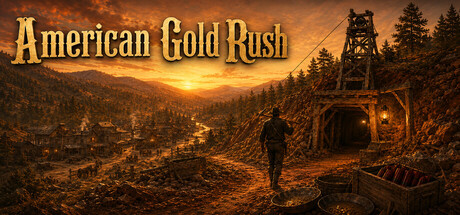
American Gold Rush uses limited AI-generated art in a small number of places, all of it pre-generated during development. No AI is used while you play, and nothing about the game changes at runtime.
AI-generated: the title artwork, some background pieces like the sky.
Not AI-generated: all pixel art, all sound effects, all music, all game code and all writing. These are human-made, by named people paid for the work.
Generative AI tools were used during the development process for pre-generated image assets, specifically for refining, upscaling, and enhancing original artwork created by the developer. No real-time AI generation is used in the game.
Some assets and code in Angkor were created with the assistance of generative AI tools, including 2D art, sound effects, portions of the game's code, and some in-game text. All AI-assisted content was reviewed, edited, and integrated by a human developer. Angkor does not generate any content live during gameplay.
Some parts of the Cellarer were made with the help of generative AI tools: portions of the source code, some of the in-game icons and sfx / vfx, some store and marketing text, and some marketing artwork and assets were AI-assisted, then reviewed, edited and integrated by hand before shipping. The game itself contains nothing live-generated — no AI runs while you play, and the game never connects to an AI service.
The game's 2D artwork, including card and unit illustrations, worker portraits, and store assets, was generated with AI image tools and then reviewed, selected, and edited by the developer. Parts of the in-game text and localizations were also written with AI assistance. The game does not generate any content with AI at runtime.
Generative AI tools were used during development to assist with portions of code writing and debugging, text drafting and editing, English localization, and the creation of some music assets. All related content was manually reviewed, revised, curated, and approved by the developer.
The game does not generate any AI content during gameplay and does not connect to external AI services.
AI generative tools are used in development. Non-English translations and some marketing material were also produced with AI assistance.
Nothing is generated by AI while the game is running.
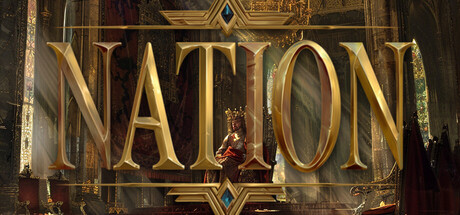
Some of Nation's 2D artwork — character portraits, card illustrations, backgrounds, and store/marketing images — was created with the assistance of generative AI tools, then selected, edited, and composited by our team. All game design, rules, writing, and code are human-made. The game does not generate content with AI while you play.
This work incorporates the use of generative artificial intelligence (AI) in the following areas:
Parts of the artwork, parts of the sound, and localization.
Generative AI was used during development to assist with some pre-generated visual artwork. The development team reviewed and curated the AI-assisted artwork before including it in the game. No generative AI content is created during gameplay, and no player data or input is sent to an AI service.
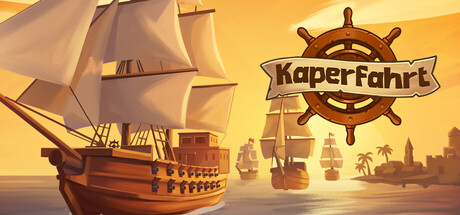
Kaperfahrt uses AI generated assets in two places. Both are placeholders and are being replaced with commissioned work.
The portrait illustrations on the wanted posters of the 23 Blacklist pirates were made with an AI image generator. They were bought as finished assets.
The soundtrack, the ambient audio and the spoken lines of the Blacklist pirates were made with Suno under a paid commercial licence.
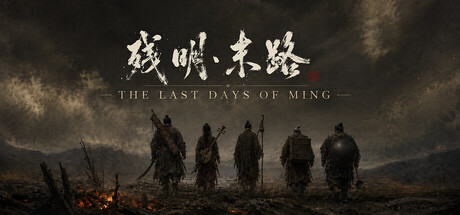
Generative AI was used during development for translations, some pixel art, and some music. AI-assisted content is human-reviewed before release. The main painting is historical public-domain art. Nothing is AI-generated during gameplay.
Some of the pre-rendered 2D art shipped with the game (era intermission illustrations, panel icons, campaign cover images and the Economic Association hall with economist portraits) was produced with generative image tools (fal.ai, Krea) from prompts authored by the developer, then post-processed by hand and by scripts in tools/. No generative AI is used at runtime. The game's simulation code, UI, isometric city renderer, world map (built from Natural Earth data) and all text, including the three interface languages, are authored by the developer.
Some visual assets, marketing materials, and/or text drafts may have been created or assisted with generative AI tools. All AI-assisted content is reviewed and edited by the developer before being included in the game or store page.
Generative AI tools were used in the creation of certain art assets, audio materials and descriptive text during game development. All AI-generated content has been manually reviewed, edited and integrated by the developer. No new content is dynamically generated by AI while the game is running.
This game contains pre-generated AI-assisted visual assets, including promotional images, icons, artwork, character portraits, and some UI elements. No live or runtime AI is used during gameplay. All gameplay, mechanics, code, and player interactions are handcrafted.
As an independent developer/publisher, AI-assisted tools have been used selectively to support presentation and marketing workflows, not to replace the game’s creative direction or development.
The game itself is designed, directed, developed, coded, and assembled by human creators. Core gameplay systems, level design, story direction, implementation, and development decisions are not generated by AI.
Some 3D assets in this game were created with the help of AI generation tools, then edited, retextured and integrated by hand. Parts of the written text, including store page copy and in-game text translations, were drafted with AI assistance and reviewed by the developer. No content is generated live while you play, and no AI-generated voice acting is used. Everything is created and checked before release.
Portions of this game's artwork were created with generative AI tools under human direction, curation, and editing — including aircraft counter sprites, scene illustrations, character portraits, achievement icons, and some store/marketing images. The store trailer's narration is AI-generated voiceover. Some code was developed with AI assistance and human review. The game does not generate any content with AI while running.
[Pre-Generated AI Content] Generative AI (Anthropic Claude) was used during development to write game code, to create the BGM (note data transcribed from a public-domain piece and procedurally generated music), and to compose store artwork from in-game assets. No content is generated by AI at runtime.
This game was developed with the assistance of generative AI tools during production. AI-generated 2D artwork (building icons, unit portraits, background illustrations, and UI elements) was created and curated by the development team as part of the game's visual assets. AI is not used to generate content dynamically during gameplay -- all art assets are fixed and shipped with the game. In-game opponent behavior uses traditional programmed game logic, not generative AI.
AI-generated content was used for some 2D artwork, loading screen assets, and some secondary 3D models. I reviewed, edited, and integrated all AI-assisted content into the game. The main game systems, world design, gameplay, narrative, and historical research were created and developed by me.
At this stage, some in-game text is translated using generative AI tools as a temporary solution. All other content — art, models, audio, and design — is created manually. AI translation will be replaced with professional human localization for the full release.
Some pre-generated visual assets and localization text were created with the assistance of generative AI and were reviewed and edited by the developer. The game does not generate AI content during gameplay.
During the development of this game, generative AI technologies were utilized as auxiliary tools to optimize production and enhance the overall quality of the final product. AI was used in the following areas:
Visual Art & Assets: Generative tools were used during the concept art stage to create baseline character portraits, user interface elements, and background images of government offices. All AI-generated assets underwent manual digital painting, color correction, and stylization to fit the game's distinct, gritty political noir atmosphere.
Text & Narrative Design: AI assistants were employed for copyediting, historical context verification, dialogue polishing, and structuring large volumes of text to ensure the narrative feels immersive, realistic, and deeply engaging.
Coding & Scripting: AI tools helped optimize Godot engine source code, identify bugs, and accelerate the technical implementation of dynamic UI systems.
Important Note: The game contains only pre-generated content. There is no live-generated AI content running during gameplay. The game experience is fully deterministic, stable, and hardcoded within the final build by the developer.
Some questions and answers in our quiz game are generated using AI. Additionally, we utilized pre-generated AI images included in the capsules and for in-game assets.
AI-assisted tools are becoming part of modern game development, and we believe in being transparent about how we use them. Aviator combines AI-assisted workflows with human creative direction, design, review, and final decision-making throughout development.
Generative AI tools assisted with portions of development, including some player-facing UI, tutorial and campaign text, and implementation code.
All output was reviewed and edited by the developer. The game does not generate AI content while running.
Maps and terrain are generated using deterministic procedural algorithms and public-domain geographic data. Audio uses licensed recordings and conventional synthesis/editing, not generative AI.
This game uses pre-generated AI content for a small number of UI button press sound effects created during development using ElevenLabs. These audio assets are included in the shipped game and do not generate dynamically during gameplay. The game does not use live generative AI to create player-facing content while the game is running.
The game contains pre-generated visual and audio assets created with the assistance of generative AI tools during development. OpenAI-assisted tools were used for selected visual assets, Suno was used for pre-generated medieval-inspired music, and ElevenLabs was used for selected sound effects, ambience, and voice elements. All outputs were reviewed, selected, edited, and integrated by the developer. The game does not use live-generated AI and does not connect to an AI service while running.
1453 contains pre-generated AI content: in-game illustrations and short ambient video clips created with generative image/video tools, curated and edited under human art direction and reviewed for historical accuracy. The narrative text is human–AI co-written and human-edited under the author's direction; the game design is the author's. No AI content is generated at runtime.
Generative AI is used only during development to create and refine certain visual assets, including textures, icons, and UI elements. All generated materials are reviewed and edited by the developer when necessary before being added to the game. AI does not generate content during gameplay or process user data.
Generative AI was used during development to create some pre-generated graphical content. This includes several user interface icons used in the game and the hero banner displayed on the Steam store page. The game does not generate any content using AI during runtime.
Generative AI was used as a supporting tool during solo development, mainly to find technical information faster, compare possible solutions, check code, organize notes, and explore early ideas. It saves a lot of time that would otherwise be spent searching through browser tabs and documentation. I also use it to help with translations. The game’s design, development decisions, implementation, and final content remain entirely under my control.. The game does not generate AI content during gameplay.
Most of the art assets in this game are human-made, but there are some AI-generated portraits of African, Indian, and East Asian characters, since the (human-made) portrait packs used did not contain all ethnic groups represented in the game.
All dialogue in the game is human-directed and edited, but some was AI-generated in order to flesh out the world with unique dialogue for every region and situation.
Aircraft Tycoon uses generative AI during development to create certain pre-rendered 2D visual assets, including environmental backgrounds, building illustrations, and selected promotional artwork. All AI-assisted content is reviewed, curated, and, where necessary, edited by the developer before being included in the game. The game does not generate AI content during gameplay and does not connect to external AI services.
American Gold Rush uses limited AI-generated art in a small number of places, all of it pre-generated during development. No AI is used while you play, and nothing about the game changes at runtime.
AI-generated: the title artwork, some background pieces like the sky.
Not AI-generated: all pixel art, all sound effects, all music, all game code and all writing. These are human-made, by named people paid for the work.
Generative AI tools were used during the development process for pre-generated image assets, specifically for refining, upscaling, and enhancing original artwork created by the developer. No real-time AI generation is used in the game.
Some assets and code in Angkor were created with the assistance of generative AI tools, including 2D art, sound effects, portions of the game's code, and some in-game text. All AI-assisted content was reviewed, edited, and integrated by a human developer. Angkor does not generate any content live during gameplay.
Some parts of the Cellarer were made with the help of generative AI tools: portions of the source code, some of the in-game icons and sfx / vfx, some store and marketing text, and some marketing artwork and assets were AI-assisted, then reviewed, edited and integrated by hand before shipping. The game itself contains nothing live-generated — no AI runs while you play, and the game never connects to an AI service.
The game's 2D artwork, including card and unit illustrations, worker portraits, and store assets, was generated with AI image tools and then reviewed, selected, and edited by the developer. Parts of the in-game text and localizations were also written with AI assistance. The game does not generate any content with AI at runtime.
Generative AI tools were used during development to assist with portions of code writing and debugging, text drafting and editing, English localization, and the creation of some music assets. All related content was manually reviewed, revised, curated, and approved by the developer.
The game does not generate any AI content during gameplay and does not connect to external AI services.
AI generative tools are used in development. Non-English translations and some marketing material were also produced with AI assistance.
Nothing is generated by AI while the game is running.
Some of Nation's 2D artwork — character portraits, card illustrations, backgrounds, and store/marketing images — was created with the assistance of generative AI tools, then selected, edited, and composited by our team. All game design, rules, writing, and code are human-made. The game does not generate content with AI while you play.
This work incorporates the use of generative artificial intelligence (AI) in the following areas:
Parts of the artwork, parts of the sound, and localization.
Generative AI was used during development to assist with some pre-generated visual artwork. The development team reviewed and curated the AI-assisted artwork before including it in the game. No generative AI content is created during gameplay, and no player data or input is sent to an AI service.
Kaperfahrt uses AI generated assets in two places. Both are placeholders and are being replaced with commissioned work.
The portrait illustrations on the wanted posters of the 23 Blacklist pirates were made with an AI image generator. They were bought as finished assets.
The soundtrack, the ambient audio and the spoken lines of the Blacklist pirates were made with Suno under a paid commercial licence.
Generative AI was used during development for translations, some pixel art, and some music. AI-assisted content is human-reviewed before release. The main painting is historical public-domain art. Nothing is AI-generated during gameplay.
Some of the pre-rendered 2D art shipped with the game (era intermission illustrations, panel icons, campaign cover images and the Economic Association hall with economist portraits) was produced with generative image tools (fal.ai, Krea) from prompts authored by the developer, then post-processed by hand and by scripts in tools/. No generative AI is used at runtime. The game's simulation code, UI, isometric city renderer, world map (built from Natural Earth data) and all text, including the three interface languages, are authored by the developer.
Some visual assets, marketing materials, and/or text drafts may have been created or assisted with generative AI tools. All AI-assisted content is reviewed and edited by the developer before being included in the game or store page.
Generative AI tools were used in the creation of certain art assets, audio materials and descriptive text during game development. All AI-generated content has been manually reviewed, edited and integrated by the developer. No new content is dynamically generated by AI while the game is running.
This game contains pre-generated AI-assisted visual assets, including promotional images, icons, artwork, character portraits, and some UI elements. No live or runtime AI is used during gameplay. All gameplay, mechanics, code, and player interactions are handcrafted.
As an independent developer/publisher, AI-assisted tools have been used selectively to support presentation and marketing workflows, not to replace the game’s creative direction or development.
The game itself is designed, directed, developed, coded, and assembled by human creators. Core gameplay systems, level design, story direction, implementation, and development decisions are not generated by AI.
Some 3D assets in this game were created with the help of AI generation tools, then edited, retextured and integrated by hand. Parts of the written text, including store page copy and in-game text translations, were drafted with AI assistance and reviewed by the developer. No content is generated live while you play, and no AI-generated voice acting is used. Everything is created and checked before release.
Portions of this game's artwork were created with generative AI tools under human direction, curation, and editing — including aircraft counter sprites, scene illustrations, character portraits, achievement icons, and some store/marketing images. The store trailer's narration is AI-generated voiceover. Some code was developed with AI assistance and human review. The game does not generate any content with AI while running.
[Pre-Generated AI Content] Generative AI (Anthropic Claude) was used during development to write game code, to create the BGM (note data transcribed from a public-domain piece and procedurally generated music), and to compose store artwork from in-game assets. No content is generated by AI at runtime.
This game was developed with the assistance of generative AI tools during production. AI-generated 2D artwork (building icons, unit portraits, background illustrations, and UI elements) was created and curated by the development team as part of the game's visual assets. AI is not used to generate content dynamically during gameplay -- all art assets are fixed and shipped with the game. In-game opponent behavior uses traditional programmed game logic, not generative AI.
AI-generated content was used for some 2D artwork, loading screen assets, and some secondary 3D models. I reviewed, edited, and integrated all AI-assisted content into the game. The main game systems, world design, gameplay, narrative, and historical research were created and developed by me.
At this stage, some in-game text is translated using generative AI tools as a temporary solution. All other content — art, models, audio, and design — is created manually. AI translation will be replaced with professional human localization for the full release.
Some pre-generated visual assets and localization text were created with the assistance of generative AI and were reviewed and edited by the developer. The game does not generate AI content during gameplay.
During the development of this game, generative AI technologies were utilized as auxiliary tools to optimize production and enhance the overall quality of the final product. AI was used in the following areas:
Visual Art & Assets: Generative tools were used during the concept art stage to create baseline character portraits, user interface elements, and background images of government offices. All AI-generated assets underwent manual digital painting, color correction, and stylization to fit the game's distinct, gritty political noir atmosphere.
Text & Narrative Design: AI assistants were employed for copyediting, historical context verification, dialogue polishing, and structuring large volumes of text to ensure the narrative feels immersive, realistic, and deeply engaging.
Coding & Scripting: AI tools helped optimize Godot engine source code, identify bugs, and accelerate the technical implementation of dynamic UI systems.
Important Note: The game contains only pre-generated content. There is no live-generated AI content running during gameplay. The game experience is fully deterministic, stable, and hardcoded within the final build by the developer.
Some questions and answers in our quiz game are generated using AI. Additionally, we utilized pre-generated AI images included in the capsules and for in-game assets.
AI-assisted tools are becoming part of modern game development, and we believe in being transparent about how we use them. Aviator combines AI-assisted workflows with human creative direction, design, review, and final decision-making throughout development.
Generative AI tools assisted with portions of development, including some player-facing UI, tutorial and campaign text, and implementation code.
All output was reviewed and edited by the developer. The game does not generate AI content while running.
Maps and terrain are generated using deterministic procedural algorithms and public-domain geographic data. Audio uses licensed recordings and conventional synthesis/editing, not generative AI.
This game uses pre-generated AI content for a small number of UI button press sound effects created during development using ElevenLabs. These audio assets are included in the shipped game and do not generate dynamically during gameplay. The game does not use live generative AI to create player-facing content while the game is running.
The game contains pre-generated visual and audio assets created with the assistance of generative AI tools during development. OpenAI-assisted tools were used for selected visual assets, Suno was used for pre-generated medieval-inspired music, and ElevenLabs was used for selected sound effects, ambience, and voice elements. All outputs were reviewed, selected, edited, and integrated by the developer. The game does not use live-generated AI and does not connect to an AI service while running.
1453 contains pre-generated AI content: in-game illustrations and short ambient video clips created with generative image/video tools, curated and edited under human art direction and reviewed for historical accuracy. The narrative text is human–AI co-written and human-edited under the author's direction; the game design is the author's. No AI content is generated at runtime.
Generative AI is used only during development to create and refine certain visual assets, including textures, icons, and UI elements. All generated materials are reviewed and edited by the developer when necessary before being added to the game. AI does not generate content during gameplay or process user data.
Generative AI was used during development to create some pre-generated graphical content. This includes several user interface icons used in the game and the hero banner displayed on the Steam store page. The game does not generate any content using AI during runtime.
Generative AI was used as a supporting tool during solo development, mainly to find technical information faster, compare possible solutions, check code, organize notes, and explore early ideas. It saves a lot of time that would otherwise be spent searching through browser tabs and documentation. I also use it to help with translations. The game’s design, development decisions, implementation, and final content remain entirely under my control.. The game does not generate AI content during gameplay.
Most of the art assets in this game are human-made, but there are some AI-generated portraits of African, Indian, and East Asian characters, since the (human-made) portrait packs used did not contain all ethnic groups represented in the game.
All dialogue in the game is human-directed and edited, but some was AI-generated in order to flesh out the world with unique dialogue for every region and situation.
Aircraft Tycoon uses generative AI during development to create certain pre-rendered 2D visual assets, including environmental backgrounds, building illustrations, and selected promotional artwork. All AI-assisted content is reviewed, curated, and, where necessary, edited by the developer before being included in the game. The game does not generate AI content during gameplay and does not connect to external AI services.