Public Steam disclosure research25,376 disclosures tracked
Where do games disclose AI use?
Search developers’ Steam disclosures, compare classified AI use across
games, and follow recorded changes.
This index adds cross-game classifications and statistics to
statements published on individual store pages.
Groups reflect automatic analysis of public disclosures; mature records are excluded. These counts do not measure AI use across all of Steam.
Missing or unclear statements cannot establish whether a game uses AI.
Generative AI was used for deep game simulation to assist with designing difficulty curves and testing in game mathmatical calculations. It was also used for designing alternative UI Models for cosmetic changes.
Game Design, layout, original creations, music, sound, story, plots, etc. were Designed entirely by the Creator.
Generative AI has been used for concepts and early sketches of some backgrounds. No final graphical assets included in the game have been generated by AI.
Some promotional images have been enhanced using AI.
Some music tracks have been created with the help of AI.
Generative AI tools were used during development to assist with some pre-generated visual assets and with drafting, editing, and localization of text. All AI-assisted content was reviewed, edited, curated, and integrated by the developer before inclusion in the game. No content is generated by AI during gameplay.
The game uses pre-generated AI-assisted artwork created before release. It does not generate images, text, audio, or other content during runtime and does not connect to any external AI service.
This game uses live generative AI to create text-based character dialogue, diaries, journey events, NPC conversations, and outcomes of player-directed interactions. Responses are generated from player-created character profiles, recent in-game memories, current objectives, and player messages. Relevant text context is sent to a third-party AI service to generate these responses. Generated content may vary between sessions and may occasionally produce unexpected results. AI is not used to generate executable code or modify files on the player's device.
The game uses an AI system developed in-house, allowing Nori to understand and respond to what you say in real time, while remembering the conversations you’ve shared. Generative AI is used exclusively for Nori’s dialogue, voice, and interactive responses.
All artwork, models, music, and narrative text in the game are created by human artists and writers. The game contains no AI-generated artwork.
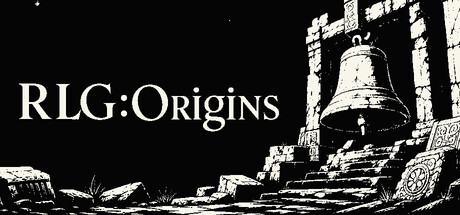
RLG:Origins uses a locally operated generative AI model during play to interpret free-form player input and generate GM narration and character dialogue. AI-generated text does not establish game facts or decide outcomes. A separate deterministic rules system validates actions and controls game-state changes. Generation takes place on the player's device, and player input is not sent to an external AI service.
The creative direction of GAZE IN SHADOWS was developed and controlled entirely by our team, including its 1928 setting, story, characters, case design, gameplay, and film noir-inspired visual style.
Generative AI was used only as a supporting tool for early art exploration, asset refinement, and limited programming assistance. All AI-assisted content was manually reviewed, extensively revised, and finalized by our developers. AI was not involved in any core creative decisions.
This game adopts generative AI technology to provide players with real-time interactive text dialogue with in-game NPCs. We have set strict content filtering rules to prevent the generation of inappropriate, illegal, pornographic or violent content. Players can report improper AI outputs through Steam's built-in marking tool.
In this game, generative AI is used for the following purposes:
・Selecting options based on voice commands input by the user
・Generating portions of the display text
・Generating portions of the narration script
・The narration audio is created using a speech synthesis engine; generative AI is not used.
Cover art, store page imagery and music were created with AI generation tools. All game design, writing and gameplay systems were created by the developer.
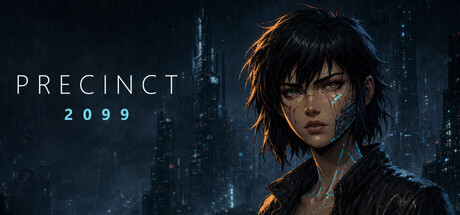
Precinct 2099 uses generative AI as a production tool. Part of the visual material (backgrounds, character art and store images) and the music were created with AI tools and then selected, edited and art-directed by hand by our team. Some of the localisation work is AI-assisted. The story, script, characters and game design are written by humans. The game does not generate any content live while you play: everything ships pre-generated with the build.
This game uses generative AI to create some of its visual assets, including artwork, background imagery, and marketing graphics. All AI-generated images are reviewed and edited by a human before release.
Partial artwork uses generative AI assistance. Scripts are fully original written by the developer. Background music is CC0 public domain material, no in-game real-time AI generation.
This game uses AI tools in a supporting capacity during the creation of some assets (such as background images, music, and sound effects).
No generated assets are used as-is; all have been processed, adjusted, and composited by human hands before being included in the game.
This game uses AI-assisted tools solely for programming and logic development. AI helped generate some basic code frameworks, but all core game logic was manually written, tested, and optimized.
This game includes optional local AI features:
Text Generation: A local language model periodically generates in-game short story events based on the player's typing activity.
Image Generation: A local image generation model may probabilistically generate illustrations for the corresponding story when a story event is triggered.
The AI features are purely an advanced option; whether you use them or not does not affect the core gameplay experience.
Generative AI tools were used only as a development assistant to help prototype and refine accessibility-related code and interface behavior. The game does not include AI-generated narrative, artwork, audio, characters, translations, or live-generated AI content.
This is a visual novel independently developed by an individual with no budget. It is based on an existing novel, with parts of the narrative text synthesized and refined using AI, which has been repeatedly checked, edited, and approved by the developer. The game's scenes and character models are also AI-generated, and have undergone extensive debugging, deletion, revision, and final confirmation before release to ensure compliance and quality.
This game used generative AI as an assistive tool during development to help create some art assets and promotional materials. All AI-generated content was selected, modified, integrated, and quality-checked by the developer before being included in the final product. The game’s story, world-building, character design, gameplay systems, programming, and overall creative direction are original works designed and produced by the developer.
Some of the game’s visual assets were created with the assistance of generative AI. All generated artwork is reviewed, edited, refined, and adapted by the development team to maintain a consistent visual identity and ensure that it matches the game’s artistic direction and design choices.
This approach was necessary due to the high cost of commissioning the full amount of artwork required from one or more professional artists or illustrators. Using AI-assisted tools helped keep the project financially viable, speed up production, and bring the game to players sooner while preserving a cohesive and recognizable style.
This game uses AI-assisted tools for selected art assets and animated content during development. All AI-assisted content has been reviewed and modified by the development team. The story, dialogue, and written content are fully created by the team, and the game does not include real-time AI interaction.
Quillzyra: Character Studio uses generative AI locally on the user's computer to create and interact with fictional characters. The application may generate character dialogue, personality text, memory summaries, character descriptions, and optional 2D character portraits based on user input.
The AI features are intended for fictional character creation, simulation, and conversation. The application does not rely on an external AI service during gameplay.
We use AI as a creative assistant to refine our English descriptions and ensure they are easy to read and engaging (since we are not native speakers). In addition, some of the game’s illustrations were created with the help of generative AI tools and later refined by human artists.
StorySmith uses generative AI to write its stories live as you and your Twitch chat make choices. The AI model runs locally on your machine by default, with an optional bring-your-own-key cloud option — so your playthroughs stay private and no two are ever the same.
Ai was used to develop the code, artwork, various events, and dialogue in the game. Most player-facing text was reviewed by humans and many of the events and conversations were approved, improved, or rewritten by humans. There is no run-time AI usage, everything was created before the game runs, only standard computer actions are done at runtime. ex. selections and randomization of existing content.
Some of this game's content was created with generative AI tools and then reviewed and edited by the developer. This includes visual assets (2D art, 3D models and characters), some in-game text and localization, and some audio. No content is generated by AI during gameplay.
1453 contains pre-generated AI content: in-game illustrations and short ambient video clips created with generative image/video tools, curated and edited under human art direction and reviewed for historical accuracy. The narrative text is human–AI co-written and human-edited under the author's direction; the game design is the author's. No AI content is generated at runtime.
The characters in Conversation Simulator are played live by an AI language model that runs entirely on your computer — no cloud AI service is involved. All character dialogue and end-of-session feedback is generated locally during play. A built-in safety policy that cannot be disabled keeps generated content within a PG/PG-13 boundary: no sexual content, no content involving minors, no impersonation of real people, no voice cloning, and no claims to be a real therapist, doctor, or lawyer. Self-harm and crisis topics are intercepted and answered with a resource message instead of AI-generated content.
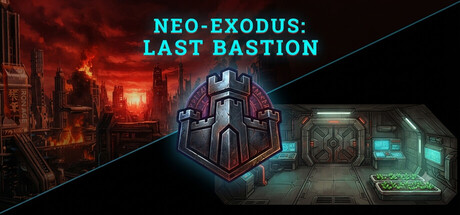
Our game, Neo-Exodus: Last Bastion, utilizes generative AI tools to assist in the creation of certain visual assets. Specifically, AI-generated content is used for some static background images, textures, and promotional art displayed on the store page and within the game. All AI-generated content is pre-generated; there is no real-time generation of content during gameplay. We have manually reviewed and curated all AI-assisted assets to ensure they meet our quality and safety standards.
Generative AI was used for deep game simulation to assist with designing difficulty curves and testing in game mathmatical calculations. It was also used for designing alternative UI Models for cosmetic changes.
Game Design, layout, original creations, music, sound, story, plots, etc. were Designed entirely by the Creator.
Generative AI has been used for concepts and early sketches of some backgrounds. No final graphical assets included in the game have been generated by AI.
Some promotional images have been enhanced using AI.
Some music tracks have been created with the help of AI.
Generative AI tools were used during development to assist with some pre-generated visual assets and with drafting, editing, and localization of text. All AI-assisted content was reviewed, edited, curated, and integrated by the developer before inclusion in the game. No content is generated by AI during gameplay.
The game uses pre-generated AI-assisted artwork created before release. It does not generate images, text, audio, or other content during runtime and does not connect to any external AI service.
This game uses live generative AI to create text-based character dialogue, diaries, journey events, NPC conversations, and outcomes of player-directed interactions. Responses are generated from player-created character profiles, recent in-game memories, current objectives, and player messages. Relevant text context is sent to a third-party AI service to generate these responses. Generated content may vary between sessions and may occasionally produce unexpected results. AI is not used to generate executable code or modify files on the player's device.
The game uses an AI system developed in-house, allowing Nori to understand and respond to what you say in real time, while remembering the conversations you’ve shared. Generative AI is used exclusively for Nori’s dialogue, voice, and interactive responses.
All artwork, models, music, and narrative text in the game are created by human artists and writers. The game contains no AI-generated artwork.
RLG:Origins uses a locally operated generative AI model during play to interpret free-form player input and generate GM narration and character dialogue. AI-generated text does not establish game facts or decide outcomes. A separate deterministic rules system validates actions and controls game-state changes. Generation takes place on the player's device, and player input is not sent to an external AI service.
The creative direction of GAZE IN SHADOWS was developed and controlled entirely by our team, including its 1928 setting, story, characters, case design, gameplay, and film noir-inspired visual style.
Generative AI was used only as a supporting tool for early art exploration, asset refinement, and limited programming assistance. All AI-assisted content was manually reviewed, extensively revised, and finalized by our developers. AI was not involved in any core creative decisions.
This game adopts generative AI technology to provide players with real-time interactive text dialogue with in-game NPCs. We have set strict content filtering rules to prevent the generation of inappropriate, illegal, pornographic or violent content. Players can report improper AI outputs through Steam's built-in marking tool.
In this game, generative AI is used for the following purposes:
・Selecting options based on voice commands input by the user
・Generating portions of the display text
・Generating portions of the narration script
・The narration audio is created using a speech synthesis engine; generative AI is not used.
Cover art, store page imagery and music were created with AI generation tools. All game design, writing and gameplay systems were created by the developer.
Precinct 2099 uses generative AI as a production tool. Part of the visual material (backgrounds, character art and store images) and the music were created with AI tools and then selected, edited and art-directed by hand by our team. Some of the localisation work is AI-assisted. The story, script, characters and game design are written by humans. The game does not generate any content live while you play: everything ships pre-generated with the build.
This game uses generative AI to create some of its visual assets, including artwork, background imagery, and marketing graphics. All AI-generated images are reviewed and edited by a human before release.
Partial artwork uses generative AI assistance. Scripts are fully original written by the developer. Background music is CC0 public domain material, no in-game real-time AI generation.
This game uses AI tools in a supporting capacity during the creation of some assets (such as background images, music, and sound effects).
No generated assets are used as-is; all have been processed, adjusted, and composited by human hands before being included in the game.
This game uses AI-assisted tools solely for programming and logic development. AI helped generate some basic code frameworks, but all core game logic was manually written, tested, and optimized.
This game includes optional local AI features:
Text Generation: A local language model periodically generates in-game short story events based on the player's typing activity.
Image Generation: A local image generation model may probabilistically generate illustrations for the corresponding story when a story event is triggered.
The AI features are purely an advanced option; whether you use them or not does not affect the core gameplay experience.
Generative AI tools were used only as a development assistant to help prototype and refine accessibility-related code and interface behavior. The game does not include AI-generated narrative, artwork, audio, characters, translations, or live-generated AI content.
This is a visual novel independently developed by an individual with no budget. It is based on an existing novel, with parts of the narrative text synthesized and refined using AI, which has been repeatedly checked, edited, and approved by the developer. The game's scenes and character models are also AI-generated, and have undergone extensive debugging, deletion, revision, and final confirmation before release to ensure compliance and quality.
This game used generative AI as an assistive tool during development to help create some art assets and promotional materials. All AI-generated content was selected, modified, integrated, and quality-checked by the developer before being included in the final product. The game’s story, world-building, character design, gameplay systems, programming, and overall creative direction are original works designed and produced by the developer.
Some of the game’s visual assets were created with the assistance of generative AI. All generated artwork is reviewed, edited, refined, and adapted by the development team to maintain a consistent visual identity and ensure that it matches the game’s artistic direction and design choices.
This approach was necessary due to the high cost of commissioning the full amount of artwork required from one or more professional artists or illustrators. Using AI-assisted tools helped keep the project financially viable, speed up production, and bring the game to players sooner while preserving a cohesive and recognizable style.
This game uses AI-assisted tools for selected art assets and animated content during development. All AI-assisted content has been reviewed and modified by the development team. The story, dialogue, and written content are fully created by the team, and the game does not include real-time AI interaction.
Quillzyra: Character Studio uses generative AI locally on the user's computer to create and interact with fictional characters. The application may generate character dialogue, personality text, memory summaries, character descriptions, and optional 2D character portraits based on user input.
The AI features are intended for fictional character creation, simulation, and conversation. The application does not rely on an external AI service during gameplay.
We use AI as a creative assistant to refine our English descriptions and ensure they are easy to read and engaging (since we are not native speakers). In addition, some of the game’s illustrations were created with the help of generative AI tools and later refined by human artists.
StorySmith uses generative AI to write its stories live as you and your Twitch chat make choices. The AI model runs locally on your machine by default, with an optional bring-your-own-key cloud option — so your playthroughs stay private and no two are ever the same.
Ai was used to develop the code, artwork, various events, and dialogue in the game. Most player-facing text was reviewed by humans and many of the events and conversations were approved, improved, or rewritten by humans. There is no run-time AI usage, everything was created before the game runs, only standard computer actions are done at runtime. ex. selections and randomization of existing content.
Some of this game's content was created with generative AI tools and then reviewed and edited by the developer. This includes visual assets (2D art, 3D models and characters), some in-game text and localization, and some audio. No content is generated by AI during gameplay.
1453 contains pre-generated AI content: in-game illustrations and short ambient video clips created with generative image/video tools, curated and edited under human art direction and reviewed for historical accuracy. The narrative text is human–AI co-written and human-edited under the author's direction; the game design is the author's. No AI content is generated at runtime.
The characters in Conversation Simulator are played live by an AI language model that runs entirely on your computer — no cloud AI service is involved. All character dialogue and end-of-session feedback is generated locally during play. A built-in safety policy that cannot be disabled keeps generated content within a PG/PG-13 boundary: no sexual content, no content involving minors, no impersonation of real people, no voice cloning, and no claims to be a real therapist, doctor, or lawyer. Self-harm and crisis topics are intercepted and answered with a resource message instead of AI-generated content.
Our game, Neo-Exodus: Last Bastion, utilizes generative AI tools to assist in the creation of certain visual assets. Specifically, AI-generated content is used for some static background images, textures, and promotional art displayed on the store page and within the game. All AI-generated content is pre-generated; there is no real-time generation of content during gameplay. We have manually reviewed and curated all AI-assisted assets to ensure they meet our quality and safety standards.