Public Steam disclosure research25,380 disclosures tracked
Where do games disclose AI use?
Search developers’ Steam disclosures, compare classified AI use across
games, and follow recorded changes.
This index adds cross-game classifications and statistics to
statements published on individual store pages.
Groups reflect automatic analysis of public disclosures; mature records are excluded. These counts do not measure AI use across all of Steam.
Missing or unclear statements cannot establish whether a game uses AI.
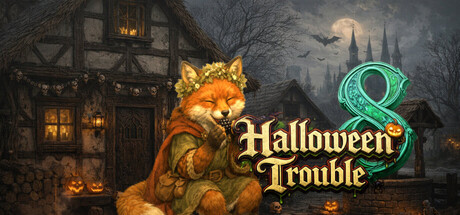
Halloween Trouble 8 utilizes generative artificial intelligence tools to assist in creating several elements of the game. Specifically, AI was used in the generation of:
Art & Visuals: Background environments, character portraits, and the in-game puzzle tiles and runes.
Audio: The game's musical soundtrack.
Narrative & Writing: The overarching story generation and descriptive in-game text.
Generative AI tools were used during development to create selected pre-generated textures, sound effects, and promotional artwork. These materials are used as individual components within the game and its marketing rather than being generated dynamically.
AI-assisted materials are selected, edited, adapted, composed, and integrated by the developer to fit the game's original visual and audio direction. The game's design, gameplay systems, implementation, world building, and overall creative direction are developed by the developer.
No generative AI is used during gameplay, and the game does not connect to external AI services while running.
Generative AI was used during development to assist with some text content and programming code, and to create some 3D models and textures used in the game. All AI-generated and AI-assisted content was reviewed and edited by the developer before being included in the game. Generative AI is not used to create content during gameplay.
In terms of art direction, AI was used as a supplementary tool for improvement; it was not a completely automated process from scratch, nor were AI-generated assets used directly.
In terms of music, AI generation was used directly.
Some AI was used to generate marketing images and in-game content, including music and art.
This game would not be possible for a 1-person studio without such tools.
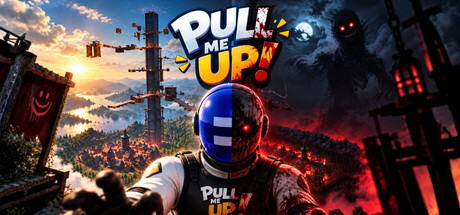
Generative AI was used during the development of Pull Me Up! to create some pre-generated content, including artwork used on the Steam store page, certain UI artwork in the game, and some written store page content. All AI-generated content was reviewed and integrated by the developer as part of the final game and store presentation.
Generative AI tools were used during development to assist in the creation and refinement of selected visual, audio and promotional assets.
All AI-assisted content is reviewed and curated by the development team before being included in the game or its marketing materials.
Some visual assets, icons, and artwork in this game were created or refined with the assistance of generative AI. All AI-generated content was reviewed, edited, and approved by the developer before being included in the game. No AI-generated content is created during gameplay, and the game does not rely on AI services while being played.
All textual copy, dialogue, and scripts in this game are entirely handcrafted and written by the developer without the use of AI. The background music and sound effects are licensed from Pixabay under commercial-use terms. Generative AI (Leonardo.ai) was utilized strictly to pre-generate initial CG illustrations and concept art, which were subsequently edited and refined manually by the developer before being built into the game.
Generative AI tools were used during development to create and refine some pre-generated visual and other game assets. All AI-assisted content was reviewed and edited by the developer before being included in the game. No AI content is generated during gameplay.
Some character voices in the game were generated using AI voice technology. AI was used only to generate pre-recorded character dialogue. No AI-generated content is created dynamically during gameplay.
Generative AI was used during development to assist in creating some pre-generated 2D artwork, including backgrounds, characters, fish/creatures, logos, and some marketing artwork. Generated assets were reviewed, selected, edited, and integrated by the developer. The game does not use generative AI to create content during gameplay.
We used generative AI tools during development to assist with some pre-rendered content: drafting store page text, producing UI layout mockups and some UI sprite assets, and generating base meshes for a portion of 3D props (which were then reviewed and edited by the team). All gameplay, code logic, and final art direction were created and approved by the developers. The game does not generate any content with AI at runtime.
Some in-game background decorations and wall art assets were created with the assistance of generative AI tools during development, followed by further review and processing by the development team.
All spoken voice lines in the game were created using AI text-to-speech (ElevenLabs) from scripts written by the developer. The generated audio was selected, edited and mixed by hand. Some sound effects use licensed stock audio. The game does not generate any content live at runtime — all AI-assisted content is pre-generated and reviewed before shipping.
Character portraits and environment artwork were generated using AI tools and reviewed, curated, and refined by the developer for final use. Narrator voice acting was generated using AI voice synthesis, directed and selected by the developer.
Generative AI tools were used as development assistance, including support for programming, text editing, brainstorming, and localization. The game's visual artwork and assets are created by the developer and do not use AI-generated images. Story concepts and final creative decisions are made and edited by the developer.
Marketing and Store Visuals: AI tools were utilized during the concept design and background detailing phases for the thumbnail images, posters, and promotional materials on the Steam store page.
Sound Design and Trailer Music: AI-powered sound and music production tools were used in the prototyping and production processes for the game’s promotional trailers and in-game atmospheric background sounds.
Text and Localization Support: AI assistants were used to edit store page descriptions, marketing copy, and language optimization.
The game will connect to an open-source local large language model that is already built into the game upon first launch, and use it during gameplay to generate NPC dialogues, host responses, and reasoning review feedback. Players may also choose to access compatible third‑party large language model APIs. The text generated at runtime is based on player questions and current story data.
Some pre-generated visual assets in the game were created or assisted with generative AI tools, including environment artwork, interface illustrations, textures, and source material used for certain 3D assets. All such material was reviewed, edited, integrated, and tested by the developer. The game does not generate AI content during gameplay or connect to external AI services while running.
Pre-generated AI tools were used for in-game character voice dubbing (such as voicemails and phone calls) as well as textures for interior framed pictures and props. All assets have been thoroughly reviewed to ensure there are no copyright infringements or unlawful elements.
The games code is made by AI, but everything else is made by the creator (story, models, design, animations, some textures and other stuff) and some assets are made by real people NOT AI (credits are in the end of the game)
The in-game images in this title were created using generative AI and then reviewed and edited by the developer. The story, scenario, and game design are the developer's own work.
Our team used AI tools to assist with improving some existing sketches and character elements, creating some background elements, and producing/ improving translations and character voices.
The vast majority of the game was created by our team without AI.
Generative AI tools were used during the creation of some visual materials for the game. These materials were subsequently manually edited, refined, and adapted to match the project’s visual style. The game does not generate AI content during gameplay.
Generative AI is used as a support tool during development, mainly to assist with the creation and iteration of some visual assets and promotional materials. All content is selected, edited, adapted, composed and implemented by the developer. No AI-generated content is created in real time during gameplay.
Generative AI-assisted tools were used during production to create and refine pre-generated visual artwork, synthesized voice-over, and elements of the narrative and English localization. All materials were reviewed and edited by the development team before inclusion. The game does not generate content during gameplay and does not connect to third-party AI services.
Generative AI tools were used during development to assist with brainstorming and editing some mission and other written content. All generated suggestions were reviewed and edited by me before inclusion in the game.
The code, the in-game text and its translations into six languages were written with the help of an AI assistant, then reviewed and edited by the developer.
No images or audio were AI-generated: all artwork is built from licensed photography, a licensed typeface and licensed icons, and all sound comes from a licensed royalty-free library. Full credits are in the game.
Nothing is generated while you play — the game makes no network requests at all.
Some of the textures and images in this game were created with the help of generative AI tools, and AI tools also assisted with the game's localization and store page text. All of this content was reviewed and edited by the developer before release.
Generative AI was used to assist with drafting and translating written text for the Steam store page and some in-game text. All AI-assisted text is reviewed and edited by the developer before use. No generative AI is used during gameplay, and the game contains no live-generated AI content.
Halloween Trouble 8 utilizes generative artificial intelligence tools to assist in creating several elements of the game. Specifically, AI was used in the generation of:
Art & Visuals: Background environments, character portraits, and the in-game puzzle tiles and runes.
Audio: The game's musical soundtrack.
Narrative & Writing: The overarching story generation and descriptive in-game text.
Generative AI tools were used during development to create selected pre-generated textures, sound effects, and promotional artwork. These materials are used as individual components within the game and its marketing rather than being generated dynamically.
AI-assisted materials are selected, edited, adapted, composed, and integrated by the developer to fit the game's original visual and audio direction. The game's design, gameplay systems, implementation, world building, and overall creative direction are developed by the developer.
No generative AI is used during gameplay, and the game does not connect to external AI services while running.
Generative AI was used during development to assist with some text content and programming code, and to create some 3D models and textures used in the game. All AI-generated and AI-assisted content was reviewed and edited by the developer before being included in the game. Generative AI is not used to create content during gameplay.
In terms of art direction, AI was used as a supplementary tool for improvement; it was not a completely automated process from scratch, nor were AI-generated assets used directly.
In terms of music, AI generation was used directly.
Some AI was used to generate marketing images and in-game content, including music and art.
This game would not be possible for a 1-person studio without such tools.
Generative AI was used during the development of Pull Me Up! to create some pre-generated content, including artwork used on the Steam store page, certain UI artwork in the game, and some written store page content. All AI-generated content was reviewed and integrated by the developer as part of the final game and store presentation.
Generative AI tools were used during development to assist in the creation and refinement of selected visual, audio and promotional assets.
All AI-assisted content is reviewed and curated by the development team before being included in the game or its marketing materials.
Some visual assets, icons, and artwork in this game were created or refined with the assistance of generative AI. All AI-generated content was reviewed, edited, and approved by the developer before being included in the game. No AI-generated content is created during gameplay, and the game does not rely on AI services while being played.
All textual copy, dialogue, and scripts in this game are entirely handcrafted and written by the developer without the use of AI. The background music and sound effects are licensed from Pixabay under commercial-use terms. Generative AI (Leonardo.ai) was utilized strictly to pre-generate initial CG illustrations and concept art, which were subsequently edited and refined manually by the developer before being built into the game.
Generative AI tools were used during development to create and refine some pre-generated visual and other game assets. All AI-assisted content was reviewed and edited by the developer before being included in the game. No AI content is generated during gameplay.
Some character voices in the game were generated using AI voice technology. AI was used only to generate pre-recorded character dialogue. No AI-generated content is created dynamically during gameplay.
Generative AI was used during development to assist in creating some pre-generated 2D artwork, including backgrounds, characters, fish/creatures, logos, and some marketing artwork. Generated assets were reviewed, selected, edited, and integrated by the developer. The game does not use generative AI to create content during gameplay.
We used generative AI tools during development to assist with some pre-rendered content: drafting store page text, producing UI layout mockups and some UI sprite assets, and generating base meshes for a portion of 3D props (which were then reviewed and edited by the team). All gameplay, code logic, and final art direction were created and approved by the developers. The game does not generate any content with AI at runtime.
Some in-game background decorations and wall art assets were created with the assistance of generative AI tools during development, followed by further review and processing by the development team.
All spoken voice lines in the game were created using AI text-to-speech (ElevenLabs) from scripts written by the developer. The generated audio was selected, edited and mixed by hand. Some sound effects use licensed stock audio. The game does not generate any content live at runtime — all AI-assisted content is pre-generated and reviewed before shipping.
Character portraits and environment artwork were generated using AI tools and reviewed, curated, and refined by the developer for final use. Narrator voice acting was generated using AI voice synthesis, directed and selected by the developer.
Generative AI tools were used as development assistance, including support for programming, text editing, brainstorming, and localization. The game's visual artwork and assets are created by the developer and do not use AI-generated images. Story concepts and final creative decisions are made and edited by the developer.
Marketing and Store Visuals: AI tools were utilized during the concept design and background detailing phases for the thumbnail images, posters, and promotional materials on the Steam store page.
Sound Design and Trailer Music: AI-powered sound and music production tools were used in the prototyping and production processes for the game’s promotional trailers and in-game atmospheric background sounds.
Text and Localization Support: AI assistants were used to edit store page descriptions, marketing copy, and language optimization.
The game will connect to an open-source local large language model that is already built into the game upon first launch, and use it during gameplay to generate NPC dialogues, host responses, and reasoning review feedback. Players may also choose to access compatible third‑party large language model APIs. The text generated at runtime is based on player questions and current story data.
Some pre-generated visual assets in the game were created or assisted with generative AI tools, including environment artwork, interface illustrations, textures, and source material used for certain 3D assets. All such material was reviewed, edited, integrated, and tested by the developer. The game does not generate AI content during gameplay or connect to external AI services while running.
Pre-generated AI tools were used for in-game character voice dubbing (such as voicemails and phone calls) as well as textures for interior framed pictures and props. All assets have been thoroughly reviewed to ensure there are no copyright infringements or unlawful elements.
The games code is made by AI, but everything else is made by the creator (story, models, design, animations, some textures and other stuff) and some assets are made by real people NOT AI (credits are in the end of the game)
The in-game images in this title were created using generative AI and then reviewed and edited by the developer. The story, scenario, and game design are the developer's own work.
Our team used AI tools to assist with improving some existing sketches and character elements, creating some background elements, and producing/ improving translations and character voices.
The vast majority of the game was created by our team without AI.
Generative AI tools were used during the creation of some visual materials for the game. These materials were subsequently manually edited, refined, and adapted to match the project’s visual style. The game does not generate AI content during gameplay.
Generative AI is used as a support tool during development, mainly to assist with the creation and iteration of some visual assets and promotional materials. All content is selected, edited, adapted, composed and implemented by the developer. No AI-generated content is created in real time during gameplay.
Generative AI-assisted tools were used during production to create and refine pre-generated visual artwork, synthesized voice-over, and elements of the narrative and English localization. All materials were reviewed and edited by the development team before inclusion. The game does not generate content during gameplay and does not connect to third-party AI services.
Generative AI tools were used during development to assist with brainstorming and editing some mission and other written content. All generated suggestions were reviewed and edited by me before inclusion in the game.
The code, the in-game text and its translations into six languages were written with the help of an AI assistant, then reviewed and edited by the developer.
No images or audio were AI-generated: all artwork is built from licensed photography, a licensed typeface and licensed icons, and all sound comes from a licensed royalty-free library. Full credits are in the game.
Nothing is generated while you play — the game makes no network requests at all.
Some of the textures and images in this game were created with the help of generative AI tools, and AI tools also assisted with the game's localization and store page text. All of this content was reviewed and edited by the developer before release.
Generative AI was used to assist with drafting and translating written text for the Steam store page and some in-game text. All AI-assisted text is reviewed and edited by the developer before use. No generative AI is used during gameplay, and the game contains no live-generated AI content.