Public Steam disclosure research25,376 disclosures tracked
Where do games disclose AI use?
Search developers’ Steam disclosures, compare classified AI use across
games, and follow recorded changes.
This index adds cross-game classifications and statistics to
statements published on individual store pages.
Groups reflect automatic analysis of public disclosures; mature records are excluded. These counts do not measure AI use across all of Steam.
Missing or unclear statements cannot establish whether a game uses AI.
Some 3D character and creature models in this game were created with AI-assisted generation tools (Meshy) as a starting point, then hand-finished, rigged, textured, and integrated by the developer in Blender and Unity. Some quest dialogue text was also written with AI assistance and edited by the developer before being included in the game. No content is generated in real time during gameplay — everything players see is fixed at build time and has been reviewed and edited by hand.
We do not use AI generated images in the game. However, it's possible some images in the game could be interpreted as AI generated images. If you suspect some of images looks like AI generated images, please contact us through e-mail so we can make necessary adjustments.
Our workflow involves using store bought and legally acquired free 3D assets to render those assets into 2D images. We also use a few free photographs to serve as background images for certain scenes. Those 2D images are then touch-up using free image editing software. We also bought a few 2D art assets from reputable creators. We provide a list of most of 3D and 2D assets we used in the game in credits section in the game.
Some visual assets and promotional materials were created or assisted using generative AI tools and have been reviewed, modified, and integrated by the developer.
All gameplay, programming, level design, and game logic were created and implemented by the developer.
Some of the sprites and marketing material started as AI-generated art that was processed and reworked by hand before use. No content is generated by AI while the game is running.
This game was developed with the assistance of generative AI tools during the development process. Generative AI was used to help produce elements of the game's code, artwork, and music. All AI-assisted output was reviewed, edited, and curated by our team before being included in the final game, ensuring it met our creative and quality standards.
We use AI tools as part of our developer workflow, in some cases for generative textures, 2D or 3D placeholders, in other cases for actual designs to be used in the game, this can also be a mix of both.
AI-assisted development tools were used during production to help write game code, in-game text, and the English localization. All AI-assisted content was reviewed and tested by the developer.
Generative AI tools were used during development to assist with the creation and iteration of some visual assets and promotional artwork. All final assets are curated, reviewed and further edited or iterated on by the developer. AI-assisted development tools are also used for programming. No AI-generated content is created during gameplay.
During the development process, we may use procedural and AI-based tools to assist with content creation. In all such cases, the final product reflects the creativity and expression of our own development team.
AI-assistive tools were used for development support, including prototyping, coding, testing, documentation, and workflows; all player-facing creative content such as Art, UI, VFX, music, voice acting, and marketing materials was created by human developers and artists.
Generative AI was used during development to assist with the creation of some visual and promotional assets, including artwork used on the Steam store page and marketing materials. All AI-assisted content was reviewed and curated by the developer. No generative AI is used during gameplay.
The store artwork (capsules and key art) was generated with an image model and then composed, cropped and combined with our own logo by hand. The game's ambient background music tracks were generated with an AI music tool and edited afterwards.
Generative AI was used only to assist with drafting and translating written text for the Steam store page. No in-game artwork, audio, gameplay assets, or runtime content is generated by AI.
Generative AI was used strictly for the creation of marketing materials and store page capsule artwork. All in-game assets, including pixel art character sprites, environment tiles, animations, music, and source code, were 100% human-created.
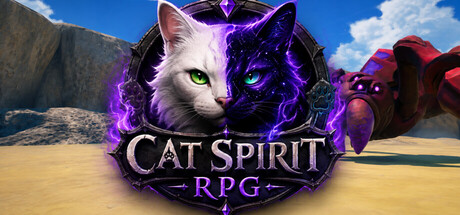
Cat Spirit RPG uses generative AI tools during development to assist with the creation and iteration of some pre-generated visual assets and promotional artwork. All AI-assisted content is reviewed, edited, and refined by the development team to ensure it meets the game's established quality standards and creative direction before being included in the game or its marketing materials.
The game does not generate AI content during gameplay.
We use about 15 seconds of AI footage in our trailer. All assets in the game are human authored.
We also use a local, small and offline LLM (meaning: no data ever leaves your computer, and it does not cause significant performance drops) as a Director that controls: enemy spawn and frequency of challenges, essentially choosing when to press with difficulty and when to hold the challenge based on parameters such as player frustration, boredom and an emergence metric.
This mechanic does not generate any text, narrative or story: it is just a mechanic that controls game balance to ensure the best challenge. And you can turn it off on the settings menu, if you want.
Some of the game's visual assets (tilesets, textures, sprites) were created with the assistance of AI image generation tools (PixelLab), then manually edited and integrated by the developer. No AI is used to generate content at runtime or during gameplay.
Generative AI tools were used during development to assist with refining some text, code, and images. Some in-game textures were also generated using AI. All AI-assisted content was reviewed, edited, and integrated by the developer. The game does not generate AI content during gameplay.
Generative AI tools have been used in a limited capacity to assist with pre-generated promotional content. All AI-assisted material is reviewed and curated by the developer. No generative AI is used during gameplay, and the game does not connect to external AI services.
Parts of this game were made with AI assistance. AI-assisted coding was used during development, and some artwork was AI-generated and then edited by hand. The design, the systems and the writing are my own.
Generative AI was used as a development aid to create and modify program code, produce some visual assets, and draft localized text. All AI-generated content has been reviewed, edited, and adjusted by the developer. No AI content is generated while the game is running.
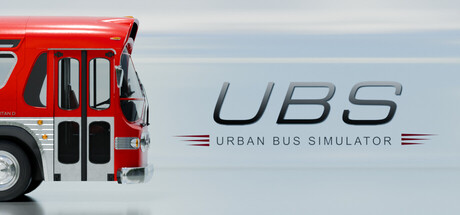
Urban Bus Simulator includes some content created with the assistance of generative AI. AI-generated content is used for certain HUD elements, menu/interface visuals, and promotional or illustrative images related to vehicle brands. These AI-generated assets are used as part of the game's visual presentation and user interface.
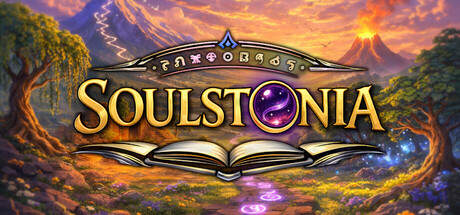
Generative AI tools were used during development to assist with creating and refining select 2D artwork, icons, and marketing materials, as well as game and marketing copy localization. All AI-assisted content is reviewed, edited, and curated by the developer before being included in the game. Soulstonia does not use generative AI to create content live during gameplay.
Generative AI was used as a development aid for some pre-generated marketing artwork, concept artwork, localization drafts, and selected visual assets. All AI-assisted content was reviewed and edited by the developer before inclusion. The game does not generate AI content during gameplay or connect to external AI services.
Generative AI tools were used during development to assist with the creation of selected promotional artwork and Steam store graphical assets. These assets were reviewed and curated by the development team before being used. The game does not currently use live generative AI during gameplay.
Generative AI was used during development to assist in the creation of the game’s logo as a pre-rendered marketing asset.
No generative AI is used during gameplay, and no AI-generated content is created or shown to players while playing the game.
Generative AI was used to create some visual assets for the Steam store page and promotional materials. AI is not used to generate content, gameplay, or code in real time during gameplay.
Uses voice cloning by Speechify.
Uses AI generated images uploaded by other users to Pixabay when there wasn't a better alternative available.
Most such images are for character portraits and similar placeholder assets of secondary importance.
There is no prompt or direct AI usage.
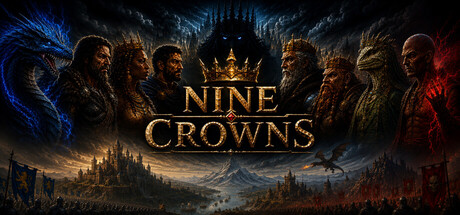
Nine Crowns uses generative AI as part of its art development process. AI-assisted tools are used to create and refine some character art, environments, sprites, and promotional artwork. These assets are selected, directed, edited, and reviewed by the development team before being included in the game. No AI content is generated during gameplay.
Part of the program code, art materials, and text content in this work were created using generative artificial intelligence and have been manually reviewed and adjusted to ensure a seamless gaming experience. During gameplay, AI does not generate content in real-time, all content is pre generated.
Generative AI was used to assist with drafting and editing portions of the Steam store page description and marketing copy. All AI-assisted text was reviewed, revised, and approved by the development team before publication. No AI-generated content is used during gameplay.
AI tools were used during development to assist with asset creation, texture generation, and development workflows. All AI-generated content was reviewed, modified, and curated by the development team.
Este jogo foi desenvolvido por um único criador com o auxílio de Inteligência Artificial (IA) no processo de programação e na criação de alguns efeitos sonoros e áudios.
Todas as artes, imagens, sprites e frames dentro do jogo foram criados inteiramente à mão, sem qualquer uso de IA.
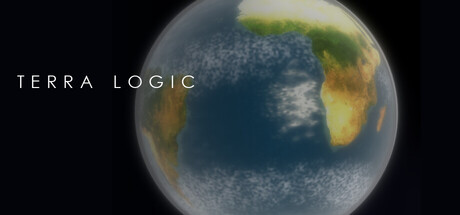
All simulation, art, audio and text in Terra Logic are hand-made — the game ships with no AI-generated content and makes no network requests by default. One optional feature can generate text at runtime: the "whisper" narrator, a single one-line ambient caption. By default it composes lines from a built-in, hand-written phrase library. Players who supply their own Anthropic (Claude) API key in a local config file may enable AI-generated phrasing for that one caption line; without a key the AI path is fully inactive. AI output never affects simulation, gameplay, art, audio, or any other text.
Some visual artwork used in the game and promotional materials was created with generative AI tools and then selected, edited, and integrated by the developer. No generative AI content is created during gameplay.
Some 3D character and creature models in this game were created with AI-assisted generation tools (Meshy) as a starting point, then hand-finished, rigged, textured, and integrated by the developer in Blender and Unity. Some quest dialogue text was also written with AI assistance and edited by the developer before being included in the game. No content is generated in real time during gameplay — everything players see is fixed at build time and has been reviewed and edited by hand.
We do not use AI generated images in the game. However, it's possible some images in the game could be interpreted as AI generated images. If you suspect some of images looks like AI generated images, please contact us through e-mail so we can make necessary adjustments.
Our workflow involves using store bought and legally acquired free 3D assets to render those assets into 2D images. We also use a few free photographs to serve as background images for certain scenes. Those 2D images are then touch-up using free image editing software. We also bought a few 2D art assets from reputable creators. We provide a list of most of 3D and 2D assets we used in the game in credits section in the game.
Some visual assets and promotional materials were created or assisted using generative AI tools and have been reviewed, modified, and integrated by the developer.
All gameplay, programming, level design, and game logic were created and implemented by the developer.
Some of the sprites and marketing material started as AI-generated art that was processed and reworked by hand before use. No content is generated by AI while the game is running.
This game was developed with the assistance of generative AI tools during the development process. Generative AI was used to help produce elements of the game's code, artwork, and music. All AI-assisted output was reviewed, edited, and curated by our team before being included in the final game, ensuring it met our creative and quality standards.
We use AI tools as part of our developer workflow, in some cases for generative textures, 2D or 3D placeholders, in other cases for actual designs to be used in the game, this can also be a mix of both.
AI-assisted development tools were used during production to help write game code, in-game text, and the English localization. All AI-assisted content was reviewed and tested by the developer.
Generative AI tools were used during development to assist with the creation and iteration of some visual assets and promotional artwork. All final assets are curated, reviewed and further edited or iterated on by the developer. AI-assisted development tools are also used for programming. No AI-generated content is created during gameplay.
During the development process, we may use procedural and AI-based tools to assist with content creation. In all such cases, the final product reflects the creativity and expression of our own development team.
AI-assistive tools were used for development support, including prototyping, coding, testing, documentation, and workflows; all player-facing creative content such as Art, UI, VFX, music, voice acting, and marketing materials was created by human developers and artists.
Generative AI was used during development to assist with the creation of some visual and promotional assets, including artwork used on the Steam store page and marketing materials. All AI-assisted content was reviewed and curated by the developer. No generative AI is used during gameplay.
The store artwork (capsules and key art) was generated with an image model and then composed, cropped and combined with our own logo by hand. The game's ambient background music tracks were generated with an AI music tool and edited afterwards.
Generative AI was used only to assist with drafting and translating written text for the Steam store page. No in-game artwork, audio, gameplay assets, or runtime content is generated by AI.
Generative AI was used strictly for the creation of marketing materials and store page capsule artwork. All in-game assets, including pixel art character sprites, environment tiles, animations, music, and source code, were 100% human-created.
Cat Spirit RPG uses generative AI tools during development to assist with the creation and iteration of some pre-generated visual assets and promotional artwork. All AI-assisted content is reviewed, edited, and refined by the development team to ensure it meets the game's established quality standards and creative direction before being included in the game or its marketing materials.
The game does not generate AI content during gameplay.
We use about 15 seconds of AI footage in our trailer. All assets in the game are human authored.
We also use a local, small and offline LLM (meaning: no data ever leaves your computer, and it does not cause significant performance drops) as a Director that controls: enemy spawn and frequency of challenges, essentially choosing when to press with difficulty and when to hold the challenge based on parameters such as player frustration, boredom and an emergence metric.
This mechanic does not generate any text, narrative or story: it is just a mechanic that controls game balance to ensure the best challenge. And you can turn it off on the settings menu, if you want.
Some of the game's visual assets (tilesets, textures, sprites) were created with the assistance of AI image generation tools (PixelLab), then manually edited and integrated by the developer. No AI is used to generate content at runtime or during gameplay.
Generative AI tools were used during development to assist with refining some text, code, and images. Some in-game textures were also generated using AI. All AI-assisted content was reviewed, edited, and integrated by the developer. The game does not generate AI content during gameplay.
Generative AI tools have been used in a limited capacity to assist with pre-generated promotional content. All AI-assisted material is reviewed and curated by the developer. No generative AI is used during gameplay, and the game does not connect to external AI services.
Parts of this game were made with AI assistance. AI-assisted coding was used during development, and some artwork was AI-generated and then edited by hand. The design, the systems and the writing are my own.
Generative AI was used as a development aid to create and modify program code, produce some visual assets, and draft localized text. All AI-generated content has been reviewed, edited, and adjusted by the developer. No AI content is generated while the game is running.
Urban Bus Simulator includes some content created with the assistance of generative AI. AI-generated content is used for certain HUD elements, menu/interface visuals, and promotional or illustrative images related to vehicle brands. These AI-generated assets are used as part of the game's visual presentation and user interface.
Generative AI tools were used during development to assist with creating and refining select 2D artwork, icons, and marketing materials, as well as game and marketing copy localization. All AI-assisted content is reviewed, edited, and curated by the developer before being included in the game. Soulstonia does not use generative AI to create content live during gameplay.
Generative AI was used as a development aid for some pre-generated marketing artwork, concept artwork, localization drafts, and selected visual assets. All AI-assisted content was reviewed and edited by the developer before inclusion. The game does not generate AI content during gameplay or connect to external AI services.
Generative AI tools were used during development to assist with the creation of selected promotional artwork and Steam store graphical assets. These assets were reviewed and curated by the development team before being used. The game does not currently use live generative AI during gameplay.
Generative AI was used during development to assist in the creation of the game’s logo as a pre-rendered marketing asset.
No generative AI is used during gameplay, and no AI-generated content is created or shown to players while playing the game.
Generative AI was used to create some visual assets for the Steam store page and promotional materials. AI is not used to generate content, gameplay, or code in real time during gameplay.
Uses voice cloning by Speechify.
Uses AI generated images uploaded by other users to Pixabay when there wasn't a better alternative available.
Most such images are for character portraits and similar placeholder assets of secondary importance.
There is no prompt or direct AI usage.
Nine Crowns uses generative AI as part of its art development process. AI-assisted tools are used to create and refine some character art, environments, sprites, and promotional artwork. These assets are selected, directed, edited, and reviewed by the development team before being included in the game. No AI content is generated during gameplay.
Part of the program code, art materials, and text content in this work were created using generative artificial intelligence and have been manually reviewed and adjusted to ensure a seamless gaming experience. During gameplay, AI does not generate content in real-time, all content is pre generated.
Generative AI was used to assist with drafting and editing portions of the Steam store page description and marketing copy. All AI-assisted text was reviewed, revised, and approved by the development team before publication. No AI-generated content is used during gameplay.
AI tools were used during development to assist with asset creation, texture generation, and development workflows. All AI-generated content was reviewed, modified, and curated by the development team.
Este jogo foi desenvolvido por um único criador com o auxílio de Inteligência Artificial (IA) no processo de programação e na criação de alguns efeitos sonoros e áudios.
Todas as artes, imagens, sprites e frames dentro do jogo foram criados inteiramente à mão, sem qualquer uso de IA.
All simulation, art, audio and text in Terra Logic are hand-made — the game ships with no AI-generated content and makes no network requests by default. One optional feature can generate text at runtime: the "whisper" narrator, a single one-line ambient caption. By default it composes lines from a built-in, hand-written phrase library. Players who supply their own Anthropic (Claude) API key in a local config file may enable AI-generated phrasing for that one caption line; without a key the AI path is fully inactive. AI output never affects simulation, gameplay, art, audio, or any other text.
Some visual artwork used in the game and promotional materials was created with generative AI tools and then selected, edited, and integrated by the developer. No generative AI content is created during gameplay.