Public Steam disclosure research25,376 disclosures tracked
Where do games disclose AI use?
Search developers’ Steam disclosures, compare classified AI use across
games, and follow recorded changes.
This index adds cross-game classifications and statistics to
statements published on individual store pages.
Groups reflect automatic analysis of public disclosures; mature records are excluded. These counts do not measure AI use across all of Steam.
Missing or unclear statements cannot establish whether a game uses AI.
Pre-generated content only; nothing is generated at runtime. Some sound effects, Some textures and images, The in-game dialogue and the Spanish/English texts were written with the help of an AI assistant and reviewed by the developer.
This game uses generative artificial intelligence to assist in the creation of its original soundtrack.
All tracks were composed with AI support, resulting in a music selection inspired by J-Rock, K-Pop, electronic music, and classic football games from the 90s/2000s. The goal was to deliver an energetic, nostalgic, and vibrant atmosphere that perfectly matches the 2.5D pixel art aesthetic of Free Kick.
Artificial intelligence was used exclusively as a production tool during development. The soundtrack is not generated in real time and does not dynamically adapt to match conditions — all tracks are fixed, curated, and manually integrated to ensure quality and consistency throughout the experience.
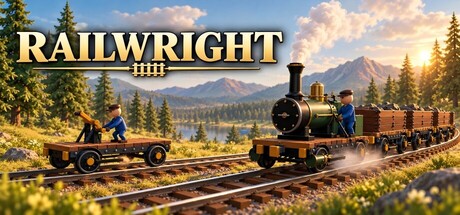
Generative AI tools were used to assist in creating and iterating on selected promotional artwork and graphical assets for Railwright, including materials used on the Steam store page and related marketing. Gameplay screenshots shown on the store page are captured from the actual game. Railwright does not use generative AI to generate content during gameplay.
Generative AI tools were used to assist in the creation and refinement of some pre-rendered artwork and interface elements. AI-generated music is also used, and AI tools assisted with store-page text and localization. All AI-assisted content was selected, edited, and reviewed by the developer. The game does not generate AI content during gameplay.
Generative AI was used to create various visual assets, character and environment designs, UI elements, promotional materials, and written content. Music was not generated using AI.
We used AI as a supporting tool to translate and proofread the in-game text. Every translation was reviewed and adjusted by our team before it went into the game.
AI-assisted tools were used during development to help create visual assets. These assets are included as finished content; the game does not use generative AI during gameplay.
This game was made with the help of generative AI.
AI tools were used during development to create visual assets, sound and music, parts
of the source code, and the translations of this page and the in-game text. Everything
was chosen, edited and assembled by hand before release.
Nothing is generated while you play — all content ships with the game.
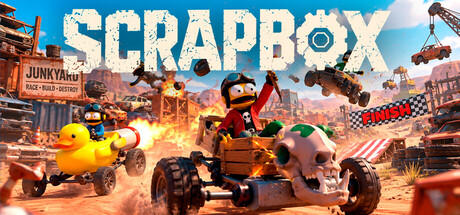
Generative AI tools were used during the development of SCRAPBOX to assist with programming, UI design, voice acting, music, and the creation of some 3D models and other game assets. The game does not generate AI content during gameplay.
AI is used solely to assist with development, such as for some localization and the creation of internal tools.
The game does not include any features that automatically generate content in real-time during gameplay.
AI tools helped write the store page text and translate the game's text into other languages. The game's artwork and gameplay are not AI-generated, and nothing is generated by AI while you play.
Generative AI was used as an assistive development tool for programming, debugging and technical problem solving. Some developer created 2D concepts may also be refined using generative AI. Final creative direction, editing, implementation, game design and level design are handled by the developer.
Generative AI tools were used during development to assist with the creation of some 2D visual assets and development-related content. All AI-assisted content is reviewed and integrated by the development team.
Generative AI tools were used to assist in creating some of this game's artwork and store page imagery, and to assist with translating its text into the supported languages. All translations were reviewed before shipping.
No content is generated by AI during gameplay.
Generative AI tools were used during development to help write portions of the game's code and create some UI elements and store promotional materials. These materials were created before release. The game does not generate content with AI during gameplay.
- Localization (translation) of in-game text from the original Japanese into [English, Chinese, etc.]The original Japanese text was written by the developer without AI. All AI-generated translations were reviewed and adjusted by the developer before being included in the game. If you find any translation issues, please let us know via the Steam discussions.
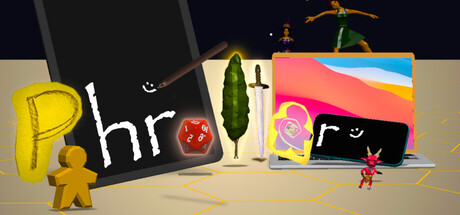
As with most VTT systems, users are welcome to import assets made anywhere. Phroller makes it easier than ever. You can just drag the image or model files into the VTT directly from your browser or file system!
I want to encourage supporting real artists where we can though. As such I do my best to collaborate with real creatives on the vast Phroller libraries. Each one of the assets in the library has a field showing the artist behind it. If you like their work, please consider checking them out. Many of them are open for commissions as well! However, I cannot guarantee that assets or part of those assets were created with no AI use at all. A large amount of the assets are made before 2022 though, so we should be safe there.
While I do my best to make Phroller as user friendly as possible, it does still require a ton of instructions and manuals. Frontier models are used to keep some of the text up to date across rapid early access development. Sorry if it sounds robotic!
Generative AI tools assisted development and the creation of promotional artwork and some written content. Screenshots and gameplay footage show the actual game. No AI content is generated during gameplay, and the game does not connect to external AI services.
AI models have been used to validate, optimize, rank and test the puzzles and the simulation engine. Soundtrack is procedurally generated music using the same engine that simulates the electronics, powered by the C~ language.
Generative AI tools were used to create some pre-generated static artwork displayed as mission images in the campaign menu. All gameplay visuals, screenshots, and gameplay footage are rendered directly from the game. No AI-generated content is created during gameplay
Generative AI assisted with promotional/key artwork, icons, interface content, and portions of written catalogue and store-page text during development. These assets and text were selected and edited during development. The game does not generate AI content during gameplay and does not connect to an AI service. Generated artwork is illustrative and is not presented as documentary imagery.
HYALOSFALL uses generative AI in part of its audio and text.
Music. The eleven soundtrack recordings were created with Suno by the developer, under a paid subscription that grants commercial rights. The fallback synthesiser melodies — played when a recording is unavailable — are derived from those same pieces.
Translations. The in-game text was translated into twelve languages with AI assistance. The Spanish source text is written by hand.
Store and marketing material. The trailer music was created with Suno, and the studio intro animation with Grok.
Everything else is not AI-generated. The 3D models, textures, visual effects, sound effects and level designs are produced by the project's own code and tools.
Nothing is generated while you play. The game ships no AI models and makes no network connections.
This game contains some images, videos, audio, text, and 3D assets created using generative AI. Generative AI is not used to generate content or code in real time during gameplay.
Some images were created with AI image generation: the crew portraits, loading-screen image, and the current store capsule artwork and logo (commissioned artwork will replace the capsule). The game's code was written with AI coding assistants under the developer's direction; ships, weapons and effects are drawn procedurally by that code. All in-game text is written by the developer.
Pre-generated content only; nothing is generated at runtime. Some sound effects, Some textures and images, The in-game dialogue and the Spanish/English texts were written with the help of an AI assistant and reviewed by the developer.
This game uses generative artificial intelligence to assist in the creation of its original soundtrack.
All tracks were composed with AI support, resulting in a music selection inspired by J-Rock, K-Pop, electronic music, and classic football games from the 90s/2000s. The goal was to deliver an energetic, nostalgic, and vibrant atmosphere that perfectly matches the 2.5D pixel art aesthetic of Free Kick.
Artificial intelligence was used exclusively as a production tool during development. The soundtrack is not generated in real time and does not dynamically adapt to match conditions — all tracks are fixed, curated, and manually integrated to ensure quality and consistency throughout the experience.
Generative AI tools were used to assist in creating and iterating on selected promotional artwork and graphical assets for Railwright, including materials used on the Steam store page and related marketing. Gameplay screenshots shown on the store page are captured from the actual game. Railwright does not use generative AI to generate content during gameplay.
Generative AI tools were used to assist in the creation and refinement of some pre-rendered artwork and interface elements. AI-generated music is also used, and AI tools assisted with store-page text and localization. All AI-assisted content was selected, edited, and reviewed by the developer. The game does not generate AI content during gameplay.
Generative AI was used to create various visual assets, character and environment designs, UI elements, promotional materials, and written content. Music was not generated using AI.
We used AI as a supporting tool to translate and proofread the in-game text. Every translation was reviewed and adjusted by our team before it went into the game.
AI-assisted tools were used during development to help create visual assets. These assets are included as finished content; the game does not use generative AI during gameplay.
This game was made with the help of generative AI.
AI tools were used during development to create visual assets, sound and music, parts
of the source code, and the translations of this page and the in-game text. Everything
was chosen, edited and assembled by hand before release.
Nothing is generated while you play — all content ships with the game.
Generative AI tools were used during the development of SCRAPBOX to assist with programming, UI design, voice acting, music, and the creation of some 3D models and other game assets. The game does not generate AI content during gameplay.
AI is used solely to assist with development, such as for some localization and the creation of internal tools.
The game does not include any features that automatically generate content in real-time during gameplay.
AI tools helped write the store page text and translate the game's text into other languages. The game's artwork and gameplay are not AI-generated, and nothing is generated by AI while you play.
Generative AI was used as an assistive development tool for programming, debugging and technical problem solving. Some developer created 2D concepts may also be refined using generative AI. Final creative direction, editing, implementation, game design and level design are handled by the developer.
Generative AI tools were used during development to assist with the creation of some 2D visual assets and development-related content. All AI-assisted content is reviewed and integrated by the development team.
Generative AI tools were used to assist in creating some of this game's artwork and store page imagery, and to assist with translating its text into the supported languages. All translations were reviewed before shipping.
No content is generated by AI during gameplay.
Generative AI tools were used during development to help write portions of the game's code and create some UI elements and store promotional materials. These materials were created before release. The game does not generate content with AI during gameplay.
- Localization (translation) of in-game text from the original Japanese into [English, Chinese, etc.]The original Japanese text was written by the developer without AI. All AI-generated translations were reviewed and adjusted by the developer before being included in the game. If you find any translation issues, please let us know via the Steam discussions.
As with most VTT systems, users are welcome to import assets made anywhere. Phroller makes it easier than ever. You can just drag the image or model files into the VTT directly from your browser or file system!
I want to encourage supporting real artists where we can though. As such I do my best to collaborate with real creatives on the vast Phroller libraries. Each one of the assets in the library has a field showing the artist behind it. If you like their work, please consider checking them out. Many of them are open for commissions as well! However, I cannot guarantee that assets or part of those assets were created with no AI use at all. A large amount of the assets are made before 2022 though, so we should be safe there.
While I do my best to make Phroller as user friendly as possible, it does still require a ton of instructions and manuals. Frontier models are used to keep some of the text up to date across rapid early access development. Sorry if it sounds robotic!
Generative AI tools assisted development and the creation of promotional artwork and some written content. Screenshots and gameplay footage show the actual game. No AI content is generated during gameplay, and the game does not connect to external AI services.
AI models have been used to validate, optimize, rank and test the puzzles and the simulation engine. Soundtrack is procedurally generated music using the same engine that simulates the electronics, powered by the C~ language.
Generative AI tools were used to create some pre-generated static artwork displayed as mission images in the campaign menu. All gameplay visuals, screenshots, and gameplay footage are rendered directly from the game. No AI-generated content is created during gameplay
Generative AI assisted with promotional/key artwork, icons, interface content, and portions of written catalogue and store-page text during development. These assets and text were selected and edited during development. The game does not generate AI content during gameplay and does not connect to an AI service. Generated artwork is illustrative and is not presented as documentary imagery.
HYALOSFALL uses generative AI in part of its audio and text.
Music. The eleven soundtrack recordings were created with Suno by the developer, under a paid subscription that grants commercial rights. The fallback synthesiser melodies — played when a recording is unavailable — are derived from those same pieces.
Translations. The in-game text was translated into twelve languages with AI assistance. The Spanish source text is written by hand.
Store and marketing material. The trailer music was created with Suno, and the studio intro animation with Grok.
Everything else is not AI-generated. The 3D models, textures, visual effects, sound effects and level designs are produced by the project's own code and tools.
Nothing is generated while you play. The game ships no AI models and makes no network connections.
This game contains some images, videos, audio, text, and 3D assets created using generative AI. Generative AI is not used to generate content or code in real time during gameplay.
Some images were created with AI image generation: the crew portraits, loading-screen image, and the current store capsule artwork and logo (commissioned artwork will replace the capsule). The game's code was written with AI coding assistants under the developer's direction; ships, weapons and effects are drawn procedurally by that code. All in-game text is written by the developer.