Public Steam disclosure research27,952 disclosures tracked
Where do games disclose AI use?
Search developers’ Steam disclosures, compare classified AI use across
games, and follow recorded changes.
This index adds cross-game classifications and statistics to
statements published on individual store pages.
Groups reflect automatic analysis of public disclosures; mature records are excluded. These counts do not measure AI use across all of Steam.
Missing or unclear statements cannot establish whether a game uses AI.
Generative AI was used during the development of Pull Me Up! to create some pre-generated content, including artwork used on the Steam store page, certain UI artwork in the game, and some written store page content. All AI-generated content was reviewed and integrated by the developer as part of the final game and store presentation.
Some visual assets, icons, and artwork in this game were created or refined with the assistance of generative AI. All AI-generated content was reviewed, edited, and approved by the developer before being included in the game. No AI-generated content is created during gameplay, and the game does not rely on AI services while being played.
Parts of this store page description, along with the in-game achievement names and descriptions, were drafted with the help of an AI assistant and then reviewed and edited by the developer. All artwork, animation, music, sound design, level design and gameplay content in Boomfrog was made by hand or generated procedurally in code. The game does not use generative AI while you play. Nothing in Boomfrog is created or altered by AI at runtime.
This game uses AI-generated images for some of its backgrounds, obstacles, collectible items, UI, fonts, logo, and visual effects, and an AI-generated sound effect on the results screen. Character designs were primarily hand-drawn by REBORNSMITH's designers, with generative AI used as an assistive tool in places. Generative AI tools were also used for some of the background music and parts of the promotional trailer. All AI-assisted content was reviewed and edited by our team. The game does not generate any images, audio, or text with AI during gameplay.
This game uses a large language model to generate the AI companion’s dialogue and ending titles in real time. Dialogue responses are generated based on player input and conversation context. Generative AI tools were also used to help create or edit some store and promotional artwork and assist with text translation and localization.
Some voice lines, sound effects, and music in the game and its trailer were
created with generative AI tools (ElevenLabs, Suno), then reviewed, edited,
and finalized by the developer. No content is generated by AI during gameplay.
WICKLING was built with AI assistance. Generative AI was used during development to help write the game's code, its pixel art, its level layouts and some of its writing, and to help produce this store page and its artwork.
The soundtrack is not AI-generated. Every note is a hand-written 2A03 chiptune, synthesised by the game as it runs rather than played back from audio files, which is why the horror systems can bend the music live.
Nothing in WICKLING is generated while you play. Every level, sprite, line of text and piece of music is fixed and identical for every player, and the game makes no network requests of any kind.
Generative AI tools were used during development to assist in creating some environmental artwork, textures, and 3D models. The generated assets were subsequently selected, edited, optimized, and integrated into the game by the developer. No generative AI is used during gameplay.
I leveraged AI tools to bring my game concept to life, with AI assistance in coding, artwork, and the Steam store page. I want to assure you that this game was built through genuine collaboration between myself and AI—working together to create a better, more enjoyable experience.
Generative AI tools were used to support the creation of some visual assets and 3D models. Some of this content was later manually modified or adapted by the developer before being included in the final version of the game.
Generative AI tools were used to assist in the creation of some visual assets, 3D assets, and music used in the game. All AI-assisted content was reviewed, edited, and integrated by the developer before being included in the final game.
AI is used for programming assistance, for generating in-game sound effects and music, and for drafting store page text. All 3D art assets and level design are created by hand in Blender.
Some visual assets, sound effects, and music in Wondernauts were created with the help of generative AI tools during development, then refined, validated, and integrated by the development team. All gameplay logic and game systems are human-authored.
Generative AI tools were used during development to assist with the creation and iteration of some visual assets and promotional artwork. All final assets are curated, reviewed and further edited or iterated on by the developer. AI-assisted development tools are also used for programming. No AI-generated content is created during gameplay.
Generative AI tools were used during development to assist with the creation and iteration of some pre-generated 2D pixel-art assets and promotional imagery. All AI-assisted content was reviewed and selected before being included in the game.
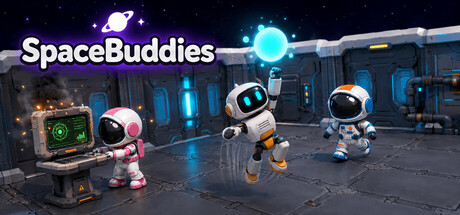
SpaceBuddies uses generative AI tools during development to create pre-rendered content included in the game and on this store page. AI was used to help produce some 3D models (Rodin), marketing/game imagery (ChatGPT), sound effects (Eleven Labs), and background music (Suno). All AI-generated assets were reviewed and edited by the development team before release.
This game does not use generative AI to create content during gameplay, and it does not connect to third-party AI services while you play.
Generative AI tools were used during development to assist with the creation of [artwork, voice audio, text, and localization]. All AI-assisted content was reviewed and edited by the developer before being included in the game. The game does not generate AI content during gameplay.
Some 2D visual assets were created with assistance from generative AI, then manually edited and polished by the developer. No AI-generated content is created during gameplay.
Arcane Dash was developed by a solo developer with contractor support.
AI generated content: Music, cutscene artwork, and the logo were created with generative AI tools and reviewed and edited by the developer before inclusion.
Translations: Produced using machine translation tools and reviewed by the developer for basic consistency. Not verified by native speakers.
Human created content: All levels, character sprites, sound effects, and marketing materials (other than the logo) were created entirely by the developer and contractors without AI involvement.
Live generated AI content: None. No content is generated by AI during gameplay.
Generative AI tools were used during development to create and refine the game’s visual artwork, music, and programming code. All generated material was reviewed, curated, edited, and integrated by the developer. The game does not generate AI content during gameplay, and no player input or data is sent to generative AI services.
The in-game localization for this title is currently in an AI-assisted translation phase.
For the official release, the text will undergo expert proofreading and re-translation to deliver an improved gaming experience.
In terms of audio, while there are a few temporary AI assets used to hit our Next Fest schedule, rest assured that every last one will be replaced.
AI tools were used to assist in the creation of some 2D visual assets and music used in the game. AI-assisted assets were created under developer direction, reviewed and edited by the developers before inclusion.
Generative AI was used as part of the development process to assist with the creation of some visual and audio assets. AI-generated outputs are reviewed, selected, edited and integrated by the developer to fit the game's visual and creative direction. Flow Foundry does not use generative AI to create content live during gameplay.
AI is used as a translation aid for localizing in-game text and Steam store page text into the supported languages. All original Japanese text is written by the developer.
I used generative AI tools to create initial concept art and sketches for my game characters, which I then manually recreated and modeled in 3D myself. I also used AI to assist in sketching the game's official logo
Generative AI tools were used only during early-stage concept exploration and as internal visual and design references. No AI-generated artwork or other AI-generated content is included in the final game. All final in-game art assets are either created by our development team or sourced from properly licensed assets. The game does not use live-generated AI during gameplay.
The game is a single hand-maintained source file. It was written together
with an AI coding assistant. Every change was reviewed, tested and integrated by
the developer; the game ships with its own automated test suite.
All 2D art (character sprites, backgrounds, environment pieces, UI) and the current music were created during development using generative AI tools, then curated, edited, and baked into the build. No content is generated at runtime. The game design, level design, code, and writing are human-made.