Public Steam disclosure research25,376 disclosures tracked
Where do games disclose AI use?
Search developers’ Steam disclosures, compare classified AI use across
games, and follow recorded changes.
This index adds cross-game classifications and statistics to
statements published on individual store pages.
Groups reflect automatic analysis of public disclosures; mature records are excluded. These counts do not measure AI use across all of Steam.
Missing or unclear statements cannot establish whether a game uses AI.
During development, this game used generative AI tools to help brainstorm, expand, and polish narrative and dialogue text, and to assist with in-editor organization in the development stage (for example, using novel/story-related plugins to structure plot outlines). All such material was reviewed, rewritten, and unified by the team; the final in-game text is based on the version approved by the team.
If a game build includes dialogue or text generated in real time by a large language model (for example, online responses from a third-party AI service), we will update this disclosure with the specific scope when that feature goes live. In the currently public version, the experience is primarily based on pre-written, human-reviewed story content.
We did not use generative AI to replace basic fact-checking for historical subject matter; statements involving history and historical figures remain guided by design intent and human oversight.
This game uses generative AI tools to assist with some pre-generated visual assets, including background art, character-related promotional art, item imagery, and store page materials. All AI-assisted content is reviewed, selected, and edited by the developer before release. The game does not generate AI content during gameplay.
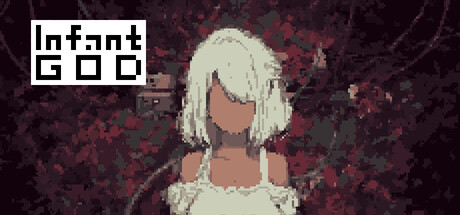
Currently, we use AI to modify some of the character voices featured in the game. Additionally, we are planning to introduce several features that leverage Generative, including:
- Seedling Speech Bubbles: AI-generated dialogue for Seedlings to enhance their interactions.
- Seedling Thought Bubbles: AI-generated internal thoughts to give Seedlings more personality and depth.
- Seedling Responses: AI-driven replies to messages that players send to their Seedlings.
AI was used to generate some of the 2D assets and portraits. I have personally selected and verified all generated content to ensure it fits the game's historical theme.
AI tools are used to assist in the creation of certain marketing and promotional visuals.
During development, AI tools may also be used as a programming assistant to help with code structure, refactoring, and problem-solving.
All gameplay systems, mechanics, design decisions, and final implementation are created, reviewed, and validated by the developer. AI does not autonomously generate gameplay content or operate within the released product.
This title uses generative AI tools to assist in the creation of some written content and visual assets. All AI-assisted content is curated, edited, and finalized by the developer, and no AI-generated content is created dynamically during gameplay.
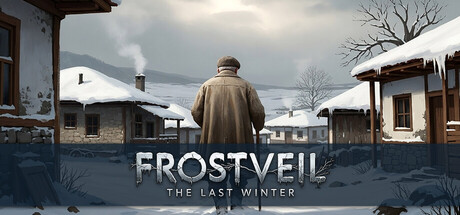
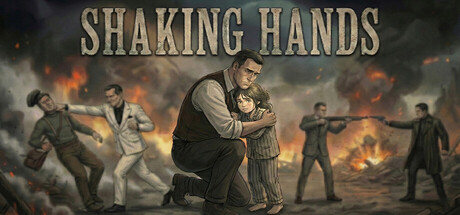
As a two-person independent team with no dedicated art department or budget, we have utilized generative AI to create all visual assets within the game. This includes:
Environment & Backgrounds: All village landscapes, interiors, and atmospheric backdrops depicting 1920s Anatolia.
Character Portraits: All visual representations of the villagers and historical figures.
UI & Icons: The majority of the user interface elements, icons, and parchment-style menus.
Concept Art: All marketing materials and store page assets.
We have carefully curated, edited, and integrated these AI-generated visuals to ensure they align with our specific historical narrative and charcoal-style aesthetic. Our use of this technology was the only way to bring our vision of this National Struggle story to life with the limited resources of a two-man studio.
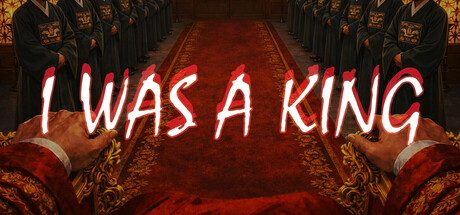
AI is used to generate the voices and advice of two opposing royal advisers (Left and Right Councillor). Each turn they comment on the situation and recommend different actions. If the player’s decree aligns more closely with one adviser’s stance, that adviser’s credibility increases while the other’s decreases.
As the credibility gap grows, public trust is affected, reflecting rising factional tension. If an adviser’s credibility reaches zero, they resign—sometimes angrily—warning the player not to dismiss their counsel. The vacant seat is then filled by a successor adviser, represented by a different local LLM model. This creates shifting personalities and advice styles across runs.
AI does not determine the game’s outcomes. Core consequences and metric changes are resolved by the game’s rule system; AI provides narrative and guidance within that system.
Some visual elements, such as the splash screen and promotional artwork, were created with the assistance of AI tools during development. Additionally, the voiceover and background music featured in the official trailer were generated using AI synthesis tools. All AI-generated content has been reviewed, edited, and refined by the developer to ensuring high quality. No generative AI is used to create content in real-time during gameplay.
The visual assets were manually composited and detailed using Photoshop. Algorithmic tools were utilized only to generate initial base textures and references, which were then significantly transformed and overpainted to match the game's specific style.
Parts of the background image of characters are generated by AI. All the Localizations are generated by AI. Others assets like character image/UI/voice are hand-made.
Some of the music, sound effects, and visuals in this game have been generated using AI technologies, bringing a unique and creative twist to the game's overall experience.
Some character portraits were created with the assistance of generative AI and subsequently edited by hand. All game systems, writing, and design are made entirely by humans.
Invaders utilizes ChatGPT and Adobe Photoshop AI technologies to design and generate user interface elements and in-game imagery. These tools are used exclusively for creative and illustrative purposes to enhance the visual quality and artistic consistency of the game.
I used AI to help create some of the menu screens and interface graphics, but I’m developing the game entirely on my own. Everything else, from gameplay to units and core content, is all my own work.
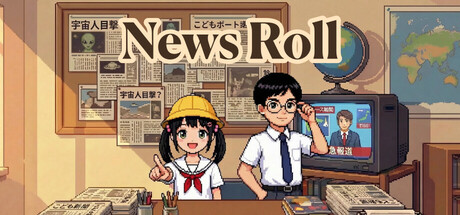
Some background images are generated using AI, as well as the images of the department leaders in the game. The voices of a news reporter in the game and the voices in the game trailer and in the educational tutorials (on the tutorial website) are created with the help of AI.
Some of the capsule and library images were partially created using AI-assisted tools. These images have been reviewed, edited, and finalized manually to ensure they meet Steam’s content guidelines. All other game assets, including in-game art and content, were created by human artists.
Some character portraits and textures were created with the assistance of AI tools and then manually edited. Other assets, including the logo and additional textures, were fully manually created.
During development, this game used generative AI tools to help brainstorm, expand, and polish narrative and dialogue text, and to assist with in-editor organization in the development stage (for example, using novel/story-related plugins to structure plot outlines). All such material was reviewed, rewritten, and unified by the team; the final in-game text is based on the version approved by the team.
If a game build includes dialogue or text generated in real time by a large language model (for example, online responses from a third-party AI service), we will update this disclosure with the specific scope when that feature goes live. In the currently public version, the experience is primarily based on pre-written, human-reviewed story content.
We did not use generative AI to replace basic fact-checking for historical subject matter; statements involving history and historical figures remain guided by design intent and human oversight.
This game uses generative AI tools to assist with some pre-generated visual assets, including background art, character-related promotional art, item imagery, and store page materials. All AI-assisted content is reviewed, selected, and edited by the developer before release. The game does not generate AI content during gameplay.
Currently, we use AI to modify some of the character voices featured in the game. Additionally, we are planning to introduce several features that leverage Generative, including:
- Seedling Speech Bubbles: AI-generated dialogue for Seedlings to enhance their interactions.
- Seedling Thought Bubbles: AI-generated internal thoughts to give Seedlings more personality and depth.
- Seedling Responses: AI-driven replies to messages that players send to their Seedlings.
AI was used to generate some of the 2D assets and portraits. I have personally selected and verified all generated content to ensure it fits the game's historical theme.
AI tools are used to assist in the creation of certain marketing and promotional visuals.
During development, AI tools may also be used as a programming assistant to help with code structure, refactoring, and problem-solving.
All gameplay systems, mechanics, design decisions, and final implementation are created, reviewed, and validated by the developer. AI does not autonomously generate gameplay content or operate within the released product.
This title uses generative AI tools to assist in the creation of some written content and visual assets. All AI-assisted content is curated, edited, and finalized by the developer, and no AI-generated content is created dynamically during gameplay.
As a two-person independent team with no dedicated art department or budget, we have utilized generative AI to create all visual assets within the game. This includes:
Environment & Backgrounds: All village landscapes, interiors, and atmospheric backdrops depicting 1920s Anatolia.
Character Portraits: All visual representations of the villagers and historical figures.
UI & Icons: The majority of the user interface elements, icons, and parchment-style menus.
Concept Art: All marketing materials and store page assets.
We have carefully curated, edited, and integrated these AI-generated visuals to ensure they align with our specific historical narrative and charcoal-style aesthetic. Our use of this technology was the only way to bring our vision of this National Struggle story to life with the limited resources of a two-man studio.
AI is used to generate the voices and advice of two opposing royal advisers (Left and Right Councillor). Each turn they comment on the situation and recommend different actions. If the player’s decree aligns more closely with one adviser’s stance, that adviser’s credibility increases while the other’s decreases.
As the credibility gap grows, public trust is affected, reflecting rising factional tension. If an adviser’s credibility reaches zero, they resign—sometimes angrily—warning the player not to dismiss their counsel. The vacant seat is then filled by a successor adviser, represented by a different local LLM model. This creates shifting personalities and advice styles across runs.
AI does not determine the game’s outcomes. Core consequences and metric changes are resolved by the game’s rule system; AI provides narrative and guidance within that system.
Some visual elements, such as the splash screen and promotional artwork, were created with the assistance of AI tools during development. Additionally, the voiceover and background music featured in the official trailer were generated using AI synthesis tools. All AI-generated content has been reviewed, edited, and refined by the developer to ensuring high quality. No generative AI is used to create content in real-time during gameplay.
The visual assets were manually composited and detailed using Photoshop. Algorithmic tools were utilized only to generate initial base textures and references, which were then significantly transformed and overpainted to match the game's specific style.
Parts of the background image of characters are generated by AI. All the Localizations are generated by AI. Others assets like character image/UI/voice are hand-made.
Some of the music, sound effects, and visuals in this game have been generated using AI technologies, bringing a unique and creative twist to the game's overall experience.
Some character portraits were created with the assistance of generative AI and subsequently edited by hand. All game systems, writing, and design are made entirely by humans.
Invaders utilizes ChatGPT and Adobe Photoshop AI technologies to design and generate user interface elements and in-game imagery. These tools are used exclusively for creative and illustrative purposes to enhance the visual quality and artistic consistency of the game.
I used AI to help create some of the menu screens and interface graphics, but I’m developing the game entirely on my own. Everything else, from gameplay to units and core content, is all my own work.
Some background images are generated using AI, as well as the images of the department leaders in the game. The voices of a news reporter in the game and the voices in the game trailer and in the educational tutorials (on the tutorial website) are created with the help of AI.
Some of the capsule and library images were partially created using AI-assisted tools. These images have been reviewed, edited, and finalized manually to ensure they meet Steam’s content guidelines. All other game assets, including in-game art and content, were created by human artists.
Some character portraits and textures were created with the assistance of AI tools and then manually edited. Other assets, including the logo and additional textures, were fully manually created.