Public Steam disclosure research25,376 disclosures tracked
Where do games disclose AI use?
Search developers’ Steam disclosures, compare classified AI use across
games, and follow recorded changes.
This index adds cross-game classifications and statistics to
statements published on individual store pages.
Groups reflect automatic analysis of public disclosures; mature records are excluded. These counts do not measure AI use across all of Steam.
Missing or unclear statements cannot establish whether a game uses AI.
Some character illustrations were refined using generative AI as an assistive tool based on artwork originally designed and created by the developer. The final artwork was then manually reviewed and edited. Generative AI was also used to assist with the initial English localization, which was subsequently reviewed and revised before implementation in the game.
GridIron Grit is made with love, for us hardcore football sim fans, but AI did much of the heavy lifting.
AI helped me bring my dream game to life, writing code and generating game assets.
The game itself uses no generative AI within.
AI was used to assist with the localization process.
All other core game content including game design, programming, art direction, and gameplay systems
was created by the human development team.
Some visual assets, concept art, character portraits, promotional images, and store-related materials may be created or assisted using generative AI tools. All AI-assisted content is reviewed and edited by the developer before use. The game does not use real-time AI generation during gameplay.
THE UNSHARED uses pre-rendered AI-generated assets: the CURATOR's voice (Kokoro-82M TTS) and two UI images (logo and menu background). No AI content is generated during gameplay.
In the development of Project Deep Nexus, AI was utilized for several key components. This includes creating character and background artworks, as well as generating some music tracks. While the developer curated the plot and narrative, AI assisted in the process.
Some 2D character illustrations, backgrounds, and UI elements in this game were created with the help of generative AI tools during development, and then manually edited, refined, and reviewed by the developer.
This game utilizes generative AI technologies during development. Specifically, AI tools (such as ElevenLabs) were used to create some character voiceovers and radio dialogues. AI assistance was also employed in generating certain game assets and conceptual sketches. All AI-generated content has been manually post-processed and optimized to maintain the game's psychological horror atmosphere.
During development, generative AI tools were used to create temporary 2D images, rough visual assets, and concept art.
These assets are used as prototypes and references during the development phase. In the final version of the game, they will be replaced with original, hand-crafted assets.
Generative AI tools were used during development and marketing to assist with ideation, drafting, rewriting, and visual exploration for IN & OUT.
All final content included in the game, store page, screenshots, capsules, trailers, and marketing materials is reviewed, selected, edited, and approved by the development team before publication.
The game does not use live-generated AI content at runtime. No player input is sent to an AI service, and no gameplay, puzzle, narrative, visual, audio, or localization content is generated dynamically by AI while the game is running.
Some store page artwork, promotional artwork, and marketing assets for False Normality were created or assisted using generative AI tools. The game's design, writing direction, rule system, gameplay logic, editing, and final asset selection were created and curated by the developer. False Normality does not use live-generated AI during gameplay.
Generative AI tools were used during development for photos and videos of characters, as well as for development support such as code suggestions and iteration.
All AI-assisted assets and code are fixed, reviewed, and integrated by the developer prior to release. The game does not use generative AI to produce live or dynamic content, text, images, audio, or code during gameplay.
Even if we prefer manual craft & procedural generation, some 3d Models/Cinematics in this game were created with the assistance of AI generative tools during production. However, think AI more as an automation/interpolation tool to win time and focus on gamers really want: innovative gameplay and FUN!
AI was used to generate images depicting illegal substances and highly disturbing situations presented in the game. The Steam capsule and cover images were also generated using AI.
This game uses generative AI to assist with the creation of some visual, audio, text, and localization assets. All AI-assisted content is reviewed and edited by the development team before being included in the game.
Generative AI was used during parts of the production process for the game’s graphics, music, and narrative content.
AI-generated outputs were edited, revised, and restructured by the developer and were not used in the game without modification.
The final gameplay experience, narrative structure, character portrayal, and presentation were designed, curated, and supervised by the developer.
Generative AI tools were used during development to assist with visual asset creation, programming support, background music generation, and writing/editing structured script data such as dialogue and localization files.
In this game, questions and answers (yes/no) are sent to Amazon Bedrock to generate in-game text. Personal information like your name is not sent. Progress data is saved on your device.
Generative AI was used during the development of this game to assist with:
- Generating static illustrations for in-game achievement icons.
- Generating placeholder sound effects to be swapped before exiting EA
Generative AI tools were used during development to assist in the creation of certain visual assets, including Steam store capsules, and some UI button icons (keyboard and controller prompts). AI was also used to assist with text translation, writing improvements, and programming assistance during development. All AI-assisted content has been reviewed, edited, and integrated by the developer before being included in the game or on the Steam store page. The game does not generate AI content during gameplay.
Generative AI was used as a production tool to help create and refine some static visual assets, including illustrations, backgrounds, CG images, promotional artwork, and Steam library images. It was also used to assist with translation drafts. All final assets and text were reviewed and edited manually before being included in the game.
Codex, powered by ChatGPT, was used as a coding assistant during development.
I’m a software engineer with 25 years of programming experience. I used Codex to help with technical implementation while I focused on the game’s design, systems, balance, and overall feel. It made it possible to build Mindscape in my spare time and release it for free.
Generative AI was used only for limited enhancements to marketing visuals, texture edits, and selected SFX.
Gameplay systems and mechanics do not rely on AI-generated content.
All generated assets are owned and licensed by us.
Some visual assets and concept artwork used in the game were created or assisted by generative AI tools and further modified by the developer. All gameplay systems, story content, level design, and interactive features were created by the developer.
This game uses generative AI tools to help create certain music, voice, and audio elements. Additional sound effects and audio assets are sourced from commercially licensed asset libraries.
This product uses generative AI only for a limited amount of pre-generated visual assets. These include certain user interface artwork used in the game menus, as well as some promotional/store page visual assets such as header images and the game logo.
Generative AI is not used to generate gameplay, characters, levels, story content, player-facing text, or any real-time content during gameplay. All AI-assisted assets are manually reviewed, edited where necessary, and selected by the developer before being included in the product or its store page.
The game uses artificial intelligence to control characters behavior and deliver an adaptive fairytale plot.
The models, sounds, maps, and other assets are created by real people, with love and care.
Some background elements were partially generated using AI.
Localization into languages other than German was carried out with the help of AI.
AI was used as a development aid (to help implement certain systems in the game).
I am a solo indie developer and wanted to tell an engaging horror story set in an anime/Japanese-inspired world. Without AI, I unfortunately would never have been able to create a project like this!
Art assets in this game, such as achievement icons, were created with the assistance of GPT-based image generation tools. The background music was composed using Suno AI. All AI-generated content has been reviewed and approved by human developers.
AI tools were only used in the development phase for code, textures, texts, audio and music production. There is no player-accessible AI generation feature or external AI service connection in the released game, and all built-in content has passed full manual compliance review.
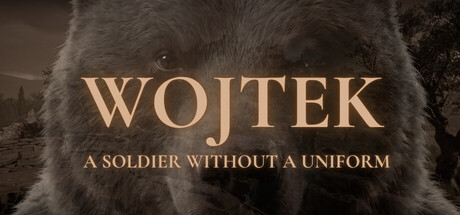
Generative AI technology was used to create high-quality voice-overs for the game's characters. This allowed this independent project to feature full voice acting, providing a more immersive narrative experience and bringing the historical journey of Wojtek the Bear to life. All AI-generated audio assets are pre-rendered and have been manually reviewed and edited to ensure high quality and consistency with the game's emotional tone.
The developer describes how this game uses generative AI as follows:
Visual Assets: Some character illustrations, background art, and UI icons in this game have been created or enhanced using generative AI tools.
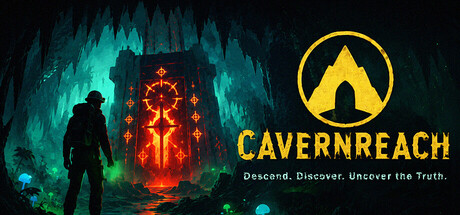
Cavernreach contains very limited AI-assisted content, including some music/audio assets and promotional artwork. All gameplay, environments, programming, story content, voice acting, level design, and game implementation were created by the developer. Any AI-assisted assets used during development for testing or reference purposes have been replaced, recreated, or removed from the full release where applicable.
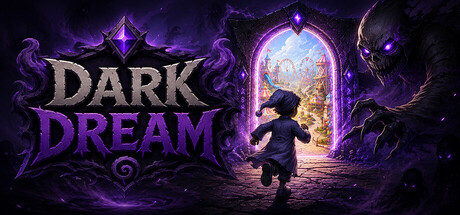
Dark Dream contains pre-generated AI-assisted content used exclusively for marketing and promotional materials. This includes certain Steam store assets such as capsules, banners, promotional artwork, and the game's promotional trailer.
The trailer was created using AI-assisted tools based on original characters, creatures, and creative concepts designed and owned by the studio.
The in-game experience does not generate content using AI, and no AI systems are used during gameplay.
Cutscene CG animations, background music and character artwork in this game are created via generative AI, with all assets pre-generated during development. All such content has been manually revised and reviewed to ensure full compliance with relevant requirements.
本游戏中的过场动画 CG 动画、背景音乐以及角色原画均是通过生成式 AI 技术制作而成,所有资产均在开发阶段预先生成。所有此类内容均已经过人工修订和审核,以确保完全符合相关要求。
Sparrow God uses generative AI assistance for localization and some store-page/marketing copy. The game's design, mechanics, and mahjong rules are all original works by the developer. In-game visuals and audio are created through the developer's direction + algorithms (procedural rendering/synthesis), not AI-generated images or music. AI is a development-assist tool; the creative direction is led by a human.
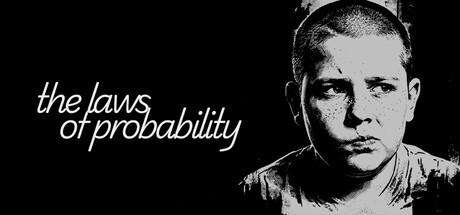
The story, code, mechanics, and every design decision of The Laws of Probability are entirely my own. The music was generated with AI tools based on my direction, and the backgrounds were AI-rendered from my hand-drawn sketches. Using this technology allowed me to bring the project's original vision to life and deliver a complete experience. I am sharing this openly because I respect your right to know.
Some character illustrations were refined using generative AI as an assistive tool based on artwork originally designed and created by the developer. The final artwork was then manually reviewed and edited. Generative AI was also used to assist with the initial English localization, which was subsequently reviewed and revised before implementation in the game.
GridIron Grit is made with love, for us hardcore football sim fans, but AI did much of the heavy lifting.
AI helped me bring my dream game to life, writing code and generating game assets.
The game itself uses no generative AI within.
AI was used to assist with the localization process.
All other core game content including game design, programming, art direction, and gameplay systems
was created by the human development team.
Some visual assets, concept art, character portraits, promotional images, and store-related materials may be created or assisted using generative AI tools. All AI-assisted content is reviewed and edited by the developer before use. The game does not use real-time AI generation during gameplay.
THE UNSHARED uses pre-rendered AI-generated assets: the CURATOR's voice (Kokoro-82M TTS) and two UI images (logo and menu background). No AI content is generated during gameplay.
In the development of Project Deep Nexus, AI was utilized for several key components. This includes creating character and background artworks, as well as generating some music tracks. While the developer curated the plot and narrative, AI assisted in the process.
Some 2D character illustrations, backgrounds, and UI elements in this game were created with the help of generative AI tools during development, and then manually edited, refined, and reviewed by the developer.
This game utilizes generative AI technologies during development. Specifically, AI tools (such as ElevenLabs) were used to create some character voiceovers and radio dialogues. AI assistance was also employed in generating certain game assets and conceptual sketches. All AI-generated content has been manually post-processed and optimized to maintain the game's psychological horror atmosphere.
During development, generative AI tools were used to create temporary 2D images, rough visual assets, and concept art.
These assets are used as prototypes and references during the development phase. In the final version of the game, they will be replaced with original, hand-crafted assets.
Generative AI tools were used during development and marketing to assist with ideation, drafting, rewriting, and visual exploration for IN & OUT.
All final content included in the game, store page, screenshots, capsules, trailers, and marketing materials is reviewed, selected, edited, and approved by the development team before publication.
The game does not use live-generated AI content at runtime. No player input is sent to an AI service, and no gameplay, puzzle, narrative, visual, audio, or localization content is generated dynamically by AI while the game is running.
Some store page artwork, promotional artwork, and marketing assets for False Normality were created or assisted using generative AI tools. The game's design, writing direction, rule system, gameplay logic, editing, and final asset selection were created and curated by the developer. False Normality does not use live-generated AI during gameplay.
Generative AI tools were used during development for photos and videos of characters, as well as for development support such as code suggestions and iteration.
All AI-assisted assets and code are fixed, reviewed, and integrated by the developer prior to release. The game does not use generative AI to produce live or dynamic content, text, images, audio, or code during gameplay.
Even if we prefer manual craft & procedural generation, some 3d Models/Cinematics in this game were created with the assistance of AI generative tools during production. However, think AI more as an automation/interpolation tool to win time and focus on gamers really want: innovative gameplay and FUN!
AI was used to generate images depicting illegal substances and highly disturbing situations presented in the game. The Steam capsule and cover images were also generated using AI.
This game uses generative AI to assist with the creation of some visual, audio, text, and localization assets. All AI-assisted content is reviewed and edited by the development team before being included in the game.
Generative AI was used during parts of the production process for the game’s graphics, music, and narrative content.
AI-generated outputs were edited, revised, and restructured by the developer and were not used in the game without modification.
The final gameplay experience, narrative structure, character portrayal, and presentation were designed, curated, and supervised by the developer.
Generative AI tools were used during development to assist with visual asset creation, programming support, background music generation, and writing/editing structured script data such as dialogue and localization files.
In this game, questions and answers (yes/no) are sent to Amazon Bedrock to generate in-game text. Personal information like your name is not sent. Progress data is saved on your device.
Generative AI was used during the development of this game to assist with:
- Generating static illustrations for in-game achievement icons.
- Generating placeholder sound effects to be swapped before exiting EA
Generative AI tools were used during development to assist in the creation of certain visual assets, including Steam store capsules, and some UI button icons (keyboard and controller prompts). AI was also used to assist with text translation, writing improvements, and programming assistance during development. All AI-assisted content has been reviewed, edited, and integrated by the developer before being included in the game or on the Steam store page. The game does not generate AI content during gameplay.
Generative AI was used as a production tool to help create and refine some static visual assets, including illustrations, backgrounds, CG images, promotional artwork, and Steam library images. It was also used to assist with translation drafts. All final assets and text were reviewed and edited manually before being included in the game.
Codex, powered by ChatGPT, was used as a coding assistant during development.
I’m a software engineer with 25 years of programming experience. I used Codex to help with technical implementation while I focused on the game’s design, systems, balance, and overall feel. It made it possible to build Mindscape in my spare time and release it for free.
Generative AI was used only for limited enhancements to marketing visuals, texture edits, and selected SFX.
Gameplay systems and mechanics do not rely on AI-generated content.
All generated assets are owned and licensed by us.
Some visual assets and concept artwork used in the game were created or assisted by generative AI tools and further modified by the developer. All gameplay systems, story content, level design, and interactive features were created by the developer.
This game uses generative AI tools to help create certain music, voice, and audio elements. Additional sound effects and audio assets are sourced from commercially licensed asset libraries.
This product uses generative AI only for a limited amount of pre-generated visual assets. These include certain user interface artwork used in the game menus, as well as some promotional/store page visual assets such as header images and the game logo.
Generative AI is not used to generate gameplay, characters, levels, story content, player-facing text, or any real-time content during gameplay. All AI-assisted assets are manually reviewed, edited where necessary, and selected by the developer before being included in the product or its store page.
The game uses artificial intelligence to control characters behavior and deliver an adaptive fairytale plot.
The models, sounds, maps, and other assets are created by real people, with love and care.
Some background elements were partially generated using AI.
Localization into languages other than German was carried out with the help of AI.
AI was used as a development aid (to help implement certain systems in the game).
I am a solo indie developer and wanted to tell an engaging horror story set in an anime/Japanese-inspired world. Without AI, I unfortunately would never have been able to create a project like this!
Art assets in this game, such as achievement icons, were created with the assistance of GPT-based image generation tools. The background music was composed using Suno AI. All AI-generated content has been reviewed and approved by human developers.
AI tools were only used in the development phase for code, textures, texts, audio and music production. There is no player-accessible AI generation feature or external AI service connection in the released game, and all built-in content has passed full manual compliance review.
Generative AI technology was used to create high-quality voice-overs for the game's characters. This allowed this independent project to feature full voice acting, providing a more immersive narrative experience and bringing the historical journey of Wojtek the Bear to life. All AI-generated audio assets are pre-rendered and have been manually reviewed and edited to ensure high quality and consistency with the game's emotional tone.
The developer describes how this game uses generative AI as follows:
Visual Assets: Some character illustrations, background art, and UI icons in this game have been created or enhanced using generative AI tools.
Cavernreach contains very limited AI-assisted content, including some music/audio assets and promotional artwork. All gameplay, environments, programming, story content, voice acting, level design, and game implementation were created by the developer. Any AI-assisted assets used during development for testing or reference purposes have been replaced, recreated, or removed from the full release where applicable.
Dark Dream contains pre-generated AI-assisted content used exclusively for marketing and promotional materials. This includes certain Steam store assets such as capsules, banners, promotional artwork, and the game's promotional trailer.
The trailer was created using AI-assisted tools based on original characters, creatures, and creative concepts designed and owned by the studio.
The in-game experience does not generate content using AI, and no AI systems are used during gameplay.
Cutscene CG animations, background music and character artwork in this game are created via generative AI, with all assets pre-generated during development. All such content has been manually revised and reviewed to ensure full compliance with relevant requirements.
本游戏中的过场动画 CG 动画、背景音乐以及角色原画均是通过生成式 AI 技术制作而成,所有资产均在开发阶段预先生成。所有此类内容均已经过人工修订和审核,以确保完全符合相关要求。
Sparrow God uses generative AI assistance for localization and some store-page/marketing copy. The game's design, mechanics, and mahjong rules are all original works by the developer. In-game visuals and audio are created through the developer's direction + algorithms (procedural rendering/synthesis), not AI-generated images or music. AI is a development-assist tool; the creative direction is led by a human.
The story, code, mechanics, and every design decision of The Laws of Probability are entirely my own. The music was generated with AI tools based on my direction, and the backgrounds were AI-rendered from my hand-drawn sketches. Using this technology allowed me to bring the project's original vision to life and deliver a complete experience. I am sharing this openly because I respect your right to know.