Public Steam disclosure research25,376 disclosures tracked
Where do games disclose AI use?
Search developers’ Steam disclosures, compare classified AI use across
games, and follow recorded changes.
This index adds cross-game classifications and statistics to
statements published on individual store pages.
Groups reflect automatic analysis of public disclosures; mature records are excluded. These counts do not measure AI use across all of Steam.
Missing or unclear statements cannot establish whether a game uses AI.
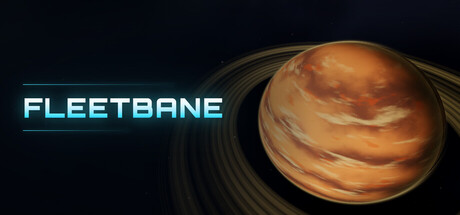
FleetBane was created by a solo developer with assistance from generative AI tools. During development, these tools helped create and refine some visual assets, music, and written game content. All AI-assisted material was reviewed, selected, edited, polished, or substantially reworked by the developer before being integrated into the game. FleetBane does not use generative AI during gameplay and does not send player input or data to any AI service.
Generative AI tools were used to assist with creating and editing some of the written content in the game and on its Steam store page. All AI-assisted text was reviewed, revised, and approved by the developer before publication. The game does not generate content using AI during gameplay.
Some sprites, event card illustrations, background music and sound effects were created with locally-run generative AI models (Stable Diffusion XL, ACE-Step, Stable Audio Open) and then edited by the developer. No generative AI is used while the game is running.
Generative AI was used to assist in drafting store-page descriptions and promotional text. The game does not generate content using generative AI during gameplay.
Pre-generated AI artwork and audio were used during development. The developer selected and edited these assets for the game and its marketing materials. No content is generated by AI during gameplay, and the game does not connect to an external AI service.
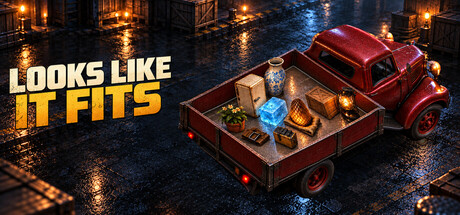
Generative AI was used to create artwork for the truck, cargo, environments, route illustrations, and store materials. AI tools also assisted with writing and localization. All such content was created before release. The game does not generate AI content or connect to AI services during gameplay.
Generative AI tools were used during development to create artwork, icons, 3D assets, written content, and trailer narration. This content is reviewed, refined, and integrated under the developer’s creative direction. The game does not generate AI content during gameplay.
Brine & Brass is a solo project by Remoria, assisted by AI. GPT assisted with game programming, in-game writing, artwork-drawing scripts, and procedural music and sound code. The artwork is rendered from project drawing code, and the audio uses local waveform synthesis. No generative AI model or online AI service runs during gameplay.
Some environment, item, interface, and branding artwork was created with assistance from generative AI and then selected, edited, and integrated by the developer. AI tools also assisted with drafting or translating some text and localization, which were reviewed by the developer. The game does not use live-generated AI content during gameplay.
This game utilizes AI for the localization and translation of language content, and employs AI to generate the basic materials for in-game graphic resources (requiring manual post-processing). Additionally, the music in the game is also generated using AI
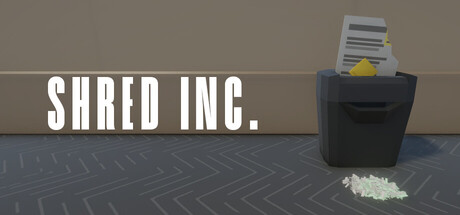
Parts of the artwork and audio in Shred Inc. — including textures, images and sound effects — were created using generative AI tools and then reviewed and edited by hand. The same applies to some of the store page and marketing material. No content is generated by AI during gameplay, and the game does not connect to any external AI service.
From the moment I understood the weakness of my flesh, it disgusted me. I craved the strength and certainty of steel. I aspired to the purity of the blessed machine. Your kind cling to your flesh as if it will not decay and fail you. One day, the crude biomass you call a temple will wither, and you will beg my kind to save you. But I am already saved. For the Machine is Immortal.
Generative AI helped create some artwork, UI icons, audio assets and store graphics during development. Store graphics use our original cat designs as references. No content is generated during play, and the game does not connect to an AI service.
The original story was written by a human author. AI was used to write AI speech in the game. It was also used in localization as a supportive tool. We gladly work with the community to bring the game to more languages.
Some sound effects and the in-game text localization were created with the help of AI tools during development. All AI-generated audio and translated text was reviewed and edited by a human before shipping.
Some pre-generated visual assets used in Demolition Empire were created with the assistance of generative AI tools during development. AI tools were also used to assist with localization and development. All content included in the final game was reviewed, selected and integrated by the developer.
Generative AI was used as a development aid, for example for ideas, text, code assistance, and visual drafts. The game was reviewed, adjusted, and finalized by the developer.
Generative AI was used during development to create artwork, music and sound assets, including artwork used on the store page. AI also assisted with story development, alongside substantial writing and editing by the developer. All of this content was created before release. The game does not generate AI content or connect to AI services during play.
AI tools are used in some parts of the development process, including translations for the Steam store page and in-game UI text, as well as assistance with some visual assets.
Generative AI was used to create some visual assets included in the game, as well as artwork for the Steam store page and marketing materials. These assets were created before release. The game does not generate AI content during gameplay or connect to external AI services.
Generative AI tools were used during development to create part of what you see and hear: the portraits of the fictional players and their faces at different ages, background illustrations, the short ambient videos, the music, the commentator's recorded calls and the surnames he calls out —a synthetic voice that does not belong to any real person— and part of the art on this page. Everything was reviewed, trimmed and edited by hand before going in, and every commentator line was checked with speech recognition to make sure it says what it should. The sound effects are real public-domain recordings. The game does not generate anything with AI while you play.
Pre-generated content only; nothing is generated while the game runs.
- Localization: the game and store page were translated into 9 languages (Portuguese, Spanish, French, German, Polish, Russian, Japanese, Korean, Simplified Chinese) with AI assistance.
- Writing: story, tutorial and store text were drafted with AI assistance and edited and approved by the developer.
- Visuals are drawn procedurally by the game's own code; no AI image generators were used. Sound effects and music are licensed CC0 recordings chosen by the developer.
Generative AI was used during development to create visual assets, music and sound effects, and in-game text and translations. The game does not generate AI content during gameplay or connect to external AI services.
Generative AI assisted the creation of characters, card artwork, environments, some interface artwork, pre-rendered animations, and some narrative and localized text during development. This content was selected, edited, and reviewed in the game. Generative AI was also used to create store artwork. Music and sound effects include locally synthesized audio. The game does not use generative AI to create content during gameplay.
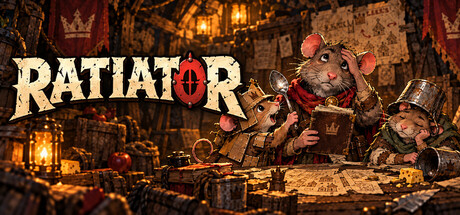
Ratiator is made by a small independent studio, and generative AI is one of the tools that lets a tiny team build a world this big. Every piece of AI-assisted content was directed, selected and refined by us to match our own art direction and design.
Artwork: backgrounds, UI elements, event illustrations, icons and key art were created with AI image tools from our concepts and art direction, then curated, edited and assembled by hand.
3D models: our rats and their household-junk weapons and armour started as AI-generated 3D models built from our concept art. We then rigged, fitted, animated and tuned them with our own tools, so every rat moves and fights the way we designed it.
Animation: a few short cinematic clips and the living light in some backgrounds (flickering lanterns, flowing water) were made with AI video tools and blended into our original paintings.
Writing: story and event texts were drafted with the help of an AI writing assistant, then edited and shaped by us to fit the world and its humour.
Nothing in the game is generated by AI while you play. Every fight, rat and story event is driven by the game's own systems, and no player data is sent to any AI service.
Generative AI tools were used during development to help with coding. All assets are 3d modeled or free to use assets. The game does not generate AI content or connect to an AI service.
Some visual assets and the music in Roadweave were created with the help of generative AI tools during development: the key art, logo, store and library artwork, icons and achievement badges were made with image tools, and the soundtrack with a music tool. Every asset was selected and edited by the developer before release.
Generative AI is not used while you play. Maps are built by the game's own procedural generator from a seed — ordinary game code, not AI.
FleetBane was created by a solo developer with assistance from generative AI tools. During development, these tools helped create and refine some visual assets, music, and written game content. All AI-assisted material was reviewed, selected, edited, polished, or substantially reworked by the developer before being integrated into the game. FleetBane does not use generative AI during gameplay and does not send player input or data to any AI service.
Generative AI tools were used to assist with creating and editing some of the written content in the game and on its Steam store page. All AI-assisted text was reviewed, revised, and approved by the developer before publication. The game does not generate content using AI during gameplay.
Some sprites, event card illustrations, background music and sound effects were created with locally-run generative AI models (Stable Diffusion XL, ACE-Step, Stable Audio Open) and then edited by the developer. No generative AI is used while the game is running.
Generative AI was used to assist in drafting store-page descriptions and promotional text. The game does not generate content using generative AI during gameplay.
Pre-generated AI artwork and audio were used during development. The developer selected and edited these assets for the game and its marketing materials. No content is generated by AI during gameplay, and the game does not connect to an external AI service.
Generative AI was used to create artwork for the truck, cargo, environments, route illustrations, and store materials. AI tools also assisted with writing and localization. All such content was created before release. The game does not generate AI content or connect to AI services during gameplay.
Generative AI tools were used during development to create artwork, icons, 3D assets, written content, and trailer narration. This content is reviewed, refined, and integrated under the developer’s creative direction. The game does not generate AI content during gameplay.
Brine & Brass is a solo project by Remoria, assisted by AI. GPT assisted with game programming, in-game writing, artwork-drawing scripts, and procedural music and sound code. The artwork is rendered from project drawing code, and the audio uses local waveform synthesis. No generative AI model or online AI service runs during gameplay.
Some environment, item, interface, and branding artwork was created with assistance from generative AI and then selected, edited, and integrated by the developer. AI tools also assisted with drafting or translating some text and localization, which were reviewed by the developer. The game does not use live-generated AI content during gameplay.
This game utilizes AI for the localization and translation of language content, and employs AI to generate the basic materials for in-game graphic resources (requiring manual post-processing). Additionally, the music in the game is also generated using AI
Parts of the artwork and audio in Shred Inc. — including textures, images and sound effects — were created using generative AI tools and then reviewed and edited by hand. The same applies to some of the store page and marketing material. No content is generated by AI during gameplay, and the game does not connect to any external AI service.
From the moment I understood the weakness of my flesh, it disgusted me. I craved the strength and certainty of steel. I aspired to the purity of the blessed machine. Your kind cling to your flesh as if it will not decay and fail you. One day, the crude biomass you call a temple will wither, and you will beg my kind to save you. But I am already saved. For the Machine is Immortal.
Generative AI helped create some artwork, UI icons, audio assets and store graphics during development. Store graphics use our original cat designs as references. No content is generated during play, and the game does not connect to an AI service.
The original story was written by a human author. AI was used to write AI speech in the game. It was also used in localization as a supportive tool. We gladly work with the community to bring the game to more languages.
Some sound effects and the in-game text localization were created with the help of AI tools during development. All AI-generated audio and translated text was reviewed and edited by a human before shipping.
Some pre-generated visual assets used in Demolition Empire were created with the assistance of generative AI tools during development. AI tools were also used to assist with localization and development. All content included in the final game was reviewed, selected and integrated by the developer.
Generative AI was used as a development aid, for example for ideas, text, code assistance, and visual drafts. The game was reviewed, adjusted, and finalized by the developer.
Generative AI was used during development to create artwork, music and sound assets, including artwork used on the store page. AI also assisted with story development, alongside substantial writing and editing by the developer. All of this content was created before release. The game does not generate AI content or connect to AI services during play.
AI tools are used in some parts of the development process, including translations for the Steam store page and in-game UI text, as well as assistance with some visual assets.
Generative AI was used to create some visual assets included in the game, as well as artwork for the Steam store page and marketing materials. These assets were created before release. The game does not generate AI content during gameplay or connect to external AI services.
Generative AI tools were used during development to create part of what you see and hear: the portraits of the fictional players and their faces at different ages, background illustrations, the short ambient videos, the music, the commentator's recorded calls and the surnames he calls out —a synthetic voice that does not belong to any real person— and part of the art on this page. Everything was reviewed, trimmed and edited by hand before going in, and every commentator line was checked with speech recognition to make sure it says what it should. The sound effects are real public-domain recordings. The game does not generate anything with AI while you play.
Pre-generated content only; nothing is generated while the game runs.
- Localization: the game and store page were translated into 9 languages (Portuguese, Spanish, French, German, Polish, Russian, Japanese, Korean, Simplified Chinese) with AI assistance.
- Writing: story, tutorial and store text were drafted with AI assistance and edited and approved by the developer.
- Visuals are drawn procedurally by the game's own code; no AI image generators were used. Sound effects and music are licensed CC0 recordings chosen by the developer.
Generative AI was used during development to create visual assets, music and sound effects, and in-game text and translations. The game does not generate AI content during gameplay or connect to external AI services.
Generative AI assisted the creation of characters, card artwork, environments, some interface artwork, pre-rendered animations, and some narrative and localized text during development. This content was selected, edited, and reviewed in the game. Generative AI was also used to create store artwork. Music and sound effects include locally synthesized audio. The game does not use generative AI to create content during gameplay.
Ratiator is made by a small independent studio, and generative AI is one of the tools that lets a tiny team build a world this big. Every piece of AI-assisted content was directed, selected and refined by us to match our own art direction and design.
Artwork: backgrounds, UI elements, event illustrations, icons and key art were created with AI image tools from our concepts and art direction, then curated, edited and assembled by hand.
3D models: our rats and their household-junk weapons and armour started as AI-generated 3D models built from our concept art. We then rigged, fitted, animated and tuned them with our own tools, so every rat moves and fights the way we designed it.
Animation: a few short cinematic clips and the living light in some backgrounds (flickering lanterns, flowing water) were made with AI video tools and blended into our original paintings.
Writing: story and event texts were drafted with the help of an AI writing assistant, then edited and shaped by us to fit the world and its humour.
Nothing in the game is generated by AI while you play. Every fight, rat and story event is driven by the game's own systems, and no player data is sent to any AI service.
Generative AI tools were used during development to help with coding. All assets are 3d modeled or free to use assets. The game does not generate AI content or connect to an AI service.
Some visual assets and the music in Roadweave were created with the help of generative AI tools during development: the key art, logo, store and library artwork, icons and achievement badges were made with image tools, and the soundtrack with a music tool. Every asset was selected and edited by the developer before release.
Generative AI is not used while you play. Maps are built by the game's own procedural generator from a seed — ordinary game code, not AI.