Public Steam disclosure research25,376 disclosures tracked
Where do games disclose AI use?
Search developers’ Steam disclosures, compare classified AI use across
games, and follow recorded changes.
This index adds cross-game classifications and statistics to
statements published on individual store pages.
Groups reflect automatic analysis of public disclosures; mature records are excluded. These counts do not measure AI use across all of Steam.
Missing or unclear statements cannot establish whether a game uses AI.
Generative AI was used to assist in the creation of certain promotional and store page artwork. All gameplay, programming, game design, pixel art, and in-game content were created and reviewed by the developer.
・Translated text in the following languages:
English, French, German, Italian, Spanish, Chinese (Simplified), Chinese (Traditional), Korean, Russian
・Generation of title screen background images
・Generation of images for some module icons
This game used generative AI-assisted content in some pre-rendered assets, such as visual effects, UI elements, background or promotional artwork, and marketing/community materials. No live generative AI system is used during gameplay, and the game does not generate new player-facing content dynamically while the player is playing.
The final release will contain no AI-generated content. All assets are either sourced from asset packs or built using Unity's native tools.
Generative AI tools were used during development for programming assistance and debugging support. No AI-generated player-facing content is included in the game.
Generative AI tools assisted in creating pixel-art visuals, interface and narrative text, and Steam marketing artwork. This material is prepared in advance and integrated into the game and store page. The game does not generate content while running.
This game uses generative AI-assisted content in some pre-rendered assets, such as visual effects, UI elements, background or promotional artwork, marketing/community materials, and localization. No live generative AI system is used during gameplay, and the game does not generate new player-facing content dynamically while the player is playing.
Neon Chase is solo developer game. Every environment, menu, lighting model, weapon, and enemy vehicles were built as 3D models using Blender. The game design, system mechanics, style, gameplay, bug fixing and features of the game are mine.
AI tools were used for some of the audio, this includes the sound effects, spoken dialogue and music which were edited and integrated by me but developed with the help of Suno for the music and Elevenlabs for the sound effects.
No content is generated using AI whilst running the game.
Some environment prop artwork was created with an image-generation model from written briefs, then hand-reviewed, cropped and integrated. Sprites, tilesets, audio, UI, achievement icons and all code are authored procedurally or by hand. No AI-generated text, narrative or live-generated content.
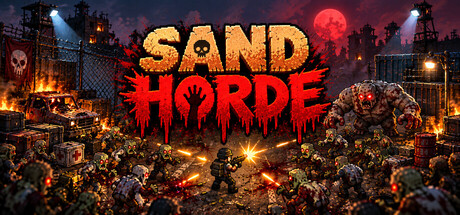
Generative AI was used as part of the development process for Sand Horde to help create select environmental artwork, backgrounds, visual assets, and promotional materials, as well as to assist with prototyping and development. All AI-assisted content is reviewed and integrated by the developer as part of the game's overall design and development.
Generative AI was used during development to assist with some artwork and text, including the main menu background, achievement icons and draft translations for some localized text. This content was selected and edited during production and is included as pre-generated game assets. The game does not use generative AI services to create content at runtime.
Development of this game used AI assistance for writing source code, and for creating some of the in-game art assets such as objects and enemies. All AI-generated content was produced during development and reviewed by the developer; the game does not generate any content with AI at runtime.
The text in HEATSINK — its interface strings and its translations — was written with the assistance of generative AI.
Nothing is generated while you play. There are no AI-generated images or audio in this game, because there are no image or audio files at all: every shape on screen is drawn by code, and every sound is synthesised when the game launches.
We may use AI to speed up creation of marketing materials and how even we should do that "marketing". And we may use AI for finding new ways to write better code, AI may analyze our code and so on. That's pretty ok that days, especially for free project that runs by enthusiasts.
So please review our final work, that's what matters.
Generative AI tools were used during development to assist with programming, localization, and the creation or refinement of some 3D models and animations. All AI-assisted content is reviewed, edited, and integrated by the developer before being included in the game. The game does not use generative AI at runtime or generate live content for players.
AI was used to help with created capsule art and assist with building the teaser trailers. There is no generative AI art, sound effects, video, or voice art in the game itself.
Generative AI assisted with development-time content, including procedural visual assets and pre-written store-page text. Content is prepared before release; the game does not generate AI content during gameplay or connect to an external AI service.
During development, generative AI was used to assist in creating selected game images and promotional artwork, including library images, the game logo, and capsule art. All AI-generated images were manually reviewed, edited, and unified in style by the development team. All in-game code, gameplay systems, audio, and text were created by hand. The game itself does not generate, display, or depend on any AI content at runtime.
This game uses generative AI tools to assist with the creation of some visual assets, promotional images, sound effects, and localization drafts. All AI-assisted content is reviewed, edited, and integrated by the developer before release. The game does not use generative AI to create real-time user-facing content during gameplay.
Part of the audio in this game is generated with AI: the music and some of the sound effects.
Part of the source code was also created with the help of AI during development, particularly to generate certain portions of code, fix errors, and assist with the implementation of certain features. The code used in the game is then reviewed, modified, and integrated manually.
Everything else is handmade: the monsters are drawn by hand and then recreated in 3D, the textures are hand-painted and sometimes slightly enhanced, the 3D models are procedural, every line of text in the game is written by me, the farmer's voice is mine, etc.
Generative AI tools were used during development to help create some visual assets, including environment textures, branding and promotional artwork, as well as store copy and localization. These materials are selected, reviewed and integrated by the developer. Gameplay screenshots are captured from the game. No generative AI content is created during play, and the game does not connect to external AI services.
Some of the content in this game was created with the help of generative AI tools.
This includes parts of the visual assets (icons, textures and UI images), some audio
(music and sound effects), parts of the in-game text (item descriptions, dialogue and
story text), and the translations of the game's text into other languages.
All of this content was generated during development, then reviewed, edited and
assembled by hand before being included in the game. The game itself does not generate
any content with AI while you play, and it does not send any player data to AI services.
Generative AI was used for some store pageimages, store page localization and translation, as well as some in-game art assets, localization, translation, and music.
I use AI tools mostly for generating code and audio clips. I also use AI at times for image-editing. I write all the dialogue for the characters - but all the voices inside the game are generated by AI.
Some character, enemy, and environment sprites in this game were created with the assistance of AI image generation tools during development. All AI-generated content was reviewed and edited by the developers before inclusion.
Generative AI was used to assist in the creation of certain promotional and store page artwork. All gameplay, programming, game design, pixel art, and in-game content were created and reviewed by the developer.
・Translated text in the following languages:
English, French, German, Italian, Spanish, Chinese (Simplified), Chinese (Traditional), Korean, Russian
・Generation of title screen background images
・Generation of images for some module icons
This game used generative AI-assisted content in some pre-rendered assets, such as visual effects, UI elements, background or promotional artwork, and marketing/community materials. No live generative AI system is used during gameplay, and the game does not generate new player-facing content dynamically while the player is playing.
The final release will contain no AI-generated content. All assets are either sourced from asset packs or built using Unity's native tools.
Generative AI tools were used during development for programming assistance and debugging support. No AI-generated player-facing content is included in the game.
Generative AI tools assisted in creating pixel-art visuals, interface and narrative text, and Steam marketing artwork. This material is prepared in advance and integrated into the game and store page. The game does not generate content while running.
This game uses generative AI-assisted content in some pre-rendered assets, such as visual effects, UI elements, background or promotional artwork, marketing/community materials, and localization. No live generative AI system is used during gameplay, and the game does not generate new player-facing content dynamically while the player is playing.
Neon Chase is solo developer game. Every environment, menu, lighting model, weapon, and enemy vehicles were built as 3D models using Blender. The game design, system mechanics, style, gameplay, bug fixing and features of the game are mine.
AI tools were used for some of the audio, this includes the sound effects, spoken dialogue and music which were edited and integrated by me but developed with the help of Suno for the music and Elevenlabs for the sound effects.
No content is generated using AI whilst running the game.
Some environment prop artwork was created with an image-generation model from written briefs, then hand-reviewed, cropped and integrated. Sprites, tilesets, audio, UI, achievement icons and all code are authored procedurally or by hand. No AI-generated text, narrative or live-generated content.
Generative AI was used as part of the development process for Sand Horde to help create select environmental artwork, backgrounds, visual assets, and promotional materials, as well as to assist with prototyping and development. All AI-assisted content is reviewed and integrated by the developer as part of the game's overall design and development.
Generative AI was used during development to assist with some artwork and text, including the main menu background, achievement icons and draft translations for some localized text. This content was selected and edited during production and is included as pre-generated game assets. The game does not use generative AI services to create content at runtime.
Development of this game used AI assistance for writing source code, and for creating some of the in-game art assets such as objects and enemies. All AI-generated content was produced during development and reviewed by the developer; the game does not generate any content with AI at runtime.
The text in HEATSINK — its interface strings and its translations — was written with the assistance of generative AI.
Nothing is generated while you play. There are no AI-generated images or audio in this game, because there are no image or audio files at all: every shape on screen is drawn by code, and every sound is synthesised when the game launches.
We may use AI to speed up creation of marketing materials and how even we should do that "marketing". And we may use AI for finding new ways to write better code, AI may analyze our code and so on. That's pretty ok that days, especially for free project that runs by enthusiasts.
So please review our final work, that's what matters.
Generative AI tools were used during development to assist with programming, localization, and the creation or refinement of some 3D models and animations. All AI-assisted content is reviewed, edited, and integrated by the developer before being included in the game. The game does not use generative AI at runtime or generate live content for players.
AI was used to help with created capsule art and assist with building the teaser trailers. There is no generative AI art, sound effects, video, or voice art in the game itself.
Generative AI assisted with development-time content, including procedural visual assets and pre-written store-page text. Content is prepared before release; the game does not generate AI content during gameplay or connect to an external AI service.
During development, generative AI was used to assist in creating selected game images and promotional artwork, including library images, the game logo, and capsule art. All AI-generated images were manually reviewed, edited, and unified in style by the development team. All in-game code, gameplay systems, audio, and text were created by hand. The game itself does not generate, display, or depend on any AI content at runtime.
This game uses generative AI tools to assist with the creation of some visual assets, promotional images, sound effects, and localization drafts. All AI-assisted content is reviewed, edited, and integrated by the developer before release. The game does not use generative AI to create real-time user-facing content during gameplay.
Part of the audio in this game is generated with AI: the music and some of the sound effects.
Part of the source code was also created with the help of AI during development, particularly to generate certain portions of code, fix errors, and assist with the implementation of certain features. The code used in the game is then reviewed, modified, and integrated manually.
Everything else is handmade: the monsters are drawn by hand and then recreated in 3D, the textures are hand-painted and sometimes slightly enhanced, the 3D models are procedural, every line of text in the game is written by me, the farmer's voice is mine, etc.
Generative AI tools were used during development to help create some visual assets, including environment textures, branding and promotional artwork, as well as store copy and localization. These materials are selected, reviewed and integrated by the developer. Gameplay screenshots are captured from the game. No generative AI content is created during play, and the game does not connect to external AI services.
Some of the content in this game was created with the help of generative AI tools.
This includes parts of the visual assets (icons, textures and UI images), some audio
(music and sound effects), parts of the in-game text (item descriptions, dialogue and
story text), and the translations of the game's text into other languages.
All of this content was generated during development, then reviewed, edited and
assembled by hand before being included in the game. The game itself does not generate
any content with AI while you play, and it does not send any player data to AI services.
Generative AI was used for some store pageimages, store page localization and translation, as well as some in-game art assets, localization, translation, and music.
I use AI tools mostly for generating code and audio clips. I also use AI at times for image-editing. I write all the dialogue for the characters - but all the voices inside the game are generated by AI.
Some character, enemy, and environment sprites in this game were created with the assistance of AI image generation tools during development. All AI-generated content was reviewed and edited by the developers before inclusion.