Public Steam disclosure research25,376 disclosures tracked
Where do games disclose AI use?
Search developers’ Steam disclosures, compare classified AI use across
games, and follow recorded changes.
This index adds cross-game classifications and statistics to
statements published on individual store pages.
Groups reflect automatic analysis of public disclosures; mature records are excluded. These counts do not measure AI use across all of Steam.
Missing or unclear statements cannot establish whether a game uses AI.
Generative AI tools were used during development to assist with debugging. AI-assisted content included in the final game was reviewed and edited by the developer. No content is generated by AI during gameplay.
Some of the artwork that ships with Football Ambition 27 was made using
generative AI tools. That covers the club badges and competition logos in
the default database, the menu and screen backgrounds, the stadium and
facility illustrations, and the library of face parts the game builds
portraits from. The national flags are not among them.
Faces are built while you play. Every player, coach and youth prospect gets
a portrait the moment they exist, including people generated seasons into
your save, assembled by the game from that shipped library of parts. It is
ordinary code doing the assembling, not an AI model, and it can only ever
use art that came with the game.
The game does not connect to any AI service. There is an optional feature,
switched off by default, that lets you connect your own AI chat assistant
to the in game database editor, so it can help with jobs like renaming
clubs or building a scenario. It runs only if you turn it on, and it only
reaches your own files on your own computer.
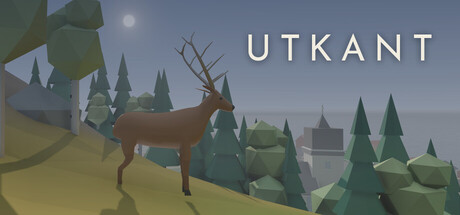
Utkant is a solo project developed with the help of AI coding assistants. The store page text and some in-game writing were drafted with AI assistance, then reviewed and edited by the developer. Nothing is generated by AI while you play.
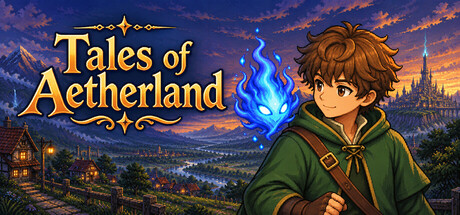
Generative AI was used to assist in creating some in-game content, as well as store and library artwork. AI tools also assisted with store descriptions and translations.
AI tools assisted in developing certain visual and audio elements, design references, and translations. The development team reviewed and finalized all published content.
Generative AI was used to create pre-rendered story illustrations, horror encounter images, promotional artwork and music. AI tools also assisted with narrative text and localization. These assets are prepared in advance; the game does not generate AI content during play.
We use generative AI for localization support. All AI assisted translations are reviewed and edited by human translators before being included in the game.
This game is a polished and updated version of a limited-time game released in August 2026, and only available for a single month.
The objective for the original was to create a game in as short a time as possible. Development was finished in three weeks, and to achieve this goal, Suno(AI) was used to create some of the sound assets.
If you would prefer not to support this game due to this use of AI, we fully understand. Regardless, thank you for taking the time to consider it!
This game contains content created with the assistance of AI tools. AI was used during development to assist with programming, visual assets, and other creative elements. All generated content was reviewed, edited, and integrated by the dev.
Some of the game's content was created with the help of generative AI tools (some of the illustrations and the English translation), then reworked, curated and integrated by the developer. The game does not generate any AI content in real time.
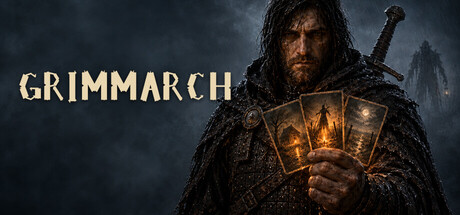
Grimmarch's art, music, voice and sound effects are created or edited with generative AI tools, then selected, edited and approved by a human before shipping. That covers card and interface art, character portraits, map and scene art, the cinematic, music, character voice lines and sound effects.
Nothing is generated while you play: the game contacts no AI service at runtime, and nothing you do is sent to one.
Generative AI was used to create background images and character artwork in the game. It was also used as a writing aid for proofreading and editing the narrative. AI-assisted content was reviewed and selected by the developer.
Artwork, video and voice performances in this game were created with generative-AI tools and selected and edited by the author; the writing was drafted with AI assistance and reviewed by the author. Nothing is generated while you play.
Some art assets in this game — including scene backgrounds, character portraits, promotional images, and music — were created with the assistance of generative AI tools during development, and were manually selected, retouched, and integrated by the developer.
Generative AI tools assisted in producing content for the game and its store materials, including some images, music and character voices. Starlit Hall Studio designs, selects, revises, integrates and reviews the final content. All content is prepared before release; the game does not generate content or connect to generative AI services during play.
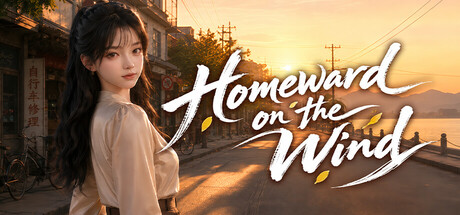
Visual assets and music in Homeward on the Wind were created with the assistance of generative AI tools and were reviewed and refined by the development team. The game does not generate content in real time. All storylines, choices, and interactions are pre-designed.
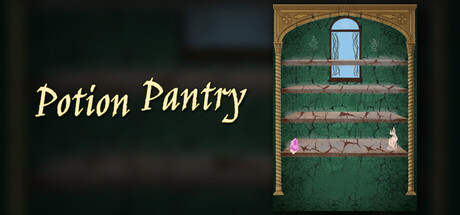
Potion Pantry contains limited pre-generated content created with AI assistance during development. OpenAI Codex assisted with portions of the puzzle clue and narrative writing used in Chapters 2–6. Rogue Andromeda reviewed and approved the resulting campaign content and retains final creative control. OpenAI's image-generation tool also created two ingredient icons, Iron Kettle and Wooden Ladle, which the developer explicitly reviewed and approved for use. The remaining displayed artwork is human-created or commercially licensed, including pantry artwork assembled by Rogue Andromeda and PONETI ingredient icons licensed through the Unity Asset Store. Music, sound effects, and the Keeper voice performance are human-made; no audio waveform, performance, or composition was generated by AI. Development provenance, prompts where applicable, approvals, hashes, licenses, and source records are retained by Rogue Andromeda LLC.
Generative AI was used to create some pre-generated artwork for the game's Steam store page and marketing materials. The game itself does not generate AI content during gameplay.
Generative AI tools were used during development to assist with language translation and localization, as well as researching historical and contextual lore to ensure narrative accuracy. All final text, gameplay content, and lore were reviewed and edited by human creators.
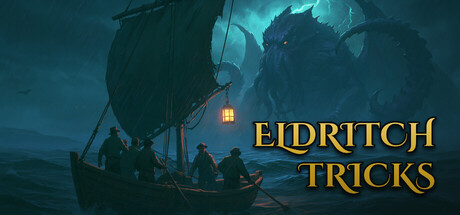
Eldritch Tricks was not dealt by human hands alone: we lean on procedural and AI-assisted tools during development to help draft what you see and hear. Every card that reaches the table is chosen, shaped, and finished by the Iron Tower Press team, and the game you play is ours.
Generative AI was used during development to assist with programming and to create most of the game's visual assets. The player character artwork was created without generative AI.
Part of the game's artwork - backgrounds, character illustrations, and CG images - was created with the assistance of generative AI tools, and some background music tracks and character voice lines were produced using AI music and AI speech generation services. All AI-assisted assets were reviewed and selected by the developer. The story, characters, and writing were authored by the developer. The game also includes an optional runtime AI dialogue feature that runs on a local model bundled with the game, fully offline; it generates short character replies only and cannot change the story or endings.
This game contains content created with the assistance of AI tools. AI was used during development to assist with programming, visual assets, and other creative elements. All generated content was reviewed, edited, and integrated by the dev.
Made by one person. Written, directed and built by me, with generative AI used as a supplementary tool for some of the game's assets, all of it reviewed and refined by hand.
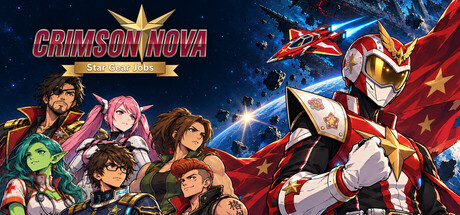
Crimson Nova is designed by me and made using AI tools. Character art, backgrounds and full-screen illustrations were generated with AI image tools, then selected, edited, composited and animated by me. Voices and music were generated with AI audio tools, then edited and mixed by me. The seven non-English text versions are AI translations. The game does not generate any content while it is being played.
This game has a lot of assets; as a solo developer, AI-assisted tools were used to help create some of the audio and sound files. I'm sharing this openly so players can make an informed choice. If the game finds an audience, I'd love to invest in commissioning original art to replace these assets down the line.
Some visual art assets were created using AI-assisted collage techniques, combining and compositing multiple generated elements into final scenes. Some character voices use AI voice modulation applied to original voice performances to modify and enhance those performances. Music is originally composed, with AI tools assisting in instrumentation and production.
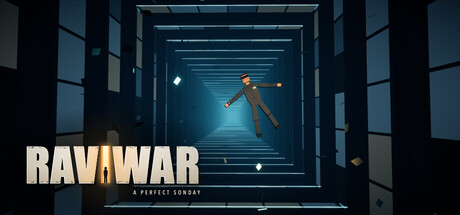
All the Localization, voiceovers/music, and many of the in-game textures were generated using AI.
The store page trailer and images are rendered inside the game itself, so indirectly they also contains those AI generated textures.
A note on why.
RaviWar 1 is the first part of a story that takes eight games to tell: RaviWar 1 & 2, and six shorter games set inside the same universe, under the name Tales of Takarek.
I am one person, with no studio and no funding behind me. Built the traditional way, a project that size would outlast me. These tools are the only way I can attempt it at all, and I would rather finish the whole story imperfectly than finish a fraction of it perfectly.
It is also why this game is free. I am not asking anyone to pay for AI generated work.
The design, the writing, the puzzles and the world are mine. As the project grows I intend to replace generated assets with commissioned ones.
Once again I am sorry.
In-game icons and background assets were generated with AI and then manually adjusted
Promotional images and promotional videos were generated with AI and then manually adjusted
Generative AI was used to assist in creating some art assets, including backgrounds, prop images, and store promotional images, and in drafting and polishing some written content. The developer selected, edited, and integrated these materials for use in the game and on its store page. The game does not generate AI content during gameplay or connect to external AI services.
This game was vibe coded in C++ with Claude Code Opus 5, and some GPT-6 Astra while I operated Unreal Engine 5.7. Many of the assets were purchased at fab.com, and the voices are from elevenlabs.io. Call it shovelware if you like, I had fun shoveling.
Generative AI tools were used during development to assist with debugging. AI-assisted content included in the final game was reviewed and edited by the developer. No content is generated by AI during gameplay.
Some of the artwork that ships with Football Ambition 27 was made using
generative AI tools. That covers the club badges and competition logos in
the default database, the menu and screen backgrounds, the stadium and
facility illustrations, and the library of face parts the game builds
portraits from. The national flags are not among them.
Faces are built while you play. Every player, coach and youth prospect gets
a portrait the moment they exist, including people generated seasons into
your save, assembled by the game from that shipped library of parts. It is
ordinary code doing the assembling, not an AI model, and it can only ever
use art that came with the game.
The game does not connect to any AI service. There is an optional feature,
switched off by default, that lets you connect your own AI chat assistant
to the in game database editor, so it can help with jobs like renaming
clubs or building a scenario. It runs only if you turn it on, and it only
reaches your own files on your own computer.
Utkant is a solo project developed with the help of AI coding assistants. The store page text and some in-game writing were drafted with AI assistance, then reviewed and edited by the developer. Nothing is generated by AI while you play.
Generative AI was used to assist in creating some in-game content, as well as store and library artwork. AI tools also assisted with store descriptions and translations.
AI tools assisted in developing certain visual and audio elements, design references, and translations. The development team reviewed and finalized all published content.
Generative AI was used to create pre-rendered story illustrations, horror encounter images, promotional artwork and music. AI tools also assisted with narrative text and localization. These assets are prepared in advance; the game does not generate AI content during play.
We use generative AI for localization support. All AI assisted translations are reviewed and edited by human translators before being included in the game.
This game is a polished and updated version of a limited-time game released in August 2026, and only available for a single month.
The objective for the original was to create a game in as short a time as possible. Development was finished in three weeks, and to achieve this goal, Suno(AI) was used to create some of the sound assets.
If you would prefer not to support this game due to this use of AI, we fully understand. Regardless, thank you for taking the time to consider it!
This game contains content created with the assistance of AI tools. AI was used during development to assist with programming, visual assets, and other creative elements. All generated content was reviewed, edited, and integrated by the dev.
Some of the game's content was created with the help of generative AI tools (some of the illustrations and the English translation), then reworked, curated and integrated by the developer. The game does not generate any AI content in real time.
Grimmarch's art, music, voice and sound effects are created or edited with generative AI tools, then selected, edited and approved by a human before shipping. That covers card and interface art, character portraits, map and scene art, the cinematic, music, character voice lines and sound effects.
Nothing is generated while you play: the game contacts no AI service at runtime, and nothing you do is sent to one.
Generative AI was used to create background images and character artwork in the game. It was also used as a writing aid for proofreading and editing the narrative. AI-assisted content was reviewed and selected by the developer.
Artwork, video and voice performances in this game were created with generative-AI tools and selected and edited by the author; the writing was drafted with AI assistance and reviewed by the author. Nothing is generated while you play.
Some art assets in this game — including scene backgrounds, character portraits, promotional images, and music — were created with the assistance of generative AI tools during development, and were manually selected, retouched, and integrated by the developer.
Generative AI tools assisted in producing content for the game and its store materials, including some images, music and character voices. Starlit Hall Studio designs, selects, revises, integrates and reviews the final content. All content is prepared before release; the game does not generate content or connect to generative AI services during play.
Visual assets and music in Homeward on the Wind were created with the assistance of generative AI tools and were reviewed and refined by the development team. The game does not generate content in real time. All storylines, choices, and interactions are pre-designed.
Potion Pantry contains limited pre-generated content created with AI assistance during development. OpenAI Codex assisted with portions of the puzzle clue and narrative writing used in Chapters 2–6. Rogue Andromeda reviewed and approved the resulting campaign content and retains final creative control. OpenAI's image-generation tool also created two ingredient icons, Iron Kettle and Wooden Ladle, which the developer explicitly reviewed and approved for use. The remaining displayed artwork is human-created or commercially licensed, including pantry artwork assembled by Rogue Andromeda and PONETI ingredient icons licensed through the Unity Asset Store. Music, sound effects, and the Keeper voice performance are human-made; no audio waveform, performance, or composition was generated by AI. Development provenance, prompts where applicable, approvals, hashes, licenses, and source records are retained by Rogue Andromeda LLC.
Generative AI was used to create some pre-generated artwork for the game's Steam store page and marketing materials. The game itself does not generate AI content during gameplay.
Generative AI tools were used during development to assist with language translation and localization, as well as researching historical and contextual lore to ensure narrative accuracy. All final text, gameplay content, and lore were reviewed and edited by human creators.
Eldritch Tricks was not dealt by human hands alone: we lean on procedural and AI-assisted tools during development to help draft what you see and hear. Every card that reaches the table is chosen, shaped, and finished by the Iron Tower Press team, and the game you play is ours.
Generative AI was used during development to assist with programming and to create most of the game's visual assets. The player character artwork was created without generative AI.
Part of the game's artwork - backgrounds, character illustrations, and CG images - was created with the assistance of generative AI tools, and some background music tracks and character voice lines were produced using AI music and AI speech generation services. All AI-assisted assets were reviewed and selected by the developer. The story, characters, and writing were authored by the developer. The game also includes an optional runtime AI dialogue feature that runs on a local model bundled with the game, fully offline; it generates short character replies only and cannot change the story or endings.
This game contains content created with the assistance of AI tools. AI was used during development to assist with programming, visual assets, and other creative elements. All generated content was reviewed, edited, and integrated by the dev.
Made by one person. Written, directed and built by me, with generative AI used as a supplementary tool for some of the game's assets, all of it reviewed and refined by hand.
Crimson Nova is designed by me and made using AI tools. Character art, backgrounds and full-screen illustrations were generated with AI image tools, then selected, edited, composited and animated by me. Voices and music were generated with AI audio tools, then edited and mixed by me. The seven non-English text versions are AI translations. The game does not generate any content while it is being played.
This game has a lot of assets; as a solo developer, AI-assisted tools were used to help create some of the audio and sound files. I'm sharing this openly so players can make an informed choice. If the game finds an audience, I'd love to invest in commissioning original art to replace these assets down the line.
Some visual art assets were created using AI-assisted collage techniques, combining and compositing multiple generated elements into final scenes. Some character voices use AI voice modulation applied to original voice performances to modify and enhance those performances. Music is originally composed, with AI tools assisting in instrumentation and production.
All the Localization, voiceovers/music, and many of the in-game textures were generated using AI.
The store page trailer and images are rendered inside the game itself, so indirectly they also contains those AI generated textures.
A note on why.
RaviWar 1 is the first part of a story that takes eight games to tell: RaviWar 1 & 2, and six shorter games set inside the same universe, under the name Tales of Takarek.
I am one person, with no studio and no funding behind me. Built the traditional way, a project that size would outlast me. These tools are the only way I can attempt it at all, and I would rather finish the whole story imperfectly than finish a fraction of it perfectly.
It is also why this game is free. I am not asking anyone to pay for AI generated work.
The design, the writing, the puzzles and the world are mine. As the project grows I intend to replace generated assets with commissioned ones.
Once again I am sorry.
In-game icons and background assets were generated with AI and then manually adjusted
Promotional images and promotional videos were generated with AI and then manually adjusted
Generative AI was used to assist in creating some art assets, including backgrounds, prop images, and store promotional images, and in drafting and polishing some written content. The developer selected, edited, and integrated these materials for use in the game and on its store page. The game does not generate AI content during gameplay or connect to external AI services.
This game was vibe coded in C++ with Claude Code Opus 5, and some GPT-6 Astra while I operated Unreal Engine 5.7. Many of the assets were purchased at fab.com, and the voices are from elevenlabs.io. Call it shovelware if you like, I had fun shoveling.