Public Steam disclosure research25,497 disclosures tracked
Where do games disclose AI use?
Search developers’ Steam disclosures, compare classified AI use across
games, and follow recorded changes.
This index adds cross-game classifications and statistics to
statements published on individual store pages.
Groups reflect automatic analysis of public disclosures; mature records are excluded. These counts do not measure AI use across all of Steam.
Missing or unclear statements cannot establish whether a game uses AI.
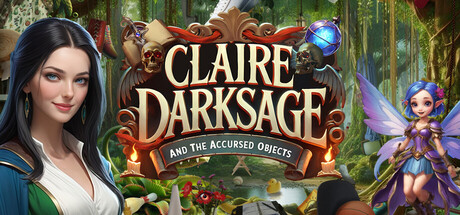
We are a small team, and used some AI-tools to help bring our vision to life. Certain scenes in the game combine hand-crafted design (even several objects in the Hidden Object scenes come from photos to objects in the developer's home) with AI-rendered objects. The rest, however, is human-crafted. The story was 100% human-written and was meticulously polished by excellent proofreaders down to the last comma, grammar rule, and capitalization. All the audio and 3D models come from trusted non-AI asset providers.
AI is used to alter actor's voices to better fit the character. Music is AI generated, sometimes based on provided themes. Some marketing material uses AI generated images.
Some character voice lines in this game were generated using AI-based voice synthesis tools.
No real-time AI generation occurs during gameplay, and all AI-generated content was reviewed, edited, and approved manually to ensure consistency and ethical use.
No personal or copyrighted voice data was used.
Escape the Maze was developed by a solo developer. Some elements of the game, including store page visuals and text, were created using generative AI tools during development. All final assets have been carefully reviewed and manually refined to ensure accuracy, quality, and full compliance with Steam’s content guidelines.
The game also features AI-controlled enemy behavior, such as a zombie that chases players in the maze. However, no live-generated AI content is used during gameplay.
Self made images have been put through AI to make them look a certain way, and after they have been edited to fit in the game, mainly in textures. Also used in the same way for marketing imagery.
In our game, we use AI to generate textures dynamically, allowing for more diverse and detailed environments. This AI-driven approach enables the creation of unique visual assets without relying entirely on manual design, saving time while enhancing the game's aesthetic.
This product uses generative AI tools during development to assist with certain content such as text, images, and design elements used on the store page and within the application.
All AI-assisted content has been reviewed, edited, and integrated by the developer to ensure it meets the intended functionality and quality of the product.
The application itself does not autonomously generate or distribute harmful or illegal content.
This game includes some visuals and audio assets that were created using AI-assisted tools during development. No AI-generated content is created during gameplay.
Some background music tracks were generated with the assistance of generative AI during development.
All AI-generated music has been manually reviewed, edited, and verified by the developer to ensure it does not infringe on any copyrights or intellectual property.
The application itself does not include any generative AI functionality.
AI tools were used as a creative assistant during development for certain visual elements and text drafts. All educational content, quiz structure, and gameplay design were carefully crafted and curated by the developer.
Some images used within the puzzles were generated using artificial intelligence.
Interface texts and subtitles were translated with the help of artificial intelligence.
Some UI elements in this game (e.g., board visuals, evidence images, etc.) were created using AI tools.
These elements are used solely as visual aids in gameplay, and no AI-generated content was used for the game's main story or text.
Players can generate unique lines for stories based on their text input within their adventure. Additionally, the actions and thoughts of the NPCs players interacted with are controlled through Lattice AI Technology, enabling more engaging and intuitive interactions.
Some code of the game, namely the warp door system, some internal timers, enemy logic in Level 3-4, and setting and name displays, was written by me, fed through AI, and then manually edited. No graphics or music were Ai-generated.
We are a small team, and used some AI-tools to help bring our vision to life. Certain scenes in the game combine hand-crafted design (even several objects in the Hidden Object scenes come from photos to objects in the developer's home) with AI-rendered objects. The rest, however, is human-crafted. The story was 100% human-written and was meticulously polished by excellent proofreaders down to the last comma, grammar rule, and capitalization. All the audio and 3D models come from trusted non-AI asset providers.
AI is used to alter actor's voices to better fit the character. Music is AI generated, sometimes based on provided themes. Some marketing material uses AI generated images.
Some character voice lines in this game were generated using AI-based voice synthesis tools.
No real-time AI generation occurs during gameplay, and all AI-generated content was reviewed, edited, and approved manually to ensure consistency and ethical use.
No personal or copyrighted voice data was used.
Escape the Maze was developed by a solo developer. Some elements of the game, including store page visuals and text, were created using generative AI tools during development. All final assets have been carefully reviewed and manually refined to ensure accuracy, quality, and full compliance with Steam’s content guidelines.
The game also features AI-controlled enemy behavior, such as a zombie that chases players in the maze. However, no live-generated AI content is used during gameplay.
Self made images have been put through AI to make them look a certain way, and after they have been edited to fit in the game, mainly in textures. Also used in the same way for marketing imagery.
In our game, we use AI to generate textures dynamically, allowing for more diverse and detailed environments. This AI-driven approach enables the creation of unique visual assets without relying entirely on manual design, saving time while enhancing the game's aesthetic.
This product uses generative AI tools during development to assist with certain content such as text, images, and design elements used on the store page and within the application.
All AI-assisted content has been reviewed, edited, and integrated by the developer to ensure it meets the intended functionality and quality of the product.
The application itself does not autonomously generate or distribute harmful or illegal content.
This game includes some visuals and audio assets that were created using AI-assisted tools during development. No AI-generated content is created during gameplay.
Some background music tracks were generated with the assistance of generative AI during development.
All AI-generated music has been manually reviewed, edited, and verified by the developer to ensure it does not infringe on any copyrights or intellectual property.
The application itself does not include any generative AI functionality.
AI tools were used as a creative assistant during development for certain visual elements and text drafts. All educational content, quiz structure, and gameplay design were carefully crafted and curated by the developer.
Some images used within the puzzles were generated using artificial intelligence.
Interface texts and subtitles were translated with the help of artificial intelligence.
Some UI elements in this game (e.g., board visuals, evidence images, etc.) were created using AI tools.
These elements are used solely as visual aids in gameplay, and no AI-generated content was used for the game's main story or text.
Players can generate unique lines for stories based on their text input within their adventure. Additionally, the actions and thoughts of the NPCs players interacted with are controlled through Lattice AI Technology, enabling more engaging and intuitive interactions.
Some code of the game, namely the warp door system, some internal timers, enemy logic in Level 3-4, and setting and name displays, was written by me, fed through AI, and then manually edited. No graphics or music were Ai-generated.