Public Steam disclosure research25,497 disclosures tracked
Where do games disclose AI use?
Search developers’ Steam disclosures, compare classified AI use across
games, and follow recorded changes.
This index adds cross-game classifications and statistics to
statements published on individual store pages.
Groups reflect automatic analysis of public disclosures; mature records are excluded. These counts do not measure AI use across all of Steam.
Missing or unclear statements cannot establish whether a game uses AI.
To bring this vision to life as a solo developer, I have utilized generative AI tools to craft the game’s art, music, and UI. This allowed me to focus 100% of my manual effort on balancing the competitive PvP, PvE, and complex environmental mechanics that define the core experience. Generative AI was used throughout development to create the game's audiovisual content, including 2D environmental assets, emblems, musical, and promotional video materials. All assets have been vetted to ensure they are unique to this project and non-infringing.
Artificial intelligence was used during development to generate certain visual assets, including some crafting item assets, the game icon, and store page visuals.
AI-assisted tools were used for one in-game hand sprite; the rest of the in-game art is hand-drawn. AI-assisted tools were also used for some store/promotional artwork, some music and sound effects, localization assistance, and coding assistance. All AI-assisted content was reviewed, edited, and integrated manually by the developer.
Tic Tac Football uses AI-controlled opponents to allow players to compete in single-player matches, cups, and leagues.
AI players follow the same rules as human players and are designed to provide a fair, accessible challenge focused on positioning, timing, and decision-making rather than speed or complex simulation.
AI was only used to assist in coding. Every idea and implementation is made by me. Currently, all store assets are AI generated images, but are subject and likely to change.
During the development process, AI-based tools are utilized to assist with the creation of visual content only. In all such cases, these tools serve strictly as a support mechanism, and the final product remains a direct reflection of the developer's original vision, design, and standards.
Generative AI was used during development to help with text editing and minor code debugging (mostly because I’m a solo indie dev and needed a hand).
AI is not used in the game itself - all gameplay systems, content, and behavior are handcrafted and not generated in real time.
I applied AI technology to character illustrations and game scenes. However, on this basis, I also carried out manual secondary refinement—the AI-generated assets were not used directly.
Besides, apart from the content mentioned above, all other parts of the game are originally created manually and no AI was employed in their production.
This game makes use of pre-generated AI content.
Usage Details: Visual assets (specifically item sprites) and sound effects were created using generative AI software. The AI served as the primary tool for generating the foundational materials.
Verification: We confirm that all content used is free of illegal or copyright-infringing material.
During the development of this game, generative AI (such as ChatGPT / Gemini) was used to assist in writing parts of the underlying game logic and optimizing code. All AI-assisted code has been manually reviewed, debugged, and refactored by the developer to ensure stability, security, and a smooth gameplay experience. The game does not contain any images, audio, or text content generated by AI in real-time.
AI-assisted tools were used during development to support the creation of visual assets, music, text, and store page materials, as well as for prototyping and scripting assistance. All content was curated, edited, and integrated by the developer, with final creative and technical decisions made by a human.
Currently, AI was used to localize the store page and in-game text from English into other languages. We plan to verify and refine these translations with human speakers soon to ensure the highest quality possible.
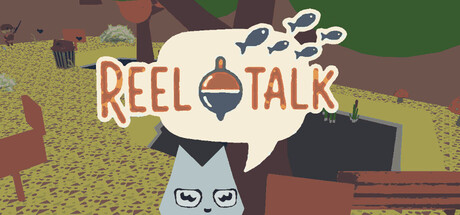
Reel Talk is made by Lost Rabbit Digital: two siblings who handle all the coding, music, writing, and playtesting ourselves, with help from one additional artist, and one musician. We're a tiny team with no outside funding. To keep up, we sometimes use AI tools to brainstorm or generate rough drafts. But nothing ships without our hands on it. Every line of code, every sprite, every track is reviewed, rewritten, and refined by us.
We use AI in early conceptual design, to figure out an appropriate background art. We then go through several iterations manually with artist modifications, to produce a good, highly polished background that gels well with our characters, story and intended art style.
Our characters are hand drawn by humans.
Our objects are hand drawn by humans.
All user interface (UI) elements are hand drawn by humans.
All animations are hand drawn and meticulously rigged (also by humans) using bone animation.
Some visual assets in this game were created with the assistance of Canva AI . AI was only used minimally to transform certain 3D models into stylized 2D artwork, such as phone contact images and small interface visuals.
We use AI tools to assist in development strictly for:
1.Writing boilerplate code and handling repetitive tasks.
2.Adjusting and refining our original texture assets.
3.Polishing the script and text.
All content is manually reviewed and finalized by the team.
I used AI helped me to design the main character; however, the final looking is vastly different then the AI generated. I also plan to use Ai to generate background music for my game.
Some visual assets on the store page and parts of the in-game art were created with the assistance of generative AI tools and then curated, edited, and integrated by the developer (Cag).
Portions of the store page text and the game’s music were created with the assistance of generative AI tools.
Some visual assets such as UI elements, icons,
and promotional images were created or assisted
using generative AI tools. All assets were reviewed,
edited, and implemented by the developer.
No copyrighted material was intentionally replicated.
Initial enemy and card images are supported by AI and some of the promotional and storefront images were also created with AI tools and then refined by hand.
Generative AI tools were used in a supportive role for some character visuals and promotional materials.
All AI-assisted artwork was manually edited and refined.
The game’s design, mechanics, and code were created manually.
Some AI tools were used by the developer for UI design and coding assistance only.
No generative AI was used to create in-game content, visuals, audio, or gameplay mechanics.
All game assets and logic are created or selected by the developer.
As an indie game project, to overcome limitations in budget and time,
this game utilizes AI-generated assets for some visual elements (including character art, background scenes, and UI icons) and music.
All AI-generated content has undergone the following manual processing:
• Frame-by-frame adjustments for detail consistency.
• Redrawing of parts inconsistent with the game's worldbuilding.
Ayu promises that all assets comply with Steam's policies, and the core gameplay and narrative are 100% original.
Thank you for your understanding and support.
Generative artificial intelligence was used during development to assist with creating only a few concept art pieces, while the majority of concept art was drawn by the development team. AI was also used to help polish certain 2D scene visuals. All AI-assisted content was reviewed, refined, and integrated by the team to ensure it fits the game’s artistic vision and quality standards.
AI-generated images were used for some in-game assets including icons and artworks. These assets were generated using image generation AI tools and then edited/refined by the developer. AI translation tools were also used to support localization, with review and editing by the developer. No AI is used during actual gameplay.
Some visual and level assets in this game were created during development with the assistance of generative AI tools and then manually reviewed and finalized by the developer. The game does not use generative AI to create content during gameplay or at runtime.
To bring this vision to life as a solo developer, I have utilized generative AI tools to craft the game’s art, music, and UI. This allowed me to focus 100% of my manual effort on balancing the competitive PvP, PvE, and complex environmental mechanics that define the core experience. Generative AI was used throughout development to create the game's audiovisual content, including 2D environmental assets, emblems, musical, and promotional video materials. All assets have been vetted to ensure they are unique to this project and non-infringing.
Artificial intelligence was used during development to generate certain visual assets, including some crafting item assets, the game icon, and store page visuals.
AI-assisted tools were used for one in-game hand sprite; the rest of the in-game art is hand-drawn. AI-assisted tools were also used for some store/promotional artwork, some music and sound effects, localization assistance, and coding assistance. All AI-assisted content was reviewed, edited, and integrated manually by the developer.
Tic Tac Football uses AI-controlled opponents to allow players to compete in single-player matches, cups, and leagues.
AI players follow the same rules as human players and are designed to provide a fair, accessible challenge focused on positioning, timing, and decision-making rather than speed or complex simulation.
AI was only used to assist in coding. Every idea and implementation is made by me. Currently, all store assets are AI generated images, but are subject and likely to change.
During the development process, AI-based tools are utilized to assist with the creation of visual content only. In all such cases, these tools serve strictly as a support mechanism, and the final product remains a direct reflection of the developer's original vision, design, and standards.
Generative AI was used during development to help with text editing and minor code debugging (mostly because I’m a solo indie dev and needed a hand).
AI is not used in the game itself - all gameplay systems, content, and behavior are handcrafted and not generated in real time.
I applied AI technology to character illustrations and game scenes. However, on this basis, I also carried out manual secondary refinement—the AI-generated assets were not used directly.
Besides, apart from the content mentioned above, all other parts of the game are originally created manually and no AI was employed in their production.
This game makes use of pre-generated AI content.
Usage Details: Visual assets (specifically item sprites) and sound effects were created using generative AI software. The AI served as the primary tool for generating the foundational materials.
Verification: We confirm that all content used is free of illegal or copyright-infringing material.
During the development of this game, generative AI (such as ChatGPT / Gemini) was used to assist in writing parts of the underlying game logic and optimizing code. All AI-assisted code has been manually reviewed, debugged, and refactored by the developer to ensure stability, security, and a smooth gameplay experience. The game does not contain any images, audio, or text content generated by AI in real-time.
AI-assisted tools were used during development to support the creation of visual assets, music, text, and store page materials, as well as for prototyping and scripting assistance. All content was curated, edited, and integrated by the developer, with final creative and technical decisions made by a human.
Currently, AI was used to localize the store page and in-game text from English into other languages. We plan to verify and refine these translations with human speakers soon to ensure the highest quality possible.
Reel Talk is made by Lost Rabbit Digital: two siblings who handle all the coding, music, writing, and playtesting ourselves, with help from one additional artist, and one musician. We're a tiny team with no outside funding. To keep up, we sometimes use AI tools to brainstorm or generate rough drafts. But nothing ships without our hands on it. Every line of code, every sprite, every track is reviewed, rewritten, and refined by us.
We use AI in early conceptual design, to figure out an appropriate background art. We then go through several iterations manually with artist modifications, to produce a good, highly polished background that gels well with our characters, story and intended art style.
Our characters are hand drawn by humans.
Our objects are hand drawn by humans.
All user interface (UI) elements are hand drawn by humans.
All animations are hand drawn and meticulously rigged (also by humans) using bone animation.
Some visual assets in this game were created with the assistance of Canva AI . AI was only used minimally to transform certain 3D models into stylized 2D artwork, such as phone contact images and small interface visuals.
We use AI tools to assist in development strictly for:
1.Writing boilerplate code and handling repetitive tasks.
2.Adjusting and refining our original texture assets.
3.Polishing the script and text.
All content is manually reviewed and finalized by the team.
I used AI helped me to design the main character; however, the final looking is vastly different then the AI generated. I also plan to use Ai to generate background music for my game.
Some visual assets on the store page and parts of the in-game art were created with the assistance of generative AI tools and then curated, edited, and integrated by the developer (Cag).
Portions of the store page text and the game’s music were created with the assistance of generative AI tools.
Some visual assets such as UI elements, icons,
and promotional images were created or assisted
using generative AI tools. All assets were reviewed,
edited, and implemented by the developer.
No copyrighted material was intentionally replicated.
Initial enemy and card images are supported by AI and some of the promotional and storefront images were also created with AI tools and then refined by hand.
Generative AI tools were used in a supportive role for some character visuals and promotional materials.
All AI-assisted artwork was manually edited and refined.
The game’s design, mechanics, and code were created manually.
Some AI tools were used by the developer for UI design and coding assistance only.
No generative AI was used to create in-game content, visuals, audio, or gameplay mechanics.
All game assets and logic are created or selected by the developer.
As an indie game project, to overcome limitations in budget and time,
this game utilizes AI-generated assets for some visual elements (including character art, background scenes, and UI icons) and music.
All AI-generated content has undergone the following manual processing:
• Frame-by-frame adjustments for detail consistency.
• Redrawing of parts inconsistent with the game's worldbuilding.
Ayu promises that all assets comply with Steam's policies, and the core gameplay and narrative are 100% original.
Thank you for your understanding and support.
Generative artificial intelligence was used during development to assist with creating only a few concept art pieces, while the majority of concept art was drawn by the development team. AI was also used to help polish certain 2D scene visuals. All AI-assisted content was reviewed, refined, and integrated by the team to ensure it fits the game’s artistic vision and quality standards.
AI-generated images were used for some in-game assets including icons and artworks. These assets were generated using image generation AI tools and then edited/refined by the developer. AI translation tools were also used to support localization, with review and editing by the developer. No AI is used during actual gameplay.
Some visual and level assets in this game were created during development with the assistance of generative AI tools and then manually reviewed and finalized by the developer. The game does not use generative AI to create content during gameplay or at runtime.