Public Steam disclosure research26,533 disclosures tracked
Where do games disclose AI use?
Search developers’ Steam disclosures, compare classified AI use across
games, and follow recorded changes.
This index adds cross-game classifications and statistics to
statements published on individual store pages.
Groups reflect automatic analysis of public disclosures; mature records are excluded. These counts do not measure AI use across all of Steam.
Missing or unclear statements cannot establish whether a game uses AI.
The translations of this game into English, Spanish, Portuguese, Russian and Chinese were produced with the help of a large language model, working from the German original. The Spanish, Portuguese, Russian and Chinese versions are machine-made and are marked as beta inside the game. The text of this store page and the captions in the trailer were written the same way.
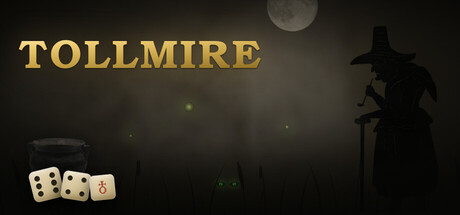
No image, no sound and no music in this game is AI-generated. The symbols come from historical alchemical plates, the witches from the Wellcome Collection, the cauldron from the Smithsonian, the reeds from an 1885 plant atlas.
Pre-generated content: Generative AI tools were used to create the game's visual and audio assets, including card and item artwork, backgrounds, key art and store capsule images, and the background music. The developer directed, selected, edited and integrated all AI-generated assets. Game design, rules and balance were created by the developer. No content is generated live by AI during gameplay.
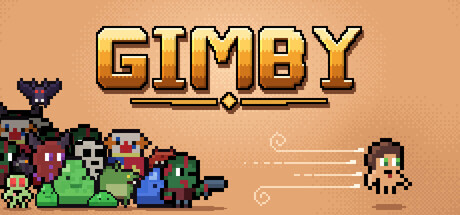
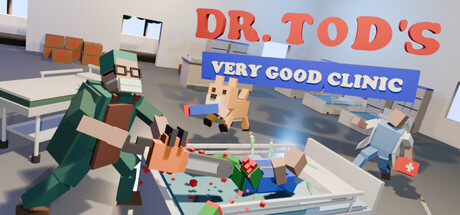
This was created by a developer who used AI to assist with concept images, 3D model creation, and assets. Each piece was meticulously placed by an actual person. We're comedians, not professional artists.
We used AI to generate the code, UI assets, localization, and promotional materials for this project (the reference images for the AI were sourced from *Oath of Miko*).
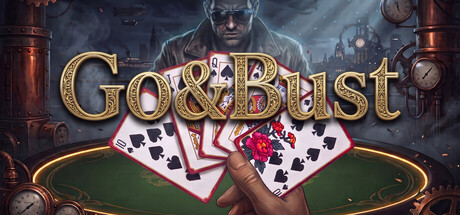
Generative AI tools were used to create the game logo and some promotional artwork for the Steam store page. The generated content was reviewed, cropped, edited, and arranged by the developer before publication. The game does not use generative AI to generate content during gameplay.
AI tools were used to help write the game's code and make some placeholder sprites and text. All placeholder art/text is being removed by me, and i'm getting help with the removal/cleanup of AI code.
AIpark offers optional local AI image and short-video creation, with a bundled starter image model and downloadable video models. Generation is user-initiated and runs locally. Sexually explicit content generation is prohibited.
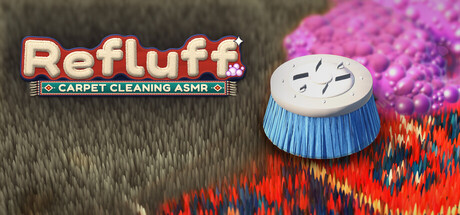
Some 3D models in this game - the cleaning tool heads - were created with an AI 3D model generation tool and then edited by hand. Everything else was made without generative AI: the simulation and code, the sound effects (real recordings), the carpet photographs and all store page artwork. No content is generated by AI while you play.
Generative AI was used during development to create visual art, sound effects, music, and text/localization, including store and marketing assets. These assets were reviewed, selected, and integrated by the developer. The game does not generate AI content during gameplay.
This game was developed with the help of generative AI tools. AI was used to create pre-generated content that ships with the game: the balloon artwork, menu backgrounds, achievement icons and other visual assets, the music, the sound effects, and parts of the in-game text and the German/English localization. AI coding assistants were also used during development. All content was selected, edited and assembled by the developer. No content is generated by AI while you play.
Generative AI tools were used during development to assist with the game's code, the logo and store artwork, the in-game tournament posters, the synthesized sound effects, the store texts and the trailer edit. All content was reviewed and directed by the developer. No AI-generated content is created at runtime.
Generative AI was used for reference images for some 3D models, materials and images, and store artwork. Certain portions of tooling workflows for asset creation are driven by AI agents. AI was also used to assist with written text and translations. All AI-assisted content, including AI-generated translations, was reviewed, edited, and approved by the development team before being included in the final game. No content is generated by AI during gameplay.
An AI coding assistant (Claude, Anthropic) was used under the developer's direction to help write the game's code, some in-game text and the note tables of its music, which is then rendered by our own synthesis code and a licensed instrument sample library. No audio-generation, image-generation or voice models were used: no AI-generated artwork, 3D models, voice or sound recordings ship in the game, on the store page or in marketing materials. Every shipped track is logged in a provenance ledger and checked against YouTube Content ID
Some environment, item, interface, and branding artwork was created with assistance from generative AI and then selected, edited, and integrated by the developer. AI tools also assisted with drafting or translating some text and localization, which were reviewed by the developer. The game does not use live-generated AI content during gameplay.
Character, monster, and item artwork in this game was pre-generated using AI image generation tools (FLUX.1). No AI-generated content is created live during gameplay, and the game does not connect to any third-party AI service at runtime.
Decorative artwork and background shop-window textures in the game, as well as Steam store capsule artwork, library artwork, logos and icons, were generated with AI before release. No AI content is generated during gameplay.
This game utilizes AI for the localization and translation of language content, and employs AI to generate the basic materials for in-game graphic resources (requiring manual post-processing). Additionally, the music in the game is also generated using AI
The music and some of the images were created using artificial intelligence. Localization into some languages was performed using artificial intelligence.
The in-game text translations (26 languages), as well as this store page's texts and their translations, were prepared with the help of generative AI tools. No AI-generated content is produced while you play.
Some of the store page description was drafted with generative AI writing assistance and then reviewed and edited by the developer. This game does not use generative AI to create content during gameplay.
Parts of the artwork and audio in Shred Inc. — including textures, images and sound effects — were created using generative AI tools and then reviewed and edited by hand. The same applies to some of the store page and marketing material. No content is generated by AI during gameplay, and the game does not connect to any external AI service.
All characters, creatures and the world of Vampus are designed and art-directed by the developer, a visual artist. Many designs started from the developer's own drawings and paintings. Generative AI tools (Microsoft Copilot and Meshy) were used to develop some of the designs and to turn them into 3D models and textures. Story and music are made by the developer.
From the moment I understood the weakness of my flesh, it disgusted me. I craved the strength and certainty of steel. I aspired to the purity of the blessed machine. Your kind cling to your flesh as if it will not decay and fail you. One day, the crude biomass you call a temple will wither, and you will beg my kind to save you. But I am already saved. For the Machine is Immortal.
AI is used to assist with the localization and translation of the game's store page and in game text. It is also used to assist with some simple voice interactions, such as goblin growls and battle cries, as well as basic texture adjustments that fit the game's low poly visual style.
Generative AI was used during development to create the mascot and some promotional artwork, and to help prepare written content and interface translations. Earthwind does not generate AI content during use or send microphone audio or imported scores to an AI service.
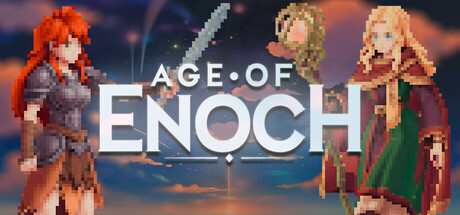
Generative AI was used during development to create visual assets, including character illustrations, backgrounds, and UI artwork, as well as portions of the written text. The generated content was edited and adapted to fit the game's setting and presentation.
This game uses generative AI for creating textures, assisting with coding, and localizing text. All of this was produced during development, and the game does not use AI to generate new content while you play.
Made by an ordinary person building a game for the first time, with generative AI tools helping throughout.
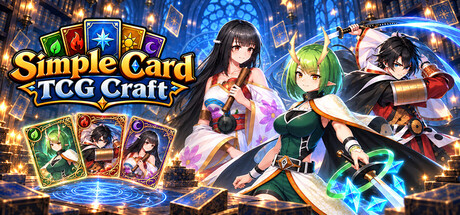
The card illustrations, 3D models, music and sound effects, game code, and the localized text translated from the original Korean were all produced with AI tools. I picked through the results and edited them by hand before putting them in the game.
Everything was generated ahead of time and shipped inside the build. Nothing is generated live while you play.
Generative AI tools were used as development assistants for selected visual assets, code, and localization drafts. All AI-assisted outputs were reviewed, edited, adapted, and integrated by the development team. The final creative direction, game design, implementation, and quality control were handled by humans. No content is generated by AI during gameplay.