Public Steam disclosure research25,394 disclosures tracked
Where do games disclose AI use?
Search developers’ Steam disclosures, compare classified AI use across
games, and follow recorded changes.
This index adds cross-game classifications and statistics to
statements published on individual store pages.
Groups reflect automatic analysis of public disclosures; mature records are excluded. These counts do not measure AI use across all of Steam.
Missing or unclear statements cannot establish whether a game uses AI.
Some 2D art in Scalpers’ Spoils began as AI-assisted concepts and were then hand-edited and finalized by our artist. No AI runs during gameplay, and players do not submit prompts or generate content in-game.
Some of the character designs and 3D models in this game were created using generative AI tools. Animations, environments, and gameplay systems were designed and implemented manually.
Escape the Maze was developed by a solo developer. Some elements of the game, including store page visuals and text, were created using generative AI tools during development. All final assets have been carefully reviewed and manually refined to ensure accuracy, quality, and full compliance with Steam’s content guidelines.
The game also features AI-controlled enemy behavior, such as a zombie that chases players in the maze. However, no live-generated AI content is used during gameplay.
We are using an AI-generated capsule image for our market research and testing phase. Once we wrap up these tests, we will create and share the final hand-painted capsule art.
Some icons and visual elements used in promotional materials and on the store page were created with the help of artificial intelligence tools, with the aim of complementing the visual identity of the collection. The game content itself does not use AI.
For the creation of certain visual assets, such as promo art, icons, and capsules for the Steam page, we used tools based on generative artificial intelligence. This allowed us, as a small team, to bring our artistic vision to life and produce vivid images that capture the atmosphere of the game.
We've used AI tools to assist in creating certain visual assets for Challenger X, including in-game visuals, the game's logo, and its cover art. Our priority is to deliver a compelling experience, and AI helps us achieve that by enhancing the game's presentation. We are committed to transparency and ensuring all core gameplay elements are crafted with care.
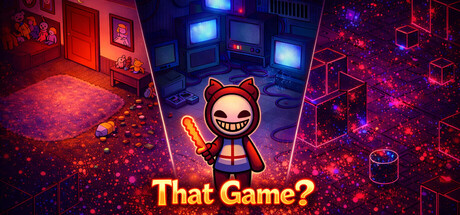
Yes. That Game? uses generative AI (for example ElevenLabs) to create some of the
voice-over lines used in the game. All AI-generated audio is pre-recorded during
development, not generated live while the game is running, and every line is
reviewed and approved by the developer. The game does not allow users to create
their own AI-generated content.
AI was used to enhance the cover art and during the iteration phase of designing textures and object details. It provided design ideas but not finished products or assets.
There is no AI present in FLH which generates content or produces output of any kind.
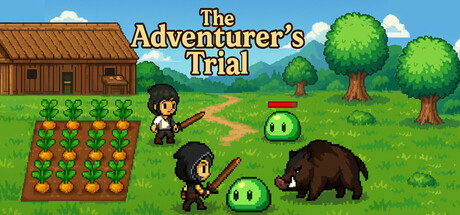
Some of the visual assets in The Adventurer’s Trial were initially created with the help of AI tools, and then carefully modified, refined, and integrated by hand to fit the game’s art style. All final in-game content has been reviewed and adjusted by the developer to ensure consistency and quality.
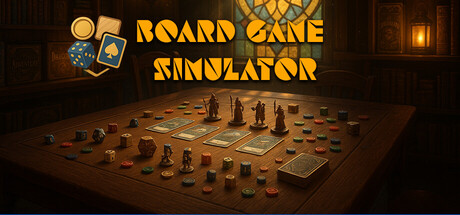
This game uses AI technology to create detailed and authentic 3D meshes of game pieces and components, enhancing the visual experience and making the digital board feel as close to the physical version as possible. It also leverages AI to generate background images for game menus and to create capsule images for Steam
Code & Development: AI tools were used to assist in organizing code structure and suggesting specific functions or methods. However, the vast majority of the game’s codebase was manually written and audited by the developer to ensure quality and performance.
Text & Marketing: AI was utilized to help draft and refine the text used in the "About This Game" section and the short description on the Steam Store page.
Generative AI was utilized during development to create Steam capsule designs, in-game UI assets, and the trailer music. All assets produced using AI are fully owned and licensed for commercial use by us.
The entire game is coded by hand without any AI.
Midjourney is used for card art. The game is a solo side-project, and this was to one thing I could not do myself.
Some team logos were created with the assistance of artificial intelligence and later manually refined. Promotional images were not generated by AI, but AI tools were used to adjust their final appearance. The main theme music was composed using an AI tool (Suno). No AI-generated content is created during gameplay.
We use generative AI tools in a very limited way to create minor in-game image assets and a small amount of marketing materials, always with human oversight and input. All core game content is carefully designed, authored, and curated by our development team to ensure quality and originality.
In Banana of Doom, AI takes the cards you play, pits them against each other, and generates funny, creative text reasons for the outcome then reveals them to the player
Some 2D art in Scalpers’ Spoils began as AI-assisted concepts and were then hand-edited and finalized by our artist. No AI runs during gameplay, and players do not submit prompts or generate content in-game.
Some of the character designs and 3D models in this game were created using generative AI tools. Animations, environments, and gameplay systems were designed and implemented manually.
Escape the Maze was developed by a solo developer. Some elements of the game, including store page visuals and text, were created using generative AI tools during development. All final assets have been carefully reviewed and manually refined to ensure accuracy, quality, and full compliance with Steam’s content guidelines.
The game also features AI-controlled enemy behavior, such as a zombie that chases players in the maze. However, no live-generated AI content is used during gameplay.
We are using an AI-generated capsule image for our market research and testing phase. Once we wrap up these tests, we will create and share the final hand-painted capsule art.
Some icons and visual elements used in promotional materials and on the store page were created with the help of artificial intelligence tools, with the aim of complementing the visual identity of the collection. The game content itself does not use AI.
For the creation of certain visual assets, such as promo art, icons, and capsules for the Steam page, we used tools based on generative artificial intelligence. This allowed us, as a small team, to bring our artistic vision to life and produce vivid images that capture the atmosphere of the game.
We've used AI tools to assist in creating certain visual assets for Challenger X, including in-game visuals, the game's logo, and its cover art. Our priority is to deliver a compelling experience, and AI helps us achieve that by enhancing the game's presentation. We are committed to transparency and ensuring all core gameplay elements are crafted with care.
Yes. That Game? uses generative AI (for example ElevenLabs) to create some of the
voice-over lines used in the game. All AI-generated audio is pre-recorded during
development, not generated live while the game is running, and every line is
reviewed and approved by the developer. The game does not allow users to create
their own AI-generated content.
AI was used to enhance the cover art and during the iteration phase of designing textures and object details. It provided design ideas but not finished products or assets.
There is no AI present in FLH which generates content or produces output of any kind.
Some of the visual assets in The Adventurer’s Trial were initially created with the help of AI tools, and then carefully modified, refined, and integrated by hand to fit the game’s art style. All final in-game content has been reviewed and adjusted by the developer to ensure consistency and quality.
This game uses AI technology to create detailed and authentic 3D meshes of game pieces and components, enhancing the visual experience and making the digital board feel as close to the physical version as possible. It also leverages AI to generate background images for game menus and to create capsule images for Steam
Code & Development: AI tools were used to assist in organizing code structure and suggesting specific functions or methods. However, the vast majority of the game’s codebase was manually written and audited by the developer to ensure quality and performance.
Text & Marketing: AI was utilized to help draft and refine the text used in the "About This Game" section and the short description on the Steam Store page.
Generative AI was utilized during development to create Steam capsule designs, in-game UI assets, and the trailer music. All assets produced using AI are fully owned and licensed for commercial use by us.
The entire game is coded by hand without any AI.
Midjourney is used for card art. The game is a solo side-project, and this was to one thing I could not do myself.
Some team logos were created with the assistance of artificial intelligence and later manually refined. Promotional images were not generated by AI, but AI tools were used to adjust their final appearance. The main theme music was composed using an AI tool (Suno). No AI-generated content is created during gameplay.
We use generative AI tools in a very limited way to create minor in-game image assets and a small amount of marketing materials, always with human oversight and input. All core game content is carefully designed, authored, and curated by our development team to ensure quality and originality.
In Banana of Doom, AI takes the cards you play, pits them against each other, and generates funny, creative text reasons for the outcome then reveals them to the player