Public Steam disclosure research25,394 disclosures tracked
Where do games disclose AI use?
Search developers’ Steam disclosures, compare classified AI use across
games, and follow recorded changes.
This index adds cross-game classifications and statistics to
statements published on individual store pages.
Groups reflect automatic analysis of public disclosures; mature records are excluded. These counts do not measure AI use across all of Steam.
Missing or unclear statements cannot establish whether a game uses AI.
This game is primarily hand-drawn and artist-created. A very small number of development assets were lightly assisted with AI tools, but no live AI generation occurs during gameplay. The vast majority of in-game assets, environments, characters, and cinematics are traditionally created by the developer.
Some store and in-game artworks were created using generative AI tools. All assets have been reviewed and edited to meet the game's artistic direction and quality standards.
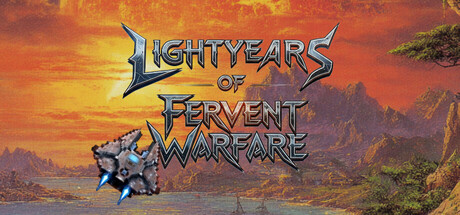
As a one-person indie dev on a small island, with a clear idea, some programming skillz, minimal artistic talent, and practically zero funding, using AI has helped me actually to finish developing Lightyears of Fervent Warfare.
I started developing LoFW during COVID-19, when I began learning game development as a hobby during Seychelles' lockdown. I had coded my MSc project in C# and was able to code everything by hand. I was even able to design the pixel graphics on my own. Then COVID-19 ended, life continued, and LoFW was left in the dust.
This year, I experimented with the Cursor and Midjourney AIs and discovered that I could leverage them to continue developing my game part-time. Using Cursor to modify my existing code and generate new code via vibe coding helped me implement features quickly. This gave me the time to focus on the actual game design, the feature set, and testing. And while I still work on most of the pixel graphics by hand, using Midjourney to generate more complex graphics has helped me save time and resources that I don't yet have.
Sure, using AI still takes time; I can be pedantic and tend to modify and optimise everything manually. Chastising AIs, reviewing code, and doing manual edits to the graphics are now part of my workflow. AI shenanigans notwithstanding, I do hope that you'll support my game!
Some of the visual assets in The Adventurer’s Trial were initially created with the help of AI tools, and then carefully modified, refined, and integrated by hand to fit the game’s art style. All final in-game content has been reviewed and adjusted by the developer to ensure consistency and quality.
We used generative AI (Leonardo AI) during the development process solely to generate some of the game’s artwork. These images are static and were created before release. The game does not include any runtime generative AI features, and no new AI-generated content is created during gameplay. All AI-generated assets are licensed for commercial use.
We use AI tools only for marketing concept development and brainstorming. All game content, assets, code, and gameplay systems are created entirely by our human development team. AI helps us explore marketing ideas and generate reference drafts for promotional materials, which are then recreated by our human designers ♥
This game is the result of individual development. AI was used as a supportive tool for brainstorming, as well as for experimentation in programming, graphics, and music. No AI-generated content was included in the game without modification: every element was revised, edited, and manually refined for the final version.
Some visual assets used on the store page (such as promotional key art and background elements) were initially created with the assistance of generative AI tools and then manually refined and edited by our art team. No in-game content is generated using AI during gameplay.
Some early drafts of marketing texts were generated using AI and later reviewed and edited by a human.
Some art, music, and code structures in this game were assisted by AI tools during development.
All outputs have been reviewed, refined, and integrated by human developers to ensure consistent style and high-quality gameplay experience.
During the development of this game, AI tools were utilized to accelerate the production process and to assist a solo developer in realizing their vision. The use of AI was concentrated in two main areas:
Coding and Software Development: This AI language model (Gemini) was used as an assistant for writing, debugging, and refactoring the game's C# scripts for Unity. All code logic, game design, and final architectural decisions were directed by the developer. Code snippets generated by the AI were reviewed and integrated into the project by the developer.
3D Model and Asset Generation: AI-powered image and model generation tools were used to create some of the 3D models and other visual assets in the game. These tools served as a source of inspiration and a starting point to speed up the development workflow. All generated assets were curated, edited, and finalized by the developer to fit the artistic vision of the game.
The creative vision, game design, and the final version of the game were shaped entirely by human direction and effort.
Some store page and library artworks were created using generative AI. All AI-generated images were manually edited, enhanced, and finalized by the developer. No AI was used for gameplay assets, models, sounds, or UI elements.
This game uses pre-generated AI images for the game. While navigating the menus, you'll see AI-generated images for menu backgrounds and buttons. The game's runtime (.exe) file icon and store images are also AI-generated.
This game uses AI-assisted tools to generate certain visual assets, such as character portraits and concept art. These assets were curated and refined by the developer to ensure quality and originality.
Some images and icons in the game were generated with AI and post-processed manually.
In-game music and voice-overs are AI generated.
More details on my use of AI in my devlog: https://lemuria.org/devlogs/ta-07/
We used AI tools (such as ChatGPT or Claude) to assist to a certain extent with C++ and Blueprint scripting during development. No AI-generated content is present in the final game assets. All visual, audio, and narrative content was created by the development team.
This game is primarily hand-drawn and artist-created. A very small number of development assets were lightly assisted with AI tools, but no live AI generation occurs during gameplay. The vast majority of in-game assets, environments, characters, and cinematics are traditionally created by the developer.
Some store and in-game artworks were created using generative AI tools. All assets have been reviewed and edited to meet the game's artistic direction and quality standards.
As a one-person indie dev on a small island, with a clear idea, some programming skillz, minimal artistic talent, and practically zero funding, using AI has helped me actually to finish developing Lightyears of Fervent Warfare.
I started developing LoFW during COVID-19, when I began learning game development as a hobby during Seychelles' lockdown. I had coded my MSc project in C# and was able to code everything by hand. I was even able to design the pixel graphics on my own. Then COVID-19 ended, life continued, and LoFW was left in the dust.
This year, I experimented with the Cursor and Midjourney AIs and discovered that I could leverage them to continue developing my game part-time. Using Cursor to modify my existing code and generate new code via vibe coding helped me implement features quickly. This gave me the time to focus on the actual game design, the feature set, and testing. And while I still work on most of the pixel graphics by hand, using Midjourney to generate more complex graphics has helped me save time and resources that I don't yet have.
Sure, using AI still takes time; I can be pedantic and tend to modify and optimise everything manually. Chastising AIs, reviewing code, and doing manual edits to the graphics are now part of my workflow. AI shenanigans notwithstanding, I do hope that you'll support my game!
Some of the visual assets in The Adventurer’s Trial were initially created with the help of AI tools, and then carefully modified, refined, and integrated by hand to fit the game’s art style. All final in-game content has been reviewed and adjusted by the developer to ensure consistency and quality.
We used generative AI (Leonardo AI) during the development process solely to generate some of the game’s artwork. These images are static and were created before release. The game does not include any runtime generative AI features, and no new AI-generated content is created during gameplay. All AI-generated assets are licensed for commercial use.
We use AI tools only for marketing concept development and brainstorming. All game content, assets, code, and gameplay systems are created entirely by our human development team. AI helps us explore marketing ideas and generate reference drafts for promotional materials, which are then recreated by our human designers ♥
This game is the result of individual development. AI was used as a supportive tool for brainstorming, as well as for experimentation in programming, graphics, and music. No AI-generated content was included in the game without modification: every element was revised, edited, and manually refined for the final version.
Some visual assets used on the store page (such as promotional key art and background elements) were initially created with the assistance of generative AI tools and then manually refined and edited by our art team. No in-game content is generated using AI during gameplay.
Some early drafts of marketing texts were generated using AI and later reviewed and edited by a human.
Some art, music, and code structures in this game were assisted by AI tools during development.
All outputs have been reviewed, refined, and integrated by human developers to ensure consistent style and high-quality gameplay experience.
During the development of this game, AI tools were utilized to accelerate the production process and to assist a solo developer in realizing their vision. The use of AI was concentrated in two main areas:
Coding and Software Development: This AI language model (Gemini) was used as an assistant for writing, debugging, and refactoring the game's C# scripts for Unity. All code logic, game design, and final architectural decisions were directed by the developer. Code snippets generated by the AI were reviewed and integrated into the project by the developer.
3D Model and Asset Generation: AI-powered image and model generation tools were used to create some of the 3D models and other visual assets in the game. These tools served as a source of inspiration and a starting point to speed up the development workflow. All generated assets were curated, edited, and finalized by the developer to fit the artistic vision of the game.
The creative vision, game design, and the final version of the game were shaped entirely by human direction and effort.
Some store page and library artworks were created using generative AI. All AI-generated images were manually edited, enhanced, and finalized by the developer. No AI was used for gameplay assets, models, sounds, or UI elements.
This game uses pre-generated AI images for the game. While navigating the menus, you'll see AI-generated images for menu backgrounds and buttons. The game's runtime (.exe) file icon and store images are also AI-generated.
This game uses AI-assisted tools to generate certain visual assets, such as character portraits and concept art. These assets were curated and refined by the developer to ensure quality and originality.
Some images and icons in the game were generated with AI and post-processed manually.
In-game music and voice-overs are AI generated.
More details on my use of AI in my devlog: https://lemuria.org/devlogs/ta-07/
We used AI tools (such as ChatGPT or Claude) to assist to a certain extent with C++ and Blueprint scripting during development. No AI-generated content is present in the final game assets. All visual, audio, and narrative content was created by the development team.