Public Steam disclosure research25,497 disclosures tracked
Where do games disclose AI use?
Search developers’ Steam disclosures, compare classified AI use across
games, and follow recorded changes.
This index adds cross-game classifications and statistics to
statements published on individual store pages.
Groups reflect automatic analysis of public disclosures; mature records are excluded. These counts do not measure AI use across all of Steam.
Missing or unclear statements cannot establish whether a game uses AI.
This game does not use AI for player-facing features. Players do not interact with AI systems, and the game does not connect to any external AI services. AI tools were only used during development to help identify code errors and provide a starting point for fixing some technical issues. All gameplay content is pre-made and manually reviewed.
Some development tools using machine-learning assistance were part of the early asset-creation workflow.
These tools were used only to generate rough drafts or initial references, and all final in-game assets were manually edited, redrawn, or recreated by the developer.
Visuals: Some UI elements utilize materials based on AI-generated content that have been processed and edited. All primary artwork is handcrafted.
Audio: AI was utilized and adjusted to align with the game’s unique world and atmosphere.
Translation: AI was used to create the initial draft for the English localization, which was then manually reviewed and refined by the developer.
AI was used to generate the majority of the visual assets and large portions of common code in Python, Cython, and Shaders. The models used span ChatGPT 3 to 5. No live AI generation occurs during game. All assets are pre-rendered and packaged.
"The game's visual and audio assets (art, sound, music, and primary narrative) do not contain generative AI content. The development process utilized standard algorithmic tools for code generation and debugging assistance. Gameplay relies on basic procedural and deterministic logic (e.g., enemy spawning, score calculation)."
Rift Investigations uses AI in three core ways: First, every mystery case is procedurally generated by AI,
creating unique investigations with original characters, clues, and solutions—no two cases are ever the same.
Second, you can interrogate NPCs using natural language questions; an AI system generates contextual, believable
responses based on what each character knows and their relationship to the crime. Third, all character portraits
and location backgrounds are AI-generated to visually bring each procedurally-created case to life. The power of AI enables infinite replayability
with genuinely different detective stories each time you play.
This project may contain minimum AI generated content such as 2D sprite & voice lines, etc. We try to hand make everything as much as possible but we are a small team and occasionally we do use AI generated content.
This title uses lightweight local AI to generate character conversations in real time.
Each playthrough features dynamic character interactions and evolving stories, letting you enjoy action within a living, breathing world.
We use AI in early conceptual design, to figure out an appropriate background art. We then go through several iterations manually with artist modifications, to produce a good, highly polished background that gels well with our characters, story and intended art style.
Our characters are hand drawn by humans.
Our objects are hand drawn by humans.
All user interface (UI) elements are hand drawn by humans.
All animations are hand drawn and meticulously rigged (also by humans) using bone animation.
Generative AI was used only to create a few illustrations shown as short comic-style scenes at the beginning and end of the game, as well as some promotional artwork (capsules and banners).
These images do not affect gameplay or appear as part of the interactive experience. All game mechanics, characters, and environments were created manually.
All AI-generated illustrations were created specifically for this project, and I have full rights to use and distribute them.
Some UI assets in War Pawns were created with the assistance of generative AI tools during development. These assets were reviewed, selected, and integrated by the developer as part of the game’s user interface. Generative AI was used only for pre-generated interface visuals, and the game does not use AI-generated content during gameplay. All gameplay systems, design, and programming were created manually.
Some of the promotional and storefront images were created with AI tools and then refined by hand. All of the in-game assets were designed by a 3D artist.
This game uses generative AI only to create a player character’s 3D head. The AI uses a fixed set of pre-approved traits and does not allow text prompts, user uploads, copyrighted references, brands, or trademarked characters.
All outputs are controlled and reviewed to ensure they follow Steam’s guidelines.
The story, narrative, and core implementation are entirely human-made.
AI tools were used for supporting elements in voice acting (ElevenLabs), imagery, music production, and video. Less than 15% of videographic content used AI generation (primarily edited in Canva and Filmora).
Our two-person team meticulously guided and refined all AI-assisted content, spending hours to meet specific narrative and quality requirements. We specifically chose ElevenLabs as they contribute directly to Voice Actors through royalties and licensing deals.
Special thanks to the Pixabay community for providing the high-quality audio alternatives used when the GenAI Content toggle is inactive.
The developer's description of how AI-generated content is used in the game is as follows:
Certain artistic assets in this work were produced using Stable Diffusion, including but not limited to: scene images, loading images, and select item icons.
I use it to review my code for efficiency and to spark inspiration for some art. It also helps with generating secondary or background art elements, but the core creative work and vision are all mine!
AI tools were used during development to assist with game code and visual design. The AI helped with coding support, debugging suggestions, and creating certain visual assets such as icons and background elements. No AI-generated content is produced in real time during gameplay — all AI-assisted work was done before release to improve development efficiency and visual quality.
This game uses Artificial Intelligence tools only to generate pre-rendered content such as promotional images, concept art, and some non-essential visual elements. The music tracks are also AI-generated. No part of the gameplay uses AI in real time; no levels, code, or dynamic content are generated during play.
All gameplay, level design, programming, and mechanics were created manually, with AI assistance only used to solve specific issues and speed up the development process. Artificial Intelligence does not intervene in or modify the player’s experience during gameplay.
This game does not use AI during gameplay.
However, certain promotional images on the store page were partially created or enhanced using AI-based tools.
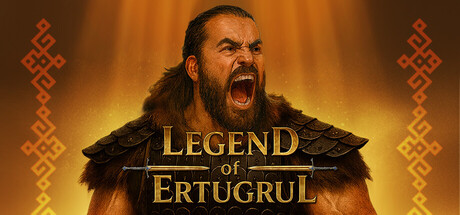
Legend of Ertuğrul is a story-driven action game featuring fixed content created by the development team.
During development, AI tools were used only for idea generation, text drafting, and the initial design stage of certain character visuals.
These visuals were then edited, repainted, or composited by the development team to create the final versions.
The game does not include any real-time AI content generation or user-created content features.
All texts, sounds, models, and code in the game were originally created by the developers or obtained from licensed sources.
This game does not use AI for player-facing features. Players do not interact with AI systems, and the game does not connect to any external AI services. AI tools were only used during development to help identify code errors and provide a starting point for fixing some technical issues. All gameplay content is pre-made and manually reviewed.
Some development tools using machine-learning assistance were part of the early asset-creation workflow.
These tools were used only to generate rough drafts or initial references, and all final in-game assets were manually edited, redrawn, or recreated by the developer.
Visuals: Some UI elements utilize materials based on AI-generated content that have been processed and edited. All primary artwork is handcrafted.
Audio: AI was utilized and adjusted to align with the game’s unique world and atmosphere.
Translation: AI was used to create the initial draft for the English localization, which was then manually reviewed and refined by the developer.
AI was used to generate the majority of the visual assets and large portions of common code in Python, Cython, and Shaders. The models used span ChatGPT 3 to 5. No live AI generation occurs during game. All assets are pre-rendered and packaged.
"The game's visual and audio assets (art, sound, music, and primary narrative) do not contain generative AI content. The development process utilized standard algorithmic tools for code generation and debugging assistance. Gameplay relies on basic procedural and deterministic logic (e.g., enemy spawning, score calculation)."
Rift Investigations uses AI in three core ways: First, every mystery case is procedurally generated by AI,
creating unique investigations with original characters, clues, and solutions—no two cases are ever the same.
Second, you can interrogate NPCs using natural language questions; an AI system generates contextual, believable
responses based on what each character knows and their relationship to the crime. Third, all character portraits
and location backgrounds are AI-generated to visually bring each procedurally-created case to life. The power of AI enables infinite replayability
with genuinely different detective stories each time you play.
This project may contain minimum AI generated content such as 2D sprite & voice lines, etc. We try to hand make everything as much as possible but we are a small team and occasionally we do use AI generated content.
This title uses lightweight local AI to generate character conversations in real time.
Each playthrough features dynamic character interactions and evolving stories, letting you enjoy action within a living, breathing world.
We use AI in early conceptual design, to figure out an appropriate background art. We then go through several iterations manually with artist modifications, to produce a good, highly polished background that gels well with our characters, story and intended art style.
Our characters are hand drawn by humans.
Our objects are hand drawn by humans.
All user interface (UI) elements are hand drawn by humans.
All animations are hand drawn and meticulously rigged (also by humans) using bone animation.
Generative AI was used only to create a few illustrations shown as short comic-style scenes at the beginning and end of the game, as well as some promotional artwork (capsules and banners).
These images do not affect gameplay or appear as part of the interactive experience. All game mechanics, characters, and environments were created manually.
All AI-generated illustrations were created specifically for this project, and I have full rights to use and distribute them.
Some UI assets in War Pawns were created with the assistance of generative AI tools during development. These assets were reviewed, selected, and integrated by the developer as part of the game’s user interface. Generative AI was used only for pre-generated interface visuals, and the game does not use AI-generated content during gameplay. All gameplay systems, design, and programming were created manually.
Some of the promotional and storefront images were created with AI tools and then refined by hand. All of the in-game assets were designed by a 3D artist.
This game uses generative AI only to create a player character’s 3D head. The AI uses a fixed set of pre-approved traits and does not allow text prompts, user uploads, copyrighted references, brands, or trademarked characters.
All outputs are controlled and reviewed to ensure they follow Steam’s guidelines.
The story, narrative, and core implementation are entirely human-made.
AI tools were used for supporting elements in voice acting (ElevenLabs), imagery, music production, and video. Less than 15% of videographic content used AI generation (primarily edited in Canva and Filmora).
Our two-person team meticulously guided and refined all AI-assisted content, spending hours to meet specific narrative and quality requirements. We specifically chose ElevenLabs as they contribute directly to Voice Actors through royalties and licensing deals.
Special thanks to the Pixabay community for providing the high-quality audio alternatives used when the GenAI Content toggle is inactive.
The developer's description of how AI-generated content is used in the game is as follows:
Certain artistic assets in this work were produced using Stable Diffusion, including but not limited to: scene images, loading images, and select item icons.
I use it to review my code for efficiency and to spark inspiration for some art. It also helps with generating secondary or background art elements, but the core creative work and vision are all mine!
AI tools were used during development to assist with game code and visual design. The AI helped with coding support, debugging suggestions, and creating certain visual assets such as icons and background elements. No AI-generated content is produced in real time during gameplay — all AI-assisted work was done before release to improve development efficiency and visual quality.
This game uses Artificial Intelligence tools only to generate pre-rendered content such as promotional images, concept art, and some non-essential visual elements. The music tracks are also AI-generated. No part of the gameplay uses AI in real time; no levels, code, or dynamic content are generated during play.
All gameplay, level design, programming, and mechanics were created manually, with AI assistance only used to solve specific issues and speed up the development process. Artificial Intelligence does not intervene in or modify the player’s experience during gameplay.
This game does not use AI during gameplay.
However, certain promotional images on the store page were partially created or enhanced using AI-based tools.
Legend of Ertuğrul is a story-driven action game featuring fixed content created by the development team.
During development, AI tools were used only for idea generation, text drafting, and the initial design stage of certain character visuals.
These visuals were then edited, repainted, or composited by the development team to create the final versions.
The game does not include any real-time AI content generation or user-created content features.
All texts, sounds, models, and code in the game were originally created by the developers or obtained from licensed sources.