








Disclosure
Pixel art, sound and music via AI tools, curated by the developer. No AI is present during gameplay.
- Creator
- Christian Forner
- Reviews
- -
- Added
- Aug 16, 2026
Public Steam disclosure research 25,514 disclosures tracked
Search developers’ Steam disclosures, compare classified AI use across games, and follow recorded changes. This index adds cross-game classifications and statistics to statements published on individual store pages.
Code help, debugging and other development work.
Capsule art, trailers and promotional material.
Pre-made art, audio, writing and other game assets.
Interactive or runtime AI features disclosed by the developer.
Groups reflect automatic analysis of public disclosures; mature records are excluded. These counts do not measure AI use across all of Steam. Missing or unclear statements cannot establish whether a game uses AI.
Pixel art, sound and music via AI tools, curated by the developer. No AI is present during gameplay.
Yes — pre-rendered only (no real-time generative AI during gameplay). Generative AI tools were used to create or refine some visual assets (UI, images, marketing / store materials) and parts of text / localization. Gameplay, code and game design are made and reviewed by the studio. No AI content is generated live during play.
Some sound effects and visual assets in the game were created with the assistance of generative AI tools.
Generative AI was used to create the title background and logo.
Generative AI was used in the creation of BFX/SFX audio assets. No generative AI was used for the game's artwork.
Guttering Light's content was created using generative AI tools, with every piece prompted, curated, and integrated by the game's solo developer. All AI-generated content is pre-generated: it was reviewed and hand-finished during development, and nothing is generated while you play.
Generative AI tools were used as part of the development workflow for selected visual and audio asset refinement and production. All final content is reviewed and edited by the developer. No generative AI is used during gameplay.
The game's source code was written with Claude Code, an AI coding tool by Anthropic, under the developer's direction and review.
Some of the capsule artwork on this store page was created with the help of AI tools. No AI-generated content is used in the game's in-game art, code, audio or text.
Neverrest uses generative AI tools during development to assist with the creation of some pre-rendered 2D artwork and visual assets. All AI-assisted content is reviewed, edited, and integrated by the developer. The game does not generate AI content during gameplay.
We used IA to help us with translation for the following languages: Spanish, Chinese, Japanese, German, Russian, Portuguese.
only for cover title and background, not in game
This game uses AI-generated content in terms of art assets and game code.
During development, OpenAI image generation tools were used to create portions of the game's 2D artwork, including characters, monsters, backgrounds, UI elements, and icons. Suno was used to create portions of the background music, and ElevenLabs was used to create portions of the sound effects. Generative AI was also used as a drafting and editing aid for some in-game writing and localization. All generated material was selected, edited, processed, and reviewed by the developer before inclusion in the game. The game does not connect to generative AI services at runtime and does not generate content from player input.
This game uses generative AI for the following: Images: the source material for both the scene artwork and the item icons (backpack, hand cart and so on) is photographs taken by the developer — the scenes in the lanes, stairwells and apartment courtyards of Anping, Tainan; the items shot as physical objects. Each photograph is processed first — removing things that should not appear in frame, commercial branding, and anything touching on privacy — and then stylised into animation by AI. Music: planned to be AI-generated (not yet implemented). Localisation: Traditional Chinese is the language the game is written in. Every other language — English, Japanese, German, and Taiwanese Pe̍h-ōe-jī — is AI-translated, with no native-speaker editing pass. If you find a mistake, please do tell me. Store page and marketing images also include AI-generated elements.
Some artwork featured in MISFORTUNATE was created with the assistance of generative AI tools.
Some content was created with the help of neural networks; all materials were reviewed and edited by hand. The game does not generate anything with AI at runtime.
AI-generated content is used in this product. The store page capsule artwork was created using an AI image generation tool. Portions of the store page description text were drafted with the assistance of an AI writing tool and reviewed/edited by the developer.
All music is human-made. AI was used for art, sound effects, and programming.
Swarmvore was built by a solo developer using generative AI tools for the game's code, art, and text. Every piece of content went through many rounds of prompting, testing, and refining, and every creative decision, from mechanics to tone to visual style, was made by the developer.
This work incorporates the use of generative artificial intelligence (AI) in the following areas: Parts of the artwork, parts of the sound, and localization.
I'm not a professional game developer or artist. Making my own game had been a dream for years, but I never knew how to turn that dream into reality. Generative AI became the tool that finally made it possible. With its help, I created many of the game's visual and audio assets, including item, UI, skill, and module icons, character portraits, ships, space stations, backgrounds, the game icon, the Steam store artwork, and some of the sound effects. It also assisted me with programming. But Star Corsairs is not a game that AI simply generated. Every asset was reviewed, rejected, refined, or replaced until it matched the vision I had in mind. Every gameplay system was designed, tested, and reworked repeatedly until it felt right. The economy, ship balance, pirate AI, combat, and progression were all shaped through countless hours of playtesting and manual iteration. The story, world, and all of the writing were created by me. Without generative AI, this game would probably never have existed. But without the countless creative decisions, revisions, and work behind every part of it, Star Corsairs wouldn't exist either.
Generative AI was used during development to create visual assets, including UI elements, icons, backgrounds, and puzzle images.
The global economy, events, NPC dialogue and behaviors, and the choices your Storyteller makes use a lightweight, local LLM that runs with the game.
Music composed in Udio studio
Art for character and backgrounds were made with AI. LLM were used for translations.
Generative AI tools were used to assist in creating initial visual assets (such as background textures and UI elements). All generated assets have been manually edited, refined, and integrated into the game by the developer.
Generative AI tools were used during development to assist with portions of the game's pre-generated 2D artwork, marketing artwork, localization drafts, and development code. All player-facing AI-assisted content was generated before release, selected, reviewed, edited where needed, tested, and integrated by the developer. The game does not generate or modify content with AI during gameplay and does not send player input to an external AI service.
The images on the store page are created using AI
Some scenes were generated using AI
Some in-game artwork (slot machine cabinet art, icons, and store page marketing images) was created with generative AI tools, then reviewed, selected, and post-processed by the developer. The game does not generate any content in real time.
Pre-generated AI-assisted content is used in some 2D artwork, including unit sprites, character portraits, card illustrations, battlefield backgrounds, visual effects, UI decorative elements, and store and marketing artwork. AI assistance was also used for portions of in-game text and English/Japanese localization. All such content is generated before release and curated and edited by the developer. The game does not generate content during gameplay and does not connect to a generative AI service at runtime.
Generative artwork is used in the creation of part or full of assets that can not be generated by the game engine. AI is used in the drafting of art and writing before it is reviewed and heavily edited.
This game includes pre-generated artwork and music created with the assistance of generative AI. All generated content was reviewed and curated by the developer. The game does not generate AI content during gameplay.
Portions of this game's written content were drafted with the assistance of Anthropic's Claude, under the direction of the developer, and were reviewed and edited by a human before inclusion. All artwork is procedurally rendered by the game's own code. No generative AI images are used. No AI content is generated during gameplay.
The game to contain art assets generated by artificial intelligence
Generative AI was used during development to assist in the creation of certain pre-generated game content, including some in-game visual art assets, the game’s title logo, and promotional materials for the Steam store page. All final content was reviewed, curated, edited, and implemented by the developer. No generative AI is used at runtime, and the game does not generate live AI content for players.
AI was used to generate music and game store art.
Generative AI was used during development to create and refine some pre-generated visual assets, including cat character and animation sprites, backgrounds, decorative items, achievement icons, and selected store and marketing artwork. Every generated asset was reviewed, edited, and integrated by the developer before inclusion. The game does not generate AI content at runtime and does not connect to external AI services during play.
Generative AI was used for deep game simulation to assist with designing difficulty curves and testing in game mathmatical calculations. It was also used for designing alternative UI Models for cosmetic changes. Game Design, layout, original creations, music, sound, story, plots, etc. were Designed entirely by the Creator.
Artists use AI tools to assist with image generations and creating variants Store assets use AI generated images
As a solo project, Vibin & Survivin leverages AI assistance for asset design, audio generation, and coding support. This allowed me to punch above my weight class as a single developer and focus on crafting tight, responsive action-roguelike gameplay!
This game was developed with substantial help from generative AI: the pixel art (in-game art, capsules and icons), the code, much of the text, and the translations were produced with AI assistance and then reviewed, refined, and directed by the developer.
The 2D background images in the main menu and the promotional (capsule) designs used on the Steam store page were created with the help of generative AI tools and subsequently edited manually. The characters, battlefields, and in-game pixel art graphics that make up the core game experience are completely outside of this scope.
I use AI to help me translate and create plugins.
Certain visual assets incorporated into the final product were subject to a multi-stage development, revision, and production process involving, at intermediate stages of asset preparation, generative AI-assisted material, together with subsequent developer-directed editing, alteration, reconstruction, and final implementation.
AI-powered graphic and music generation
AI was used for translations and some of the in-game and store artwork.
AI was used for UI and some translations. No AI was used for creative content, progression balanceament nor any game-design related.
We use a translation AI tool to allow us to help more players play this game comfortably
| Title⇅ | Disclosure | Creator⇅ | Src | Reviews⇅ | Added↓ |
|---|---|---|---|---|---|
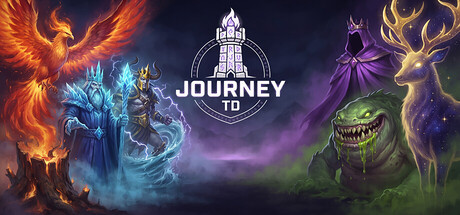 Journey TD In-game content artaudio | Pixel art, sound and music via AI tools, curated by the developer.
No AI is present during gameplay. | Christian Forner | - | Aug 16, 2026 | |
 Capitalize In-game content arttext | Yes — pre-rendered only (no real-time generative AI during gameplay).
Generative AI tools were used to create or refine some visual assets (UI, images, marketing / store materials) and parts of text / localization. Gameplay, code and game design are made and reviewed by the studio. No AI content is generated live during play. | JL Games Studio | - | Aug 16, 2026 | |
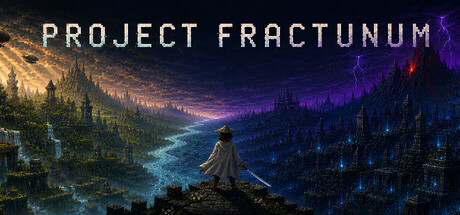 Project: Fractunum In-game content artaudio | Some sound effects and visual assets in the game were created with the assistance of generative AI tools. | Avalorix Interactive | - | Aug 16, 2026 | |
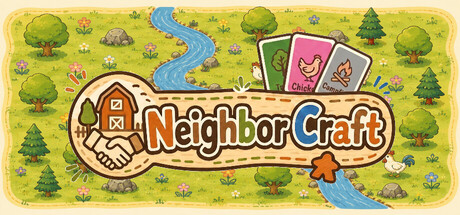 Neighbor Craft Store/marketing art | Generative AI was used to create the title background and logo. | FortL | - | Aug 16, 2026 | |
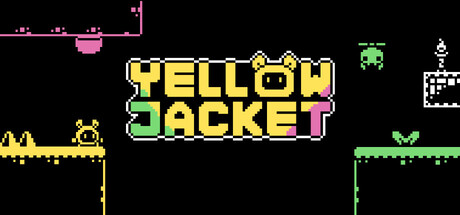 YellowJacket In-game content audio | Generative AI was used in the creation of BFX/SFX audio assets. No generative AI was used for the game's artwork. | BusyPotato | - | Aug 16, 2026 | |
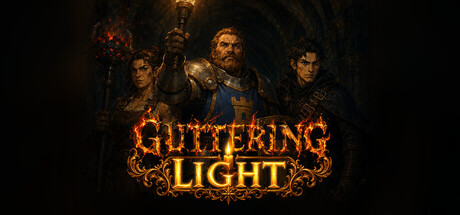 Guttering Light In-game content arttext | Guttering Light's content was created using generative AI tools, with every piece prompted, curated, and integrated by the game's solo developer. All AI-generated content is pre-generated: it was reviewed and hand-finished during development, and nothing is generated while you play. | Harrowmere Studios LLC | - | Aug 16, 2026 | |
 Moonhollow In-game content artaudio | Generative AI tools were used as part of the development workflow for selected visual and audio asset refinement and production. All final content is reviewed and edited by the developer. No generative AI is used during gameplay. | Questfinity | - | Aug 16, 2026 | |
 HOSHIKUI Dev only code | The game's source code was written with Claude Code, an AI coding tool by Anthropic, under the developer's direction and review. | rspepe | - | Aug 16, 2026 | |
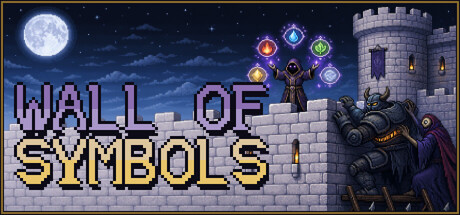 Wall of Symbols Store/marketing art | Some of the capsule artwork on this store page was created with the help of AI tools. No AI-generated content is used in the game's in-game art, code, audio or text. | Canis Majoris | - | Aug 16, 2026 | |
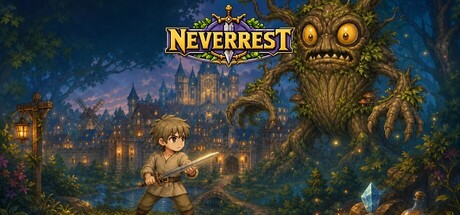 Neverrest In-game content art | Neverrest uses generative AI tools during development to assist with the creation of some pre-rendered 2D artwork and visual assets. All AI-assisted content is reviewed, edited, and integrated by the developer. The game does not generate AI content during gameplay. | Enjoyoor | - | Aug 16, 2026 | |
 Winters at Silky Peak In-game content text | We used IA to help us with translation for the following languages:
Spanish, Chinese, Japanese, German, Russian, Portuguese. | ACCRO BAT | - | Aug 16, 2026 | |
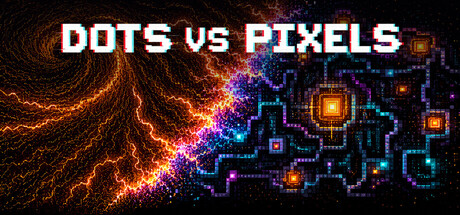 DOTS VS PIXELS Store/marketing art | only for cover title and background, not in game | VOXELMANA | - | Aug 16, 2026 | |
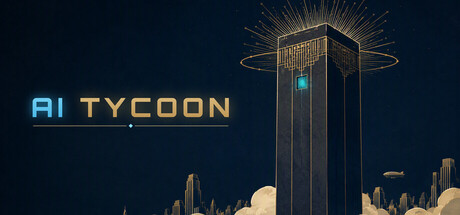 AI tycoon In-game content artcode | This game uses AI-generated content in terms of art assets and game code. | Icarus Games | - | Aug 16, 2026 | |
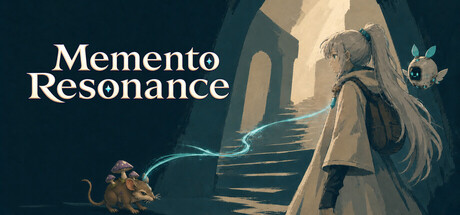 Memento Resonance In-game content artaudiotext | During development, OpenAI image generation tools were used to create portions of the game's 2D artwork, including characters, monsters, backgrounds, UI elements, and icons. Suno was used to create portions of the background music, and ElevenLabs was used to create portions of the sound effects. Generative AI was also used as a drafting and editing aid for some in-game writing and localization.
All generated material was selected, edited, processed, and reviewed by the developer before inclusion in the game. The game does not connect to generative AI services at runtime and does not generate content from player input. | Lipcat Games | - | Aug 16, 2026 | |
 安平 An-pêng In-game content artaudiotext | This game uses generative AI for the following:
Images: the source material for both the scene artwork and the item icons (backpack, hand cart and so on) is photographs taken by the developer — the scenes in the lanes, stairwells and apartment courtyards of Anping, Tainan; the items shot as physical objects. Each photograph is processed first — removing things that should not appear in frame, commercial branding, and anything touching on privacy — and then stylised into animation by AI.
Music: planned to be AI-generated (not yet implemented).
Localisation: Traditional Chinese is the language the game is written in. Every other language — English, Japanese, German, and Taiwanese Pe̍h-ōe-jī — is AI-translated, with no native-speaker editing pass. If you find a mistake, please do tell me.
Store page and marketing images also include AI-generated elements. | 灰森 Grayson.TW | - | Aug 16, 2026 | |
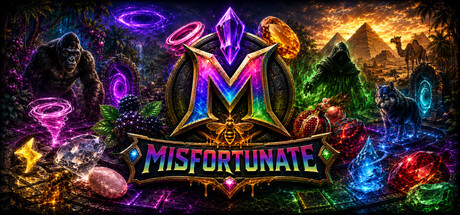 MISFORTUNATE In-game content art | Some artwork featured in MISFORTUNATE was created with the assistance of generative AI tools. | Shapyra Games | - | Aug 16, 2026 | |
 Descry In-game content arttextaudio | Some content was created with the help of neural networks; all materials were reviewed and edited by hand. The game does not generate anything with AI at runtime. | BigTop | - | Aug 16, 2026 | |
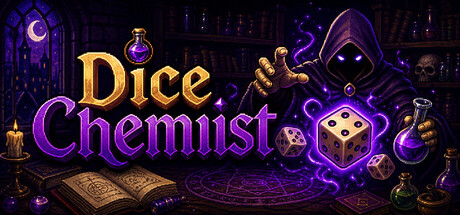 Dice Chemist Store/marketing arttext | AI-generated content is used in this product. The store page capsule artwork was created using an AI image generation tool. Portions of the store page description text were drafted with the assistance of an AI writing tool and reviewed/edited by the developer. | Jihwan | - | Aug 16, 2026 | |
 Rogue Space Convoy In-game content artaudio | All music is human-made.
AI was used for art, sound effects, and programming. | Delti LLC | - | Aug 16, 2026 | |
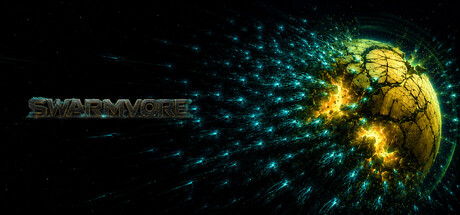 Swarmvore In-game content arttextcode | Swarmvore was built by a solo developer using generative AI tools for the game's code, art, and text. Every piece of content went through many rounds of prompting, testing, and refining, and every creative decision, from mechanics to tone to visual style, was made by the developer. | Panda Games | - | Aug 16, 2026 | |
 IJIN: History Survivors In-game content artaudiotext | This work incorporates the use of generative artificial intelligence (AI) in the following areas:
Parts of the artwork, parts of the sound, and localization. | SF Create | - | Aug 16, 2026 | |
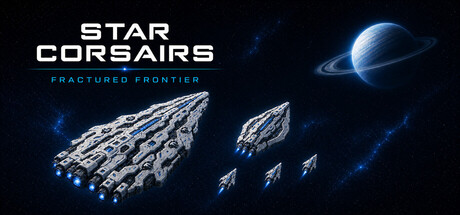 Star Corsairs: Fractured Frontier In-game content artaudiocode | I'm not a professional game developer or artist. Making my own game had been a dream for years, but I never knew how to turn that dream into reality. Generative AI became the tool that finally made it possible.
With its help, I created many of the game's visual and audio assets, including item, UI, skill, and module icons, character portraits, ships, space stations, backgrounds, the game icon, the Steam store artwork, and some of the sound effects. It also assisted me with programming.
But Star Corsairs is not a game that AI simply generated. Every asset was reviewed, rejected, refined, or replaced until it matched the vision I had in mind. Every gameplay system was designed, tested, and reworked repeatedly until it felt right. The economy, ship balance, pirate AI, combat, and progression were all shaped through countless hours of playtesting and manual iteration. The story, world, and all of the writing were created by me.
Without generative AI, this game would probably never have existed. But without the countless creative decisions, revisions, and work behind every part of it, Star Corsairs wouldn't exist either. | Tagir Nabiullin | - | Aug 16, 2026 | |
 Puzzle Clash In-game content art | Generative AI was used during development to create visual assets, including UI elements, icons, backgrounds, and puzzle images. | Haejjaem Studio | - | Aug 16, 2026 | |
 Epoch Forge Live AI text | The global economy, events, NPC dialogue and behaviors, and the choices your Storyteller makes use a lightweight, local LLM that runs with the game. | Vaporware Software | - | Aug 16, 2026 | |
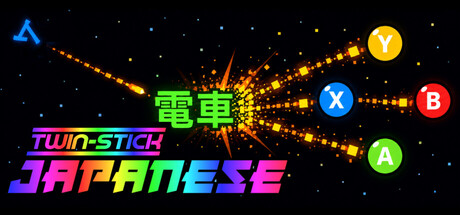 Twin-stick Japanese In-game content audio | Music composed in Udio studio | Top Kicker | - | Aug 16, 2026 | |
 Same Time Tomorrow In-game content arttext | Art for character and backgrounds were made with AI.
LLM were used for translations. | KHQ | - | Aug 16, 2026 | |
 Across the Dark In-game content art | Generative AI tools were used to assist in creating initial visual assets (such as background textures and UI elements). All generated assets have been manually edited, refined, and integrated into the game by the developer. | Dayeong Song | - | Aug 16, 2026 | |
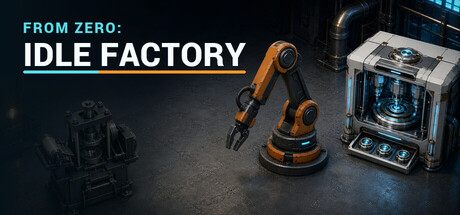 From Zero: Idle Factory In-game content arttextcode | Generative AI tools were used during development to assist with portions of the game's pre-generated 2D artwork, marketing artwork, localization drafts, and development code. All player-facing AI-assisted content was generated before release, selected, reviewed, edited where needed, tested, and integrated by the developer. The game does not generate or modify content with AI during gameplay and does not send player input to an external AI service. | Cartoon Rocket Games | - | Aug 16, 2026 | |
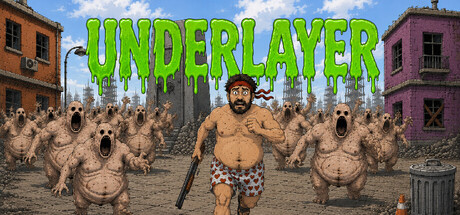 The Underlayer Store/marketing art | The images on the store page are created using AI | Real Pixel Game | - | Aug 16, 2026 | |
 塑风之恋-A Wind-Shaped Love In-game content art | Some scenes were generated using AI | Time | - | Aug 16, 2026 | |
 Childhood Slots In-game content art | Some in-game artwork (slot machine cabinet art, icons, and store page marketing images) was created with generative AI tools, then reviewed, selected, and post-processed by the developer. The game does not generate any content in real time. | Kaite Li | - | Aug 16, 2026 | |
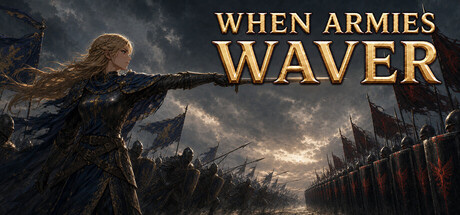 WHEN ARMIES WAVER In-game content arttext | Pre-generated AI-assisted content is used in some 2D artwork, including unit sprites, character portraits, card illustrations, battlefield backgrounds, visual effects, UI decorative elements, and store and marketing artwork. AI assistance was also used for portions of in-game text and English/Japanese localization. All such content is generated before release and curated and edited by the developer. The game does not generate content during gameplay and does not connect to a generative AI service at runtime. | LDMV Works | - | Aug 16, 2026 | |
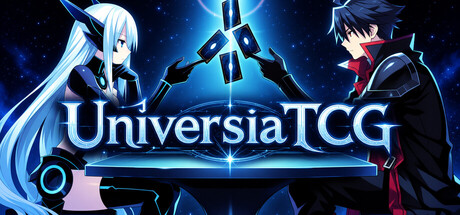 UniversiaTCG In-game content arttext | Generative artwork is used in the creation of part or full of assets that can not be generated by the game engine. AI is used in the drafting of art and writing before it is reviewed and heavily edited. | Toad & Luck Dragon | - | Aug 16, 2026 | |
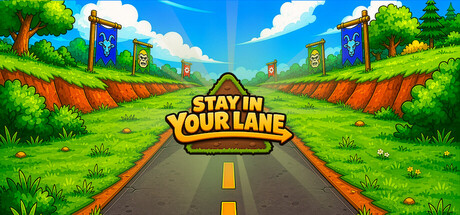 Stay in Your Lane In-game content artaudio | This game includes pre-generated artwork and music created with the assistance of generative AI. All generated content was reviewed and curated by the developer. The game does not generate AI content during gameplay. | Sol Elan | - | Aug 16, 2026 | |
 Total Synthesis In-game content text | Portions of this game's written content were drafted with the assistance of Anthropic's Claude, under the direction of the developer, and were reviewed and edited by a human before inclusion. All artwork is procedurally rendered by the game's own code. No generative AI images are used. No AI content is generated during gameplay. | Sinter Labs LLC | - | Aug 16, 2026 | |
 Pulse://Void In-game content art | The game to contain art assets generated by artificial intelligence | Gamesforgames | - | Aug 16, 2026 | |
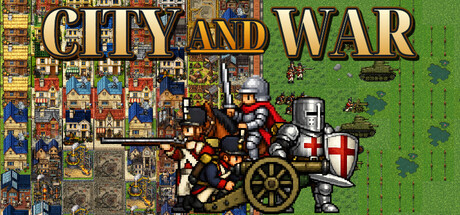 City and War In-game content art | Generative AI was used during development to assist in the creation of certain pre-generated game content, including some in-game visual art assets, the game’s title logo, and promotional materials for the Steam store page. All final content was reviewed, curated, edited, and implemented by the developer. No generative AI is used at runtime, and the game does not generate live AI content for players. | Baicheng Zhang | - | Aug 16, 2026 | |
 Questing: A Tick's Tale In-game content audioart | AI was used to generate music and game store art. | John F Montgomery II | - | Aug 16, 2026 | |
 My Desktop Cat In-game content art | Generative AI was used during development to create and refine some pre-generated visual assets, including cat character and animation sprites, backgrounds, decorative items, achievement icons, and selected store and marketing artwork. Every generated asset was reviewed, edited, and integrated by the developer before inclusion. The game does not generate AI content at runtime and does not connect to external AI services during play. | hirsch-dev | - | Aug 16, 2026 | |
 Legacy of the Ark: Beneath the Broken Sky In-game content codeart | Generative AI was used for deep game simulation to assist with designing difficulty curves and testing in game mathmatical calculations. It was also used for designing alternative UI Models for cosmetic changes.
Game Design, layout, original creations, music, sound, story, plots, etc. were Designed entirely by the Creator. | Broken Ark Studios | - | Aug 16, 2026 | |
 War Table Arena Store/marketing art | Artists use AI tools to assist with image generations and creating variants
Store assets use AI generated images | Rusalka Unreal Labs | - | Aug 16, 2026 | |
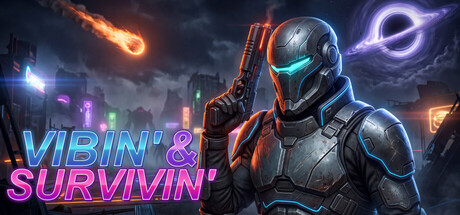 Vibin' & Survivin' In-game content artaudiocode | As a solo project, Vibin & Survivin leverages AI assistance for asset design, audio generation, and coding support. This allowed me to punch above my weight class as a single developer and focus on crafting tight, responsive action-roguelike gameplay! | GoudaGames | - | Aug 16, 2026 | |
 Vale Primordial In-game content arttext | This game was developed with substantial help from generative AI: the pixel art (in-game art, capsules and icons), the code, much of the text, and the translations were produced with AI assistance and then reviewed, refined, and directed by the developer. | Primordial Studio | - | Aug 16, 2026 | |
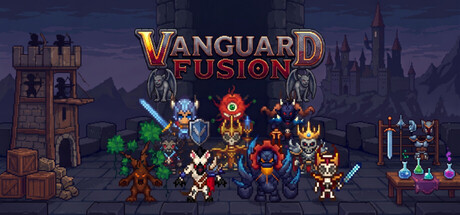 Vanguard Fusion In-game content art | The 2D background images in the main menu and the promotional (capsule) designs used on the Steam store page were created with the help of generative AI tools and subsequently edited manually. The characters, battlefields, and in-game pixel art graphics that make up the core game experience are completely outside of this scope. | Epicold Interactive | - | Aug 16, 2026 | |
 ソラの教室 : Classroom in Sora In-game content text | I use AI to help me translate and create plugins. | hypo- | - | Aug 16, 2026 | |
 Gameoverd In-game content art | Certain visual assets incorporated into the final product were subject to a multi-stage development, revision, and production process involving, at intermediate stages of asset preparation, generative AI-assisted material, together with subsequent developer-directed editing, alteration, reconstruction, and final implementation. | Daniel Manzie | - | Aug 16, 2026 | |
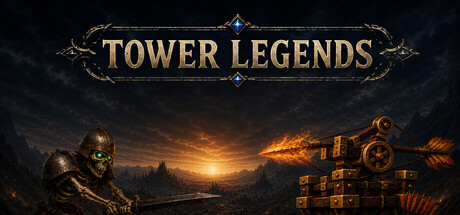 Tower Legends In-game content artaudio | AI-powered graphic and music generation | Saradoc Games | - | Aug 16, 2026 | |
 Daily Botanica In-game content textart | AI was used for translations and some of the in-game and store artwork. | Cyvana | - | Aug 16, 2026 | |
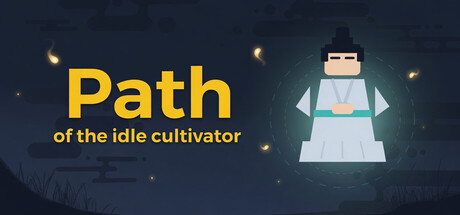 Path of the idle cultivator In-game content text | AI was used for UI and some translations. No AI was used for creative content, progression balanceament nor any game-design related. | Wuxia dev | - | Aug 16, 2026 | |
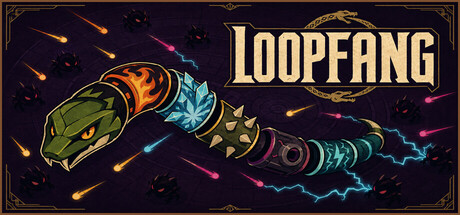 LOOPFANG In-game content text | We use a translation AI tool to allow us to help more players play this game comfortably | MnD | - | Aug 16, 2026 |


