Public Steam disclosure research25,394 disclosures tracked
Where do games disclose AI use?
Search developers’ Steam disclosures, compare classified AI use across
games, and follow recorded changes.
This index adds cross-game classifications and statistics to
statements published on individual store pages.
Groups reflect automatic analysis of public disclosures; mature records are excluded. These counts do not measure AI use across all of Steam.
Missing or unclear statements cannot establish whether a game uses AI.
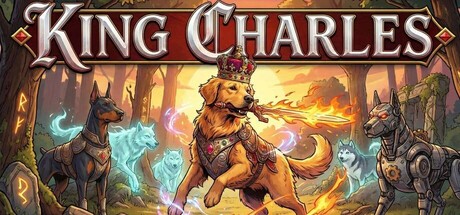
A handful of key art pieces, concept illustrations, and store-page graphics were generated with AI image-generation software to help communicate King Charles’s look and tone. This use of AI is limited strictly to marketing materials.
Some of the game’s 2D artwork was created by feeding my original 3D models and hand drawn sketches to a generative model. I further edited and refined the output using digital painting to match the game’s style and maintain a cohesive visual identity.
As a two-person indie team, we utilize AI-assisted tools for artwork, voice acting, and select textual content. This allows us to:
✓ Maintain visual consistency
✓ Accelerate content iteration
✓ Focus on perfecting core gameplay
All AI-generated assets are manually curated to align with the game's vision. We're committed to continuously refining the final quality.
Artificial intelligence technologies were utilized in the development process of this game for the creation of audio and text-based content.
Character voiceovers, music, sound effects, and certain in-game text/dialogues were pre-generated using AI tools. All such generated audio and written content has been manually reviewed, verified, and edited by the developer to ensure it meets the game's quality standards. No live (runtime) AI generation occurs during gameplay.
Some promotional art – specifically the splash screen and store-page key art – was first drafted with a generative-AI tool and then hand-edited before final export. No AI-generated content appears in gameplay or any in-game visuals.
I have used AI to machine translate the in-game texts to languages other than danish and english.
I would very much like your help in refining these translations, if you come across something that is really off. Thank you in advance.
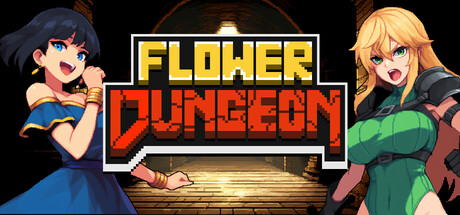
Generative AI tools were used in the development of Flower Dungeon.
Tools used: NovelAI, SUNO
Scope of use: Backgrounds, enemy and hero illustrations, and background music
Currently using AI for music / sounds, and I may use it for some art while the artist does their move across country. There will be ZERO gen-ai content in the final product. These will be used for place holders / testing purposes ONLY.
Some of the game's visual elements were created using AI tools during the development stage (for example, the design of Albums). Artists manually refined all such materials. Generative AI is not used in the gameplay and does not generate any content during the game.
Some of the game's visual elements were created using AI tools during the development stage (for example, the design of Albums). Artists manually refined all such materials. Generative AI is not used in the gameplay and does not generate any content during the game.
As a solo developer, I wore a lot of hats while making this game, from coding to design and everything in between. To help speed things up and focus more on gameplay and polish, I used some generative AI tools during development:
Visuals: A few in-game and store assets, such as textures, images, and concept references, were created with the help of AI tools, then edited and refined to match the look and feel I was going for.
Code Assistance: I also occasionally used AI to help with coding, mostly for brainstorming solutions, catching bugs faster, or speeding up repetitive tasks.
At the end of the day, every part of this game went through my hands. AI was just one of many tools in the toolbox. All creative direction, design choices, and final implementations were made by me.
Some visual assets used in this game, on its Steam store page, and in related marketing materials were created or enhanced with generative AI tools. All final assets were reviewed, manually edited where needed, and selected by the developer.
AI tools were used during development as a creative support tool.
They were primarily used for early graphical sketches and for code-related assistance such as debugging, helping me efficiently combine drawing, coding, composing, and story writing as a solo developer.
No AI-generated content is used directly in the final game.
All assets, code, music, and narrative content were created, refined, and implemented manually.
The use of AI was purely supportive and inspirational, serving as a catalyst for creativity rather than a source of finished content.
Transparency in the development process is important to me, which is why I am openly disclosing this here.
In order to create better backgrounds and focus on the core parts of the game, we used AI to help create some of the backgrounds and props in the game. After the AI generates these images, our artists still need to make detailed modifications to them to ensure that the style of the backgrounds and props matches the environment, worldview, UI, and characters drawn by our talented artists.
Embedded LLM for generating lore friendly Daily Journal based on event happening in the Outpost.
Might contains placeholder assets created during prototype to be replaced later during development.
Certain marketing and store materials were partially assisted by generative AI tools to support the solo development process. All in-game visuals and assets were created manually by artists, reflecting genuine human artistry and design.
A handful of key art pieces, concept illustrations, and store-page graphics were generated with AI image-generation software to help communicate King Charles’s look and tone. This use of AI is limited strictly to marketing materials.
Some of the game’s 2D artwork was created by feeding my original 3D models and hand drawn sketches to a generative model. I further edited and refined the output using digital painting to match the game’s style and maintain a cohesive visual identity.
As a two-person indie team, we utilize AI-assisted tools for artwork, voice acting, and select textual content. This allows us to:
✓ Maintain visual consistency
✓ Accelerate content iteration
✓ Focus on perfecting core gameplay
All AI-generated assets are manually curated to align with the game's vision. We're committed to continuously refining the final quality.
Artificial intelligence technologies were utilized in the development process of this game for the creation of audio and text-based content.
Character voiceovers, music, sound effects, and certain in-game text/dialogues were pre-generated using AI tools. All such generated audio and written content has been manually reviewed, verified, and edited by the developer to ensure it meets the game's quality standards. No live (runtime) AI generation occurs during gameplay.
Some promotional art – specifically the splash screen and store-page key art – was first drafted with a generative-AI tool and then hand-edited before final export. No AI-generated content appears in gameplay or any in-game visuals.
I have used AI to machine translate the in-game texts to languages other than danish and english.
I would very much like your help in refining these translations, if you come across something that is really off. Thank you in advance.
Generative AI tools were used in the development of Flower Dungeon.
Tools used: NovelAI, SUNO
Scope of use: Backgrounds, enemy and hero illustrations, and background music
Currently using AI for music / sounds, and I may use it for some art while the artist does their move across country. There will be ZERO gen-ai content in the final product. These will be used for place holders / testing purposes ONLY.
Some of the game's visual elements were created using AI tools during the development stage (for example, the design of Albums). Artists manually refined all such materials. Generative AI is not used in the gameplay and does not generate any content during the game.
Some of the game's visual elements were created using AI tools during the development stage (for example, the design of Albums). Artists manually refined all such materials. Generative AI is not used in the gameplay and does not generate any content during the game.
As a solo developer, I wore a lot of hats while making this game, from coding to design and everything in between. To help speed things up and focus more on gameplay and polish, I used some generative AI tools during development:
Visuals: A few in-game and store assets, such as textures, images, and concept references, were created with the help of AI tools, then edited and refined to match the look and feel I was going for.
Code Assistance: I also occasionally used AI to help with coding, mostly for brainstorming solutions, catching bugs faster, or speeding up repetitive tasks.
At the end of the day, every part of this game went through my hands. AI was just one of many tools in the toolbox. All creative direction, design choices, and final implementations were made by me.
Some visual assets used in this game, on its Steam store page, and in related marketing materials were created or enhanced with generative AI tools. All final assets were reviewed, manually edited where needed, and selected by the developer.
AI tools were used during development as a creative support tool.
They were primarily used for early graphical sketches and for code-related assistance such as debugging, helping me efficiently combine drawing, coding, composing, and story writing as a solo developer.
No AI-generated content is used directly in the final game.
All assets, code, music, and narrative content were created, refined, and implemented manually.
The use of AI was purely supportive and inspirational, serving as a catalyst for creativity rather than a source of finished content.
Transparency in the development process is important to me, which is why I am openly disclosing this here.
In order to create better backgrounds and focus on the core parts of the game, we used AI to help create some of the backgrounds and props in the game. After the AI generates these images, our artists still need to make detailed modifications to them to ensure that the style of the backgrounds and props matches the environment, worldview, UI, and characters drawn by our talented artists.
Embedded LLM for generating lore friendly Daily Journal based on event happening in the Outpost.
Might contains placeholder assets created during prototype to be replaced later during development.
Certain marketing and store materials were partially assisted by generative AI tools to support the solo development process. All in-game visuals and assets were created manually by artists, reflecting genuine human artistry and design.