Public Steam disclosure research25,517 disclosures tracked
Where do games disclose AI use?
Search developers’ Steam disclosures, compare classified AI use across
games, and follow recorded changes.
This index adds cross-game classifications and statistics to
statements published on individual store pages.
Groups reflect automatic analysis of public disclosures; mature records are excluded. These counts do not measure AI use across all of Steam.
Missing or unclear statements cannot establish whether a game uses AI.
Generative AI tools were used during development to assist with some in-game artwork, promotional/store artwork, and several music tracks. All AI-assisted content was reviewed and approved by the developer before use. The game does not use generative AI during runtime.
Some music and visual artwork included in the game were created or enhanced using generative AI-assisted tools. AI-assisted coding tools were also used during development to help write and refine portions of the game’s code. Every AI-assisted element was reviewed, edited, selected, integrated, and tested by the developer before inclusion. No AI content is generated during gameplay, and the game does not connect to external AI services. All AI-assisted content included with the game is fixed and pre-generated.
Generative AI tools were used during development to assist with drafts and revisions of some pre-generated in-game text, interface copy, localization, and store and library artwork. All resulting content is selected, edited, and reviewed by the developer before shipping. The game does not generate content with AI at runtime.
This game was developed with AI coding agents (Anthropic Claude / OpenAI Codex). All in-game pixel art (ingredients, relics, character faces, UI) is rendered by drawing code and pixel-placement scripts written by these agents; no diffusion/image-generation model output is included. Music and SFX are procedurally generated at runtime from AI-assisted code. In-game text, store page copy, and translations into 10 languages were produced with AI assistance and reviewed by the developer. Trailer scripts and captions were also AI-assisted. All content has been reviewed by the developer.
Generative AI was used in the creation of visual assets for this game, including characters, backgrounds, and stage maps.
AI-assisted coding tools were also used during the development of the game.
The game does not use generative AI to create content in real time during gameplay.
Customer voice lines were pre-generated with edge-tts (neural TTS) and shipped in the build (assets/voice/).
If store capsules or marketing art also used generative AI, that still counts as “Yes.” If you later replace all VO with human recordings and ship no AI-generated assets, change the answer to “No.”
Generative AI tools were used during development to assist with creating some texture images, promotional/banner images, and code development. AI was also used to help review, test, and debug code, identify potential issues, and suggest improvements. All generated or AI-assisted content was reviewed, selected, and integrated by the developer.
Some in-game card illustrations were created with the assistance of generative AI during development. No content is generated by AI during gameplay, and the game does not connect to any external AI services while playing.
Some assets in this game were created with the help of generative AI. Generative AI was used to produce background art, background music, sound effects, and in-game icons.
Metlivi Adventure uses generative AI to create certain in-game content, including narrative text, visual elements, and, where applicable, music. AI-generated content is used to support dynamic, player-driven adventures.
Some of the textures and images in this game were created with the help of generative AI tools, and AI tools also assisted with the game's localization and store page text. All of this content was reviewed and edited by the developer before release.
Developed and tested under human creative direction with generative AI assistance for game code, audio and promo materials. Some skin patterns for customization of character and ball were AI generated. Maps, 3D assets and animations were bought from artists. The game does not use live-generated AI during gameplay.
This game uses generative AI tools to assist in creating early drafts of some artwork and text during development. All AI-generated content is pre-rendered and has been reviewed, edited, and polished by hand before being included in the game. No content is generated live at runtime.
This game includes AI-assisted, human-curated and edited artwork (tile art, actor sprites, and other visual assets). All AI-generated art was reviewed, edited, and approved by the developer before being included. An LLM was used to co-author most code changes. An LLM was used to proof and ideate some of the dialog in the game. All dialog was curated and approved by a human.
This game was created by a real human, using the Codex development environment. Contains lots of generated artwork and descriptive text, as well as gameplay refinements gained through AI powered balance testing.
Generative AI tools were used during development to assist with the creation and refinement of certain pre-generated 2D visual assets, including environment artwork, character sprites, and store marketing images. All AI-assisted content was reviewed and edited by the developer before inclusion. No AI-generated content is created during gameplay, and the game does not connect to any external AI service.
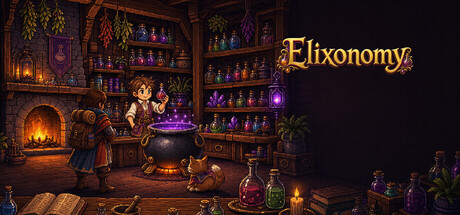
Elixonomy includes some pre-generated visual artwork created with the assistance of generative AI tools. These assets were reviewed, selected, edited, and integrated by the development team. The game does not generate AI content during gameplay and does not connect to external AI services.
This game uses generative AI tools to create some of its content, including logo and icon images, 3D models, and in-game text such as UI captions and descriptions. All AI-generated content is reviewed and adjusted by the developer.
This game includes some static images and audio materials that were pre-generated by AI tools during the development stage and have been incorporated into the game. They were not generated in real time.
As a small indie team, some of our initial localizations will use AI-assisted translation, and we hope to have them professionally reviewed and polished as our budget grows.
Some art assets including card illustrations, character and prop art were created with the assistance of generative‑AI tools during development. All AI‑assisted materials have been manually reviewed, edited and reworked. No content is dynamically generated by AI during gameplay.
In Game: Icons and splash screens in the game have been generated during the development process using artificial intelligence.
Store page: Images on the store page have been generated using artificial intelligence, with exception of in game screen shots which are not made using AI.
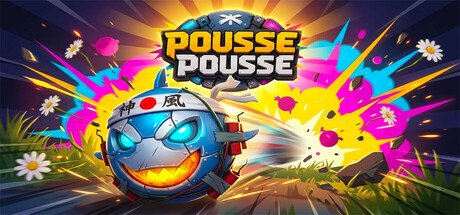
Some visual assets in Pousse Pousse were created with the assistance of generative AI tools during development. No AI-generated content is created during gameplay.
THE LAST LOGIN uses pre-generated AI-assisted content in selected visual assets, character voice-over, music, and sound effects. All AI-assisted content was created during development and is included as fixed game content. No AI content is generated during gameplay.
Generative AI was used to assist with drafting and translating written text for the Steam store page and some in-game text. All AI-assisted text is reviewed and edited by the developer before use. No generative AI is used during gameplay, and the game contains no live-generated AI content.
The game uses AI tools to assist in generating background graphics and supporting the artistic process. AI is also used to aid in translation and localization, making the game available in multiple regions and languages.
Generative AI was used during development to assist with the creation of selected UI graphics, localization, and text content. All AI-assisted content was reviewed and edited by the developer before being included in the final product. The game does not generate AI content during gameplay.
Generative AI tools were used to assist in the creation of some visual assets, 3D assets, and music used in the game. All AI-assisted content was reviewed, edited, and integrated by the developer before being included in the final game.
Generative AI tools were used during development to assist with some in-game artwork, promotional/store artwork, and several music tracks. All AI-assisted content was reviewed and approved by the developer before use. The game does not use generative AI during runtime.
Some music and visual artwork included in the game were created or enhanced using generative AI-assisted tools. AI-assisted coding tools were also used during development to help write and refine portions of the game’s code. Every AI-assisted element was reviewed, edited, selected, integrated, and tested by the developer before inclusion. No AI content is generated during gameplay, and the game does not connect to external AI services. All AI-assisted content included with the game is fixed and pre-generated.
Generative AI tools were used during development to assist with drafts and revisions of some pre-generated in-game text, interface copy, localization, and store and library artwork. All resulting content is selected, edited, and reviewed by the developer before shipping. The game does not generate content with AI at runtime.
This game was developed with AI coding agents (Anthropic Claude / OpenAI Codex). All in-game pixel art (ingredients, relics, character faces, UI) is rendered by drawing code and pixel-placement scripts written by these agents; no diffusion/image-generation model output is included. Music and SFX are procedurally generated at runtime from AI-assisted code. In-game text, store page copy, and translations into 10 languages were produced with AI assistance and reviewed by the developer. Trailer scripts and captions were also AI-assisted. All content has been reviewed by the developer.
Generative AI was used in the creation of visual assets for this game, including characters, backgrounds, and stage maps.
AI-assisted coding tools were also used during the development of the game.
The game does not use generative AI to create content in real time during gameplay.
Customer voice lines were pre-generated with edge-tts (neural TTS) and shipped in the build (assets/voice/).
If store capsules or marketing art also used generative AI, that still counts as “Yes.” If you later replace all VO with human recordings and ship no AI-generated assets, change the answer to “No.”
Generative AI tools were used during development to assist with creating some texture images, promotional/banner images, and code development. AI was also used to help review, test, and debug code, identify potential issues, and suggest improvements. All generated or AI-assisted content was reviewed, selected, and integrated by the developer.
Some in-game card illustrations were created with the assistance of generative AI during development. No content is generated by AI during gameplay, and the game does not connect to any external AI services while playing.
Some assets in this game were created with the help of generative AI. Generative AI was used to produce background art, background music, sound effects, and in-game icons.
Metlivi Adventure uses generative AI to create certain in-game content, including narrative text, visual elements, and, where applicable, music. AI-generated content is used to support dynamic, player-driven adventures.
Some of the textures and images in this game were created with the help of generative AI tools, and AI tools also assisted with the game's localization and store page text. All of this content was reviewed and edited by the developer before release.
Developed and tested under human creative direction with generative AI assistance for game code, audio and promo materials. Some skin patterns for customization of character and ball were AI generated. Maps, 3D assets and animations were bought from artists. The game does not use live-generated AI during gameplay.
This game uses generative AI tools to assist in creating early drafts of some artwork and text during development. All AI-generated content is pre-rendered and has been reviewed, edited, and polished by hand before being included in the game. No content is generated live at runtime.
This game includes AI-assisted, human-curated and edited artwork (tile art, actor sprites, and other visual assets). All AI-generated art was reviewed, edited, and approved by the developer before being included. An LLM was used to co-author most code changes. An LLM was used to proof and ideate some of the dialog in the game. All dialog was curated and approved by a human.
This game was created by a real human, using the Codex development environment. Contains lots of generated artwork and descriptive text, as well as gameplay refinements gained through AI powered balance testing.
Generative AI tools were used during development to assist with the creation and refinement of certain pre-generated 2D visual assets, including environment artwork, character sprites, and store marketing images. All AI-assisted content was reviewed and edited by the developer before inclusion. No AI-generated content is created during gameplay, and the game does not connect to any external AI service.
Elixonomy includes some pre-generated visual artwork created with the assistance of generative AI tools. These assets were reviewed, selected, edited, and integrated by the development team. The game does not generate AI content during gameplay and does not connect to external AI services.
This game uses generative AI tools to create some of its content, including logo and icon images, 3D models, and in-game text such as UI captions and descriptions. All AI-generated content is reviewed and adjusted by the developer.
This game includes some static images and audio materials that were pre-generated by AI tools during the development stage and have been incorporated into the game. They were not generated in real time.
As a small indie team, some of our initial localizations will use AI-assisted translation, and we hope to have them professionally reviewed and polished as our budget grows.
Some art assets including card illustrations, character and prop art were created with the assistance of generative‑AI tools during development. All AI‑assisted materials have been manually reviewed, edited and reworked. No content is dynamically generated by AI during gameplay.
In Game: Icons and splash screens in the game have been generated during the development process using artificial intelligence.
Store page: Images on the store page have been generated using artificial intelligence, with exception of in game screen shots which are not made using AI.
Some visual assets in Pousse Pousse were created with the assistance of generative AI tools during development. No AI-generated content is created during gameplay.
THE LAST LOGIN uses pre-generated AI-assisted content in selected visual assets, character voice-over, music, and sound effects. All AI-assisted content was created during development and is included as fixed game content. No AI content is generated during gameplay.
Generative AI was used to assist with drafting and translating written text for the Steam store page and some in-game text. All AI-assisted text is reviewed and edited by the developer before use. No generative AI is used during gameplay, and the game contains no live-generated AI content.
The game uses AI tools to assist in generating background graphics and supporting the artistic process. AI is also used to aid in translation and localization, making the game available in multiple regions and languages.
Generative AI was used during development to assist with the creation of selected UI graphics, localization, and text content. All AI-assisted content was reviewed and edited by the developer before being included in the final product. The game does not generate AI content during gameplay.
Generative AI tools were used to assist in the creation of some visual assets, 3D assets, and music used in the game. All AI-assisted content was reviewed, edited, and integrated by the developer before being included in the final game.