Public Steam disclosure research25,514 disclosures tracked
Where do games disclose AI use?
Search developers’ Steam disclosures, compare classified AI use across
games, and follow recorded changes.
This index adds cross-game classifications and statistics to
statements published on individual store pages.
Groups reflect automatic analysis of public disclosures; mature records are excluded. These counts do not measure AI use across all of Steam.
Missing or unclear statements cannot establish whether a game uses AI.
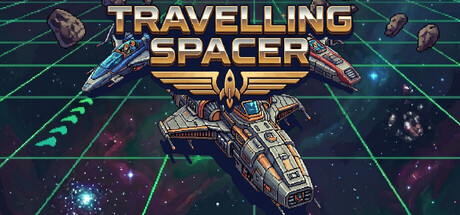
This game utilizes AI tools to assist in the creation of pre-generated assets. AI image generation was used to conceptualize and assist in creating 2D graphical assets. Additionally, AI audio tools (Suno) were used to master, polish, and upgrade the quality of the game's chiptune soundtrack.
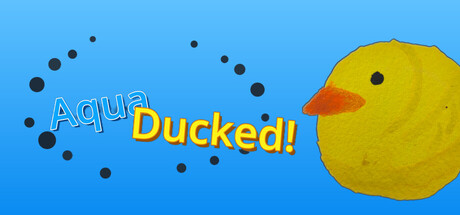
Some of the content in AquaDucked! was created with the help of generative AI tools:
- Some background music was created using AI music-generation tools.
- The blurred background images behind each theme were created or refined with AI tools.
- Portions of the store page and marketing text were drafted with AI assistance.
The core game art — the ducks, tools, and objects you play with — is either original, hand-painted watercolor, or photo-generated, not AI-generated.
All AI-generated content is pre-generated during development. AquaDucked! does not generate any content live during gameplay and does not connect to any external AI services while you play. We've made commercially reasonable efforts to ensure this content is appropriate and does not infringe on the rights of others.
The in-game interface text is translated into the supported languages using AI / machine translation. Parts of this store page description were drafted with AI. Parts of the source code were written with the help of an AI coding assistant.The in-game interface text is translated into the supported languages using AI. Parts of this store page description were drafted with AI. Parts of the source code were written with the help of an AI coding assistant.
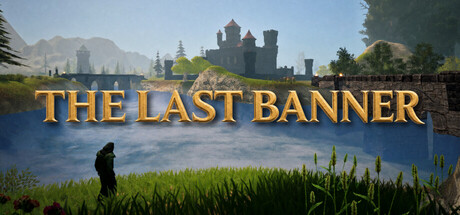
Built by a two-person studio, The Last Banner deploys AI tools as supplements only. All art and code are curated, hand crafted and built by us. We strive to create the best game possible with the best tools of the modern day.
Generative AI was used to assist in the creation of certain UI icons and interface artwork. All generated content was reviewed, modified, and integrated by the developer before being used in the game.
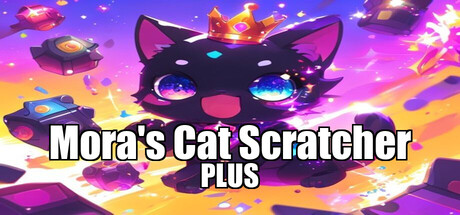
Cat & Fox Studios used generative AI image tools (Pollinations FLUX) to create the store-page art assets for this game, including:
the Main Capsule, Library Hero, Library Logo, Vertical Capsule, Page Background, small/header capsules, and the character illustrations of Mora the cat shown on the store page and in gallery posts.
These AI-generated assets are used for marketing imagery and Steam store presentation only. The original music in the game was composed by Dr. Jenna Fox of Cat & Fox Studios.
The game itself does not call any AI service during gameplay — all play is fully deterministic.
Generative AI was used to create some of the capsule and promotional artwork displayed on the game's Steam store page. All such artwork was reviewed and selected by the developer. No AI-generated content is created during gameplay.
Generative AI tools were used in the creation of some visual and textual content used in marketing materials and certain in-game assets. All core gameplay design and systems were developed independently.
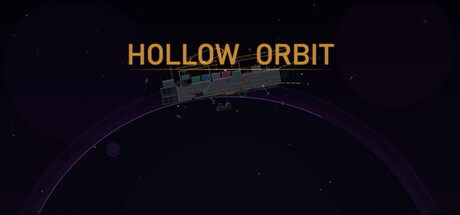
Parts of Hollow Orbit were made with help from generative AI tools — assisting with the game's code, some in-engine visuals and audio, and store/marketing assets like the logo and trailer graphics. All output was reviewed and finalized by the developer, and no content is generated by AI during gameplay.
This game contains a limited amount of AI-assisted content, including some visual assets and music. All such content was reviewed and integrated by the developer.
Generative AI was used as an assistant during development for drafting and editing store-page text, brainstorming, and code assistance. Final game assets, gameplay, implementation, and creative direction are reviewed and edited by the developer. No live-generated AI content is used during gameplay.
This application uses AI tools in parts of its development process, including creating the in-character dialogue text and some artwork (such as character part images), as well as tuning behavioral algorithms. All AI-generated assets are produced and reviewed in advance and built into the product; no generative AI runs during gameplay.
Portions of the game's visual artwork, in-game scenes and graphical assets are created with generative AI technology, which helps us deliver rich and immersive visual experiences for players.
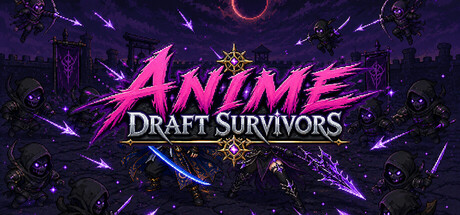
Some of the visual assets in Anime Draft Survivors — including character and enemy artwork, stage backgrounds, UI ornamentation, marketing/capsule images and some audio, were created with the help of generative AI image tools, then hand edited, composited, and integrated by the developer. All game code, design, and gameplay systems are human authored. All AI assisted content is pre-rendered and fixed in the build; the game does not generate any content live during gameplay.
Our development process makes use of generative AI tools for internal tasks such as early concept exploration - both for the game and marketing assets, as well as workflow automation. All final game assets are created by our team without AI-generated content.
All character and unit art is hand-drawn; audio and music contain no AI. Some background art and UI icons were made with help from generative AI tools and then edited by the developer. AI also assists translation, with every translation human-reviewed before release.
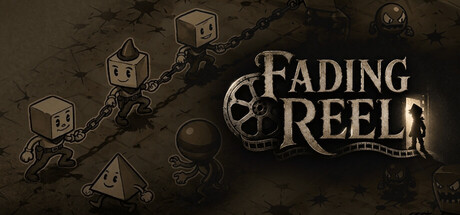
Fading Reel uses machine translation (automated translation software) to provide in-game interface text in languages other than English. English menus, upgrades, tutorials, and story intertitles were written by the developer; non-English versions were generated from that English source and may contain errors.
Game art, audio, gameplay, store screenshots, and the trailer were not created with generative AI.
Some 2D art (character illustrations, menu and store background art) and marketing/store capsule images were created with the assistance of generative AI image tools. All AI-assisted assets were reviewed, edited and approved by the developer. No generative AI runs live during gameplay.
"We used generative AI tools during the development of this game. Specifically, pre-generated AI tools were utilized to create and refine some of the 2D visual assets, including concept art, UI elements, and promotional store graphics. All AI-generated content was reviewed, edited, and curated by our team to ensure quality and compliance with Steam's content policies. The game itself does not generate any live AI content during runtime."
I use generative AI exclusively as a temporary tool for rapid prototyping and placeholder content during early solo development. All AI-generated elements in Vigilum are planned to be fully replaced with custom, human-made assets for the final v1.0 release.
-> 3D Models: I used generative AI tools to create two 3D assets (the Vylem gem and the Blood Sigil element). These are temporary placeholders, and I am currently prioritizing remaking them myself during the Early Access phase.
-> 2D Assets: A few UI icons and images were generated with AI. I intend to commission a professional artist to completely replace these 2D elements as soon as funding allows.
PropHaunt uses generative AI tools only to assist in creating part of its store page artwork and promotional materials (such as the logo and key art). No AI-generated content is produced live during gameplay, and the game does not connect to any external AI service while you play. All in-game assets — characters, environments, props, audio, and UI — are hand-crafted or sourced from licensed asset packs.
During development, I may use procedural- and AI-assisted tools to support content creation, iteration, and production workflows. In all such cases, the final product reflects my own creative direction, selection, editing, and implementation as the developer.
AI-assisted tools were used to help create some splash screen visuals and store page promotional artwork. All assets were reviewed and finalized by the developer before being included in the game and store materials.
All materials and assets used in this game were created by hand. Generative AI tools were used only as a supportive enhancement tool, for example to refine, polish, or improve certain elements. The final content, including visual assets, story elements, audio direction, and overall creative design, remains the result of human creation and artistic direction.
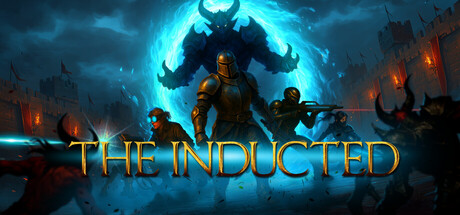
The Inducted uses generative AI tools in a limited capacity. Some user interface icons and elements in-game were created with the assistance of generative AI. Additionally, the store capsule artwork was composed by a professional artist who incorporated some AI-generated elements among hand-crafted components. All gameplay, characters, environments, and audio are created without generative AI.
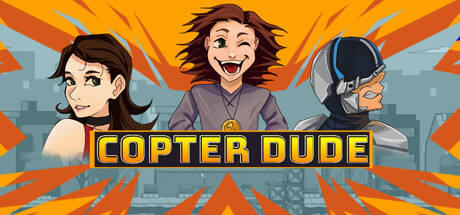
AI was used to create initial concept images for the main character (the funny copter). These images were then edited, redrawn and polished by a human artist. All other sprites, animations, backgrounds, sounds, music, and code in the game have nothing to do with AI.
Artificial intelligence (AI) was leveraged for key aspects of the game's development, including in-game logic, support systems, and certain artistic assets.
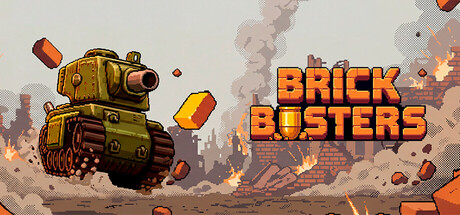
Some assets in BRICK BUSTERS were created with the help of generative AI tools — including parts of the pixel art, some sound effects and music, and the translations of the in-game text. All AI-assisted content was reviewed and edited by hand before release.
During the development process of this game, generative AI (LLM) tools were utilized as a coding assistant in the coding and software architecture phases.
Some background sound effects and ambient audio clips used in the game were sourced from Pixabay, where they were flagged as AI-generated by their respective creators. No graphics, code, or core gameplay elements were generated by AI; all other assets were developed entirely by me.
Some of the artwork in Hunters Trial: One Breath was created with the assistance of generative AI tools. Specifically, AI was used to help produce certain background and environment images, and as a visual reference aid during the design of our menus and user interface.
AI-assisted tools were used only to help create some sound assets. All audio was carefully reviewed and approved by the developer before being included in the game.
This game utilizes AI tools to assist in the creation of pre-generated assets. AI image generation was used to conceptualize and assist in creating 2D graphical assets. Additionally, AI audio tools (Suno) were used to master, polish, and upgrade the quality of the game's chiptune soundtrack.
Some of the content in AquaDucked! was created with the help of generative AI tools:
- Some background music was created using AI music-generation tools.
- The blurred background images behind each theme were created or refined with AI tools.
- Portions of the store page and marketing text were drafted with AI assistance.
The core game art — the ducks, tools, and objects you play with — is either original, hand-painted watercolor, or photo-generated, not AI-generated.
All AI-generated content is pre-generated during development. AquaDucked! does not generate any content live during gameplay and does not connect to any external AI services while you play. We've made commercially reasonable efforts to ensure this content is appropriate and does not infringe on the rights of others.
The in-game interface text is translated into the supported languages using AI / machine translation. Parts of this store page description were drafted with AI. Parts of the source code were written with the help of an AI coding assistant.The in-game interface text is translated into the supported languages using AI. Parts of this store page description were drafted with AI. Parts of the source code were written with the help of an AI coding assistant.
Built by a two-person studio, The Last Banner deploys AI tools as supplements only. All art and code are curated, hand crafted and built by us. We strive to create the best game possible with the best tools of the modern day.
Generative AI was used to assist in the creation of certain UI icons and interface artwork. All generated content was reviewed, modified, and integrated by the developer before being used in the game.
Cat & Fox Studios used generative AI image tools (Pollinations FLUX) to create the store-page art assets for this game, including:
the Main Capsule, Library Hero, Library Logo, Vertical Capsule, Page Background, small/header capsules, and the character illustrations of Mora the cat shown on the store page and in gallery posts.
These AI-generated assets are used for marketing imagery and Steam store presentation only. The original music in the game was composed by Dr. Jenna Fox of Cat & Fox Studios.
The game itself does not call any AI service during gameplay — all play is fully deterministic.
Generative AI was used to create some of the capsule and promotional artwork displayed on the game's Steam store page. All such artwork was reviewed and selected by the developer. No AI-generated content is created during gameplay.
Generative AI tools were used in the creation of some visual and textual content used in marketing materials and certain in-game assets. All core gameplay design and systems were developed independently.
Parts of Hollow Orbit were made with help from generative AI tools — assisting with the game's code, some in-engine visuals and audio, and store/marketing assets like the logo and trailer graphics. All output was reviewed and finalized by the developer, and no content is generated by AI during gameplay.
This game contains a limited amount of AI-assisted content, including some visual assets and music. All such content was reviewed and integrated by the developer.
Generative AI was used as an assistant during development for drafting and editing store-page text, brainstorming, and code assistance. Final game assets, gameplay, implementation, and creative direction are reviewed and edited by the developer. No live-generated AI content is used during gameplay.
This application uses AI tools in parts of its development process, including creating the in-character dialogue text and some artwork (such as character part images), as well as tuning behavioral algorithms. All AI-generated assets are produced and reviewed in advance and built into the product; no generative AI runs during gameplay.
Portions of the game's visual artwork, in-game scenes and graphical assets are created with generative AI technology, which helps us deliver rich and immersive visual experiences for players.
Some of the visual assets in Anime Draft Survivors — including character and enemy artwork, stage backgrounds, UI ornamentation, marketing/capsule images and some audio, were created with the help of generative AI image tools, then hand edited, composited, and integrated by the developer. All game code, design, and gameplay systems are human authored. All AI assisted content is pre-rendered and fixed in the build; the game does not generate any content live during gameplay.
Our development process makes use of generative AI tools for internal tasks such as early concept exploration - both for the game and marketing assets, as well as workflow automation. All final game assets are created by our team without AI-generated content.
All character and unit art is hand-drawn; audio and music contain no AI. Some background art and UI icons were made with help from generative AI tools and then edited by the developer. AI also assists translation, with every translation human-reviewed before release.
Fading Reel uses machine translation (automated translation software) to provide in-game interface text in languages other than English. English menus, upgrades, tutorials, and story intertitles were written by the developer; non-English versions were generated from that English source and may contain errors.
Game art, audio, gameplay, store screenshots, and the trailer were not created with generative AI.
Some 2D art (character illustrations, menu and store background art) and marketing/store capsule images were created with the assistance of generative AI image tools. All AI-assisted assets were reviewed, edited and approved by the developer. No generative AI runs live during gameplay.
"We used generative AI tools during the development of this game. Specifically, pre-generated AI tools were utilized to create and refine some of the 2D visual assets, including concept art, UI elements, and promotional store graphics. All AI-generated content was reviewed, edited, and curated by our team to ensure quality and compliance with Steam's content policies. The game itself does not generate any live AI content during runtime."
I use generative AI exclusively as a temporary tool for rapid prototyping and placeholder content during early solo development. All AI-generated elements in Vigilum are planned to be fully replaced with custom, human-made assets for the final v1.0 release.
-> 3D Models: I used generative AI tools to create two 3D assets (the Vylem gem and the Blood Sigil element). These are temporary placeholders, and I am currently prioritizing remaking them myself during the Early Access phase.
-> 2D Assets: A few UI icons and images were generated with AI. I intend to commission a professional artist to completely replace these 2D elements as soon as funding allows.
PropHaunt uses generative AI tools only to assist in creating part of its store page artwork and promotional materials (such as the logo and key art). No AI-generated content is produced live during gameplay, and the game does not connect to any external AI service while you play. All in-game assets — characters, environments, props, audio, and UI — are hand-crafted or sourced from licensed asset packs.
During development, I may use procedural- and AI-assisted tools to support content creation, iteration, and production workflows. In all such cases, the final product reflects my own creative direction, selection, editing, and implementation as the developer.
AI-assisted tools were used to help create some splash screen visuals and store page promotional artwork. All assets were reviewed and finalized by the developer before being included in the game and store materials.
All materials and assets used in this game were created by hand. Generative AI tools were used only as a supportive enhancement tool, for example to refine, polish, or improve certain elements. The final content, including visual assets, story elements, audio direction, and overall creative design, remains the result of human creation and artistic direction.
The Inducted uses generative AI tools in a limited capacity. Some user interface icons and elements in-game were created with the assistance of generative AI. Additionally, the store capsule artwork was composed by a professional artist who incorporated some AI-generated elements among hand-crafted components. All gameplay, characters, environments, and audio are created without generative AI.
AI was used to create initial concept images for the main character (the funny copter). These images were then edited, redrawn and polished by a human artist. All other sprites, animations, backgrounds, sounds, music, and code in the game have nothing to do with AI.
Artificial intelligence (AI) was leveraged for key aspects of the game's development, including in-game logic, support systems, and certain artistic assets.
Some assets in BRICK BUSTERS were created with the help of generative AI tools — including parts of the pixel art, some sound effects and music, and the translations of the in-game text. All AI-assisted content was reviewed and edited by hand before release.
During the development process of this game, generative AI (LLM) tools were utilized as a coding assistant in the coding and software architecture phases.
Some background sound effects and ambient audio clips used in the game were sourced from Pixabay, where they were flagged as AI-generated by their respective creators. No graphics, code, or core gameplay elements were generated by AI; all other assets were developed entirely by me.
Some of the artwork in Hunters Trial: One Breath was created with the assistance of generative AI tools. Specifically, AI was used to help produce certain background and environment images, and as a visual reference aid during the design of our menus and user interface.
AI-assisted tools were used only to help create some sound assets. All audio was carefully reviewed and approved by the developer before being included in the game.