Public Steam disclosure research25,519 disclosures tracked
Where do games disclose AI use?
Search developers’ Steam disclosures, compare classified AI use across
games, and follow recorded changes.
This index adds cross-game classifications and statistics to
statements published on individual store pages.
Groups reflect automatic analysis of public disclosures; mature records are excluded. These counts do not measure AI use across all of Steam.
Missing or unclear statements cannot establish whether a game uses AI.
This game’s art, music, and localization were created with the assistance of generative AI during production. All related content was pre-generated during development, then selected and integrated by the developer. No generative AI services are called during gameplay, and no AI content is generated in real time.
Our visual development workflow uses generative AI to create parts of graphical elements and textures. Every AI-assisted visual asset is reviewed, edited and polished by our team to maintain a consistent visual standard across the game.
Generative AI tools were used during development to assist with programming, localization, and the creation and editing of some promotional artwork. AI-assisted content was reviewed and adjusted by the developer. The game does not generate content during gameplay.
Part of the game's art illustrations and promotional materials are assisted by generative AI. All AI-generated assets have been manually reviewed, edited and verified for compliance, with no infringing or illegal content.
This game uses AI-assisted tools during development, limited exclusively to programming assistance, assistance with the creation of certain UI assets, and multilingual translation assistance. AI-generated output is not integrated directly into the game. All content is manually reviewed, edited, integrated, proofread, and tested by the development team before use.
AI is not used to create characters, character illustrations, character-related artwork, animations, music, sound effects, narrative, or other core creative content. The game does not generate content in real time while running, nor does it connect to external AI services to provide generative features to players.
Some art, icons, music, sound effects, and marketing or store assets were created or assisted with generative AI tools during development, then reviewed and curated by the team. The game does not generate new AI content in real time during gameplay and does not connect to external AI services while you play.
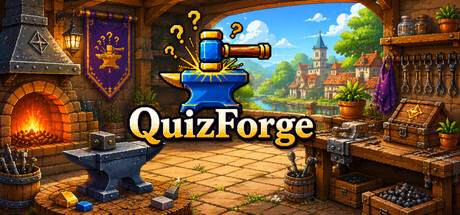
Some pre-generated game assets, artwork and translations were created or assisted using generative AI. All AI-generated content has been reviewed, edited and integrated by the developer. QuizForge does not use generative AI to create live in-game content during gameplay.
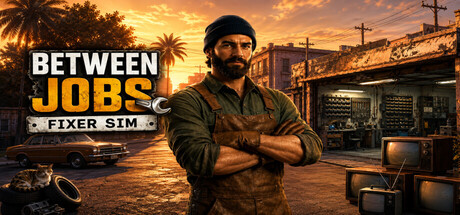
Generative AI was used during the development of Between Jobs to assist in creating 2D graphical assets. This includes static background art, environmental textures, and store page graphics. No AI content is live-generated while playing the game.
All gameplay content is deterministic, hand-authored code with no AI generation at runtime. AI-assisted development tooling was used during production, including AI-assisted authoring of the code that renders the store artwork and achievement icons. No generative-AI images, audio, or text are shipped as game assets, and the game never connects to AI services.
- AI content is focused on code implementation, review, and optimization.
- Game currently contains no audio, when implemented audio will be human made.
- Graphics are parametrically (rules based) created and modified by humans. (No AI 3D model assets)
- All economic and management systems are developed by humans.
Some of this game's assets were produced with the help of generative AI tools: the 2D key art and cinematic stills used in the trailer, capsule art and main menu; the base meshes for the twelve zodiac fighters, generated with Meshy and then rigged, retextured and reworked by hand; and part of the music and sound effects. Every AI-generated asset was reviewed, edited and integrated manually before shipping. No generative AI runs at runtime — nothing is generated while you play.
Generative AI tools were used during development to create background music with Suno, application and shortcut icon artwork, and Steam store and library artwork. They were also used to assist with programming and player-facing text, including Steam store descriptions and localization. All included AI-assisted outputs were reviewed and approved by the developer before inclusion. The game does not use live-generated AI.
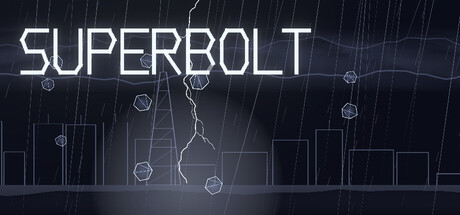
SUPERBOLT is built almost entirely from code: the lightning, the effects, the interface and the audio are generated by the game as it runs. Generative AI was used during production to help prepare some supporting artwork — background layers and achievement icons — and to draft some of the written text. Nothing is generated by AI while you play, and the game connects to no AI service.
Generative AI has been used to assist in the creation of certain promotional artwork and visual assets. AI tools have also been used during development to assist with programming, documentation, and iteration. All generated content has been reviewed, integrated, and validated by the developer before being included in the final product.
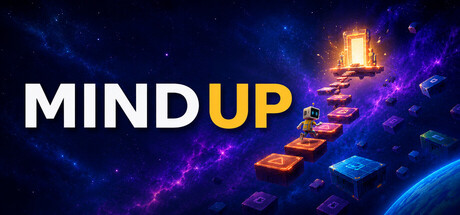
MindUP uses some pre-rendered AI-assisted visual, audio, and promotional assets. The game does not use live generative AI during gameplay, and no player prompts or AI-generated gameplay content are created at runtime.
Parts of this game's development — including some code, scene layouts, texts and translations — were created with the assistance of generative AI tools under developer supervision. No content is generated by AI at runtime; everything was prepared in advance and reviewed by hand.
Artificial intelligence tools were utilized as a reference and assistive aid in the creation of certain art assets, audio elements, and localization translations for this game.
Portions of this game's content were created with the assistance of generative AI tools under human direction and review. This includes much but not all of the visual artwork, the soundtrack, and the store page text and marketing copy. All AI-assisted content was curated, edited, and approved by the developer.
Parts of the artwork (customer portraits, studio backgrounds, skin imagery, some tattoo motifs), the background music, and some store page images were created with generative AI tools and then edited and integrated by the developer. Game design, mechanics and game logic are the developer's own work. No content is generated while the game is running.
Some of the 3D models used for the table and room background in this game were created with the assistance of a generative AI (text-to-3D) tool, and were then adjusted and integrated by the developer. All other assets — including the dictionary data, UI artwork, sound, and all in-game text — were produced without generative AI. No content is generated by AI while you play.
Some temporary store page artwork (capsule images) and marketing text were created with the assistance of AI tools. The game itself does not contain AI-generated art, sound, or content, and does not use AI generation at runtime.
At Dual Horizon Games, generative AI was one tool used during development as part of a broader creative process led by our team. No AI-generated content is created during gameplay.
Some visual assets, branding exploration, and first-pass localization drafts were created or assisted with generative AI tools. All content is reviewed, edited, and integrated by the developer before being included in the game or store materials. The game does not generate AI content in real time during gameplay.
Stick Crisis was developed with assistance from generative AI tools. AI-assisted image and animation tools were used to create selected visual assets, character animation frames and pre-rendered cinematics; these materials were reviewed, edited and integrated by the developer. AI coding assistants also contributed to portions of the source code. The game does not generate content during gameplay or connect to generative AI services at runtime.
AI was only used to generate minimal resources to support unit design and partial localization.
All AI-assisted content has been reviewed, and the final assets were manually drawn to fit the game's artistic style and atmosphere.
This game uses generative AI to create visual art assets (plants, scenery, animals, UI, etc.) during development. In-game, the cat companion's chat dialogue is generated in real time by a local AI model that runs entirely offline on the player's device; no player input is sent to any external service.
Generative AI tools were used to assist with translations of user interface text and game descriptions into some supported languages. All localization content is pre-generated and included in the game files. The game does not generate any content using AI at runtime.
Store page assets: These were primarily created by our designers through composition and arrangement of existing in-game assets, followed by minor AI-assisted adjustments to atmosphere (e.g., lighting, color tones). All final images have undergone thorough human review and refinement. The core design work was completed by our designers, with AI serving only as a supplementary tool to enhance the final presentation.
Generative AI tools were used during development to assist with portions of the programming, user interface and text presentation implementation, as well as initial drafts of some localizations. The game’s setting, narrative text, visual design, and all final content were created and determined by the developer. No generative image models were used, and the game does not connect to or invoke any generative AI services at runtime. It contains no live-generated content.
This game’s art, music, and localization were created with the assistance of generative AI during production. All related content was pre-generated during development, then selected and integrated by the developer. No generative AI services are called during gameplay, and no AI content is generated in real time.
Our visual development workflow uses generative AI to create parts of graphical elements and textures. Every AI-assisted visual asset is reviewed, edited and polished by our team to maintain a consistent visual standard across the game.
Generative AI tools were used during development to assist with programming, localization, and the creation and editing of some promotional artwork. AI-assisted content was reviewed and adjusted by the developer. The game does not generate content during gameplay.
Part of the game's art illustrations and promotional materials are assisted by generative AI. All AI-generated assets have been manually reviewed, edited and verified for compliance, with no infringing or illegal content.
This game uses AI-assisted tools during development, limited exclusively to programming assistance, assistance with the creation of certain UI assets, and multilingual translation assistance. AI-generated output is not integrated directly into the game. All content is manually reviewed, edited, integrated, proofread, and tested by the development team before use.
AI is not used to create characters, character illustrations, character-related artwork, animations, music, sound effects, narrative, or other core creative content. The game does not generate content in real time while running, nor does it connect to external AI services to provide generative features to players.
Some art, icons, music, sound effects, and marketing or store assets were created or assisted with generative AI tools during development, then reviewed and curated by the team. The game does not generate new AI content in real time during gameplay and does not connect to external AI services while you play.
Some pre-generated game assets, artwork and translations were created or assisted using generative AI. All AI-generated content has been reviewed, edited and integrated by the developer. QuizForge does not use generative AI to create live in-game content during gameplay.
Generative AI was used during the development of Between Jobs to assist in creating 2D graphical assets. This includes static background art, environmental textures, and store page graphics. No AI content is live-generated while playing the game.
All gameplay content is deterministic, hand-authored code with no AI generation at runtime. AI-assisted development tooling was used during production, including AI-assisted authoring of the code that renders the store artwork and achievement icons. No generative-AI images, audio, or text are shipped as game assets, and the game never connects to AI services.
- AI content is focused on code implementation, review, and optimization.
- Game currently contains no audio, when implemented audio will be human made.
- Graphics are parametrically (rules based) created and modified by humans. (No AI 3D model assets)
- All economic and management systems are developed by humans.
Some of this game's assets were produced with the help of generative AI tools: the 2D key art and cinematic stills used in the trailer, capsule art and main menu; the base meshes for the twelve zodiac fighters, generated with Meshy and then rigged, retextured and reworked by hand; and part of the music and sound effects. Every AI-generated asset was reviewed, edited and integrated manually before shipping. No generative AI runs at runtime — nothing is generated while you play.
Generative AI tools were used during development to create background music with Suno, application and shortcut icon artwork, and Steam store and library artwork. They were also used to assist with programming and player-facing text, including Steam store descriptions and localization. All included AI-assisted outputs were reviewed and approved by the developer before inclusion. The game does not use live-generated AI.
SUPERBOLT is built almost entirely from code: the lightning, the effects, the interface and the audio are generated by the game as it runs. Generative AI was used during production to help prepare some supporting artwork — background layers and achievement icons — and to draft some of the written text. Nothing is generated by AI while you play, and the game connects to no AI service.
Generative AI has been used to assist in the creation of certain promotional artwork and visual assets. AI tools have also been used during development to assist with programming, documentation, and iteration. All generated content has been reviewed, integrated, and validated by the developer before being included in the final product.
MindUP uses some pre-rendered AI-assisted visual, audio, and promotional assets. The game does not use live generative AI during gameplay, and no player prompts or AI-generated gameplay content are created at runtime.
Parts of this game's development — including some code, scene layouts, texts and translations — were created with the assistance of generative AI tools under developer supervision. No content is generated by AI at runtime; everything was prepared in advance and reviewed by hand.
Artificial intelligence tools were utilized as a reference and assistive aid in the creation of certain art assets, audio elements, and localization translations for this game.
Portions of this game's content were created with the assistance of generative AI tools under human direction and review. This includes much but not all of the visual artwork, the soundtrack, and the store page text and marketing copy. All AI-assisted content was curated, edited, and approved by the developer.
Parts of the artwork (customer portraits, studio backgrounds, skin imagery, some tattoo motifs), the background music, and some store page images were created with generative AI tools and then edited and integrated by the developer. Game design, mechanics and game logic are the developer's own work. No content is generated while the game is running.
Some of the 3D models used for the table and room background in this game were created with the assistance of a generative AI (text-to-3D) tool, and were then adjusted and integrated by the developer. All other assets — including the dictionary data, UI artwork, sound, and all in-game text — were produced without generative AI. No content is generated by AI while you play.
Some temporary store page artwork (capsule images) and marketing text were created with the assistance of AI tools. The game itself does not contain AI-generated art, sound, or content, and does not use AI generation at runtime.
At Dual Horizon Games, generative AI was one tool used during development as part of a broader creative process led by our team. No AI-generated content is created during gameplay.
Some visual assets, branding exploration, and first-pass localization drafts were created or assisted with generative AI tools. All content is reviewed, edited, and integrated by the developer before being included in the game or store materials. The game does not generate AI content in real time during gameplay.
Stick Crisis was developed with assistance from generative AI tools. AI-assisted image and animation tools were used to create selected visual assets, character animation frames and pre-rendered cinematics; these materials were reviewed, edited and integrated by the developer. AI coding assistants also contributed to portions of the source code. The game does not generate content during gameplay or connect to generative AI services at runtime.
AI was only used to generate minimal resources to support unit design and partial localization.
All AI-assisted content has been reviewed, and the final assets were manually drawn to fit the game's artistic style and atmosphere.
This game uses generative AI to create visual art assets (plants, scenery, animals, UI, etc.) during development. In-game, the cat companion's chat dialogue is generated in real time by a local AI model that runs entirely offline on the player's device; no player input is sent to any external service.
Generative AI tools were used to assist with translations of user interface text and game descriptions into some supported languages. All localization content is pre-generated and included in the game files. The game does not generate any content using AI at runtime.
Store page assets: These were primarily created by our designers through composition and arrangement of existing in-game assets, followed by minor AI-assisted adjustments to atmosphere (e.g., lighting, color tones). All final images have undergone thorough human review and refinement. The core design work was completed by our designers, with AI serving only as a supplementary tool to enhance the final presentation.
Generative AI tools were used during development to assist with portions of the programming, user interface and text presentation implementation, as well as initial drafts of some localizations. The game’s setting, narrative text, visual design, and all final content were created and determined by the developer. No generative image models were used, and the game does not connect to or invoke any generative AI services at runtime. It contains no live-generated content.