Public Steam disclosure research25,383 disclosures tracked
Where do games disclose AI use?
Search developers’ Steam disclosures, compare classified AI use across
games, and follow recorded changes.
This index adds cross-game classifications and statistics to
statements published on individual store pages.
Groups reflect automatic analysis of public disclosures; mature records are excluded. These counts do not measure AI use across all of Steam.
Missing or unclear statements cannot establish whether a game uses AI.
Some of the game's visual elements were created using AI tools during the development stage (for example, the design of Albums). Artists manually refined all such materials. Generative AI is not used in the gameplay and does not generate any content during the game.
Artificial intelligence tools were utilized solely in the creation of certain promotional materials, including the game logo and Steam library artwork.
This project utilizes generative AI tools as a development assistant. AI was used for Assisting with writing and debugging C# scripts for Unity. Brainstorming mechanics, item names, descriptions, and lore elements. Generating concept arts initial reference images for inspiration.
Disclaimer: All final in-game visual assets (pixel art sprites, animations, and UI elements) were hand-drawn by the developer. No AI-generated graphics are included in the final build.
Artificial Intelligence was used to create the content of the game page in the store, and specifically to create images and logos of the library and also title's menu
We use generative AI to assist in the creation of promotional materials such as artwork, and text descriptions. No AI-generated content is used during gameplay.
To bring Rotem to life as a solo developer, I used AI-assisted tools to help generate some of the game's puzzle images and ambient music tracks. These tools allowed me to explore a wide range of creative themes and moods quickly and efficiently, while maintaining a consistent aesthetic across the game's content. All AI-generated assets were carefully curated and refined to ensure they fit the tone and quality of the game.
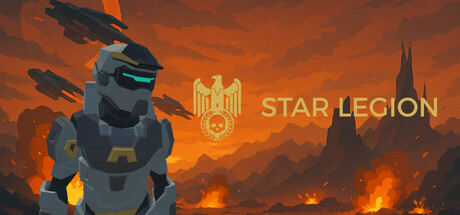
Star Legion uses AI-enhanced pre-rendered images for marketing and promotional materials, such as key art and store visuals. All in-game content, mechanics, and code are handcrafted without AI assistance.
The soundtrack blends compositions generated with tools like Suno and hands-on sound design to reflect the meaning, feel, and emotions the game aims to transmit.
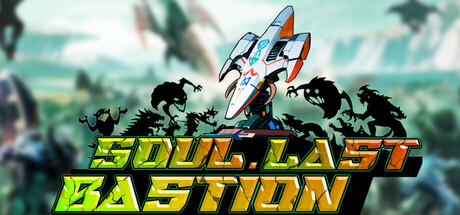
AI-generated assets were used as foundation elements for spaceships and some environmental objects, then extensively modified, combined, and refined through manual artwork.
We used AI for generating concept art, but not in realtime.
We used AI for generating voice overs, but not in realtime.
We used AI for language translations, but not in realtime.
This game utilizes【AI】to generate pre-rendered content.
This game does NOT employ【AI】for real-time content or code generation during gameplay.
Please note that【certain music files】and【certain image files】within this game were created with AI-assisted tools. Specifically:
- 【Certain music files】were produced using SUNO AI (The developer is a paying user of SUNO AI. According to SUNO AI's official policy, music created during the paid subscription period belongs to the paying user, who holds the rights to use such AI-generated music for both personal creations and commercial purposes).
- 【Certain image files】were generated using GPT-4o. Notably, all images used in the game were created without referencing any copyrighted works from the internet, thus they do not infringe upon any copyrights.
All of the game models and image assets were initially generated using the latest generation of AI technologies, then heavily modified and polished to meet high-quality visual standards and ensure consistency with the game's art style.
Some promotional images and artwork shown on the store page, as well as a few ability icons, were created using generative AI tools.
AI is not used during gameplay — all mechanics, systems, and bot behavior are fully handcrafted.
AI was used to create or enhance the fidelity of in game sprites such as characters, enemies and ground textures. AI was also used in creation of graphical materials on the store page.
Some elements of the artwork have been enhanced, upscaled or generated from source materials by AI tools. As the development progresses this art will be gradually replaced.
Menu page used AI and was edited after. Same for the character faces.
The rest of the assets are either rendered in Blender (no AI models), drawn by an artist or me.
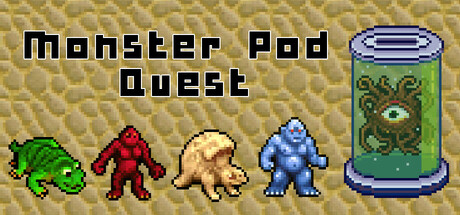
Monster Pod Quest uses a custom AI model to generate content (monsters, tiles, etc) during gameplay, to create a dynamic and customisable experience. All pixel art used for training was either purchased or was freely available under a creative commons license, and all artists are credited in-game.
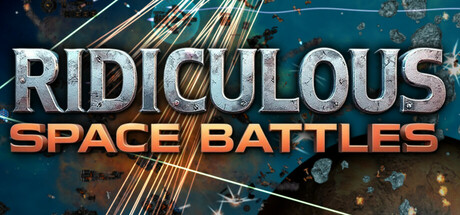
95% of the art in the game is entirely made by artists. The other 5% (some background images and some ship module images) are made using scenario, an AI art service that states on its site: "We ensure that all models on our platform are trained solely on data that we own."
Some of the game's visual elements were created using AI tools during the development stage (for example, the design of Albums). Artists manually refined all such materials. Generative AI is not used in the gameplay and does not generate any content during the game.
Artificial intelligence tools were utilized solely in the creation of certain promotional materials, including the game logo and Steam library artwork.
This project utilizes generative AI tools as a development assistant. AI was used for Assisting with writing and debugging C# scripts for Unity. Brainstorming mechanics, item names, descriptions, and lore elements. Generating concept arts initial reference images for inspiration.
Disclaimer: All final in-game visual assets (pixel art sprites, animations, and UI elements) were hand-drawn by the developer. No AI-generated graphics are included in the final build.
Artificial Intelligence was used to create the content of the game page in the store, and specifically to create images and logos of the library and also title's menu
We use generative AI to assist in the creation of promotional materials such as artwork, and text descriptions. No AI-generated content is used during gameplay.
To bring Rotem to life as a solo developer, I used AI-assisted tools to help generate some of the game's puzzle images and ambient music tracks. These tools allowed me to explore a wide range of creative themes and moods quickly and efficiently, while maintaining a consistent aesthetic across the game's content. All AI-generated assets were carefully curated and refined to ensure they fit the tone and quality of the game.
Star Legion uses AI-enhanced pre-rendered images for marketing and promotional materials, such as key art and store visuals. All in-game content, mechanics, and code are handcrafted without AI assistance.
The soundtrack blends compositions generated with tools like Suno and hands-on sound design to reflect the meaning, feel, and emotions the game aims to transmit.
AI-generated assets were used as foundation elements for spaceships and some environmental objects, then extensively modified, combined, and refined through manual artwork.
We used AI for generating concept art, but not in realtime.
We used AI for generating voice overs, but not in realtime.
We used AI for language translations, but not in realtime.
This game utilizes【AI】to generate pre-rendered content.
This game does NOT employ【AI】for real-time content or code generation during gameplay.
Please note that【certain music files】and【certain image files】within this game were created with AI-assisted tools. Specifically:
- 【Certain music files】were produced using SUNO AI (The developer is a paying user of SUNO AI. According to SUNO AI's official policy, music created during the paid subscription period belongs to the paying user, who holds the rights to use such AI-generated music for both personal creations and commercial purposes).
- 【Certain image files】were generated using GPT-4o. Notably, all images used in the game were created without referencing any copyrighted works from the internet, thus they do not infringe upon any copyrights.
All of the game models and image assets were initially generated using the latest generation of AI technologies, then heavily modified and polished to meet high-quality visual standards and ensure consistency with the game's art style.
Some promotional images and artwork shown on the store page, as well as a few ability icons, were created using generative AI tools.
AI is not used during gameplay — all mechanics, systems, and bot behavior are fully handcrafted.
AI was used to create or enhance the fidelity of in game sprites such as characters, enemies and ground textures. AI was also used in creation of graphical materials on the store page.
Some elements of the artwork have been enhanced, upscaled or generated from source materials by AI tools. As the development progresses this art will be gradually replaced.
Menu page used AI and was edited after. Same for the character faces.
The rest of the assets are either rendered in Blender (no AI models), drawn by an artist or me.
Monster Pod Quest uses a custom AI model to generate content (monsters, tiles, etc) during gameplay, to create a dynamic and customisable experience. All pixel art used for training was either purchased or was freely available under a creative commons license, and all artists are credited in-game.
95% of the art in the game is entirely made by artists. The other 5% (some background images and some ship module images) are made using scenario, an AI art service that states on its site: "We ensure that all models on our platform are trained solely on data that we own."