Public Steam disclosure research25,380 disclosures tracked
Where do games disclose AI use?
Search developers’ Steam disclosures, compare classified AI use across
games, and follow recorded changes.
This index adds cross-game classifications and statistics to
statements published on individual store pages.
Groups reflect automatic analysis of public disclosures; mature records are excluded. These counts do not measure AI use across all of Steam.
Missing or unclear statements cannot establish whether a game uses AI.
Some pre-rendered visual assets and music were created with generative AI tools, then curated, edited, and integrated by the developer. No AI content is generated during gameplay, and the game does not connect to external AI services.
This game's art and some of its text content were created with AI-assisted tools during development and reviewed by the developer before shipping. Nothing is created live during gameplay by GenAI, and the game makes no AI-related network calls.
Some questions and answers in our quiz game are generated using AI. Additionally, we utilized pre-generated AI images included in the capsules and for in-game assets.
Graphics & Concepts: Generative AI was used to design and refine initial concept art, textures, and UI elements.
Texts & Dialogues: Portions of the lore, background stories, and dialogue scripts were conceptualized using AI language models and subsequently revised manually.
Code & Optimization: AI-assisted tools were utilized to optimize programming code and assist in debugging.
Note: All final assets in the game have been thoroughly reviewed, edited, and curated by the developer.
Generative AI was used to create base images for some visual assets. These images were subsequently selected, edited, refined, and integrated into the game and store materials by the developer. The game does not use generative AI at runtime.
Generative AI tools were used during development to create some of the game art assets, and written content and localization translations. AI tools were also used for coding assistance and debugging. The developer selected, adapted, and integrated these outputs into the game and its promotional materials. The game does not generate content using generative AI during gameplay or connect to external generative AI services.
Generative AI tools were used extensively during the development of this game. Some artwork, UI assets, written content, character voices, and localization were created with the assistance of generative AI and were subsequently selected, edited, integrated, and reviewed by the developer. All AI-generated content was created in advance during development; no AI content is generated live during gameplay.
Generative AI was used to assist in the creation of some promotional artwork for the Steam store page, including capsule and library artwork. AI is not used to generate content during gameplay.
Part of the audio in this game is generated with AI: the music and some of the sound effects.
Part of the source code was also created with the help of AI during development, particularly to generate certain portions of code, fix errors, and assist with the implementation of certain features. The code used in the game is then reviewed, modified, and integrated manually.
Everything else is handmade: the monsters are drawn by hand and then recreated in 3D, the textures are hand-painted and sometimes slightly enhanced, the 3D models are procedural, every line of text in the game is written by me, the farmer's voice is mine, etc.
The game’s core artwork and content were created by people. Generative AI use was limited to select elements of UI images and icons, Steam capsule image retouching, map and calendar textures within buildings, and localization translations.
Some art assets and marketing images were created or assisted with generative AI during development, then curated and edited for the final game. The game does not generate AI content in real time during play.
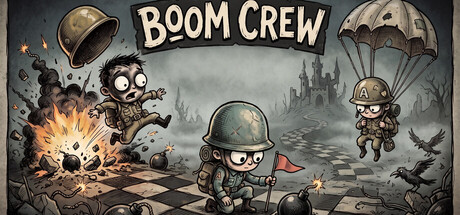
Some of the artwork in Boom Crew was created with the help of generative AI image tools. This covers character and object sprites, ground and paper textures, the game logo, and the capsule art on this store page. Every generated image was directed from hand-drawn mockups, then cut out, corrected and assembled by hand before it shipped. Code, level generation, on-screen text and audio contain no generative AI content, and nothing is generated live while you play.
AI-assisted artwork was used for store marketing assets. The shipped game does not generate content during gameplay and does not connect to an AI service at runtime.
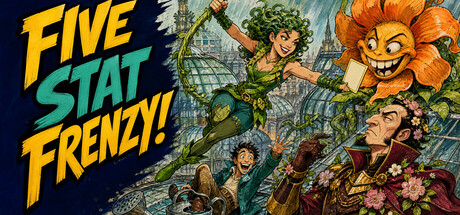
During development, generative AI tools were used to assist with selected pre-generated visual content, including some card illustrations, comic imagery and marketing artwork. Each included illustration was deliberately selected, art-directed and integrated into FIVE STAT FRENZY!’s own comic-watercolour style, cast of characters, game rules and connected Paperlight City story.
The released game uses no generative AI at runtime. Players do not enter AI prompts, and the game does not generate new images, text, dialogue, music or gameplay content while it is being played. Card values, rules, deckbuilding, rivals, campaign progression and comic unlocks are fixed, tested game content.
AI was used to assist with localization of the game's store page into additional languages as a placeholder until I am able to hire a localization team. All localized text was reviewed and edited before publication.
Generative AI tools were used throughout development to create all of the game's visual art assets and program code, as well as localization and promotional materials. All outputs were directed, reviewed, edited, tested, and integrated under the developer's supervision. The game does not generate AI content during gameplay or connect to external AI services.
Some marketing and store page artwork (including capsule images) for 9 Box
was created with the assistance of generative AI tools. No AI-generated
content is used within the game itself — all gameplay assets, art, and
systems are developed manually by the team.
Pre-generated AI tools were used during development to assist with portions of source code and localization, and to create the store capsule/key artwork. All outputs were reviewed, edited, and curated by the developers. The game's playable visuals are rendered procedurally by the shipped code. The product contains no live-generative AI, does not accept AI prompts from players, and does not send player data to an AI service.
AI is used for creating concept art, prototype textures, and quick mesh tests that are eventually replaced with real artist graphic designs and hand-tailored models.
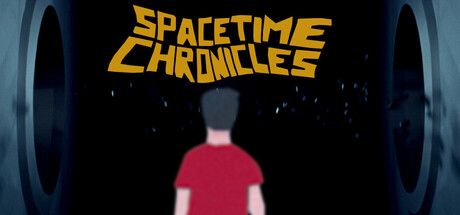
Spacetime Chronicles comes from a handmade animated feature: most of what you see are real paper sets, characters and props, photographed and animated frame by frame by the author. Generative AI was used in the following areas. Images: roughly 15% of the game's images were created or completed with generative AI, then edited and integrated by the author. Audio: the game's sound effects and character voices were produced using generative AI tools. Code: parts of the game's source code were written and reviewed with the help of AI assistants. All of this content was generated during development, reviewed and approved by the author before release. The game does not generate any AI content while you play, and it does not connect to any AI service at runtime.
Some of the artwork in this game was created with the help of generative AI during development. Every asset was reviewed, edited and approved by hand before shipping. Nothing is generated at runtime, and no player data is sent to any AI service. The computer opponents in the game use traditional rule-based decision logic and are unrelated to generative AI.
AI tools were used during development to assist with code, artwork, music, and other production tasks. All creative direction, design decisions, implementation, integration, testing, and final selection of content were handled by the developer.
Some of the game's 2D art — backgrounds, obstacle textures, sticker
illustrations and the logo — was created with the help of generative AI
tools during development. All of it was reviewed, edited and assembled by
the developer. Part of the game's source code was also written with AI
assistance. The game itself contains no AI models and generates nothing at
runtime: every asset ships as a fixed file.
The game will connect to an open-source local large language model that is already built into the game upon first launch, and use it during gameplay to generate NPC dialogues, host responses, and reasoning review feedback. Players may also choose to access compatible third‑party large language model APIs. The text generated at runtime is based on player questions and current story data.
Parts of the content shipped with this game were made with generative AI tools and then reviewed and edited by us before release: illustrations and background artwork, sound effects, organ cues and the menu music track, the spoken goal and penalty announcements in all seven interface languages, and parts of the in-game text and its translations. The same applies to our store artwork and to the trailers, which use pre-generated AI music and narration. All of it is produced before release. No generative AI runs while you play: the game creates no content or code at runtime and connects to no external AI service. Newspaper reports are assembled from prepared text and the events of your own career.
Some pre-generated 2D artwork assets were created with the assistance of generative AI tools during development. These AI-assisted drafts were used as a starting point for cat sprites, adoption box artwork, icons, capsule images, trailer visuals, and some store screenshots. All final assets were selected, edited, adjusted, and reviewed by the developer before being included in the product. The game does not generate AI content during gameplay and does not connect to external AI services.
Generative AI tools were used to assist in the creation of some pre-generated visual assets, character elements, voice-over, music, localization and promotional text. Some of these assets were further edited and refined by the developer before being included in the final game.
Some marketing assets were created with the assistance of generative AI. All gameplay, code, game content, and in-game art are human-made; the game contains. There is no AIgenerated content at runtime.
All card art, UI, and character face customization are hand-drawn by me. Everything in this game is made by me or from purchased assets, except for one wall painting and one window decoration texture, which were AI generated and will be replaced later.
Generative AI was used solely to assist with translation, localization, and language editing of written text. This includes localization of Steam store-page descriptions and translation or language correction of in-game text, primarily from Portuguese into English. No AI-generated artwork, audio, gameplay content, or live-generated AI content is included in the game.
Some pre-rendered visual assets and music were created with generative AI tools, then curated, edited, and integrated by the developer. No AI content is generated during gameplay, and the game does not connect to external AI services.
This game's art and some of its text content were created with AI-assisted tools during development and reviewed by the developer before shipping. Nothing is created live during gameplay by GenAI, and the game makes no AI-related network calls.
Some questions and answers in our quiz game are generated using AI. Additionally, we utilized pre-generated AI images included in the capsules and for in-game assets.
Graphics & Concepts: Generative AI was used to design and refine initial concept art, textures, and UI elements.
Texts & Dialogues: Portions of the lore, background stories, and dialogue scripts were conceptualized using AI language models and subsequently revised manually.
Code & Optimization: AI-assisted tools were utilized to optimize programming code and assist in debugging.
Note: All final assets in the game have been thoroughly reviewed, edited, and curated by the developer.
Generative AI was used to create base images for some visual assets. These images were subsequently selected, edited, refined, and integrated into the game and store materials by the developer. The game does not use generative AI at runtime.
Generative AI tools were used during development to create some of the game art assets, and written content and localization translations. AI tools were also used for coding assistance and debugging. The developer selected, adapted, and integrated these outputs into the game and its promotional materials. The game does not generate content using generative AI during gameplay or connect to external generative AI services.
Generative AI tools were used extensively during the development of this game. Some artwork, UI assets, written content, character voices, and localization were created with the assistance of generative AI and were subsequently selected, edited, integrated, and reviewed by the developer. All AI-generated content was created in advance during development; no AI content is generated live during gameplay.
Generative AI was used to assist in the creation of some promotional artwork for the Steam store page, including capsule and library artwork. AI is not used to generate content during gameplay.
Part of the audio in this game is generated with AI: the music and some of the sound effects.
Part of the source code was also created with the help of AI during development, particularly to generate certain portions of code, fix errors, and assist with the implementation of certain features. The code used in the game is then reviewed, modified, and integrated manually.
Everything else is handmade: the monsters are drawn by hand and then recreated in 3D, the textures are hand-painted and sometimes slightly enhanced, the 3D models are procedural, every line of text in the game is written by me, the farmer's voice is mine, etc.
The game’s core artwork and content were created by people. Generative AI use was limited to select elements of UI images and icons, Steam capsule image retouching, map and calendar textures within buildings, and localization translations.
Some art assets and marketing images were created or assisted with generative AI during development, then curated and edited for the final game. The game does not generate AI content in real time during play.
Some of the artwork in Boom Crew was created with the help of generative AI image tools. This covers character and object sprites, ground and paper textures, the game logo, and the capsule art on this store page. Every generated image was directed from hand-drawn mockups, then cut out, corrected and assembled by hand before it shipped. Code, level generation, on-screen text and audio contain no generative AI content, and nothing is generated live while you play.
AI-assisted artwork was used for store marketing assets. The shipped game does not generate content during gameplay and does not connect to an AI service at runtime.
During development, generative AI tools were used to assist with selected pre-generated visual content, including some card illustrations, comic imagery and marketing artwork. Each included illustration was deliberately selected, art-directed and integrated into FIVE STAT FRENZY!’s own comic-watercolour style, cast of characters, game rules and connected Paperlight City story.
The released game uses no generative AI at runtime. Players do not enter AI prompts, and the game does not generate new images, text, dialogue, music or gameplay content while it is being played. Card values, rules, deckbuilding, rivals, campaign progression and comic unlocks are fixed, tested game content.
AI was used to assist with localization of the game's store page into additional languages as a placeholder until I am able to hire a localization team. All localized text was reviewed and edited before publication.
Generative AI tools were used throughout development to create all of the game's visual art assets and program code, as well as localization and promotional materials. All outputs were directed, reviewed, edited, tested, and integrated under the developer's supervision. The game does not generate AI content during gameplay or connect to external AI services.
Some marketing and store page artwork (including capsule images) for 9 Box
was created with the assistance of generative AI tools. No AI-generated
content is used within the game itself — all gameplay assets, art, and
systems are developed manually by the team.
Pre-generated AI tools were used during development to assist with portions of source code and localization, and to create the store capsule/key artwork. All outputs were reviewed, edited, and curated by the developers. The game's playable visuals are rendered procedurally by the shipped code. The product contains no live-generative AI, does not accept AI prompts from players, and does not send player data to an AI service.
AI is used for creating concept art, prototype textures, and quick mesh tests that are eventually replaced with real artist graphic designs and hand-tailored models.
Spacetime Chronicles comes from a handmade animated feature: most of what you see are real paper sets, characters and props, photographed and animated frame by frame by the author. Generative AI was used in the following areas. Images: roughly 15% of the game's images were created or completed with generative AI, then edited and integrated by the author. Audio: the game's sound effects and character voices were produced using generative AI tools. Code: parts of the game's source code were written and reviewed with the help of AI assistants. All of this content was generated during development, reviewed and approved by the author before release. The game does not generate any AI content while you play, and it does not connect to any AI service at runtime.
Some of the artwork in this game was created with the help of generative AI during development. Every asset was reviewed, edited and approved by hand before shipping. Nothing is generated at runtime, and no player data is sent to any AI service. The computer opponents in the game use traditional rule-based decision logic and are unrelated to generative AI.
AI tools were used during development to assist with code, artwork, music, and other production tasks. All creative direction, design decisions, implementation, integration, testing, and final selection of content were handled by the developer.
Some of the game's 2D art — backgrounds, obstacle textures, sticker
illustrations and the logo — was created with the help of generative AI
tools during development. All of it was reviewed, edited and assembled by
the developer. Part of the game's source code was also written with AI
assistance. The game itself contains no AI models and generates nothing at
runtime: every asset ships as a fixed file.
The game will connect to an open-source local large language model that is already built into the game upon first launch, and use it during gameplay to generate NPC dialogues, host responses, and reasoning review feedback. Players may also choose to access compatible third‑party large language model APIs. The text generated at runtime is based on player questions and current story data.
Parts of the content shipped with this game were made with generative AI tools and then reviewed and edited by us before release: illustrations and background artwork, sound effects, organ cues and the menu music track, the spoken goal and penalty announcements in all seven interface languages, and parts of the in-game text and its translations. The same applies to our store artwork and to the trailers, which use pre-generated AI music and narration. All of it is produced before release. No generative AI runs while you play: the game creates no content or code at runtime and connects to no external AI service. Newspaper reports are assembled from prepared text and the events of your own career.
Some pre-generated 2D artwork assets were created with the assistance of generative AI tools during development. These AI-assisted drafts were used as a starting point for cat sprites, adoption box artwork, icons, capsule images, trailer visuals, and some store screenshots. All final assets were selected, edited, adjusted, and reviewed by the developer before being included in the product. The game does not generate AI content during gameplay and does not connect to external AI services.
Generative AI tools were used to assist in the creation of some pre-generated visual assets, character elements, voice-over, music, localization and promotional text. Some of these assets were further edited and refined by the developer before being included in the final game.
Some marketing assets were created with the assistance of generative AI. All gameplay, code, game content, and in-game art are human-made; the game contains. There is no AIgenerated content at runtime.
All card art, UI, and character face customization are hand-drawn by me. Everything in this game is made by me or from purchased assets, except for one wall painting and one window decoration texture, which were AI generated and will be replaced later.
Generative AI was used solely to assist with translation, localization, and language editing of written text. This includes localization of Steam store-page descriptions and translation or language correction of in-game text, primarily from Portuguese into English. No AI-generated artwork, audio, gameplay content, or live-generated AI content is included in the game.