Public Steam disclosure research25,376 disclosures tracked
Where do games disclose AI use?
Search developers’ Steam disclosures, compare classified AI use across
games, and follow recorded changes.
This index adds cross-game classifications and statistics to
statements published on individual store pages.
Groups reflect automatic analysis of public disclosures; mature records are excluded. These counts do not measure AI use across all of Steam.
Missing or unclear statements cannot establish whether a game uses AI.
Generative AI tools were used during development to assist with the creation of some visual assets, textures, and promotional artwork. All AI-assisted content was reviewed, selected, edited where appropriate, and integrated by the developer.
Made by one person. Written, directed and built by me, with generative AI used as a supplementary tool for some of the game's assets, all of it reviewed and refined by hand.
Generative AI tools helped create character portraits, illustrations, store and marketing artwork, music, sound effects, and player-facing text during development. These are pre-generated assets. No generative AI runs during gameplay, and the game does not connect to external generative AI services.
In-game icons and background assets were generated with AI and then manually adjusted
Promotional images and promotional videos were generated with AI and then manually adjusted
This game uses Generative Artificial Intelligence (AI) to create Localization based text and In-game Sound Effects (sfx).
Disclosure is part of Magnus et Epicus LLC commitment on AI free use for all.
Some of this game's art and audio were made with generative AI tools and then edited and modified by the developer. All of it is pre-generated during development. No AI runs live during gameplay. The game's code, design and writing are authored by the developer.
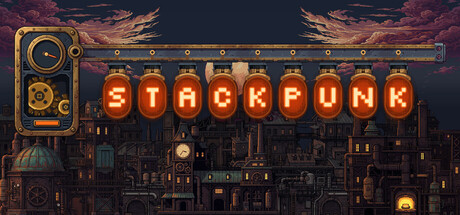
Some of STACKPUNK's 2D pixel art — including boss portraits, card artwork, background scenes, UI ornaments and achievement icons — was created with the assistance of a generative AI pixel-art tool during development. All AI-assisted images were generated ahead of time, then reviewed, edited and hand-finished by us before being shipped as fixed image files in the game. STACKPUNK does not generate any content live while you play, and the game never connects to an AI service. All gameplay, code, design, music and sound are authored by us or sourced from properly licensed/CC0 material.
Generative AI tools were used during development to assist in creating some pre-generated 2D game artwork, promotional artwork, and Steam store and community assets. All AI-assisted outputs were reviewed and edited by the developer. The game does not generate content using AI while it is running.
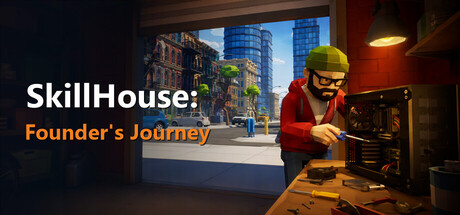
Generative AI was used only in the preparation of selected promotional images for the game’s Steam page. It assisted with creating and refining background artwork in the game’s visual style. The developer reviewed the results, adapted them to the required dimensions, and added the official SkillHouse logo. The game does not generate any content using AI during gameplay.
AI tools were used only to check visual concepts, translate text into some languages, and create music placeholders. All such materials are currently significantly reworked by humans. By release, we plan to replace the music placeholders with original compositions and have the translations reviewed by human editors.
All visual artwork used in the game was created directly by the developer.
Generative AI tools were used as part of the production process for certain audio assets and for translation/localization assistance. AI-generated or AI-assisted outputs were reviewed and edited by the developer before being included in the final game.
During the development, we may use AI-assisted tools to help create procedural 3D models, environments, interface elements, animations, and sound effects. These tools were used under the developer’s direction, and in every case the end result reflects their creativity.
Part of the game's visual content (location backgrounds and some animated CG scenes) was created using generative neural networks based on references and artistic descriptions developed by the author.
Some of this game's assets were created with the assistance of generative AI tools and were then reviewed, edited, and finalized by our development team. This applies to portions of the 2D artwork, such as UI elements, decorative frames, backgrounds, and illustrations, as well as some localized text. All AI-assisted content was pre-generated during development. The live-action video footage features real actors filmed by our production team, and no content is generated by AI during gameplay.
Generative AI was used during development to assist with programming and the creation of some visual assets. AI-generated and AI-assisted content may be included in the final game.
Generative AI was used during development to assist with some pre-generated artwork, audio, music, sound effects, and written content. All AI-assisted content was reviewed and edited by the developer before being included in the game. No live-generated AI is used during gameplay.
Game illustrations and some sound effects, as well as part of the text and localization, are created using generative AI tools, then manually refined and validated. No content is generated by AI in real time, and the game design is human-made.
The English translation and some store page materials (text and logo artwork) were created with the help of generative AI tools, then reviewed and edited by the developer The original Spanish game text was written by the developer. No AI is used while you play.
The story outline, the characters, and the five branching endings were created by hand. On that basis, the script prose, the 357 background illustrations, the soundtrack and the sound effects were generated with AI and individually reviewed by the developer before inclusion; candidates that did not pass were discarded and are not in the game. The English and Japanese translations were produced with AI and spot-checked by the developer. The store artwork and trailer also use AI-generated images.
No AI runs while you play. All content is fixed at release.
Only the game's source code was written with the assistance of an AI coding tool. All art, music, writing, and other creative assets were created by hand without generative AI.
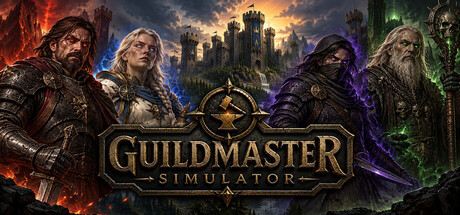
Guildmaster Simulator is developed independently, and I use generative AI as one of the tools that helps me bring the game to life. As I am not a professional graphic designer or illustrator, AI-assisted tools have helped me create selected visual assets, character artwork, interface elements and promotional imagery that I can then review, refine and adapt to fit the game’s established style.
Generative AI has also assisted with portions of the game’s written content, including some quest, event and narrative text. All AI-assisted content is reviewed, edited and shaped by me before being included in the game to ensure it fits the world, characters, gameplay systems and overall creative direction of Guildmaster Simulator.
No generative AI is used during gameplay. All AI-assisted content is created during development and is fixed within the shipped game.
Generative AI assisted with selected store and library artwork and some localization text. This content was created before release; the game does not use real-time AI generation.
Generative AI tools were used during development to create or assist with 3D models, voice audio, and translations/localization. Generative AI was also used to create and edit promotional artwork for the Steam store and library, including capsule images, backgrounds, and logo artwork.
This game uses generative AI tools in production, under human direction. Part of the 2D art (characters, backgrounds, icons, interface) and part of the text go through these tools, always from direction, references and rules I define, and always reviewed, corrected and approved piece by piece before entering the game. Other art and text in the game were made by hand. All decisions about story, script, scene design, mechanics and art direction are mine. The game has no voice acting, and no AI-generated voice. Nothing is generated while you play: everything the game shows is a fixed file in the package.
Generative AI was used during development to help create pre-rendered content that ships with the game: in-game text and narrative templates, store page copy, and 2D brand artwork - all reviewed by the developer. The simulation itself (players, teams, seasons, statistics) is produced at runtime by the game's own deterministic statistical engine, not by AI. No AI-generated content is created while you play.
Some visual assets used in the game and its store page were created with generative AI tools and subsequently edited and integrated into the final presentation.
This game uses generative AI for some pre-produced visual assets, including character artwork and backgrounds, and for text generated during gameplay. A language model running locally on your computer generates VTuber dialogue and responses based on player input, character settings, and the current game situation. Generated dialogue can vary between playthroughs.
AI was generally used in collaboration with human editing throughout most of the game. All released content was selected, edited and integrated by the developer. No content is generated during gameplay.
I used AI to help draft written text across the game: NPC dialogue and names, skill and talent descriptions, item and weapon flavor text, quest and lore text, and location names. I design the overall story beats and character interactions myself; AI helps draft the individual lines, especially useful since English isn't my first language. Everything shipped was reviewed by me, with many lines kept close to their original draft and others rewritten to better fit the game. All artwork, including the key art, logo, and icons, was made entirely by hand by a human illustrator. The world map was assembled by me using licensed 2D art assets.
Parts of this game's 2D artwork (event panels, backgrounds, UI elements) were created using generative AI tools and were then curated, corrected and finished by our artist. Some music and ambience tracks were produced with AI assistance and manually edited. Event texts were drafted with LLM assistance and fully reviewed, edited and approved by the developers. The game contains NO live/runtime AI generation: all content is pre-generated and human-reviewed before shipping. No third-party copyrighted material and no real persons' likenesses were used in prompts.
Jump Bait was created using generative AI, including its code, visual assets, music, and written content. AI-generated content was created during development. The game does not generate AI content or connect to third-party AI services during gameplay.
Some content was pre-generated with AI tools during development and reviewed by the developer before shipping: the store key art and capsule images, a number of surface textures used as decorative materials in the environments, and the narration, which is synthesized offline from the developer's original script with the Piper text-to-speech engine (a public-domain-derived voice). No content is generated by AI during gameplay, and the game does not connect to any external AI service. World layouts, equipment, mission logic, writing and code are project-authored.
Generative AI tools were used during development to create and revise pre-generated illustrations, narrative text, localization and promotional artwork. Content is prepared before play; the game does not generate AI content at runtime or connect to an external AI service during play.
Generative AI tools were used to create illustrations, brief pre-rendered animated sequences, and some store and promotional artwork under the author's direction, selection, and editing. AI tools were also used to assist with translation and language editing. The original novel and its story were written by Takahiro Yonemura. No content is generated by AI while the application is running.
Visual assets and translations were created with the assistance of generative AI tools.
All assets and translations were reviewed, edited, and incorporated by the developer to align with the game’s established art direction.
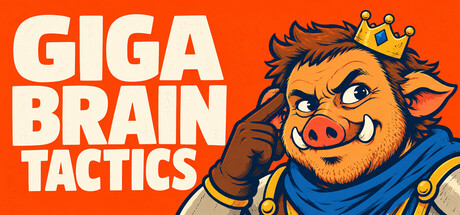
Generative AI tools were used during the development of GIGA BRAIN TACTICS to assist with the creation of certain visual and audio assets, as well as during the game development process.
All AI-assisted content is reviewed, refined, and integrated by the developers to ensure consistency with the game's visual style and quality standards.
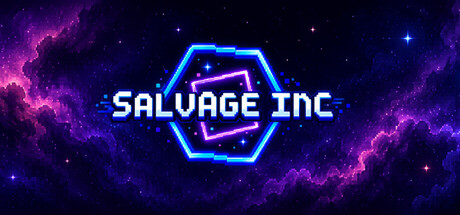
Salvage Inc. was designed, developed, and assembled by a human developer. Generative AI tools were used to assist in the creation of some game assets, including certain visual and audio elements.
All output was reviewed and hand-edited by our artists before shipping. Every 3D model and character in the game was sculpted by human artists. We also use AI coding assistants during development; no AI-generated content is produced while the game is running.
Generative AI was used during development to assist in the creation of some of the game's pre-generated illustrations and visual assets. No generative AI is used to create content during gameplay.
Generative AI was used to brainstorm some character images (but not directly used), and to render some static backgrounds. I also argued with it about coding bugs. It was helpful but not smart.
Generative AI tools were used during development to assist with the creation of some visual assets, textures, and promotional artwork. All AI-assisted content was reviewed, selected, edited where appropriate, and integrated by the developer.
Made by one person. Written, directed and built by me, with generative AI used as a supplementary tool for some of the game's assets, all of it reviewed and refined by hand.
Generative AI tools helped create character portraits, illustrations, store and marketing artwork, music, sound effects, and player-facing text during development. These are pre-generated assets. No generative AI runs during gameplay, and the game does not connect to external generative AI services.
In-game icons and background assets were generated with AI and then manually adjusted
Promotional images and promotional videos were generated with AI and then manually adjusted
This game uses Generative Artificial Intelligence (AI) to create Localization based text and In-game Sound Effects (sfx).
Disclosure is part of Magnus et Epicus LLC commitment on AI free use for all.
Some of this game's art and audio were made with generative AI tools and then edited and modified by the developer. All of it is pre-generated during development. No AI runs live during gameplay. The game's code, design and writing are authored by the developer.
Some of STACKPUNK's 2D pixel art — including boss portraits, card artwork, background scenes, UI ornaments and achievement icons — was created with the assistance of a generative AI pixel-art tool during development. All AI-assisted images were generated ahead of time, then reviewed, edited and hand-finished by us before being shipped as fixed image files in the game. STACKPUNK does not generate any content live while you play, and the game never connects to an AI service. All gameplay, code, design, music and sound are authored by us or sourced from properly licensed/CC0 material.
Generative AI tools were used during development to assist in creating some pre-generated 2D game artwork, promotional artwork, and Steam store and community assets. All AI-assisted outputs were reviewed and edited by the developer. The game does not generate content using AI while it is running.
Generative AI was used only in the preparation of selected promotional images for the game’s Steam page. It assisted with creating and refining background artwork in the game’s visual style. The developer reviewed the results, adapted them to the required dimensions, and added the official SkillHouse logo. The game does not generate any content using AI during gameplay.
AI tools were used only to check visual concepts, translate text into some languages, and create music placeholders. All such materials are currently significantly reworked by humans. By release, we plan to replace the music placeholders with original compositions and have the translations reviewed by human editors.
All visual artwork used in the game was created directly by the developer.
Generative AI tools were used as part of the production process for certain audio assets and for translation/localization assistance. AI-generated or AI-assisted outputs were reviewed and edited by the developer before being included in the final game.
During the development, we may use AI-assisted tools to help create procedural 3D models, environments, interface elements, animations, and sound effects. These tools were used under the developer’s direction, and in every case the end result reflects their creativity.
Part of the game's visual content (location backgrounds and some animated CG scenes) was created using generative neural networks based on references and artistic descriptions developed by the author.
Some of this game's assets were created with the assistance of generative AI tools and were then reviewed, edited, and finalized by our development team. This applies to portions of the 2D artwork, such as UI elements, decorative frames, backgrounds, and illustrations, as well as some localized text. All AI-assisted content was pre-generated during development. The live-action video footage features real actors filmed by our production team, and no content is generated by AI during gameplay.
Generative AI was used during development to assist with programming and the creation of some visual assets. AI-generated and AI-assisted content may be included in the final game.
Generative AI was used during development to assist with some pre-generated artwork, audio, music, sound effects, and written content. All AI-assisted content was reviewed and edited by the developer before being included in the game. No live-generated AI is used during gameplay.
Game illustrations and some sound effects, as well as part of the text and localization, are created using generative AI tools, then manually refined and validated. No content is generated by AI in real time, and the game design is human-made.
The English translation and some store page materials (text and logo artwork) were created with the help of generative AI tools, then reviewed and edited by the developer The original Spanish game text was written by the developer. No AI is used while you play.
The story outline, the characters, and the five branching endings were created by hand. On that basis, the script prose, the 357 background illustrations, the soundtrack and the sound effects were generated with AI and individually reviewed by the developer before inclusion; candidates that did not pass were discarded and are not in the game. The English and Japanese translations were produced with AI and spot-checked by the developer. The store artwork and trailer also use AI-generated images.
No AI runs while you play. All content is fixed at release.
Only the game's source code was written with the assistance of an AI coding tool. All art, music, writing, and other creative assets were created by hand without generative AI.
Guildmaster Simulator is developed independently, and I use generative AI as one of the tools that helps me bring the game to life. As I am not a professional graphic designer or illustrator, AI-assisted tools have helped me create selected visual assets, character artwork, interface elements and promotional imagery that I can then review, refine and adapt to fit the game’s established style.
Generative AI has also assisted with portions of the game’s written content, including some quest, event and narrative text. All AI-assisted content is reviewed, edited and shaped by me before being included in the game to ensure it fits the world, characters, gameplay systems and overall creative direction of Guildmaster Simulator.
No generative AI is used during gameplay. All AI-assisted content is created during development and is fixed within the shipped game.
Generative AI assisted with selected store and library artwork and some localization text. This content was created before release; the game does not use real-time AI generation.
Generative AI tools were used during development to create or assist with 3D models, voice audio, and translations/localization. Generative AI was also used to create and edit promotional artwork for the Steam store and library, including capsule images, backgrounds, and logo artwork.
This game uses generative AI tools in production, under human direction. Part of the 2D art (characters, backgrounds, icons, interface) and part of the text go through these tools, always from direction, references and rules I define, and always reviewed, corrected and approved piece by piece before entering the game. Other art and text in the game were made by hand. All decisions about story, script, scene design, mechanics and art direction are mine. The game has no voice acting, and no AI-generated voice. Nothing is generated while you play: everything the game shows is a fixed file in the package.
Generative AI was used during development to help create pre-rendered content that ships with the game: in-game text and narrative templates, store page copy, and 2D brand artwork - all reviewed by the developer. The simulation itself (players, teams, seasons, statistics) is produced at runtime by the game's own deterministic statistical engine, not by AI. No AI-generated content is created while you play.
Some visual assets used in the game and its store page were created with generative AI tools and subsequently edited and integrated into the final presentation.
This game uses generative AI for some pre-produced visual assets, including character artwork and backgrounds, and for text generated during gameplay. A language model running locally on your computer generates VTuber dialogue and responses based on player input, character settings, and the current game situation. Generated dialogue can vary between playthroughs.
AI was generally used in collaboration with human editing throughout most of the game. All released content was selected, edited and integrated by the developer. No content is generated during gameplay.
I used AI to help draft written text across the game: NPC dialogue and names, skill and talent descriptions, item and weapon flavor text, quest and lore text, and location names. I design the overall story beats and character interactions myself; AI helps draft the individual lines, especially useful since English isn't my first language. Everything shipped was reviewed by me, with many lines kept close to their original draft and others rewritten to better fit the game. All artwork, including the key art, logo, and icons, was made entirely by hand by a human illustrator. The world map was assembled by me using licensed 2D art assets.
Parts of this game's 2D artwork (event panels, backgrounds, UI elements) were created using generative AI tools and were then curated, corrected and finished by our artist. Some music and ambience tracks were produced with AI assistance and manually edited. Event texts were drafted with LLM assistance and fully reviewed, edited and approved by the developers. The game contains NO live/runtime AI generation: all content is pre-generated and human-reviewed before shipping. No third-party copyrighted material and no real persons' likenesses were used in prompts.
Jump Bait was created using generative AI, including its code, visual assets, music, and written content. AI-generated content was created during development. The game does not generate AI content or connect to third-party AI services during gameplay.
Some content was pre-generated with AI tools during development and reviewed by the developer before shipping: the store key art and capsule images, a number of surface textures used as decorative materials in the environments, and the narration, which is synthesized offline from the developer's original script with the Piper text-to-speech engine (a public-domain-derived voice). No content is generated by AI during gameplay, and the game does not connect to any external AI service. World layouts, equipment, mission logic, writing and code are project-authored.
Generative AI tools were used during development to create and revise pre-generated illustrations, narrative text, localization and promotional artwork. Content is prepared before play; the game does not generate AI content at runtime or connect to an external AI service during play.
Generative AI tools were used to create illustrations, brief pre-rendered animated sequences, and some store and promotional artwork under the author's direction, selection, and editing. AI tools were also used to assist with translation and language editing. The original novel and its story were written by Takahiro Yonemura. No content is generated by AI while the application is running.
Visual assets and translations were created with the assistance of generative AI tools.
All assets and translations were reviewed, edited, and incorporated by the developer to align with the game’s established art direction.
Generative AI tools were used during the development of GIGA BRAIN TACTICS to assist with the creation of certain visual and audio assets, as well as during the game development process.
All AI-assisted content is reviewed, refined, and integrated by the developers to ensure consistency with the game's visual style and quality standards.
Salvage Inc. was designed, developed, and assembled by a human developer. Generative AI tools were used to assist in the creation of some game assets, including certain visual and audio elements.
All output was reviewed and hand-edited by our artists before shipping. Every 3D model and character in the game was sculpted by human artists. We also use AI coding assistants during development; no AI-generated content is produced while the game is running.
Generative AI was used during development to assist in the creation of some of the game's pre-generated illustrations and visual assets. No generative AI is used to create content during gameplay.
Generative AI was used to brainstorm some character images (but not directly used), and to render some static backgrounds. I also argued with it about coding bugs. It was helpful but not smart.